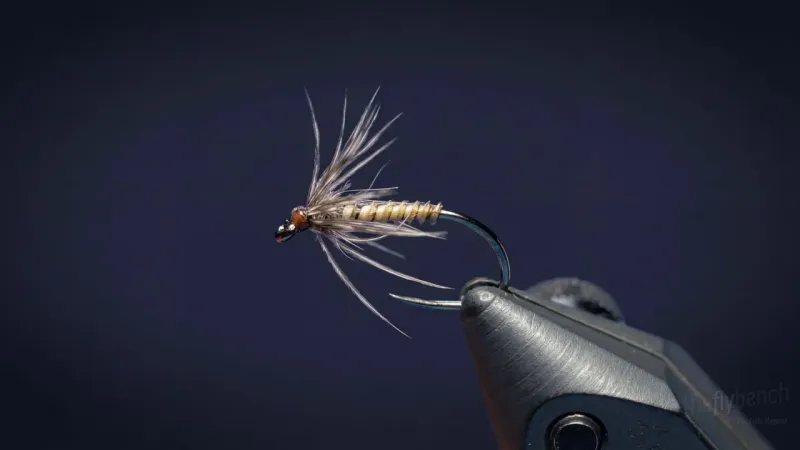
Midge / EmergersCaddistrophic Pupa
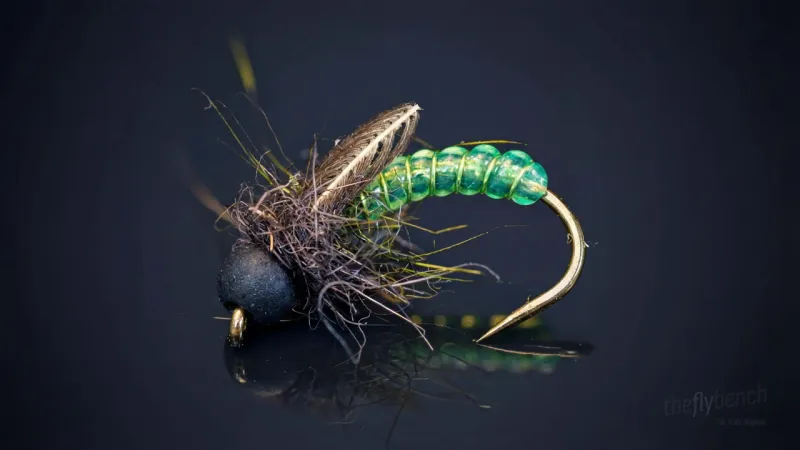
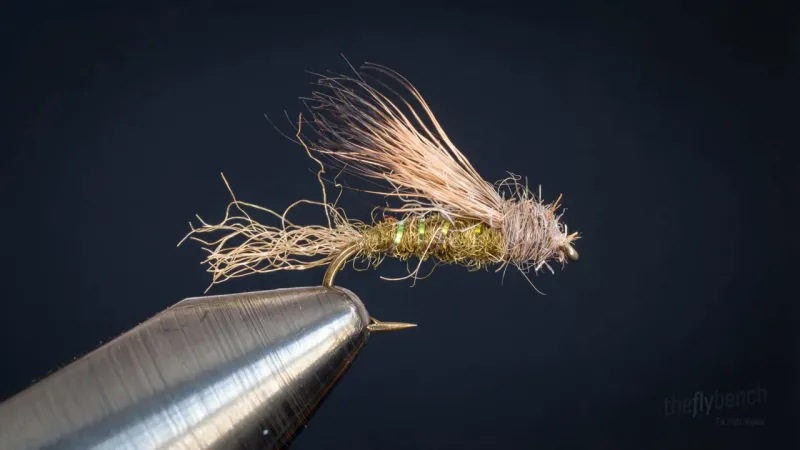
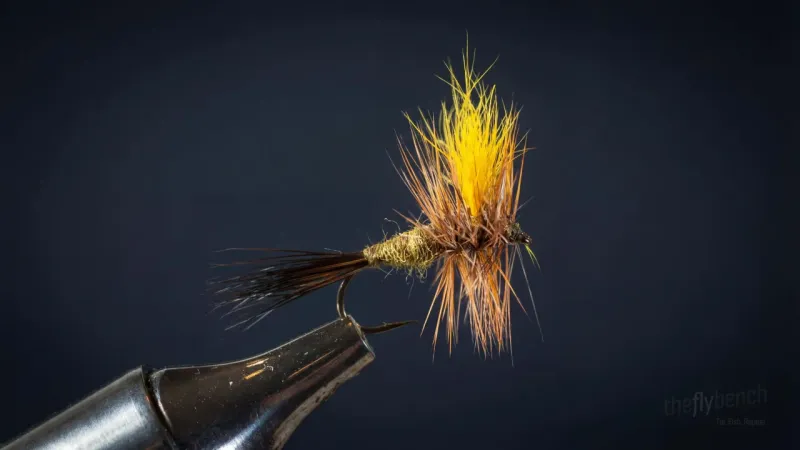
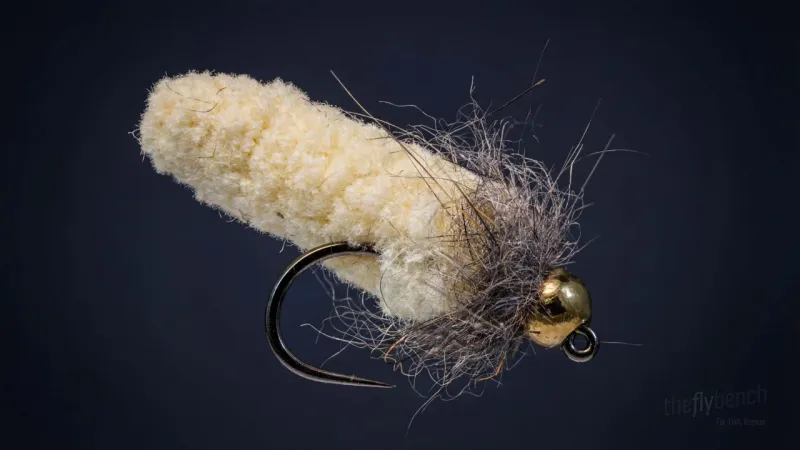
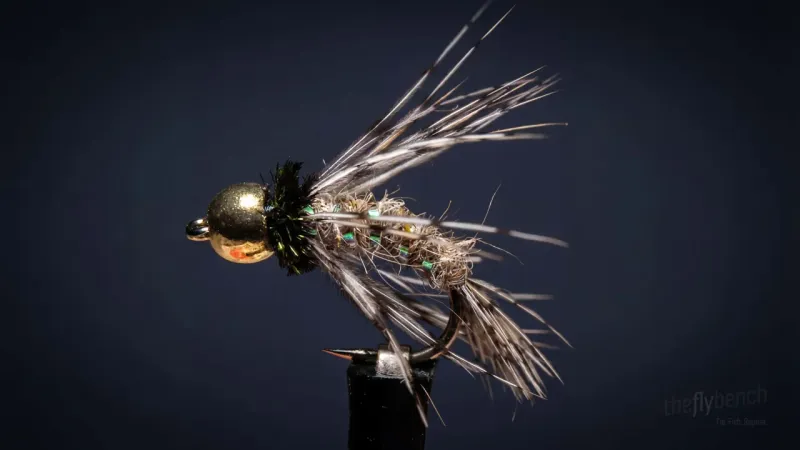
A caddis pupa pattern designed for maximum movement and realism, the Caddistrophic Pupa uses floss, CDC, and Fluoro Fibre antennae to imitate an emerging caddis. Perfect for slow water or picky trout feeding in the film.
Spring, Summer, Fall
Intermediate
Trout
Apr 2025
Overview
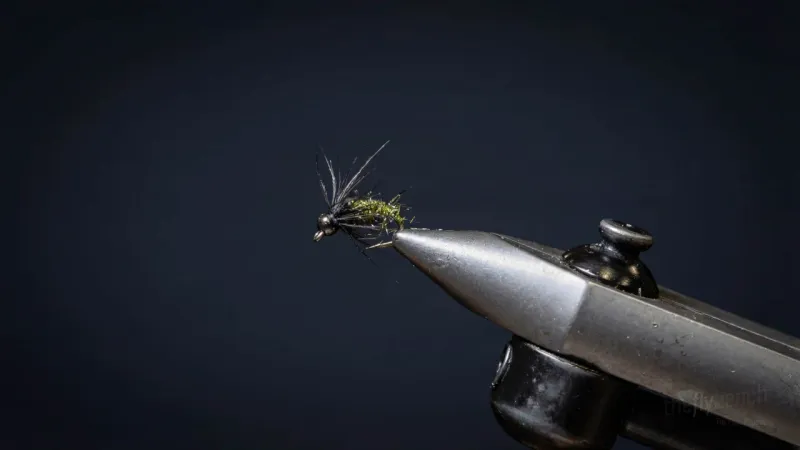
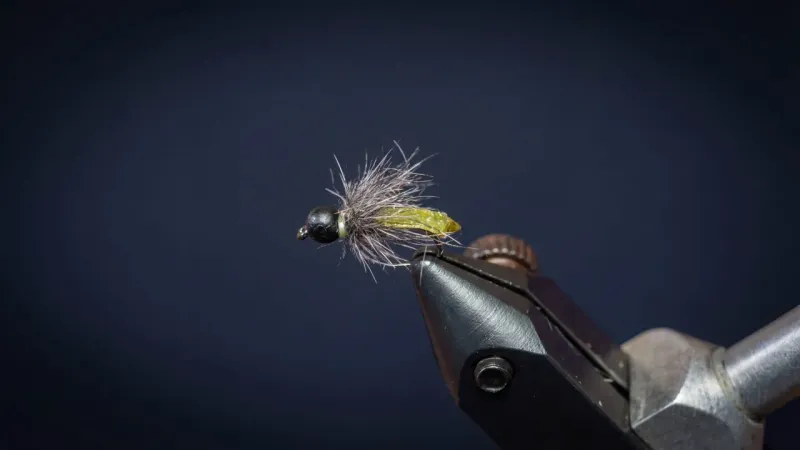
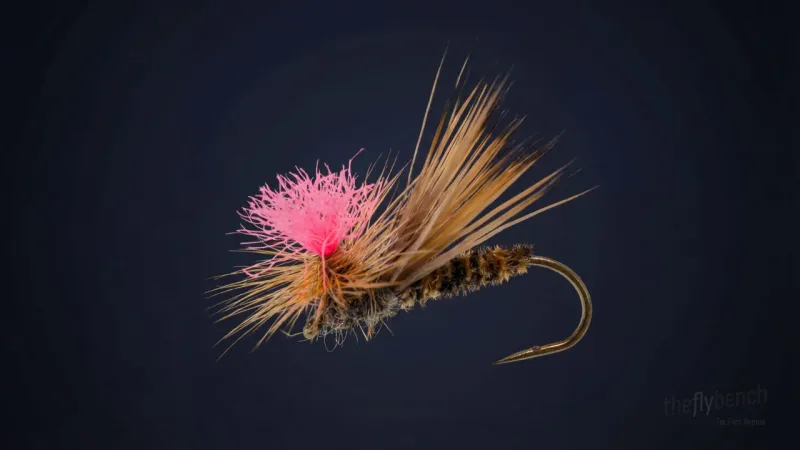
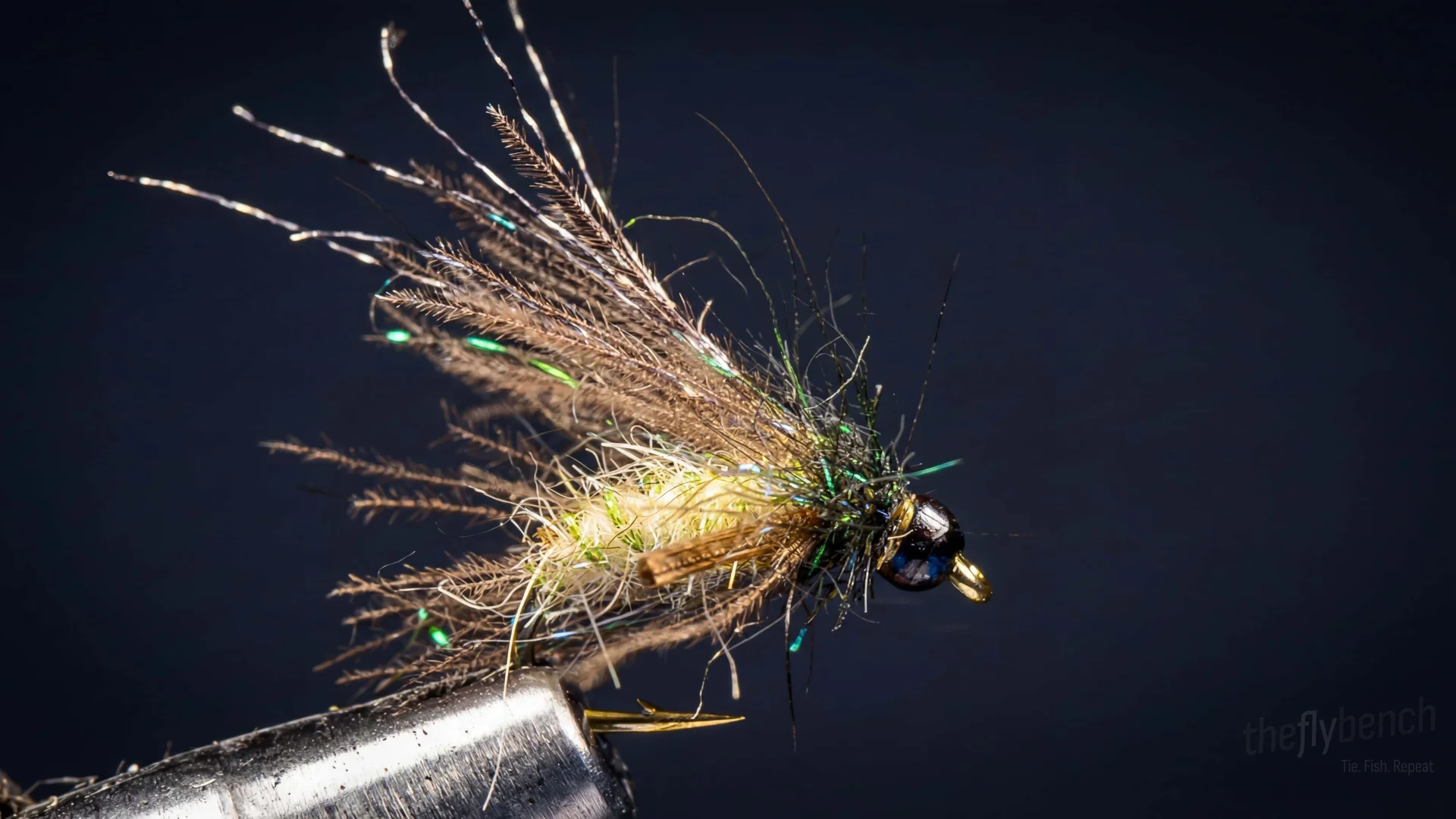
The Caddistrophic Pupa is a modern caddis emerger pattern tied with a slim, segmented body and a prominent bubble-style wingcase made from soft materials like CDC, Antron, or Zelon. The thorax is often dubbed with a buggy blend, and the pattern may feature a hot spot or bead for extra visibility. It rides low in the water, mimicking a caddis breaking through the surface film. The sparse materials and realistic silhouette make it especially effective during heavy caddis hatches.
Where to Buy This Fly
We only link to fly shops we trust. Some links are referral links, which may earn us a commission at no extra cost to you.
Materials
- Hook:
- TMC 2487 #14–18
- Bead:
- Black tungsten, sized to hook (optional)
- Thread:
- 8/0 Olive Dun or Black Uni
- Rib:
- Chartreuse Ultra Wire (Brassie)
- Shellback:
- Brown Super Floss
- Abdomen:
- Olive Hairline Dubbing
- Wing Buds:
- Brown Super Floss
- Collar:
- Natural Dun CDC
- Antennae:
- Cream Shrimp Fluoro Fibre
- Head:
- Black Ice Dub
Behavior & Presentation
Natural Behavior: During emergence, ascending caddis pupae create vulnerable silhouettes suspended in mid-column, struggling upward with gas bubbles trapped under wing cases that enhance their profile. Trout recognize this predictable upward swimming motion as easy calories during concentrated hatches when dozens rise simultaneously toward the surface film.
Where Trout Eat It: Productive in tail-outs, back eddies, and slower glides where pupae gather before hatching, typically in depths of 2-6 feet.
How to Fish It: Dead drift in the film during active hatches, or use a slow hand-twist retrieve in lakes to mimic the natural ascent.
Best Water: Focus on tail-outs, eddies, pool edges, and current seams where pupae concentrate before emergence.
Strike Type: During dead drift in the film or slow hand-twist retrieve in lakes, fish take with delicate sips just beneath the surface. Indicator movement is often barely perceptible — a gentle dip or sideways drift signals the take.
Fishing Strategy
Rigging Suggestions: Use 5X-6X tippet for natural drift. Fish solo on a greased leader, behind a size 14-16 dry fly for visibility, or as the top fly in a two-nymph rig with 18-24 inches between flies.
Seasonal Timing: Most effective from April through October, with peak activity during caddis emergences. Early season hatches often occur on warmer afternoons. Fish during caddis emergence, typically late afternoon through dusk.
Pro Tips: The CDC collar provides subtle movement and keeps the fly riding just subsurface. In low light, the Fluoro Fibre wingcase helps you track the fly during the drift.
Entomology
Caddis pupae ascend through the water column toward the surface in an upward swimming motion, often with visible gas bubbles trapped under their wing cases that aid buoyancy. During this vulnerable ascent phase, they are highly visible to trout and exhibit erratic movement patterns as they struggle toward emergence. The concentration of pupae in a hatch creates a feeding frenzy as fish key on this predictable, easy-to-catch food source.
- Order
- Trichoptera
- Common Name
- Caddisfly
- Organism Type
- insect
- Life Stage
- pupa