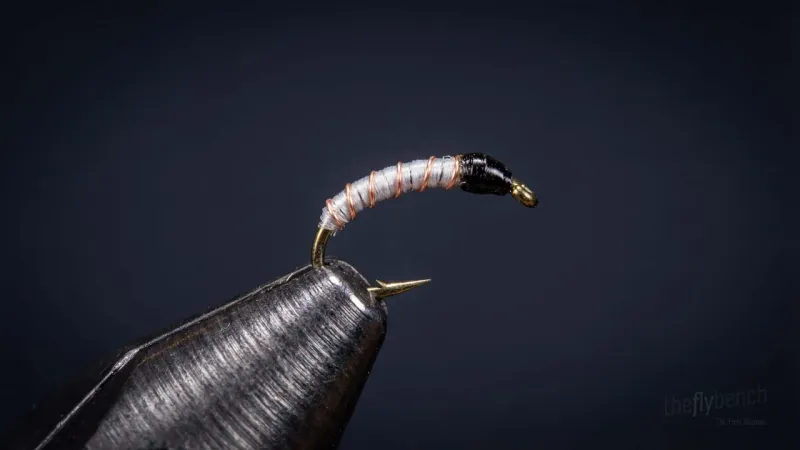
Euro NymphsMini Perdigon
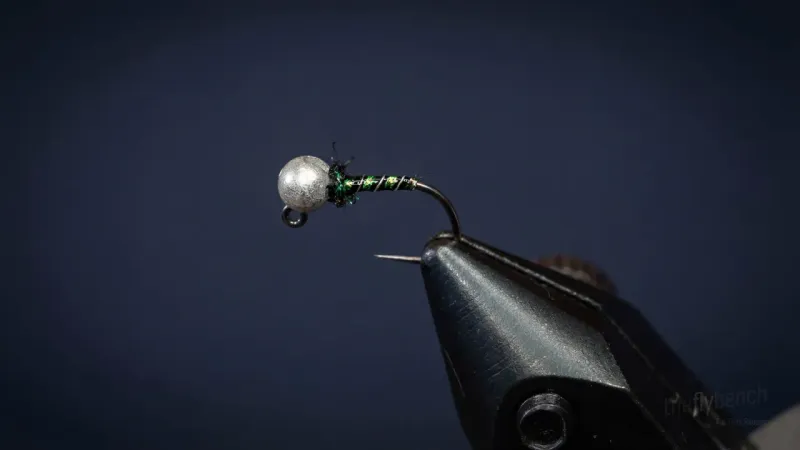
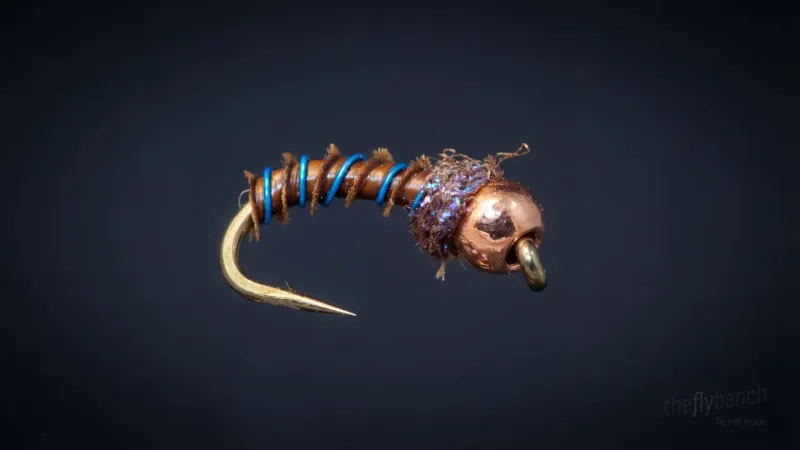
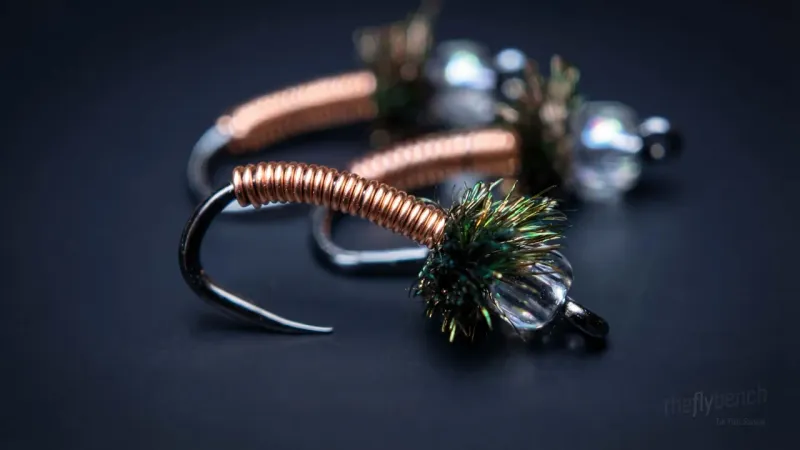
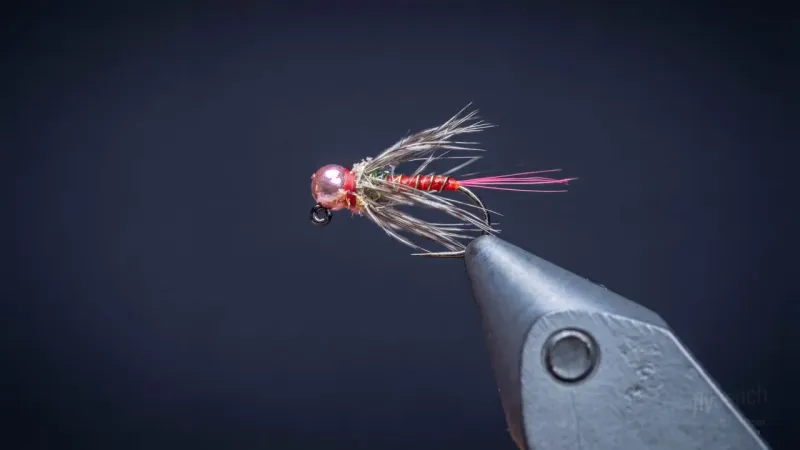
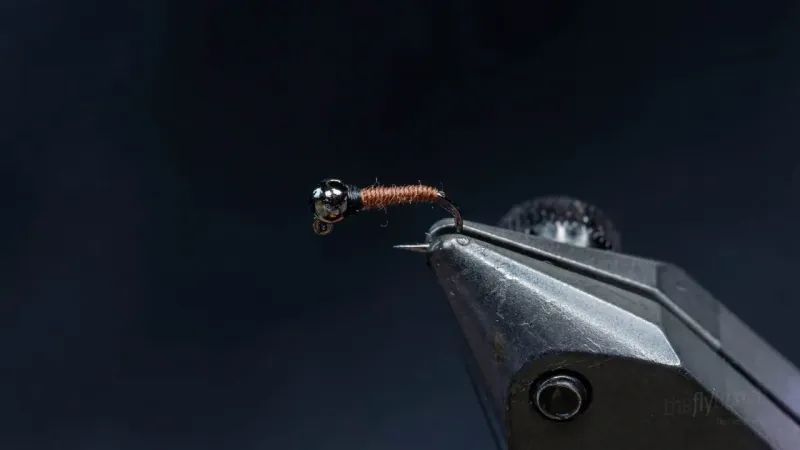
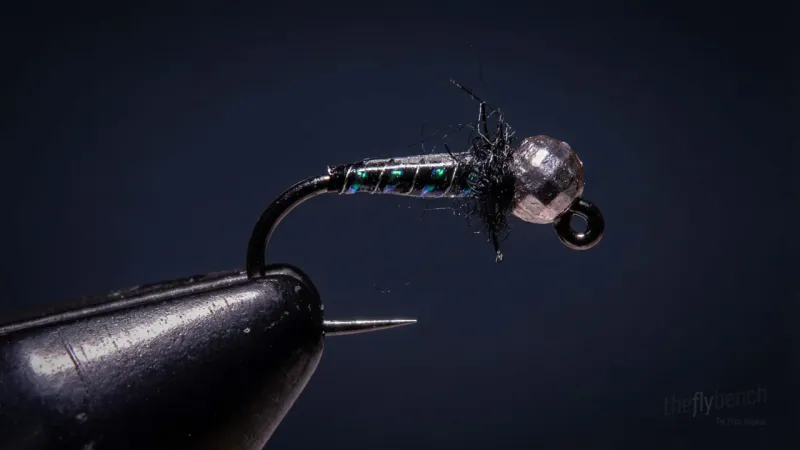
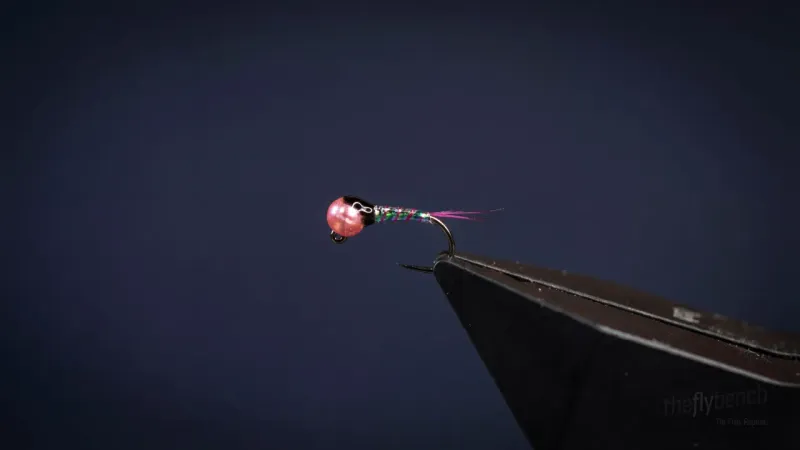
The Mini Perdigon is a simple yet highly effective euro nymph designed to sink quickly in the water column. Its compact profile and tungsten bead make it ideal for reaching trout feeding deep in riffles and runs. While it may seem basic, this little bug has proven its worth in technical presentations where speed and precision matter.
Year Round
Beginner
Trout
Dec 2025
Overview
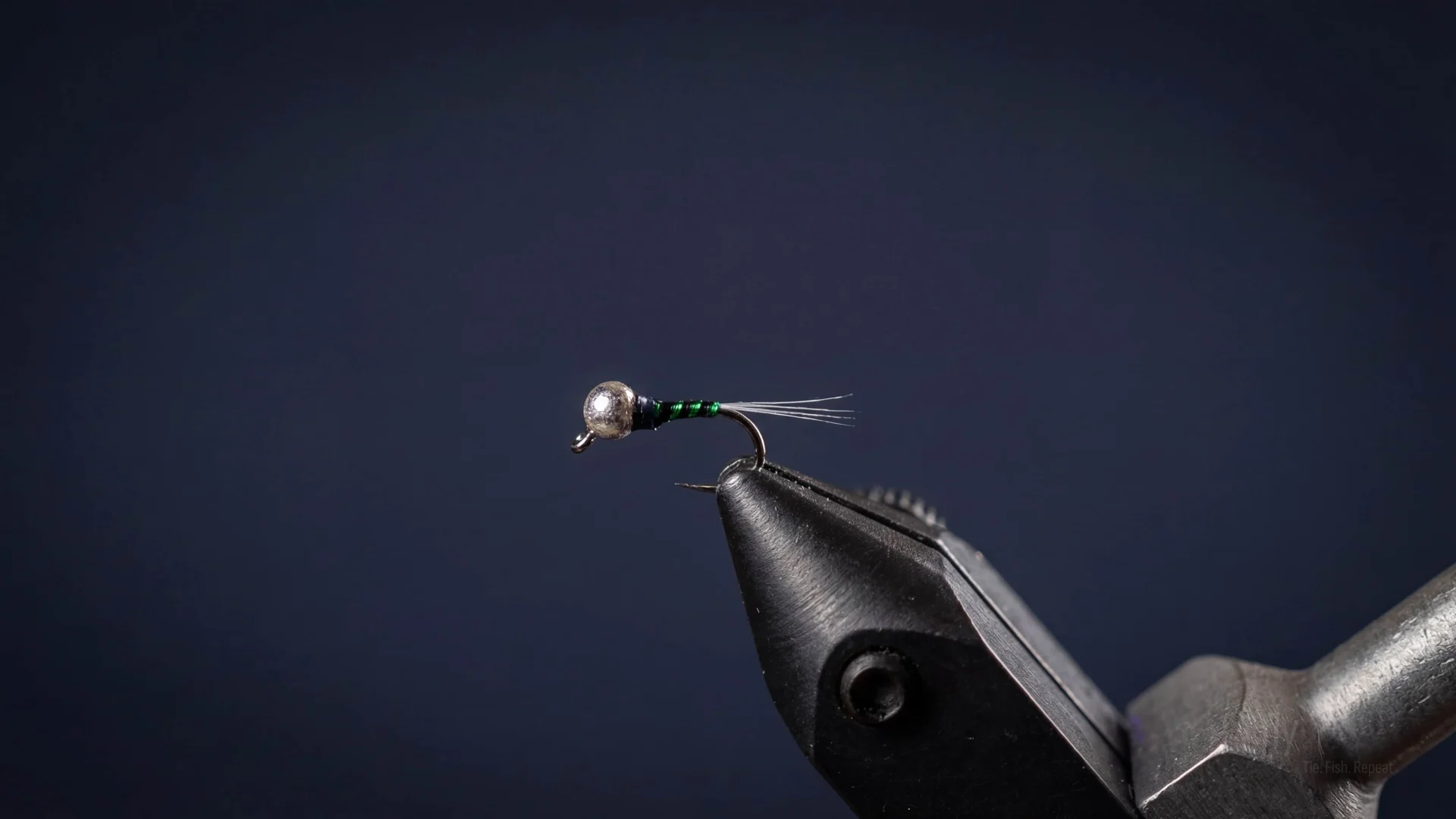
Designed by Cheech at Fly Fish Food, the Mini Perdigon addresses a common challenge in euro nymphing: finding truly small jig hooks. The Dohiku 302 is particularly interesting because it has a small bend near the eye but ties almost like a straight shank hook. This makes it easier to achieve clean proportions on tiny patterns. Tie this pattern in multiple sizes and colors to create a versatile selection that covers various midge presentations.
Materials
Hook: Umpqua XC210BL-BN Perdi-Jig Hook, size #20 (or Dohiku Hooks HDN 302, size #20)
Thread: UTC Ultrathread 70 Denier, black
Bead: Hanak Round+ Slotted Tungsten Beads, silver, 2.5mm
Tail: Whiting Coq De Leon Euro Nymph Tailing Pack, dark pardo
Rib: Perdigones Pearl Body, black (PBF-30)
Resin: Solarez UV Cure Resin, Bone Dry .5 Oz
Behavior & Presentation
Natural Behavior: Tiny larvae and pupae drift mid-column in faster flows, their minimal size making them nearly invisible except to feeding fish locked onto micro-prey.
Where Trout Eat It: Fish position near bottom in feeding lanes, systematically filtering small drifting organisms in water 2-5 feet deep.
How to Fish It: Euro-nymphing with sensitive sighter material detects subtle takes. The slim profile and heavy bead reach feeding depth rapidly in technical water.
Best Water: Target riffle edges with consistent flow, pocket water with broken currents, and seams where micro-prey concentrates in narrow feeding zones.
Strike Type: Subtle tap or slight hesitation in drift detected through tight line demands quick reaction.
Fishing Strategy
Rigging Suggestions: Fish on 9-12 foot leader with 5X-6X fluorocarbon tippet for subtle presentations. Use as point fly in euro rigs or as dropper below a slightly heavier anchor fly.
Seasonal Timing: , especially during midge activity in winter and early spring when these insects dominate the aquatic environment. Also productive during summer in high-elevation streams where midges hatch consistently.
Pro Tips: Sinks rapidly due to tungsten bead and minimal material bulk. The UV resin coating creates a smooth, durable shell that enhances sink rate.
Entomology
Midge larvae exhibit limited mobility once established in their preferred microhabitats, wiggling in place while filtering food particles but rarely venturing far from their anchor points. Their blood-red coloration in many species comes from hemoglobin adaptations allowing survival in low-oxygen environments, making them visually conspicuous against stream bottoms. Trout consume vast quantities of these tiny larvae during systematic bottom-feeding, compensating for their small size through volume.
- Order
- Diptera
- Family
- Chironomidae
- Common Name
- Midge
- Organism Type
- insect
- Life Stage
- larva