Dry FliesMidnight Stalker
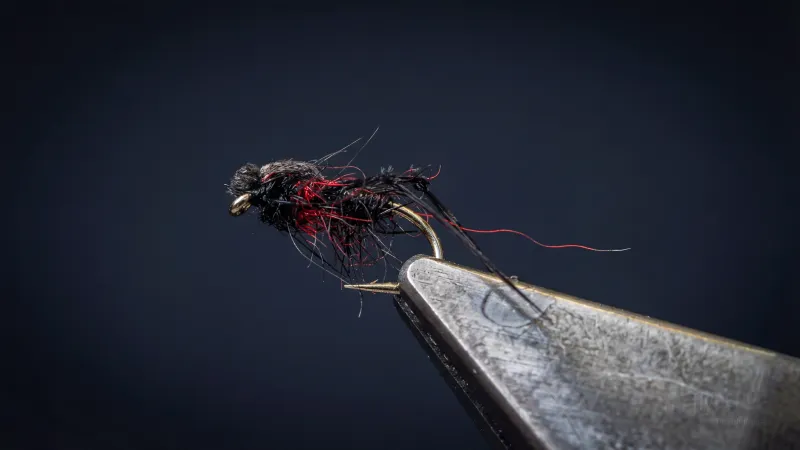
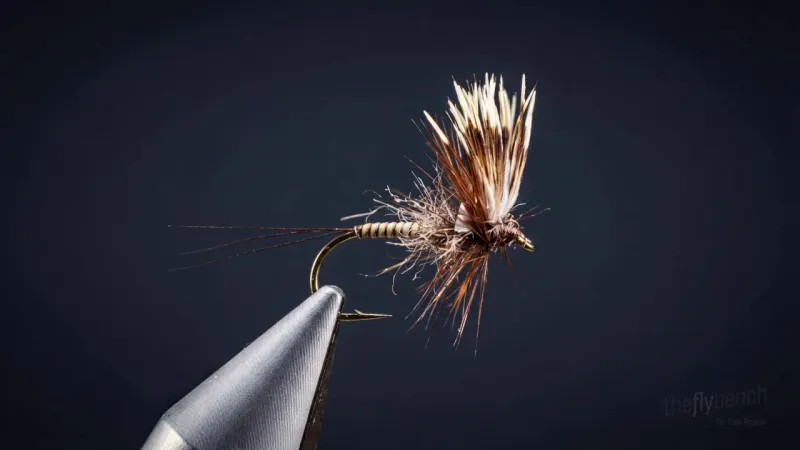
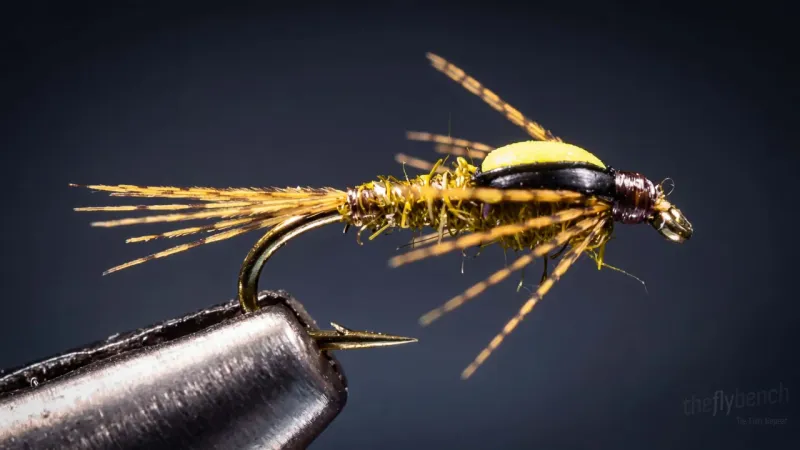
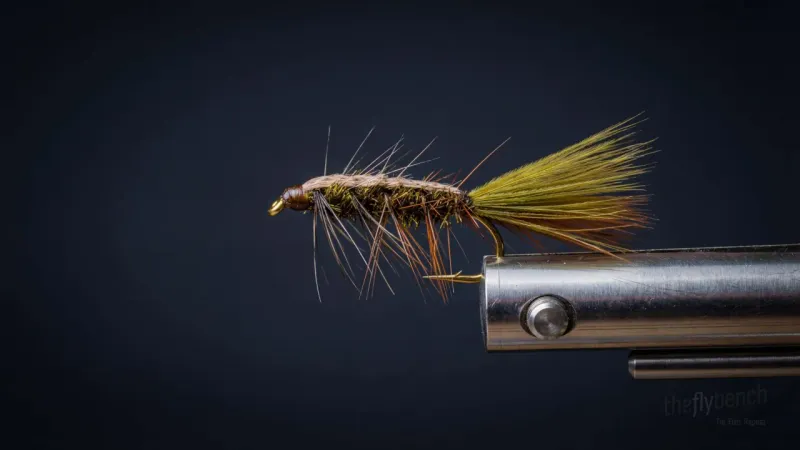
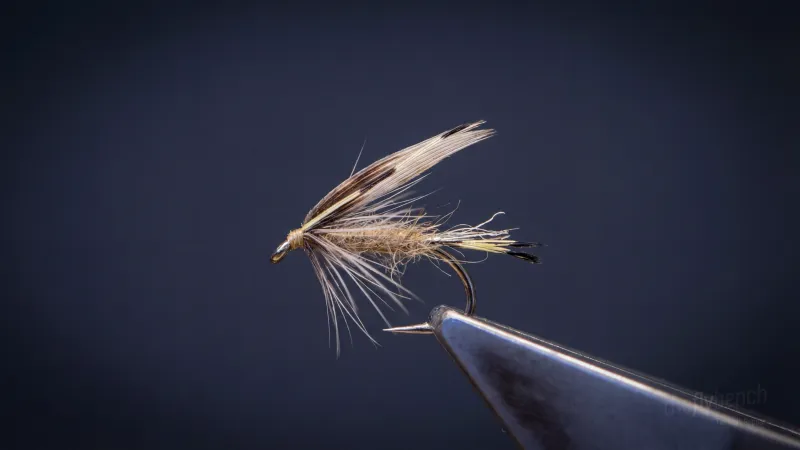
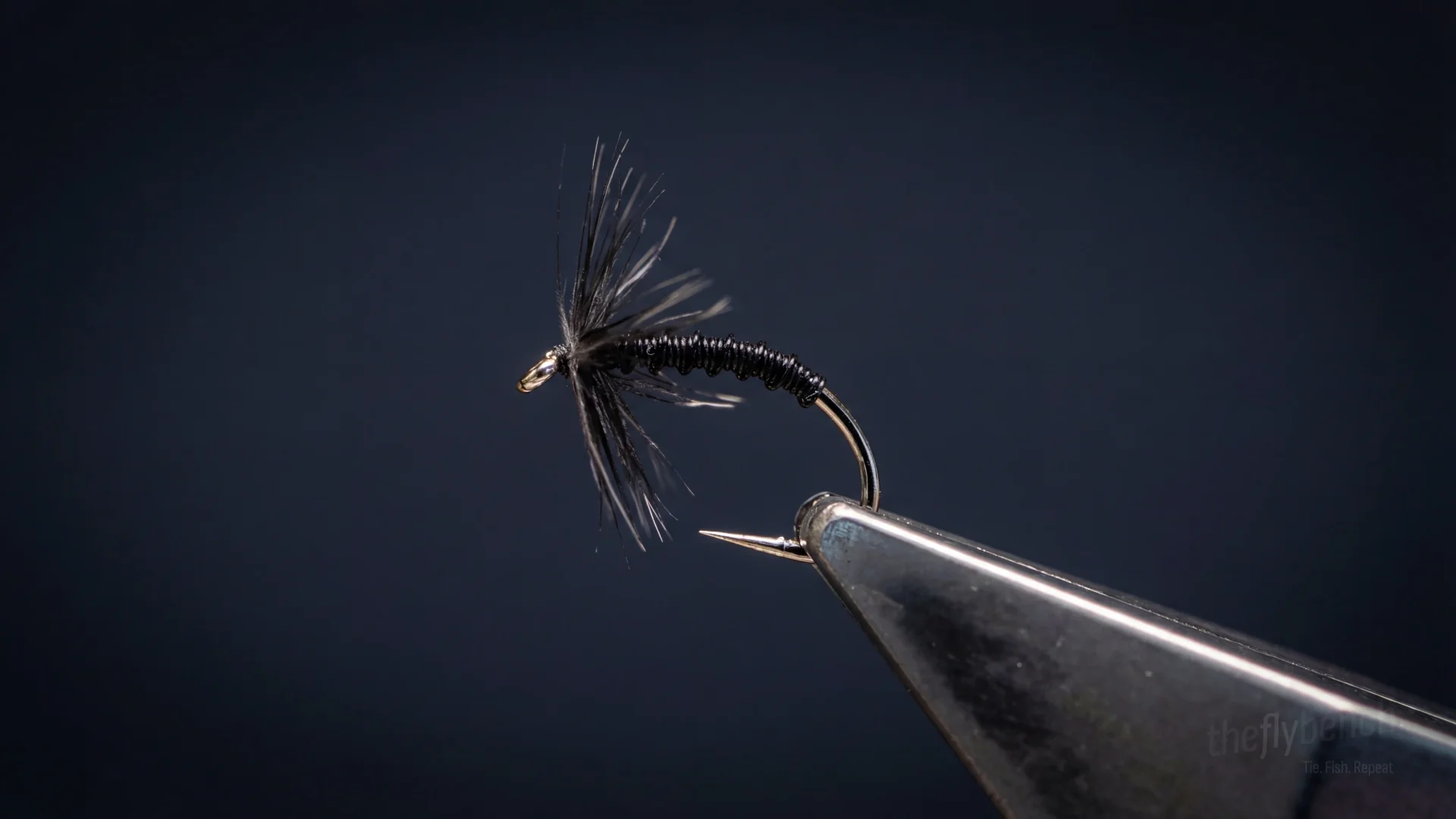
Midnight Stalker keeps things minimal: a single layer of black Ultra-Wire forms the body, ribbed with a finer strand of the same black wire, under a sparse starling hackle. Tied on a curved, medium-wire scud hook, it fishes as a slim subsurface pattern rather than a floater. Hans Weilenmann's design relies on the wire's segmentation and the starling's soft fibers to suggest a small dark insect.
Spring, Summer, Fall
Intermediate
Trout
Feb 2026
Overview
A single layer of black Ultra-Wire wraps the scud hook shank to form a slim, segmented body, with a finer strand of the same wire ribbed over it for extra definition. A sparse starling hackle is wound at the head, its soft, webby fibers pulsing with the slightest current or retrieve. The all-black color scheme and the wire's subtle sheen give the fly a dark, low-profile silhouette suited to imitating small emerging or drowned insects. Hans Weilenmann's pattern is built to be fished subsurface, swung or drifted deep for trout keying on dark, sparse offerings.
Where to Buy This Fly
We only link to fly shops we trust. Some links are referral links, which may earn us a commission at no extra cost to you.
Materials
- Hook:
- Scud hook, medium wire #14
- Thread:
- Benecchi 12/0, black
- Hackle:
- Starling
- Body:
- Ultra-wire, black, single layer
- Rib:
- Ultra-wire, fine, black
Behavior & Presentation
Natural Behavior: Dark-bodied adults drift on the surface during low-light periods, silhouettes enhanced against the dim sky. Evening and morning hatches concentrate dark insects.
Where Trout Eat It: Fish patrol feeding lanes targeting dark adults in the upper water column during dawn and dusk.
How to Fish It: Dead drift through prime zones during low-light periods when dark profiles are most visible.
Best Water: Slicks, tail-outs, seams, and foam lines during dawn, dusk, or night fishing.
Strike Type: Confident rises with visible takes as fish key on the dark silhouette against dim light.
Fishing Strategy
Rigging Suggestions: Use a 9-12 foot leader tapering to 5X tippet for delicate presentations. Apply floatant to the body and hackle.
Seasonal Timing: Most effective during peak feeding periods at dawn and dusk. Water temperatures between 45-65°F typically produce best results.
Pro Tips: The darker silhouette is particularly effective during spinner falls when trout key on spent insects in the film. Fish this pattern when standard lighter-colored dries are being refused.
Entomology
Caddisflies dance in mating swarms above the water at dusk, with individuals periodically dropping to the surface and creating spreading rings. Fish patrol beneath these congregations, intercepting fallen or exhausted insects that touch down during their aerial courtship.
- Order
- Trichoptera
- Common Name
- Caddisfly
- Organism Type
- insect
- Life Stage
- adult