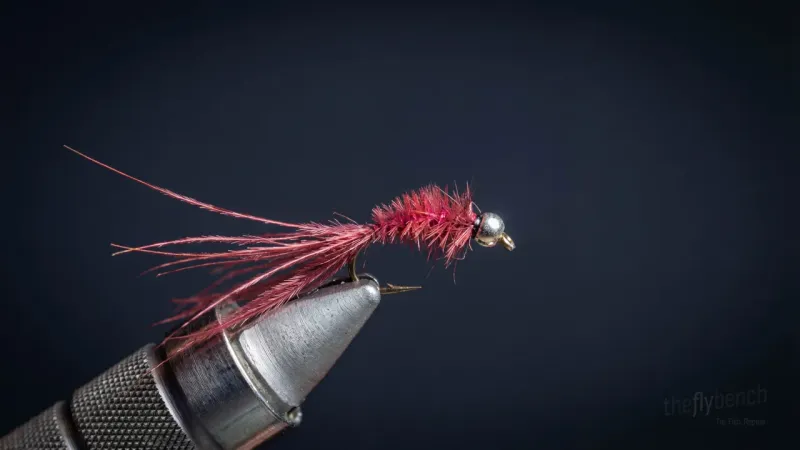
NymphCable Tie Craw
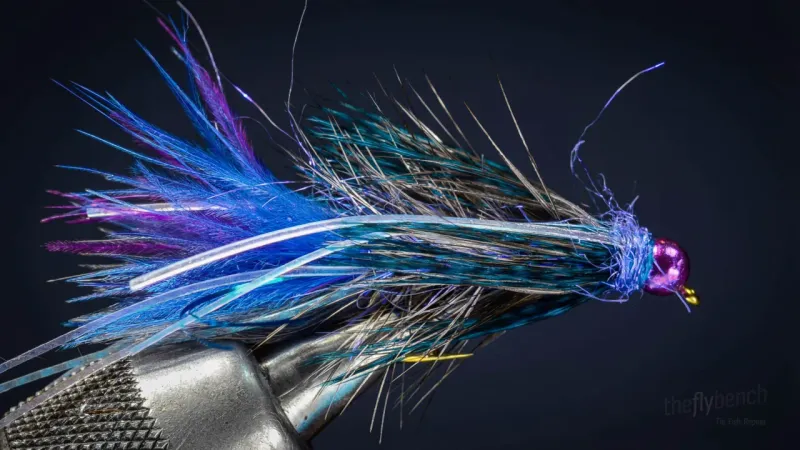
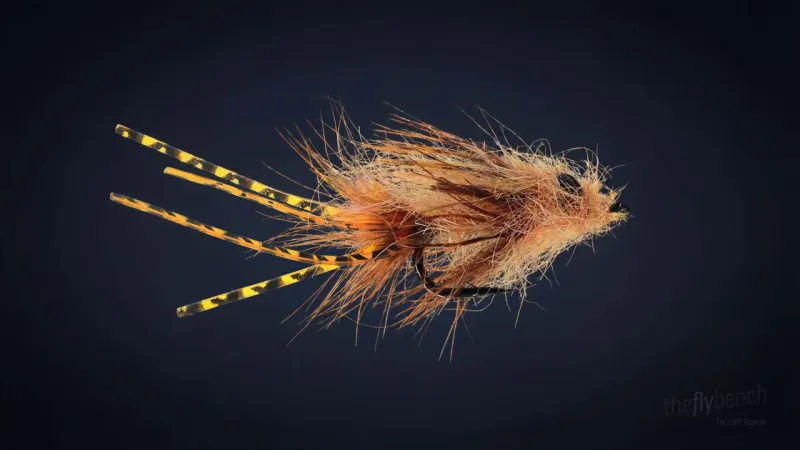
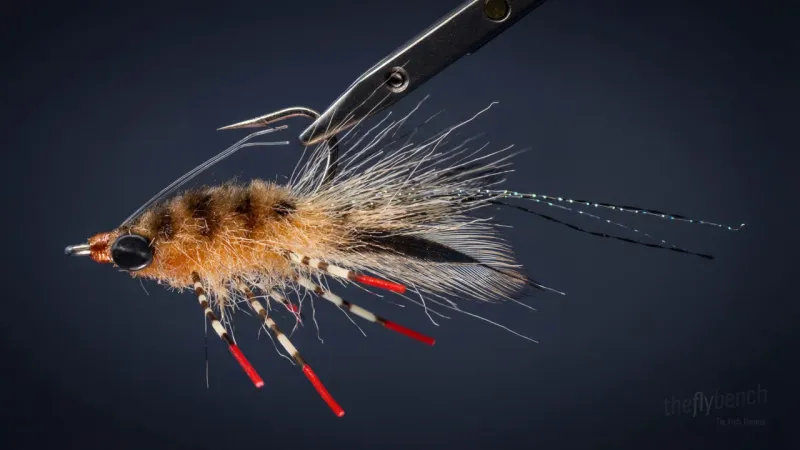
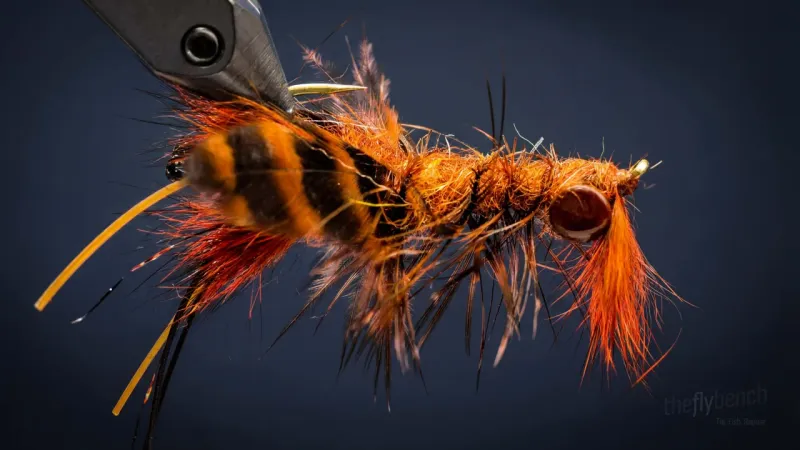
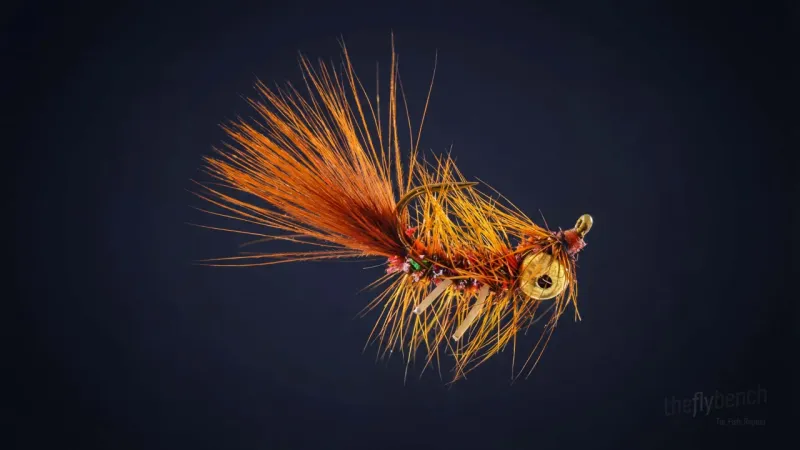
The Cable Tie Craw is a highly effective and eye-catching pattern designed to resemble a crawfish. Its realistic profile, combined with the movement of the materials used, make it irresistible for fish that are preying on crawfish.
Spring, Summer, Fall
Intermediate
Bass, Trout
Apr 2025
Overview
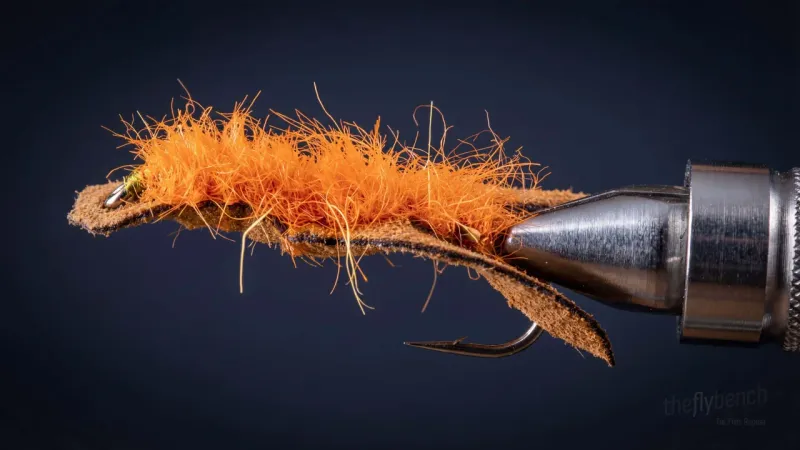
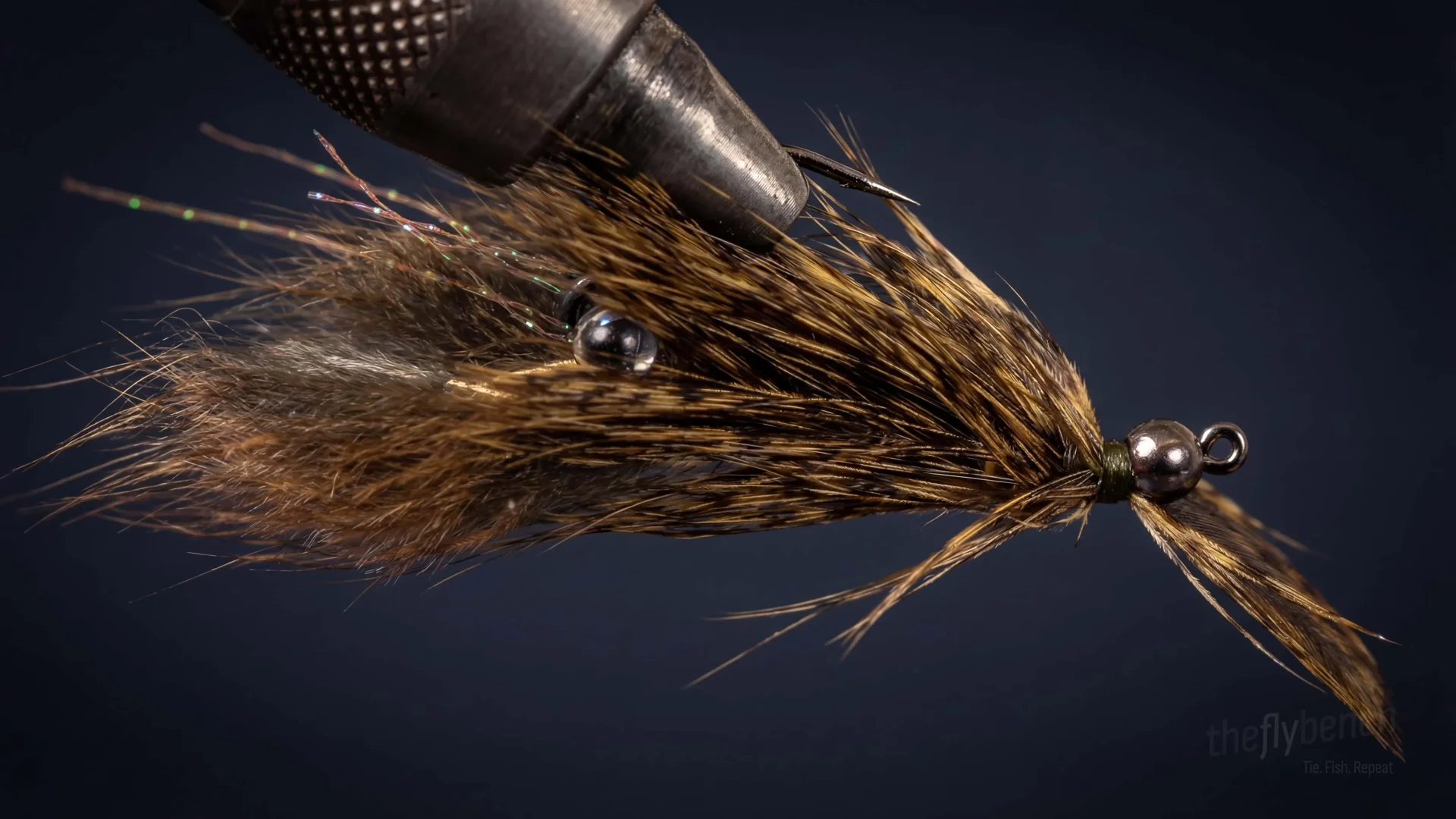
A realistic crawfish imitation that uses trimmed plastic cable ties as claws for an articulated, rugged profile. The body is typically wrapped with dubbing or chenille, with rubber legs and dumbbell eyes for weight. It's tied on a strong streamer hook or articulated shank and excels for bass and carp. Color it with markers for extra realism.
Where to Buy This Fly
We only link to fly shops we trust. Some links are referral links, which may earn us a commission at no extra cost to you.
Materials
- Hook:
- Tiemco 5262, size #6–#10
- Thread:
- UTC 140, color to match natural
- Body:
- Tan/Brown Cable Tie
- Legs:
- Sili legs, pumpkin/orange
- Weight:
- Lead wire, .025
- Shell:
- Solarez Thick Hard UV resin
- Eyes:
- Bead chain, black
- Antenna:
- Natural pheasant tail fibers
Behavior & Presentation
Natural Behavior: Crayfish defend their territory with raised claws but reverse-swim in rapid bursts when threatened. During molting periods, soft-shelled individuals become easy targets for opportunistic feeders.
Where Trout Eat It: Fish hunt this pattern along rocky bottoms, near ledges, and in boulder fields where crayfish inhabit crevices and defend territories.
How to Fish It: Use dead-drift nymphing with high-stick or tight-line techniques to keep the fly tumbling naturally along the bottom. Occasional lifts can imitate active swimming during emergence.
Best Water: Focus on pockets, seams, and riffle edges where current breaks create holding water. Work the tail-outs of pools and along current breaks near structure.
Strike Type: Watch your indicator stop abruptly or move upstream—bass and carp often grab crawfish patterns firmly and hold.
Fishing Strategy
Rigging Suggestions: Consider using a weighted line or adding split shot to ensure the fly sinks to the bottom.
Seasonal Timing: Best used during warmer months when crawfish are most active.
Pro Tips: The Cable Tie Craw is designed to sink and imitate a natural crawfish. The UV resin shell and bead chain eyes add weight, ensuring the fly sinks effectively.
Entomology
Crayfish defend territories aggressively, raising their claws in threat displays when approached, but quickly reverse-swim in rapid bursts when actual danger materializes. During molting periods, soft-shelled crayfish become especially vulnerable and are actively hunted by bass, trout, and carp that have learned to recognize the seasonal timing. The meaty tail and high protein content make crayfish among the most sought-after prey items in warmwater fisheries.
- Organism Type
- crustacean
- Life Stage
- general