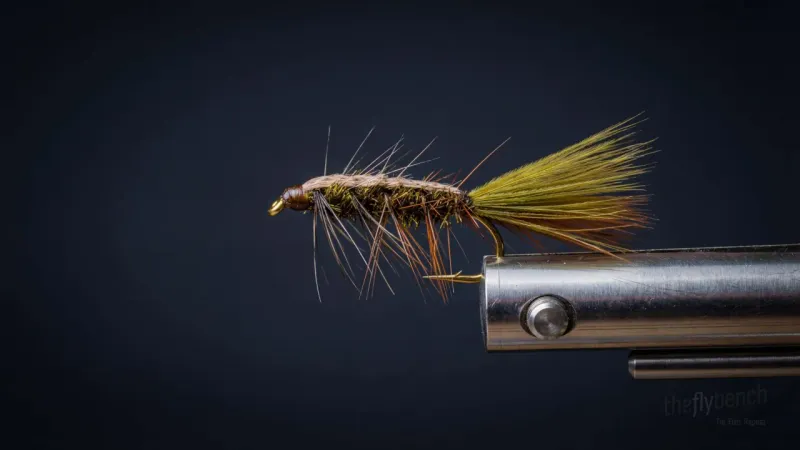
Dry FliesKlinkhammer
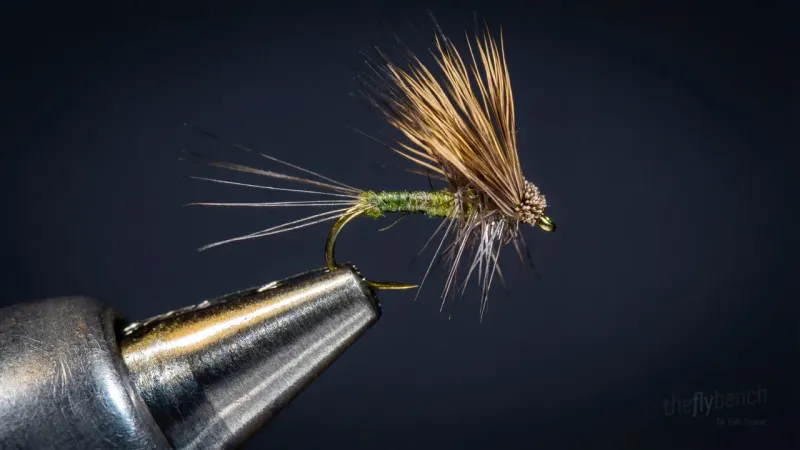
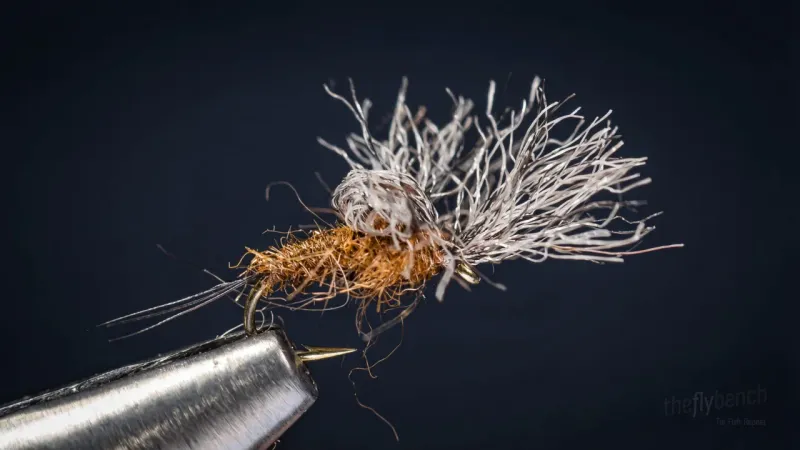
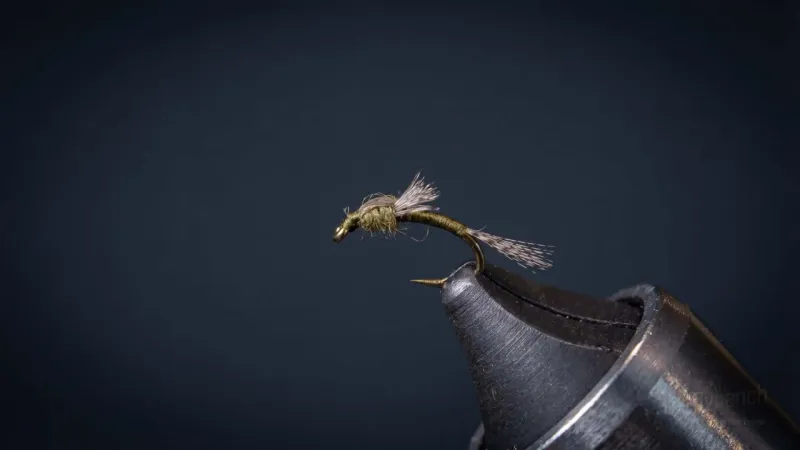
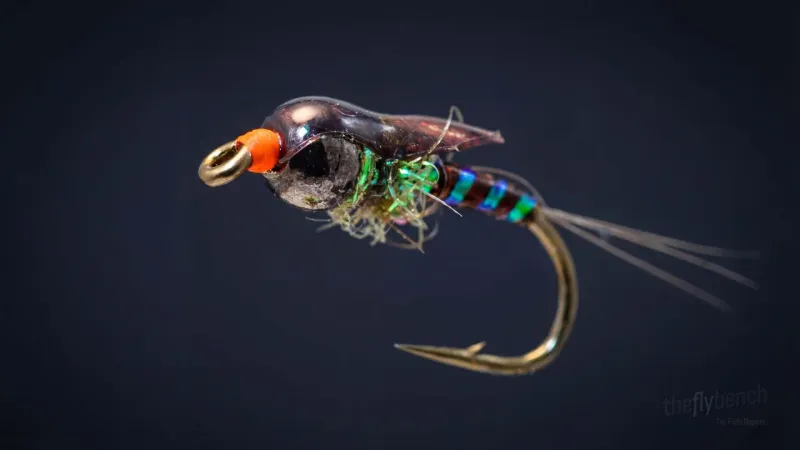
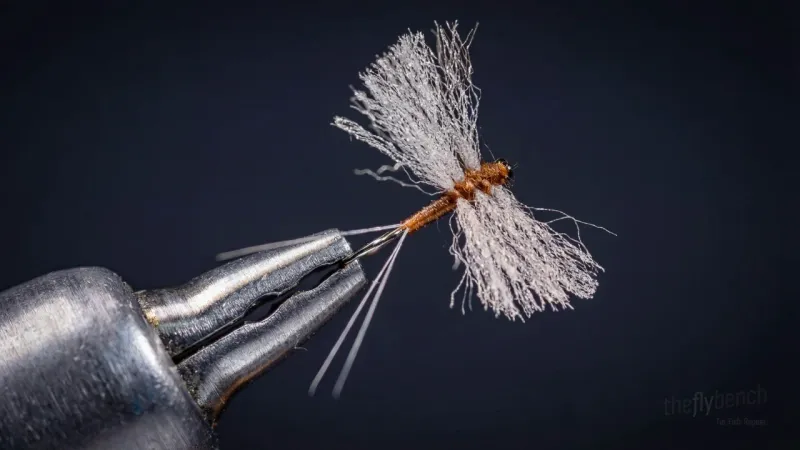
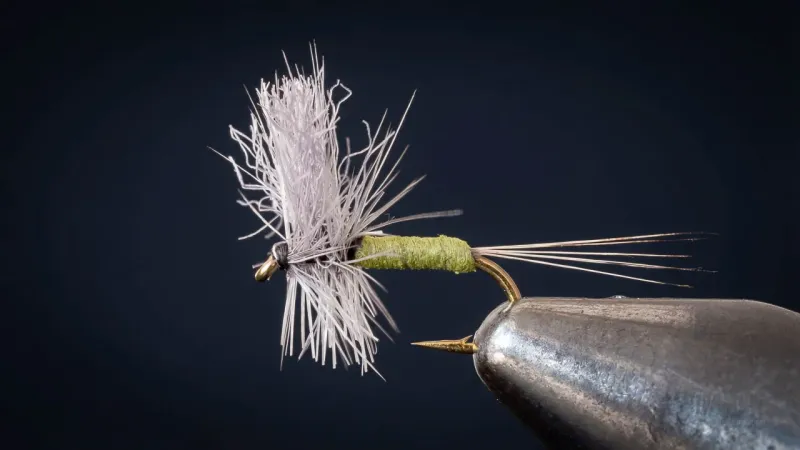
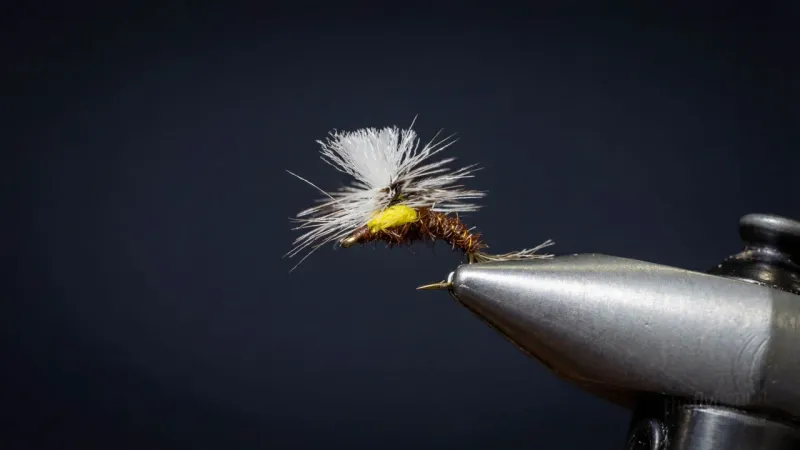
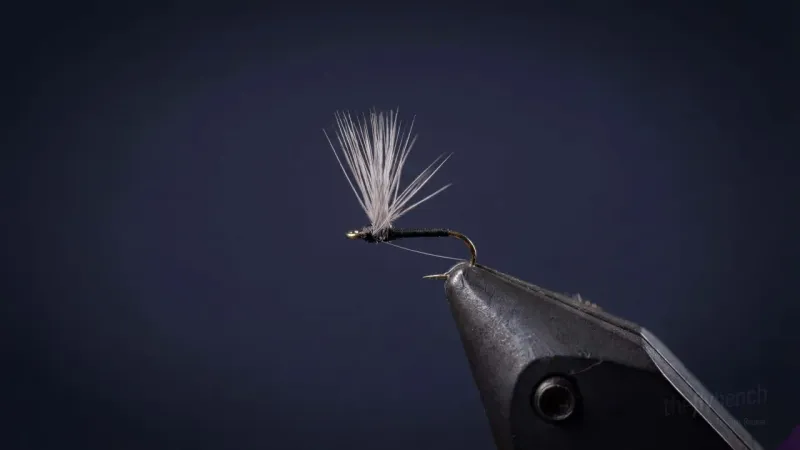
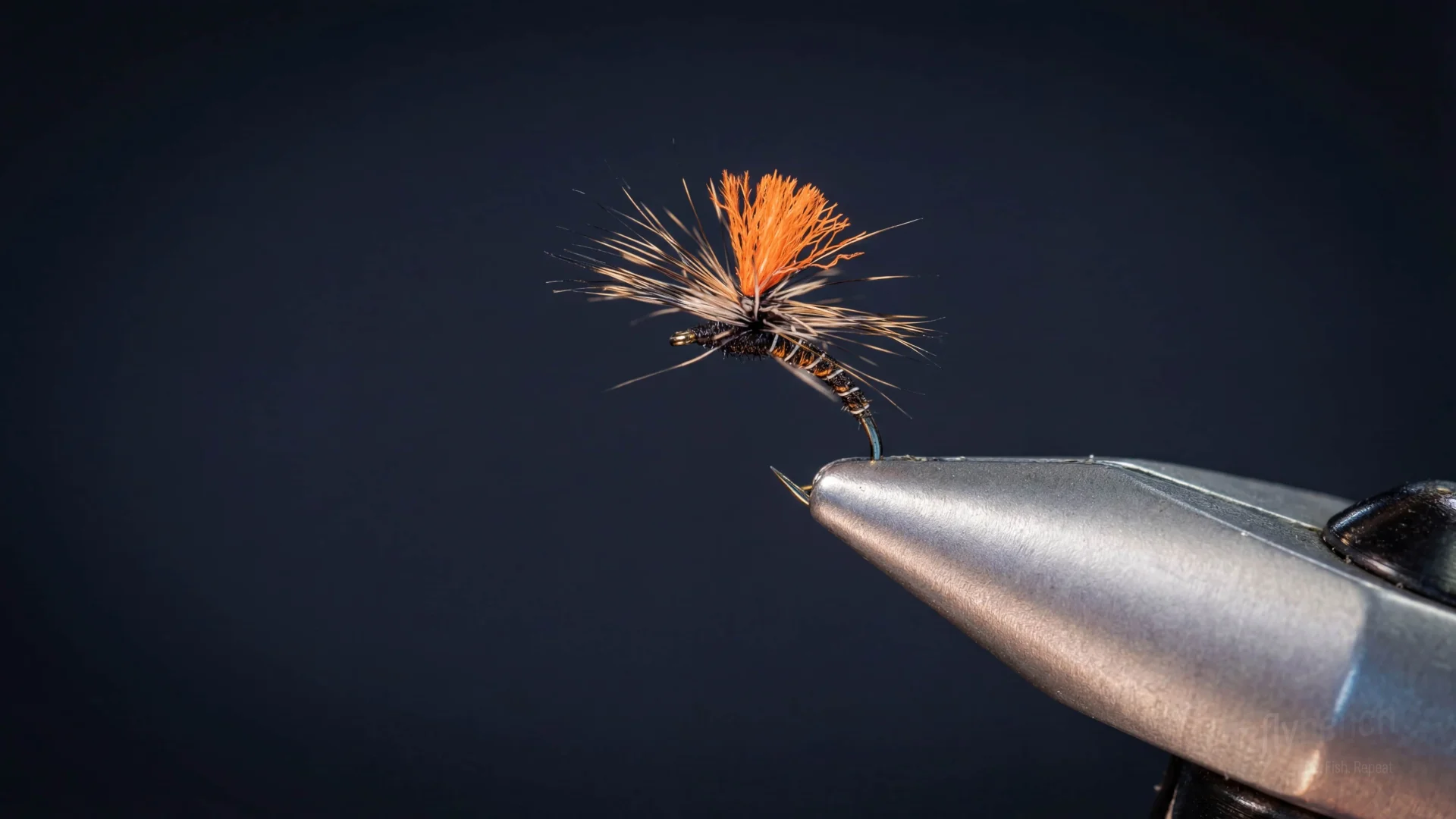
The Klinkhammer is a classic emerger pattern designed by Hans van Klinken that rides with the body suspended below the surface film while the hackle and thorax float on top. This unique profile perfectly imitates mayflies in the vulnerable moment of emergence. Available in Baetis and Zebra variations to match different hatches.
Spring, Summer, Fall
Intermediate
Trout
Dec 2025
Overview
The Klinkhammer was developed by Dutch tier Hans van Klinken and has become one of the most effective emerger patterns worldwide. The curved hook design allows the body to hang below the surface while the parachute hackle and thorax remain visible to the angler. Blue Ribbon Flies offers both Baetis and Zebra variations to cover different hatch situations.
Where to Buy This Fly
We only link to fly shops we trust. Some links are referral links, which may earn us a commission at no extra cost to you.
Materials
- Hook:
- Daiichi 1167, #16-20
- Thread:
- Uni-Thread, 8/0, olive dun (Baetis) or black (Zebra)
- Rib:
- Ultra Wire, extra small, copper (Baetis) or silver (Zebra)
- Thorax:
- Superfine Dubbing, grey olive (Baetis) or black (Zebra)
- Hackle:
- Dun dry fly hackle (Baetis) or grizzly (Zebra)
Behavior & Presentation
Natural Behavior: Mayflies transition from nymph to adult while partially trapped in the surface meniscus, thorax breaking upward while abdomen remains submerged. This awkward half-submerged posture makes them conspicuous and defenseless. Extended vulnerability during emergence makes them priority targets for cruising fish.
Where Trout Eat It: Fish intercept emergers in the surface film along seams, foam lines, eddies, and feeding lanes where mayflies accumulate during hatches.
How to Fish It: Dead drift in the film where the pattern automatically assumes correct emergence position with body hanging below surface.
Best Water: Focus on seams, foam lines, eddies, and feeding lanes where emergers collect during mayfly hatches.
Strike Type: Visible sips or bulges indicating subsurface film feeding on emergers.
Fishing Strategy
Rigging Suggestions: Fish on 10-12 foot leader with 5X-6X tippet. The unique hook design makes hook-ups reliable when fish take the fly.
Seasonal Timing: Effective throughout the mayfly season from March through October. The Baetis version excels during BWO hatches, while the Zebra version works as an attractor during various emergences.
Pro Tips: The body naturally hangs below the surface, creating the ideal emerger profile without any additional weight.
Entomology
Mayfly emergers transition from subsurface nymph to surface adult while partially trapped in the meniscus, with their thorax breaking through while the abdomen remains submerged. This awkward half-in, half-out posture makes them conspicuous and defenseless targets for cruising fish.
- Order
- Ephemeroptera
- Common Name
- Mayfly
- Organism Type
- insect
- Life Stage
- emerger