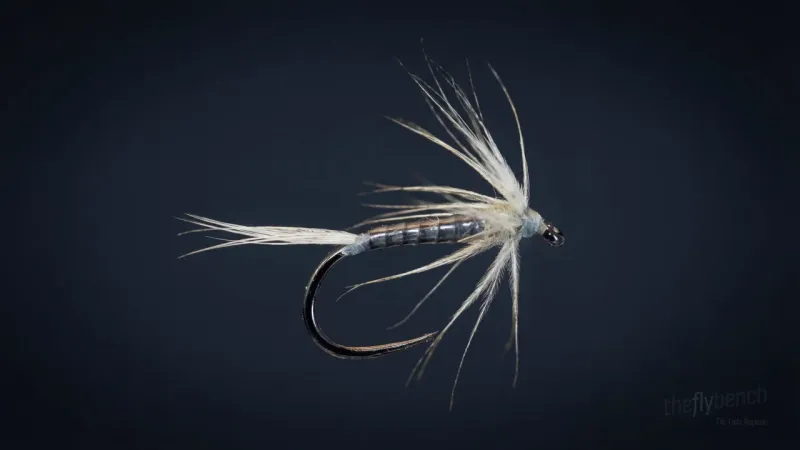
Dry FliesKlipspringer Cripple Mayfly
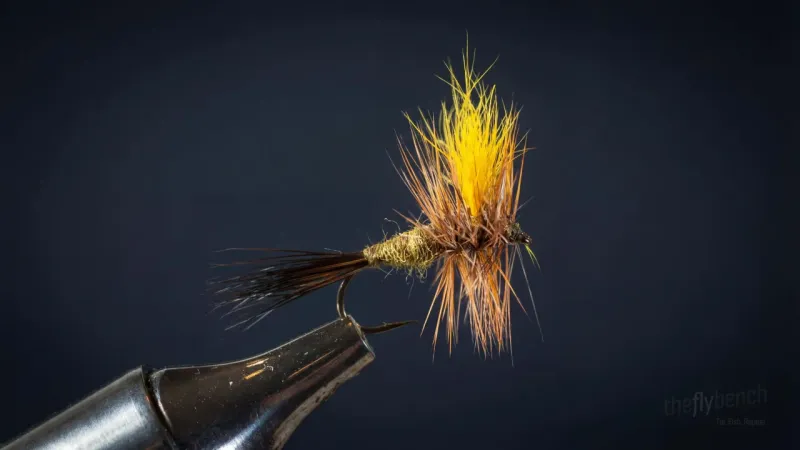
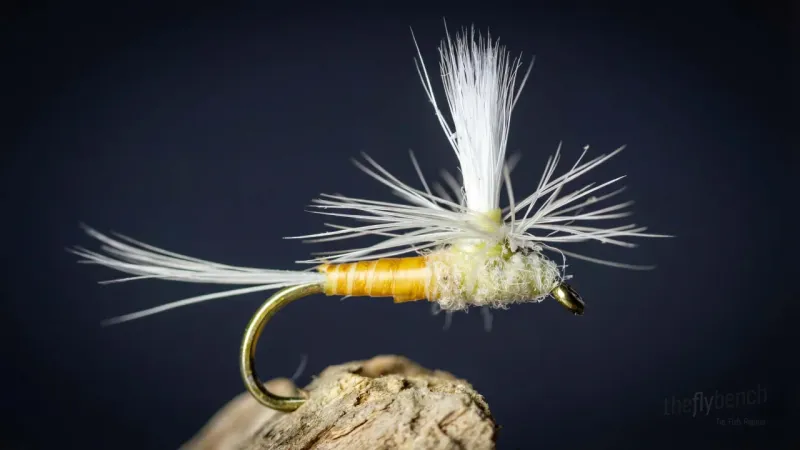
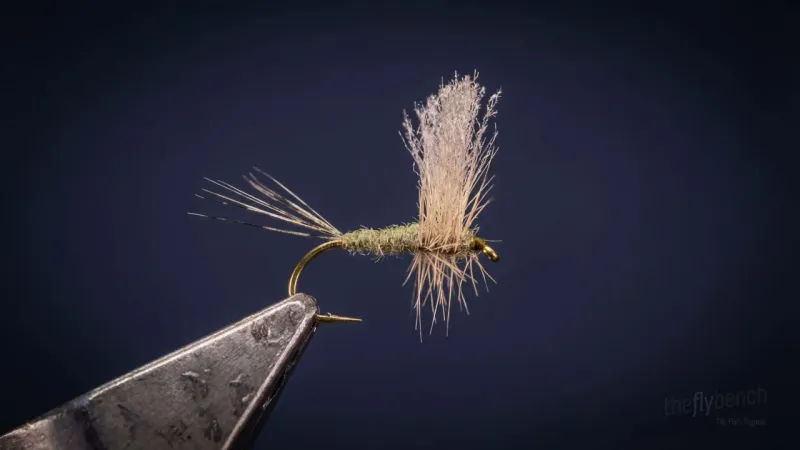
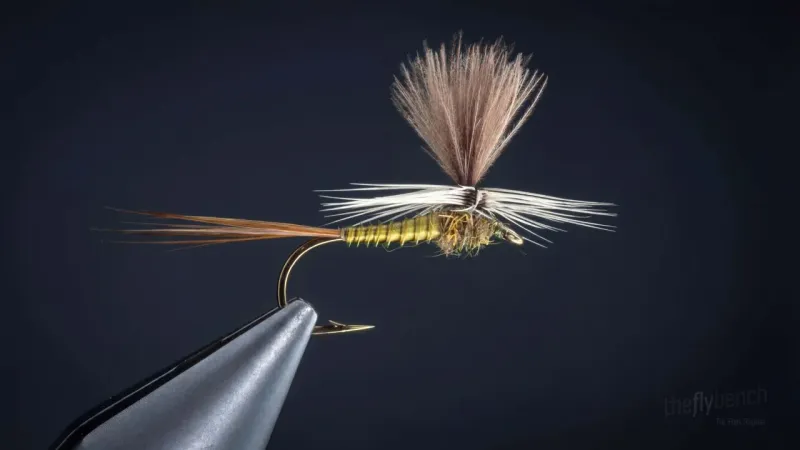
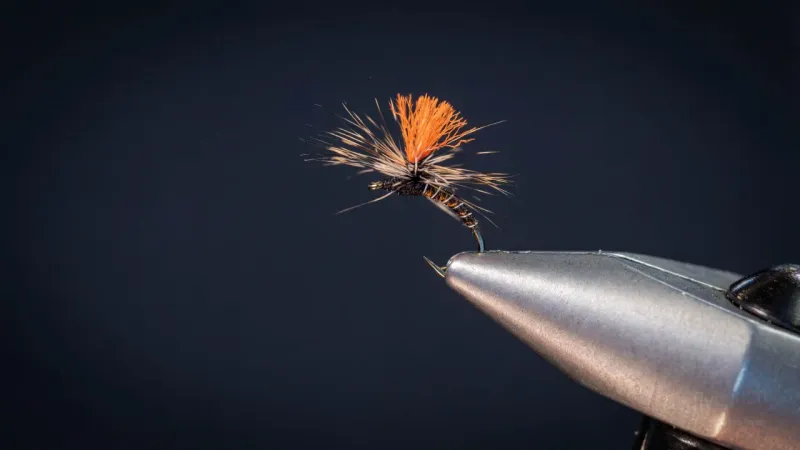
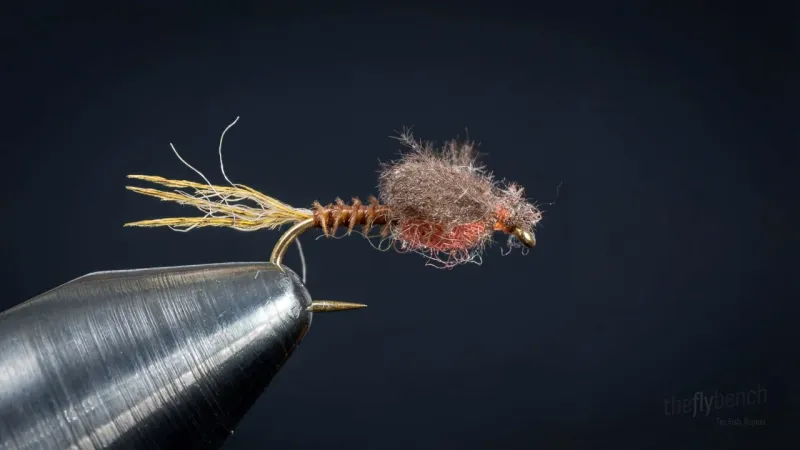
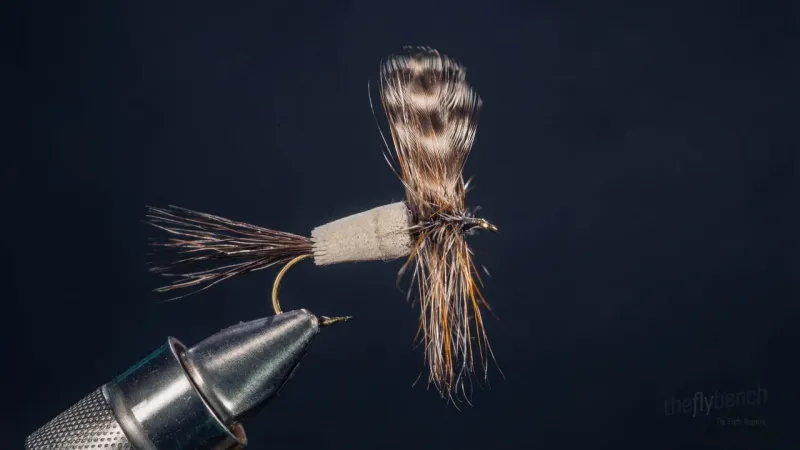
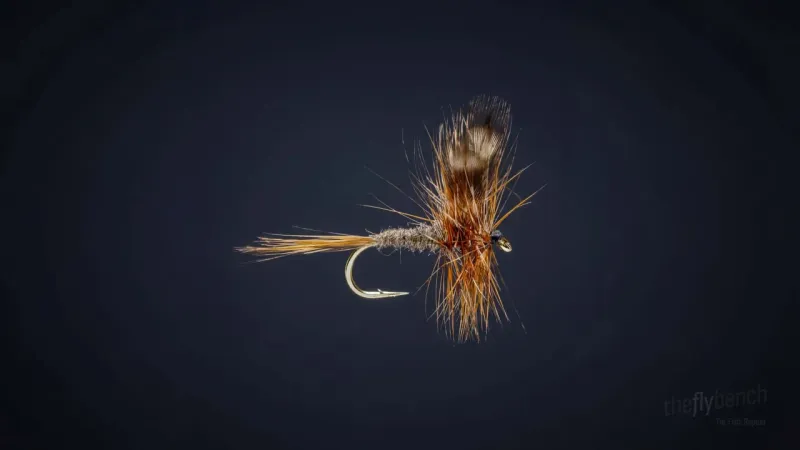
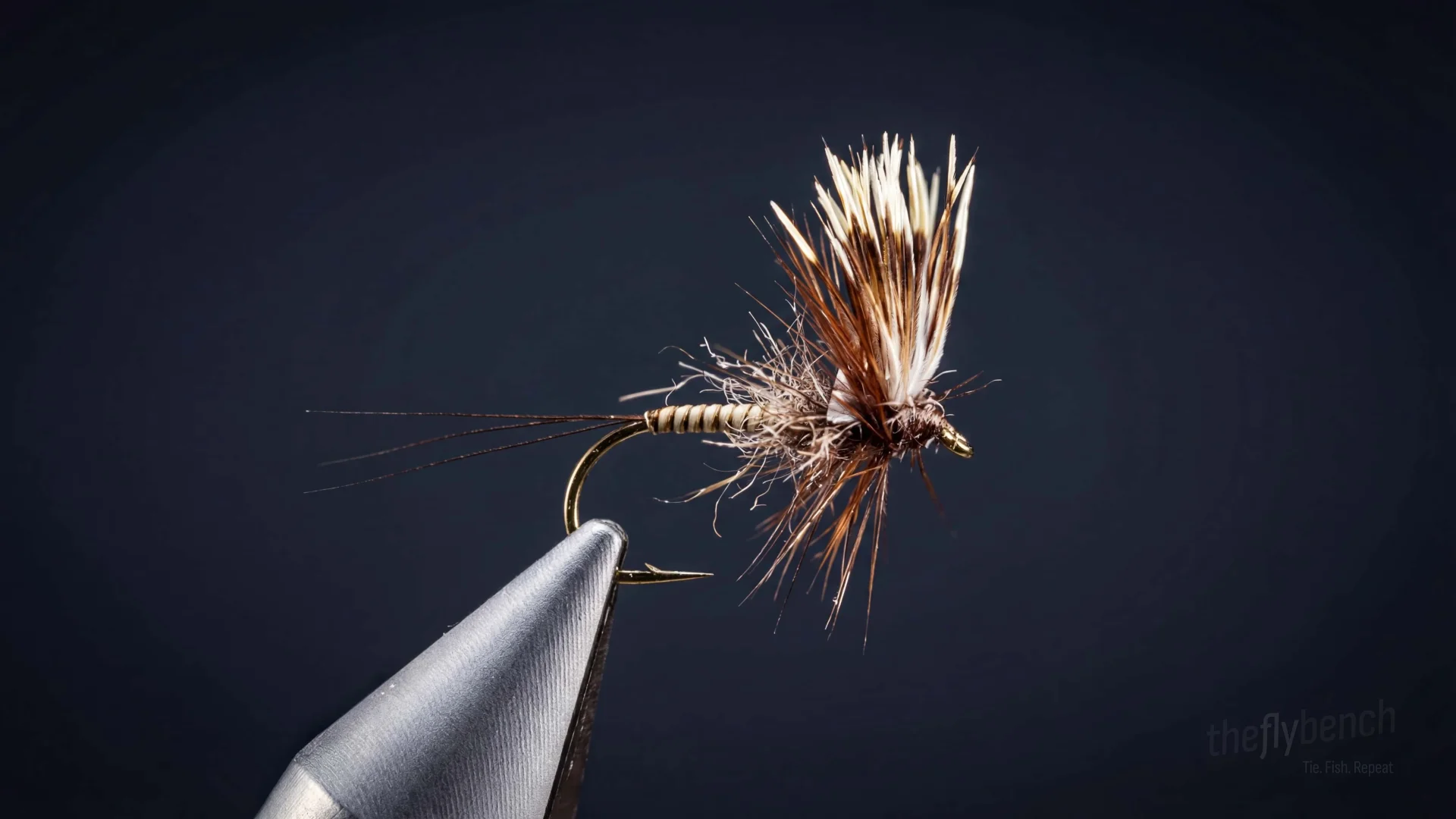
The Klipspringer Cripple Mayfly is an elementary cripple/stillborn mayfly pattern designed for super selective trout. The defining feature is the use of klipspringer hair for the wing, though regular deer hair can be substituted. This pattern imitates a mayfly struggling to emerge from its shuck—a vulnerable stage that selective trout find irresistible.
Spring, Summer, Fall
Intermediate
Trout
Dec 2025
Overview
Klipspringer is a small African antelope whose hair has unique properties for fly tying—hollow and buoyant with excellent stacking characteristics. Barry Ord Clarke uses this exotic material to create a wing that provides superior floatation compared to standard deer hair. However, the pattern works well with regular deer hair if klipspringer is unavailable. The cripple design sits low in the film with the trailing shuck representing the nymphal case the mayfly is shedding.
Where to Buy This Fly
We only link to fly shops we trust. Some links are referral links, which may earn us a commission at no extra cost to you.
Materials
- Hook:
- Mustad C49S, size #10–#16
- Thread:
- Sheer 14/0, grey or olive
- Trailing Shuck:
- White para post or Z-lon
- Tail:
- Wood duck flank fibers
- Abdomen:
- Turkey biot
- Wing:
- Klipspringer hair (or deer hair)
- Thorax:
- Peacock herl
- Hackle:
- Chocolate dun or grizzle
Behavior & Presentation
Natural Behavior: Mayfly emergers become trapped in the surface film when their wings fail to fully unfold, leaving them struggling helplessly as half-submerged cripples unable to escape or dive. Trout key on these disabled insects because they remain stationary in feeding lanes far longer than healthy adults, offering prolonged feeding opportunities with minimal energy expenditure.
Where Trout Eat It: Selective trout sip this in the surface film during mayfly hatches when crippled emergers become trapped with partially emerged wings.
How to Fish It: Use 12-foot or longer leaders tapered to 5X-7X for delicate presentation. Apply floatant only to the wing, allowing the body to ride low in the film.
Best Water: European spring creeks and flat water where selective trout key on cripples during Baetis and PMD emergences.
Strike Type: Selective fish inhale the klipspringer wing with barely visible head movements as they feed confidently on trapped cripples; respond with minimal rod movement to set delicate hooks without disturbing technical presentations.
Fishing Strategy
Rigging Suggestions: Use 12-foot or longer leaders tapered to 5X–7X tippet. Presentation must be delicate—pile casts or reach casts help achieve drag-free drifts.
Seasonal Timing: , summer, and fall mayfly hatches. Particularly productive during Baetis, PMD, and other mayfly emergences when trout become selective.
Pro Tips: Rides low in the surface film like a natural cripple. Apply floatant only to the wing.
Entomology
Mayfly emergers become trapped in the surface film when their wings fail to fully unfold, leaving them struggling helplessly as half-submerged cripples unable to escape or dive. Trout key on these disabled insects because they remain stationary in feeding lanes far longer than healthy adults, offering prolonged feeding opportunities with minimal energy expenditure.
- Order
- Ephemeroptera
- Common Name
- Mayfly
- Organism Type
- insect
- Life Stage
- emerger