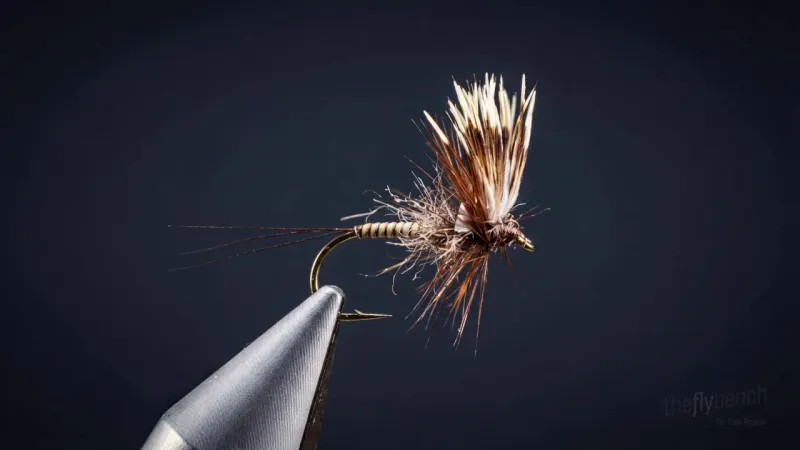
Dry FliesPFD Parachute
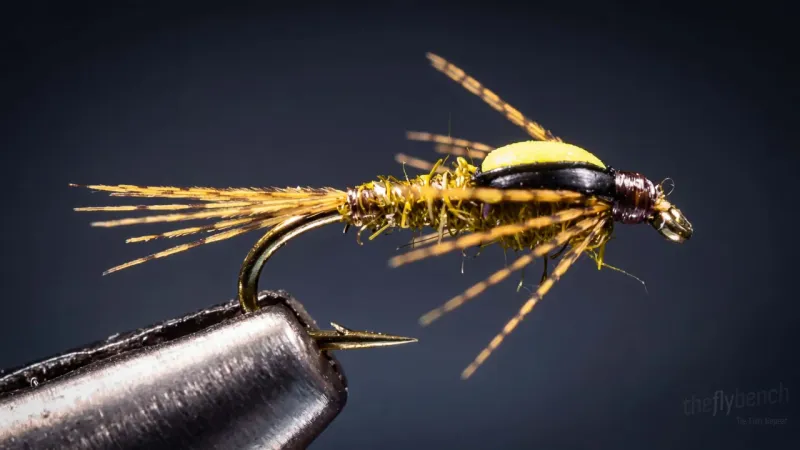
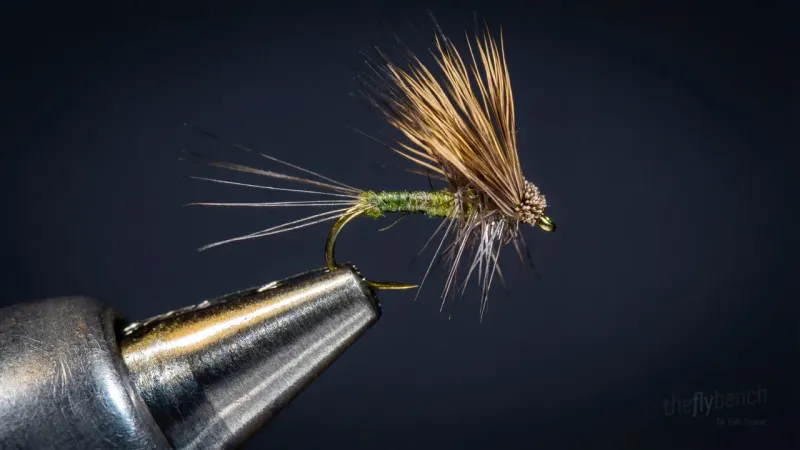
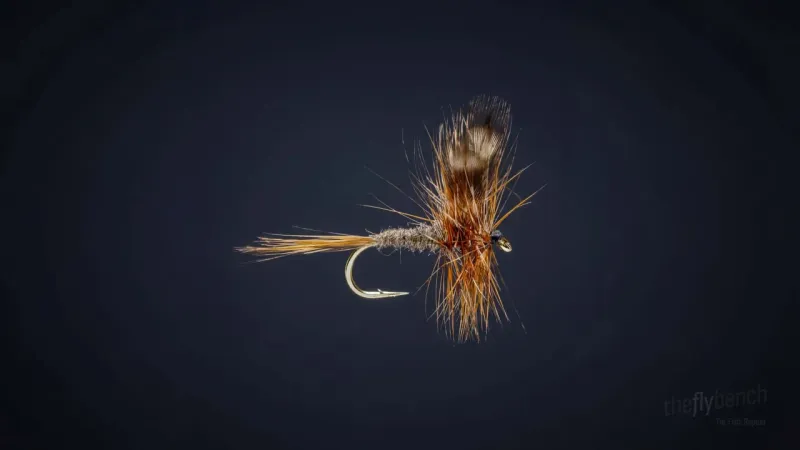
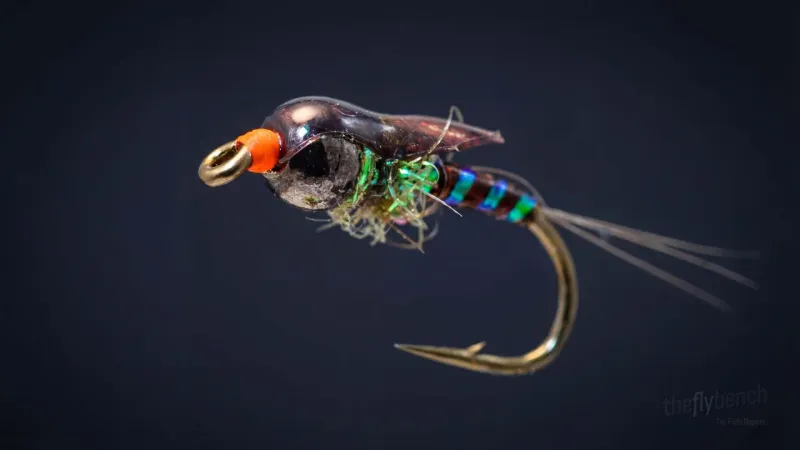
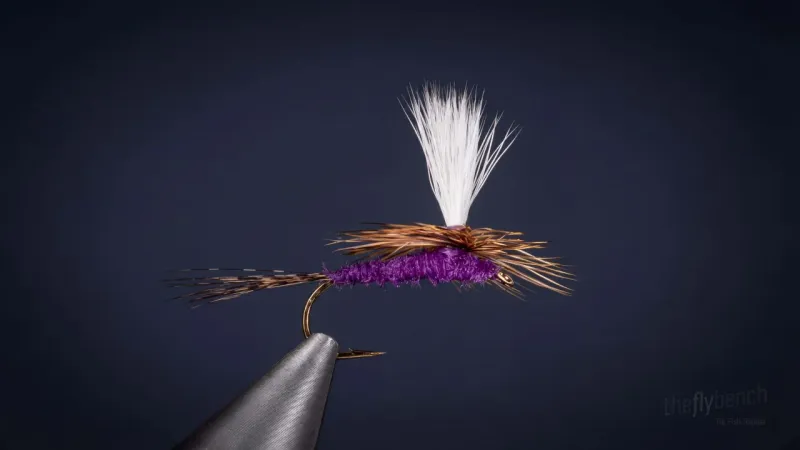
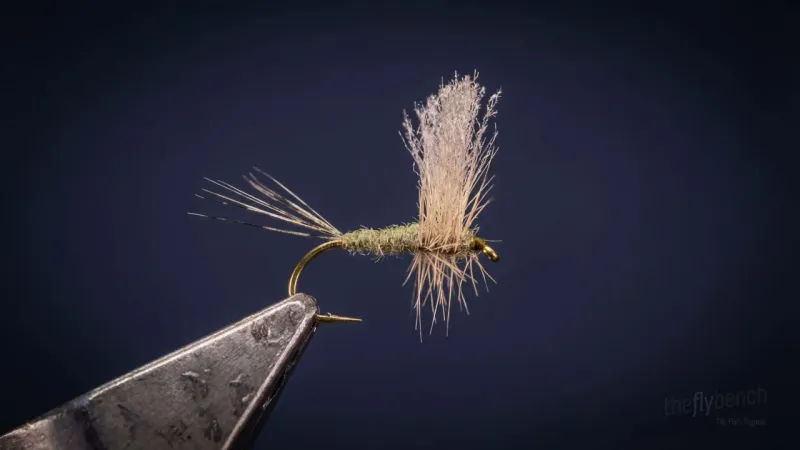
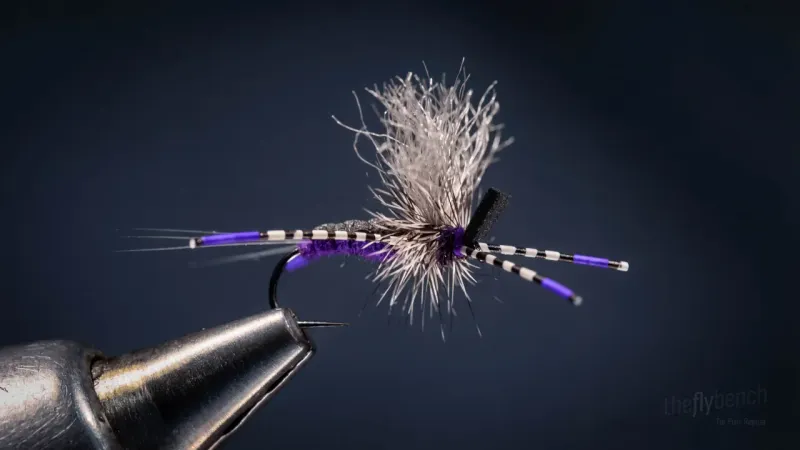
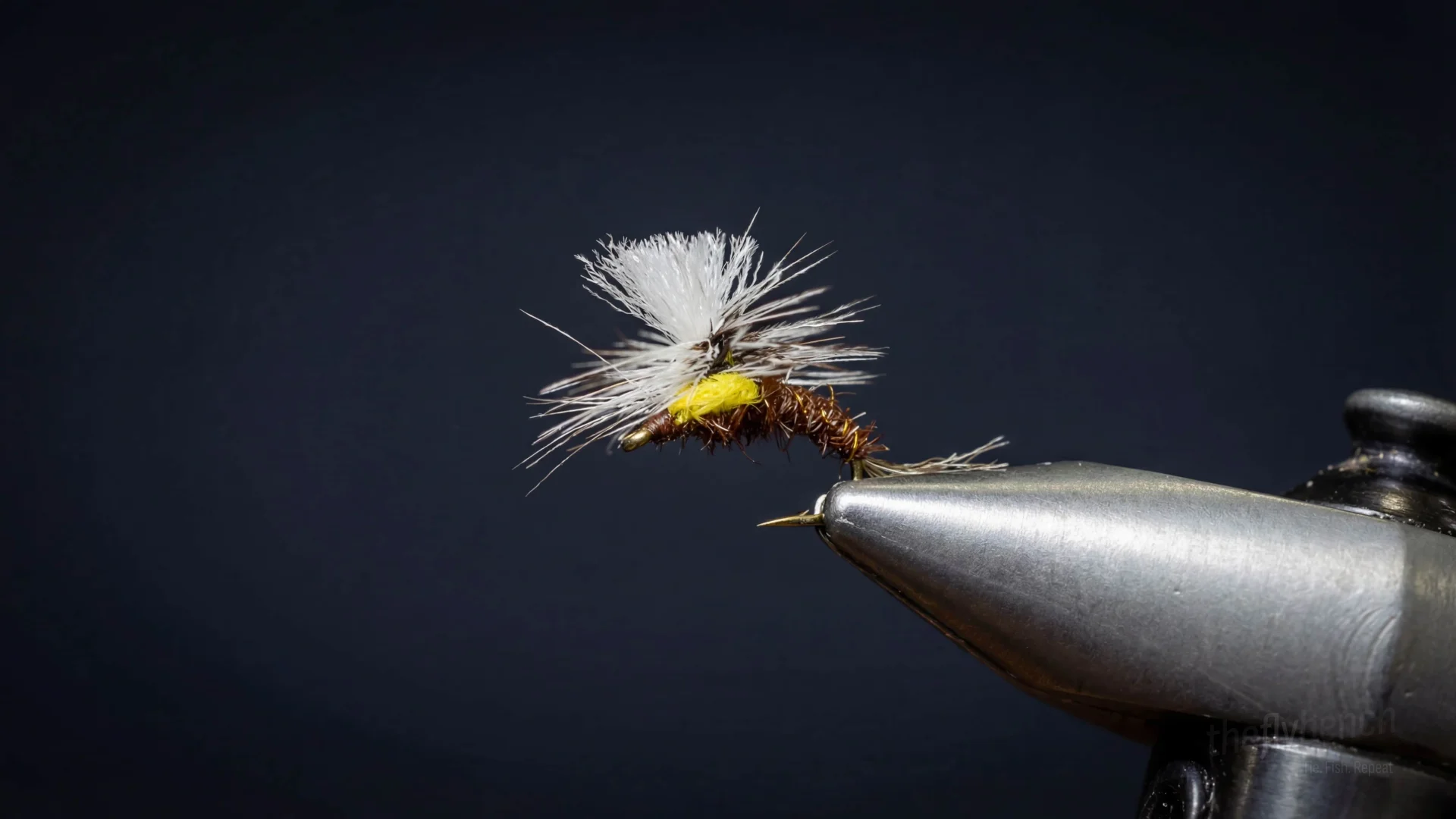
The PFD Parachute (Personal Flotation Device) is an innovative emerger pattern that uses a small foam pad to keep the fly suspended in the surface film. Available in Brown/Yellow for PMD hatches and Baetis variations, this pattern combines parachute visibility with emerger effectiveness. The trailing shuck and dubbing body create a realistic mayfly emerger profile.
Spring, Summer, Fall
Intermediate
Trout
Dec 2025
Overview
The PFD Parachute was developed at Blue Ribbon Flies as a solution to emerger patterns that sink after a few fish. The foam "personal flotation device" keeps the fly riding correctly in the film while maintaining the emerger profile. Available in PMD and Baetis color schemes to match the most common mayfly hatches.
Materials
Hook: Tiemco 2488, #14-20
Thread: Semperfli Classic Waxed, 8/0, brown (PMD) or Uni-Thread, 8/0, rusty dun (Baetis)
Shuck: Crinkled Zelon, mayfly brown
Abdomen: Zelon Dubbing, PMD emerger (PMD) or Superfine Dubbing, grey olive (Baetis)
Rib: Ultra Wire, extra small, copper (PMD only)
Foam: Fly Foam, 2mm, yellow (PMD) or Razor Foam, 1mm, translucent dun (Baetis)
Post: Polypro Floating Yarn, white
Hackle: Grizzly (PMD) or medium dun (Baetis) dry fly hackle
Behavior & Presentation
Natural Behavior: Mayfly duns emerge through the film, riding the surface as wings dry and bodies harden. Their upright posture and extended tails create conspicuous profiles that trigger selective feeding during concentrated hatches.
Where Trout Eat It: Trout target this versatile parachute pattern in feeding lanes, seams, and tail-outs where mayflies, caddis, and midges concentrate in the surface film. The parachute hackle allows the fly to sit more in the film than on top of it, creating a natural emerger silhouette that selective fish key on.
How to Fish It: Dead drift with drag-free presentations, reapplying floatant every 20-30 minutes for best visibility and flotation. Use as a sighting fly with a smaller pattern 6-10 inches behind, or fish alone with gentle casts and minimal disturbance on flat water.
Best Water: Most productive in tail-outs, foam lines, and seams where surface insects concentrate. The stable parachute design excels in technical spring creeks and tailwaters with selective trout feeding in glassy runs and back eddies.
Strike Type: Expect deliberate rises ranging from quiet sips to confident splashes depending on hatch density.
Fishing Strategy
Rigging Suggestions: Fish on 10-15 foot leader with appropriate tippet for size (5X for PMD, 6X-7X for Baetis). The white post makes tracking easy. No floatant needed on the foam.
Seasonal Timing: The PMD version is most effective from May through July, while the Baetis version excels during BWO hatches. Both versions work throughout their respective hatch seasons.
Pro Tips: Excellent visibility from the white polypro post. The foam pad provides unsinkable floatation while maintaining an emerger profile.
Entomology
Newly emerged mayfly duns sit motionless on the surface while their wings dry, riding currents for extended periods in completely exposed positions. Trout capitalize on this helpless stage because the insects cannot escape, creating reliable feeding opportunities during predictable hatch events.
- Order
- Ephemeroptera
- Common Name
- Mayfly
- Organism Type
- insect
- Life Stage
- adult