Dry FliesHair Wing Dun
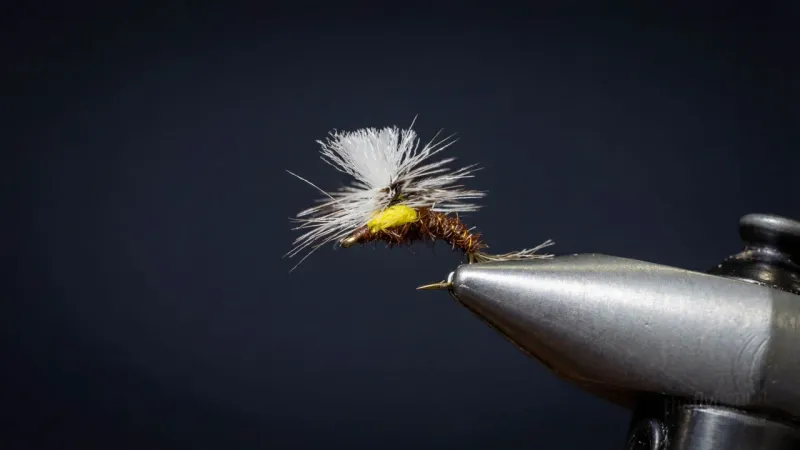
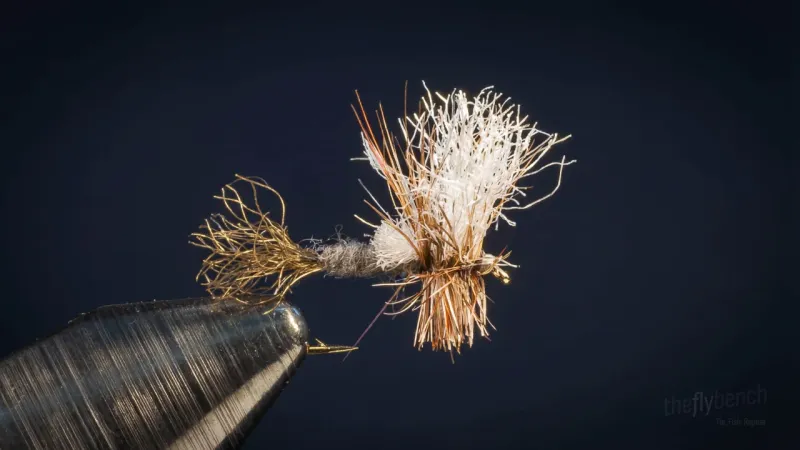
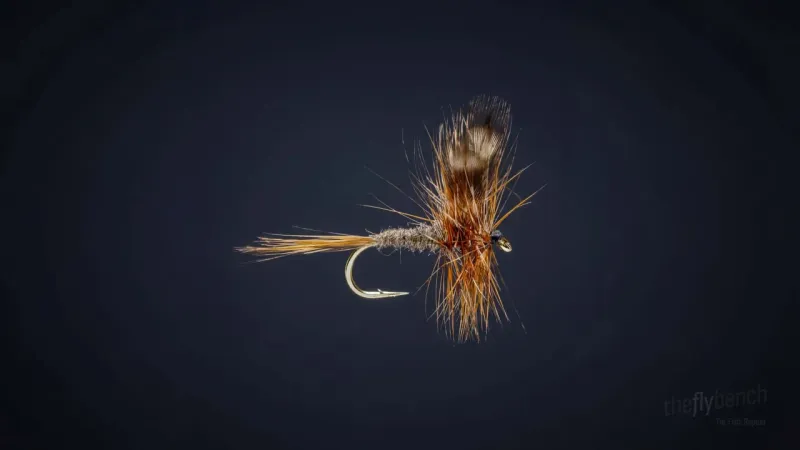
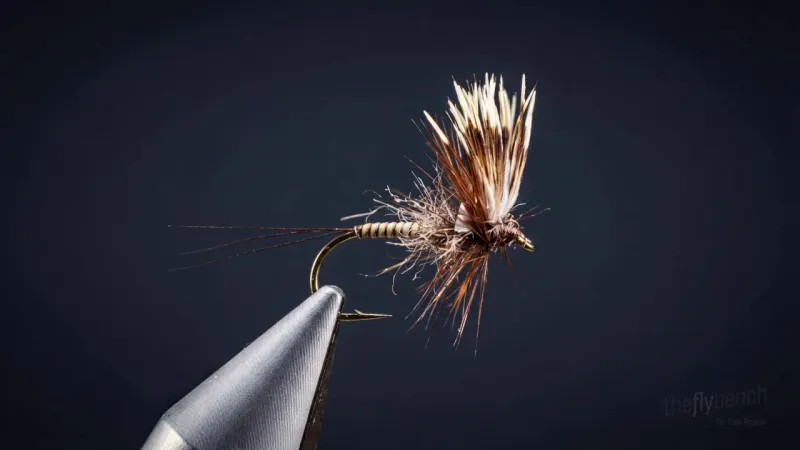
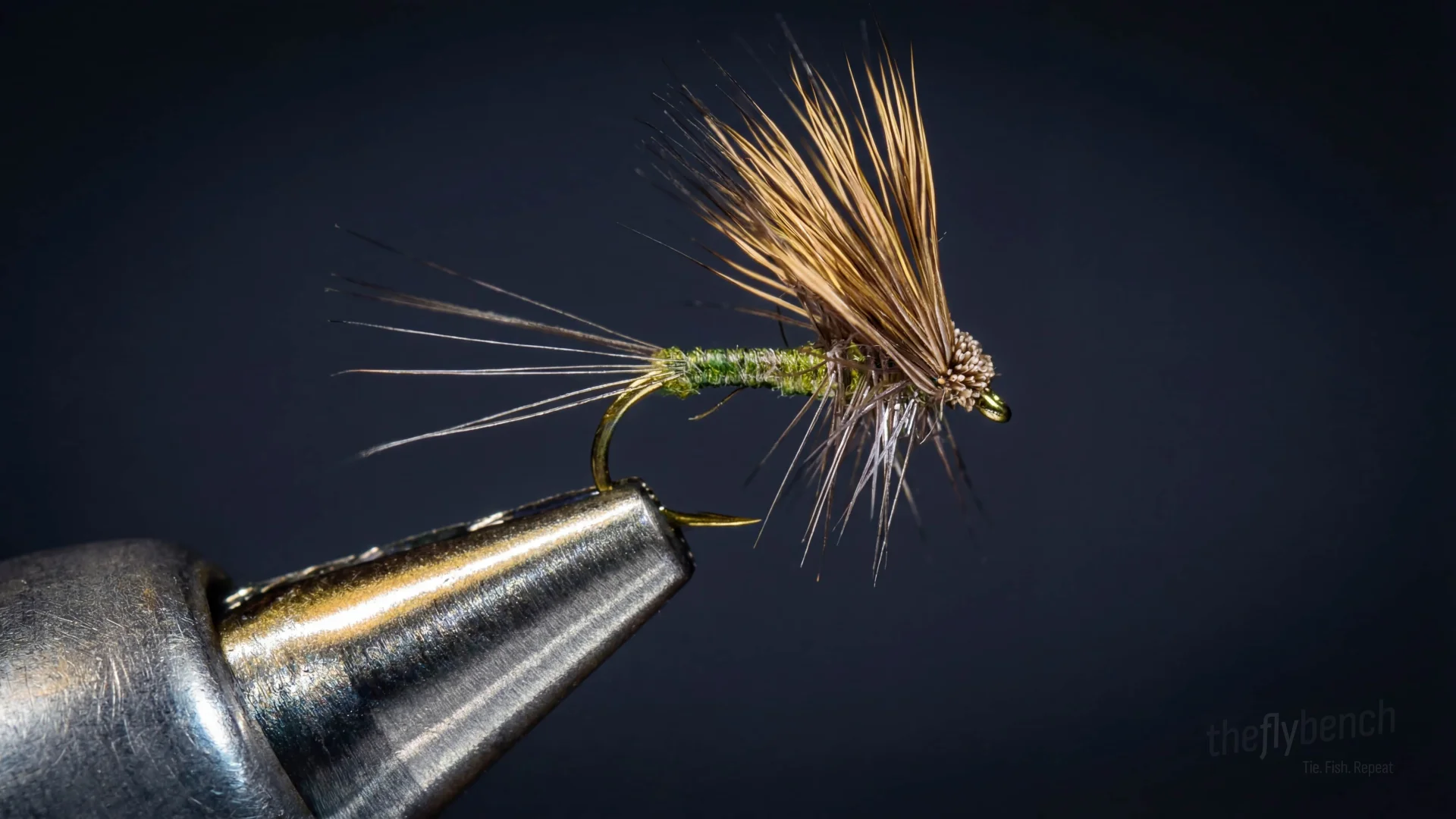
The Hair Wing Dun is a classic mayfly imitation that combines the durability of deer hair with the delicate profile of a natural mayfly dun. This pattern features a sparse dun spade hackle tail, a slim dubbed body, and a distinctive deer hair wing that provides excellent visibility and floatation. The combination of materials creates a fly that sits naturally on the water's surface while remaining highly visible to the angler.
Spring, Summer, Fall
Intermediate
Trout
Dec 2025
Overview
This Charlie Craven pattern from Charlie's Fly Box demonstrates a traditional approach to mayfly dun imitations. The Hair Wing Dun bridges the gap between comparadun-style patterns and traditional hackled dries, incorporating elements of both. The dun-colored spade hackle tail provides proper support and a realistic mayfly profile, while the deer hair wing creates an unmistakable silhouette that fish recognize as food. The sparse hackle allows the fly to sit properly in the surface film.
Materials
Hook: Tiemco 100SP-BL, #14-18
Thread: Semperfli Nano Silk 30 Denier, gray
Tail: Spade Hackle, dun
Body: Superfine Dubbing, blue winged olive
Hackle: Rooster Cape (or Saddle), dun
Wing: Deer Hair (Comparadun or Humpy style)
Behavior & Presentation
Natural Behavior: Freshly emerged blue-winged olive mayflies exhibit characteristic slow, deliberate wing drying on the water surface in early season coldwater conditions. These compact mayflies require extended surface time due to lower air temperatures, becoming progressively more active as wing structural integrity develops.
Where Trout Eat It: Trout sip this in tailwaters and freestones during blue-winged olive emergences when cold water temperatures slow wing drying.
How to Fish It: Dead drift through feeding lanes on 9-12 foot leaders tapering to 5X-6X. The body rides partially submerged in the film like a natural dun.
Best Water: Colorado tailwaters like the South Platte during BWO hatches. Target current seams and runs where duns drift predictably.
Strike Type: Fish rise to the deer hair wing with characteristic mayfly feeding rhythm, creating expanding rings in current seams; lift the rod steadily when the wing disappears to hook selective risers.
Fishing Strategy
Rigging Suggestions: Fish on a 9-12 foot leader tapering to 5X-6X tippet for delicate presentations. The deer hair wing provides enough buoyancy for light dry-dropper rigs with small nymphs.
Seasonal Timing: through fall mayfly hatches, particularly during blue winged olive (Baetis) emergences. The color scheme matches BWO hatches perfectly but can be tied in various colors to match other mayflies.
Pro Tips: The combination of deer hair wing and sparse hackle ensures the fly rides properly in the surface film with the body partially submerged like a natural dun.
Entomology
Freshly emerged blue-winged olive mayflies exhibit characteristic slow, deliberate wing drying on the water surface in early season coldwater conditions. These compact mayflies require extended surface time due to lower air temperatures, becoming progressively more active as wing structural integrity develops. Their olive-gray coloration provides camouflage against silty substrates, but their predictable spring and fall emergence periods make them anticipated prey that fish actively seek despite subdued appearance.
- Order
- Ephemeroptera
- Family
- Baetidae
- Common Name
- Blue-Winged Olive
- Organism Type
- insect
- Life Stage
- adult