Dry FliesPurple Haze
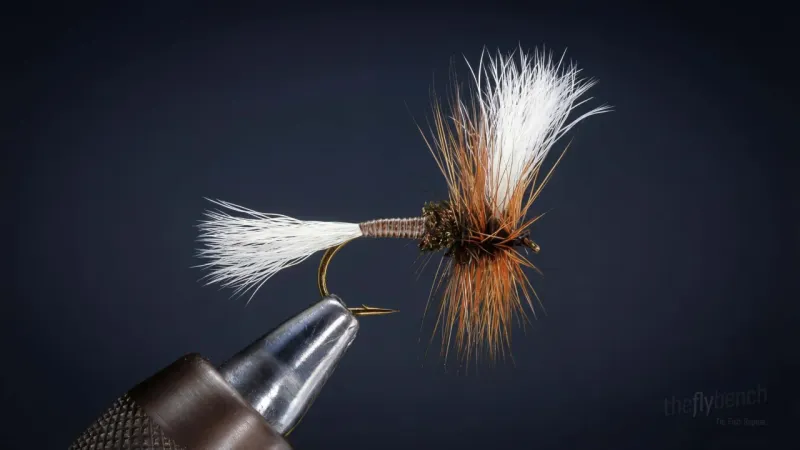
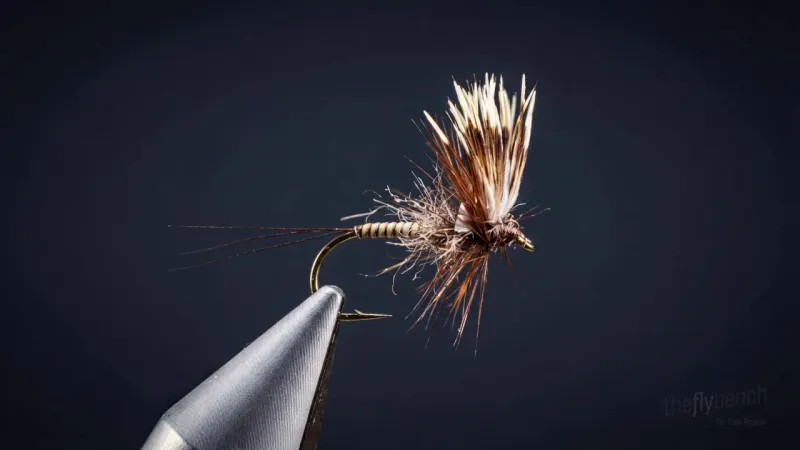
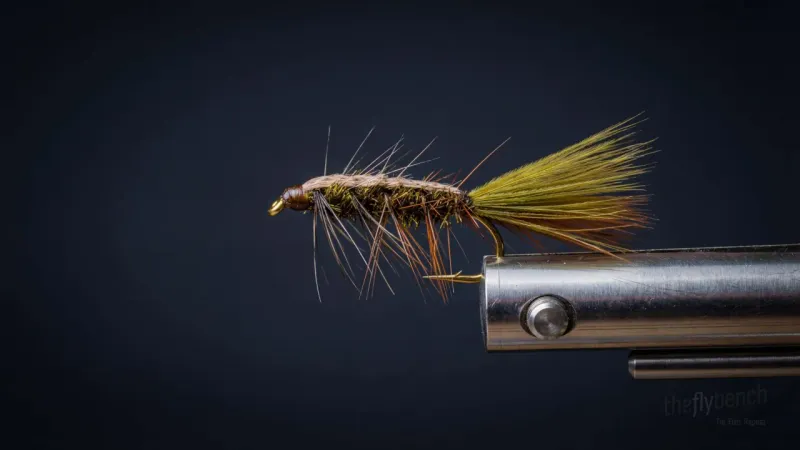
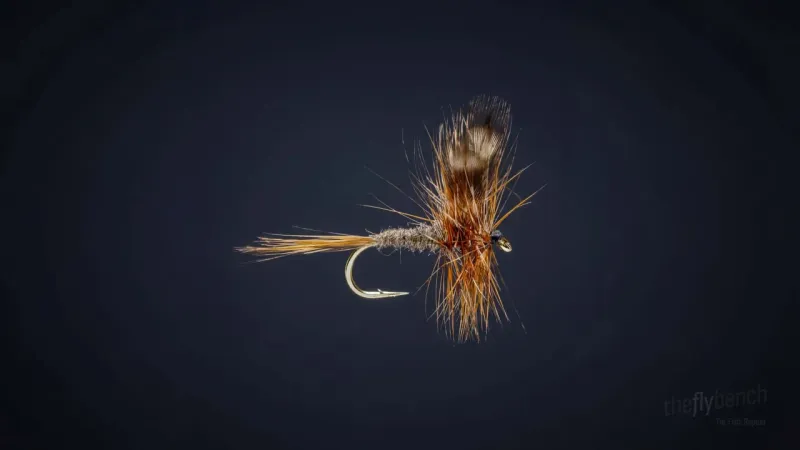
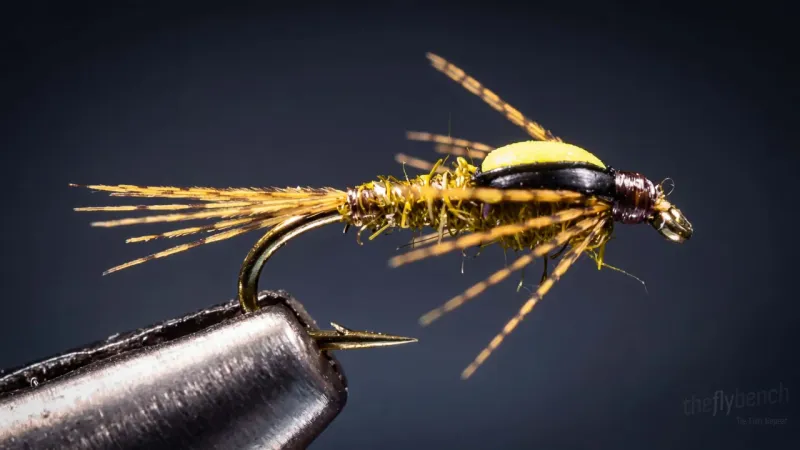
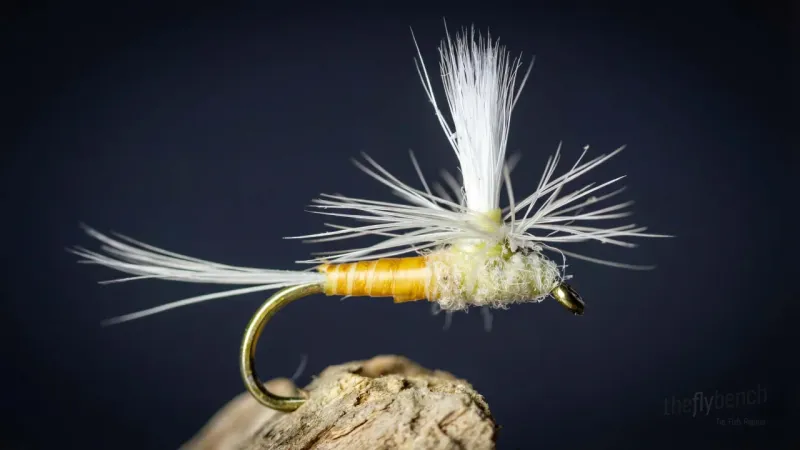
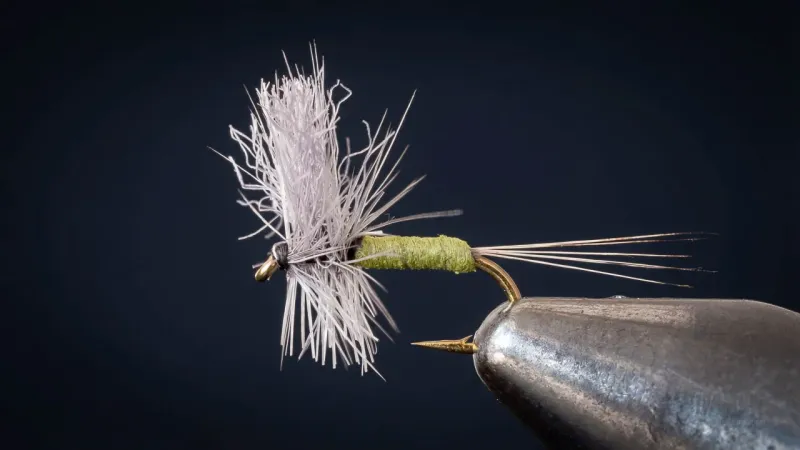
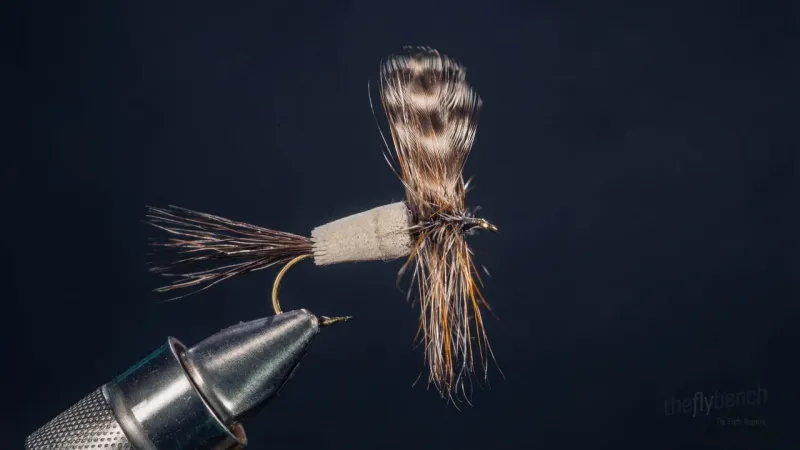
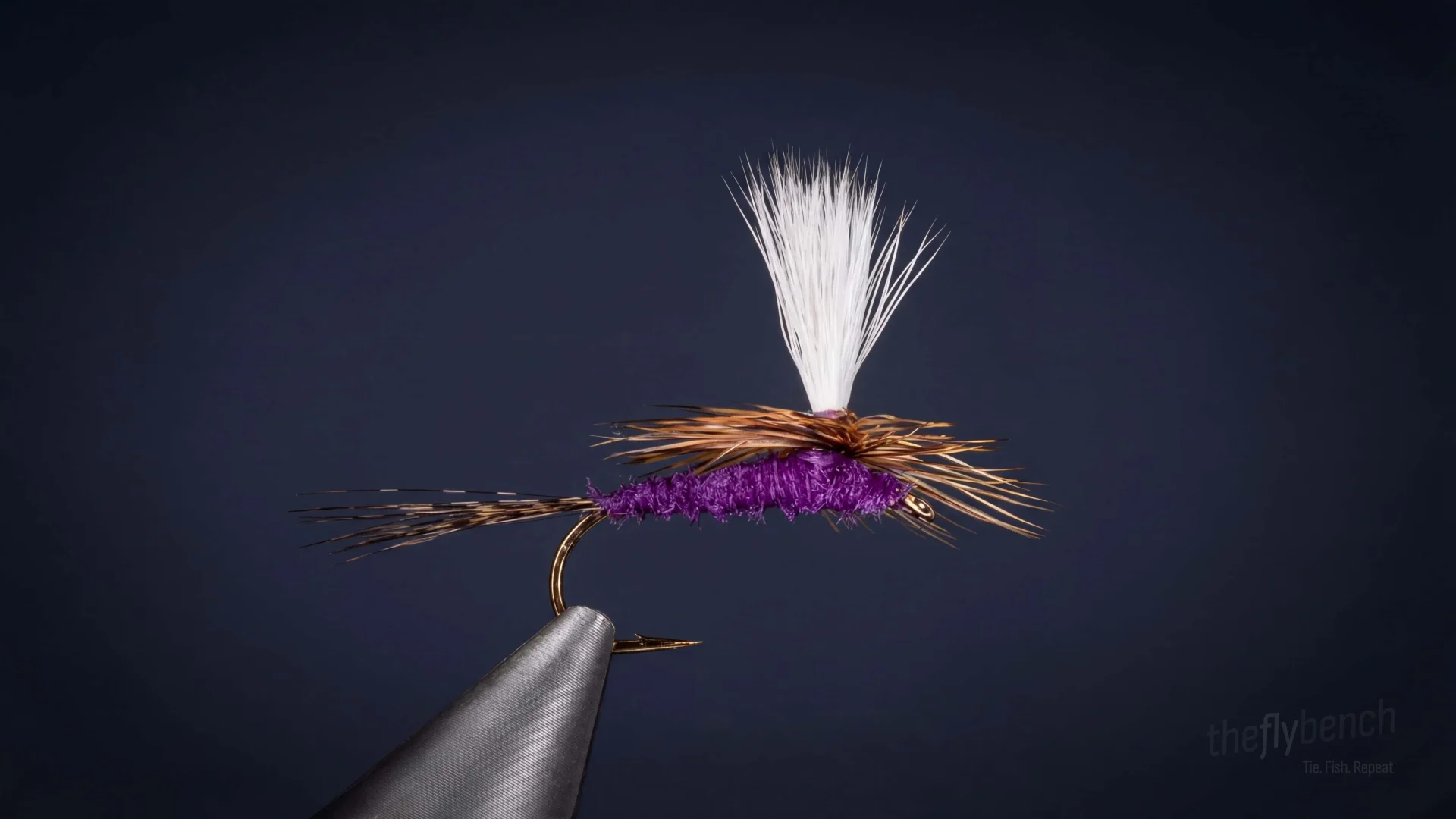
The Purple Haze is a highly effective dry fly pattern that's easy to see and effective across a wide range of conditions. Its purple body and parachute style make it a great choice during a mayfly hatch or as a general attractor pattern.
Spring, Summer, Fall
Intermediate
Trout
Apr 2025
Overview
The Purple Haze is a versatile dry fly pattern known for its visibility and effectiveness across a range of hatches. While traditionally tied with purple thread or floss and a parachute post, tiers often experiment with different dubbing colors, post materials (like poly yarn or CDC), and hackle types to suit specific waters and lighting conditions.
Where to Buy This Fly
We only link to fly shops we trust. Some links are referral links, which may earn us a commission at no extra cost to you.
Materials
- Hook:
- Tiemco 100, size #12-#20
- Thread:
- Purple 8/0 Uni-Thread
- Tail:
- Moose body hair
- Body:
- Purple Superfine dubbing
- Ribbing:
- Fine copper wire
- Hackle:
- Grizzly saddle hackle
- Wingpost:
- White calf body hair
Behavior & Presentation
Natural Behavior: Freshly emerged mayfly adults pump their wings dry while drifting on the surface, their bodies still damp and vulnerable as they prepare for their maiden flight to streamside vegetation.
Where Trout Eat It: The purple trigger sparks confident takes in pressured waters where trout scrutinize offerings. Visible from greater depth in cloudy water, drawing trout up from holding lies in moderate-flow runs.
How to Fish It: Use standard upstream and across casts with drag-free drifts through feeding lanes. Parachute hackle provides stability in varied currents. Can twitch slightly during egg-laying behavior.
Best Water: Fish moderate-speed runs 2-5 feet deep, soft water behind boulders, and current seams where parachute design maintains orientation.
Strike Type: Trout often reveal themselves with confident head-and-tail rises to the parachute silhouette, or subtle dimples when feeding selectively in smooth water. The white post helps you track the moment the fly disappears into a ring or you hear a gentle sip.
Fishing Strategy
Rigging Suggestions: Use 4X-6X tippet with 9-12 foot leaders depending on conditions. Use 5X for general fishing or 6X for selective trout in calm water. Fish solo during heavy hatches or as an indicator fly in a dry-dropper setup with a size 16-18 nymph trailing 18-24 inches behind.
Seasonal Timing: Most effective from April through October, with peak productivity during mayfly hatches (May-June) including Hendricksons, March Browns, and PMDs, and again during Baetis emergences (September-October). Remains productive throughout as an attractor pattern.
Pro Tips: The purple body and calf hair wing post create exceptional visibility for the angler while remaining attractive to fish. The parachute hackle provides a realistic footprint on the water. Sizes 14-18 cover most mayfly species.
Entomology
Freshly emerged mayfly adults pump their wings dry while drifting on the surface, their bodies still damp and vulnerable as they prepare for their maiden flight to streamside vegetation. Fish capitalize on this extended period of helplessness, often feeding with methodical rising patterns during heavy mayfly emergences when dozens of adults float past holding positions.
- Order
- Ephemeroptera
- Common Name
- Mayfly
- Organism Type
- insect
- Life Stage
- adult