Euro NymphsJig Thread Midge
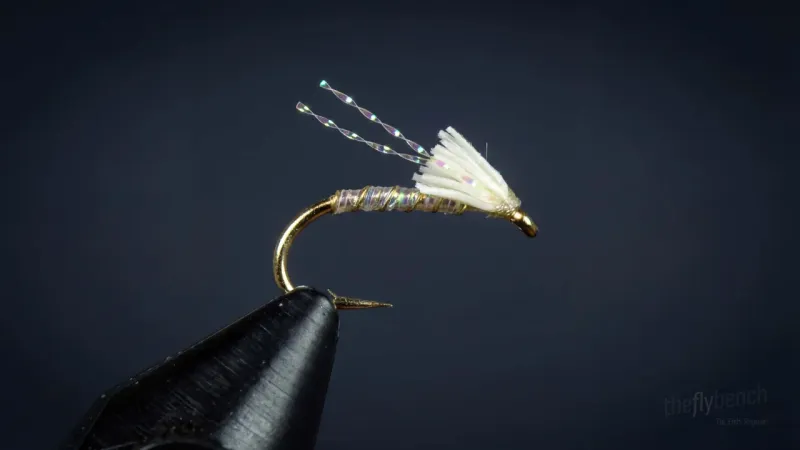
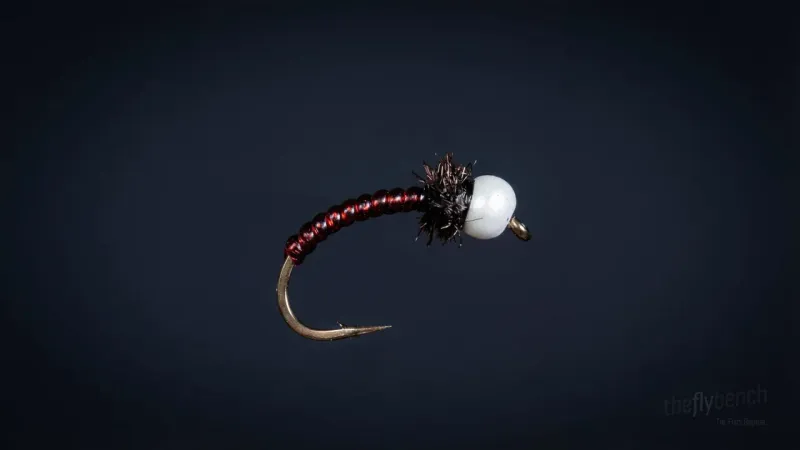
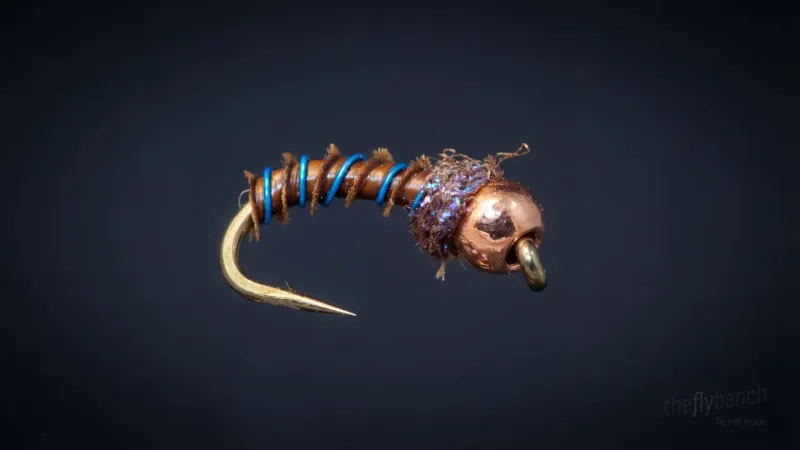
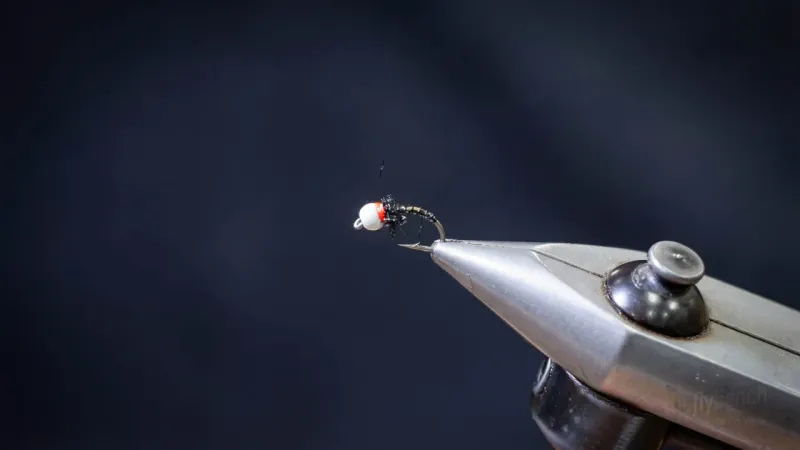
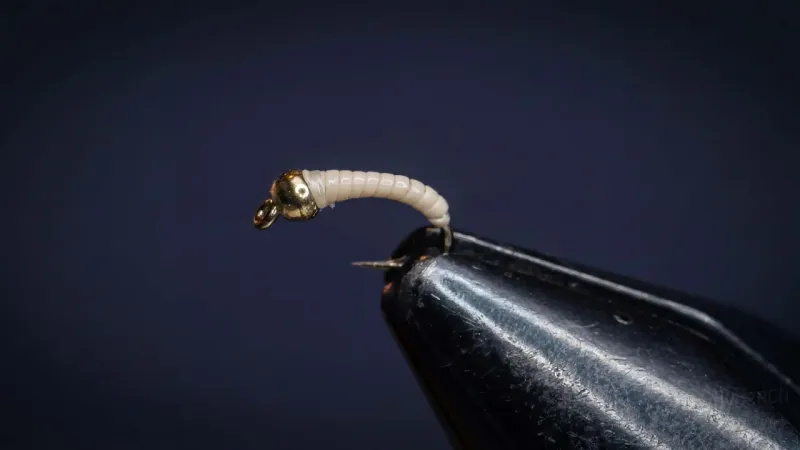
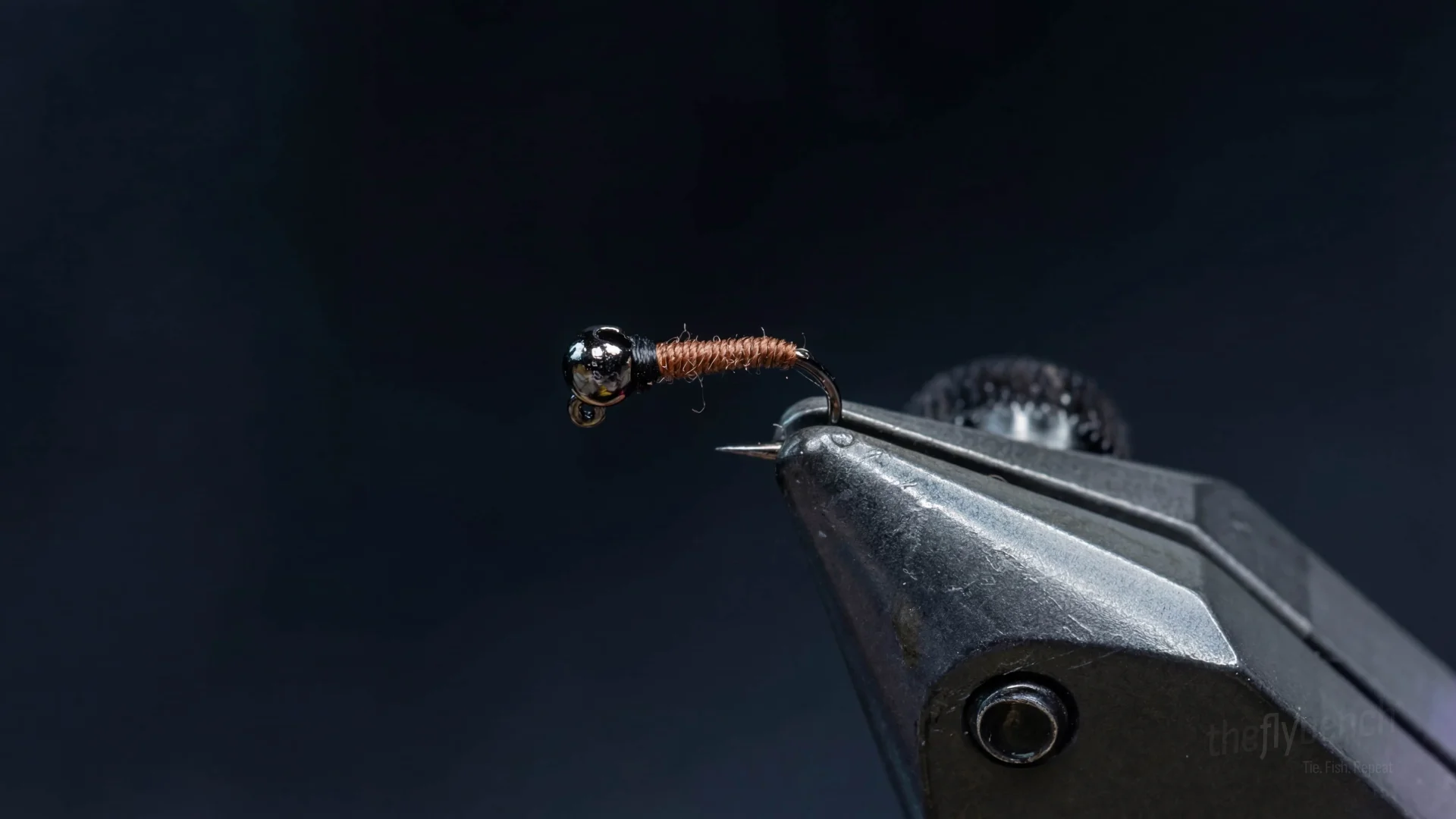
The Jig Thread Midge, also known as the "Yong Special," is a versatile midge pupa pattern that works equally well on euro rigs or under a dry fly. This minimalist design by Cheech at Fly Fish Food uses just silk thread for the body, creating a slim profile that perfectly imitates midge pupae. The best colors are cream and brown, though experimenting with colors to match local midge populations is encouraged.
Year Round
Beginner
Trout
Dec 2025
Overview
The Jig Thread Midge represents the ultimate in minimalist fly design. The pure silk body creates a natural segmentation and subtle sheen that closely mimics the translucent appearance of midge pupae. This pattern ties quickly and requires minimal materials, making it easy to keep a full selection of sizes and colors in your box. The jig hook orientation helps the fly ride point-up for better hookups and fewer snags.
Materials
Hook: Fulling Mill 5045 Jig Force Barbless, size #22 (or Dohiku HDJ Jig)
Thread: Semperfli Classic Waxed Spyder Thread 18/0, black
Bead: Hanak Round+ Slotted Tungsten, gold, 2.5mm (or Firehole Stones 2.5mm black nickel, or Fulling Mill 2.4mm gold)
Body: Semperfli Pure Silk, brown #17
Behavior & Presentation
Natural Behavior: Midge pupae complete rapid life cycles with multiple generations per year, ascending vertically through the water column where they hang vulnerably beneath the surface film before eclosion. Larvae wiggle in bottom sediments while filter feeding.
Where Trout Eat It: Trout target ascending pupae mid-column and larvae along the streambed in runs, pools, and tail-outs.
How to Fish It: Dead drift on tight line euro rig or dropper below dry fly, maintaining direct contact for subtle take detection.
Best Water: Fish runs, pools, and tail-outs where midges concentrate and current delivers consistent food.
Strike Type: Takes on this minimalist pattern appear as tiny sighter twitches or subtle color shifts in the mono indicator material. The pure silk body means fish hold the fly longer before rejecting it, giving extra time to recognize the micro-pauses that signal feeding rather than bottom contact.
Fishing Strategy
Rigging Suggestions: Fish on 6X-7X fluorocarbon tippet to match the small hook size. Use as point fly in euro rigs or as dropper below larger nymphs.
Seasonal Timing: wherever midges are present. Particularly months when midges are the primary food source, and during spring and fall midge emergences.
Pro Tips: The tungsten bead provides appropriate sink rate for the small fly size while the silk body creates a subtle glow. The jig hook orientation helps the fly sink efficiently and reduces snags.
Entomology
Midges complete their life cycle rapidly, with multiple generations per year producing continuous availability across all seasons, including winter when they may be the only actively emerging insect. The pupal stage involves a vertical ascent through the water column where pupae hang vulnerably just beneath the surface film before eclosion. Fish key on both the bottom-dwelling larvae and the ascending pupae, with feeding selectivity often shifting to the more vulnerable pupal forms during emergence windows.
- Order
- Diptera
- Family
- Chironomidae
- Common Name
- Midge
- Organism Type
- insect
- Life Stage
- general