Midge / EmergersCrystal Dip
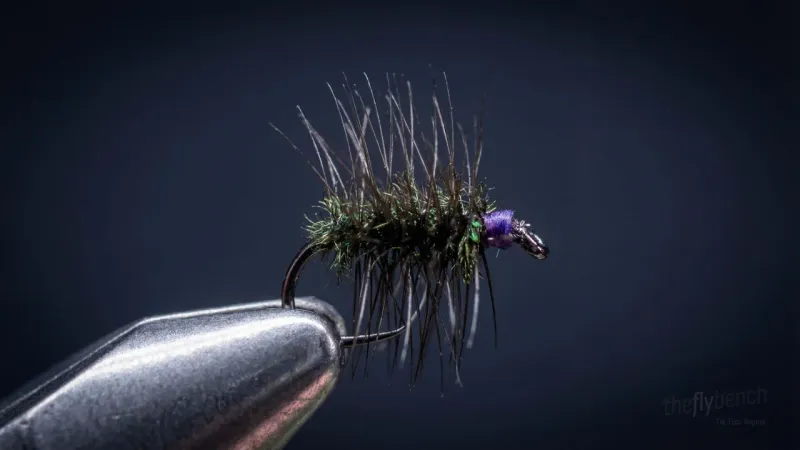
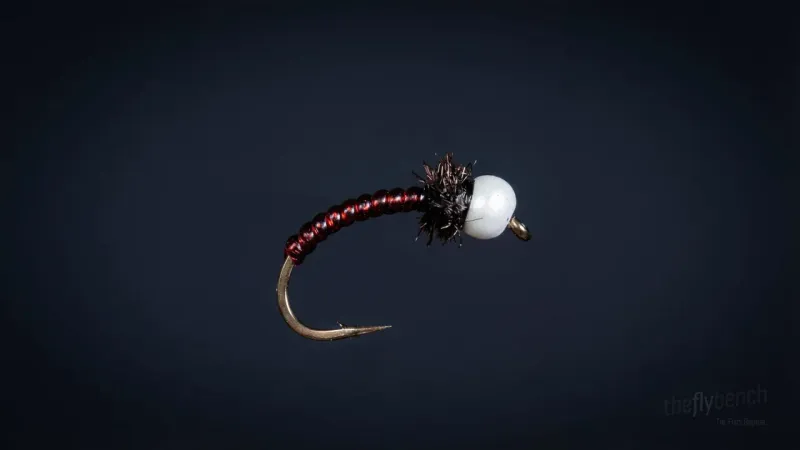
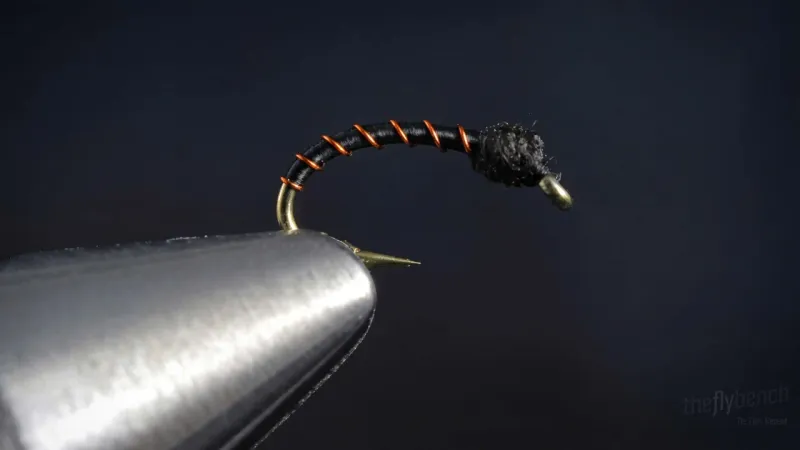
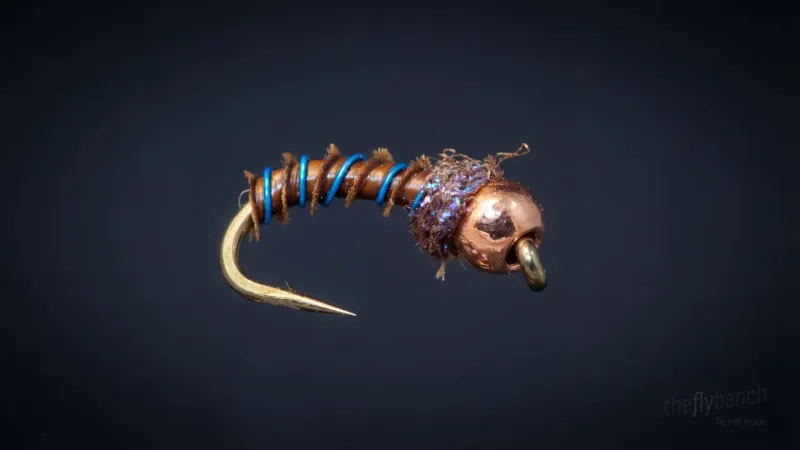
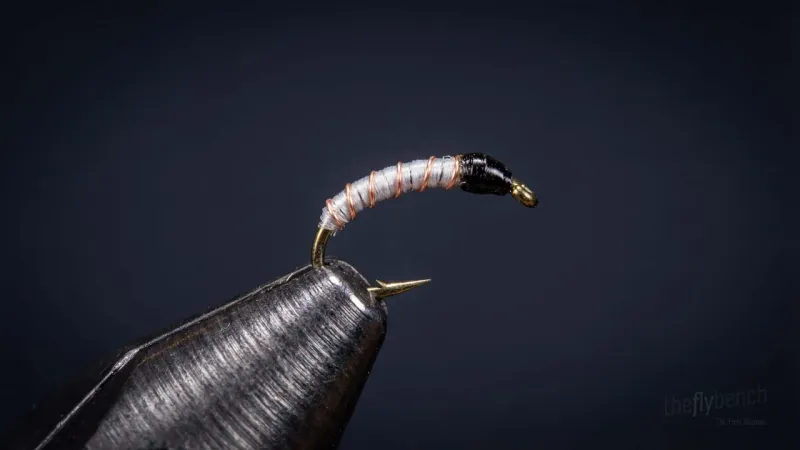
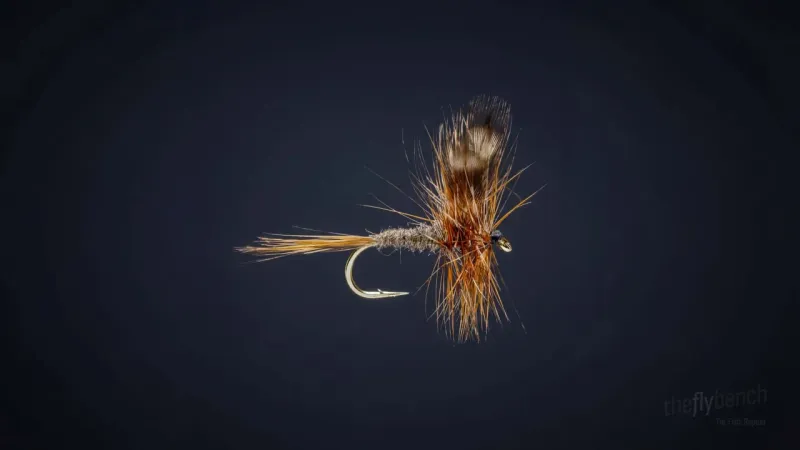
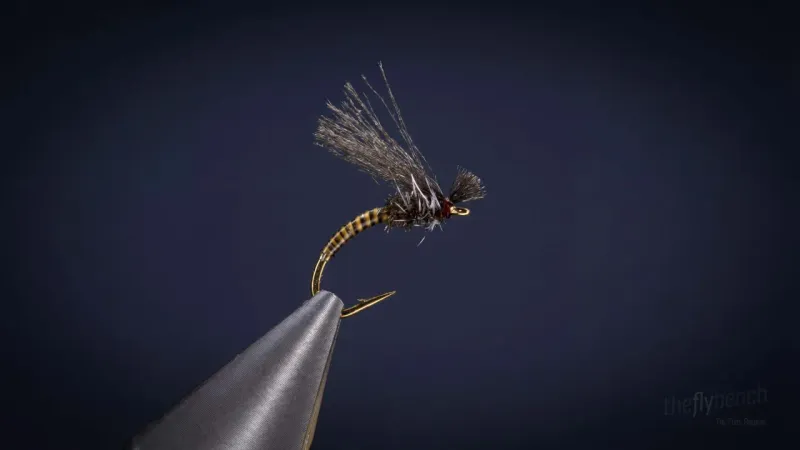
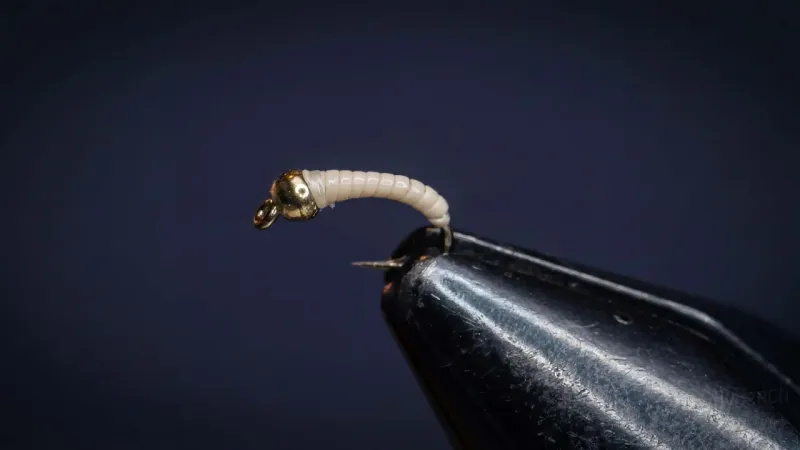
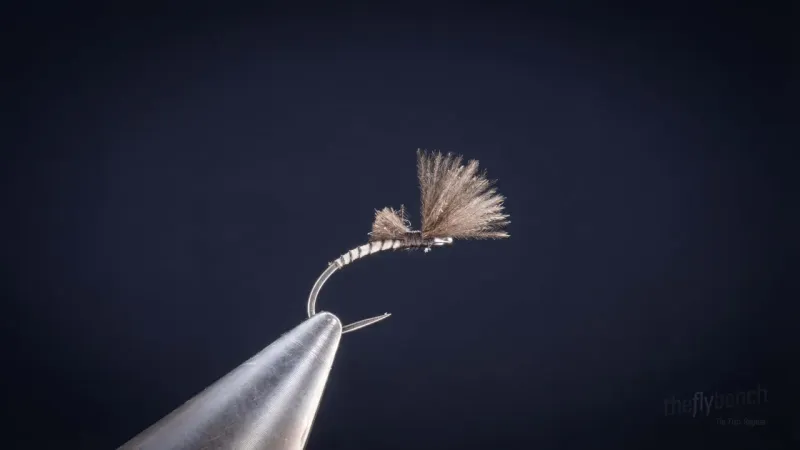
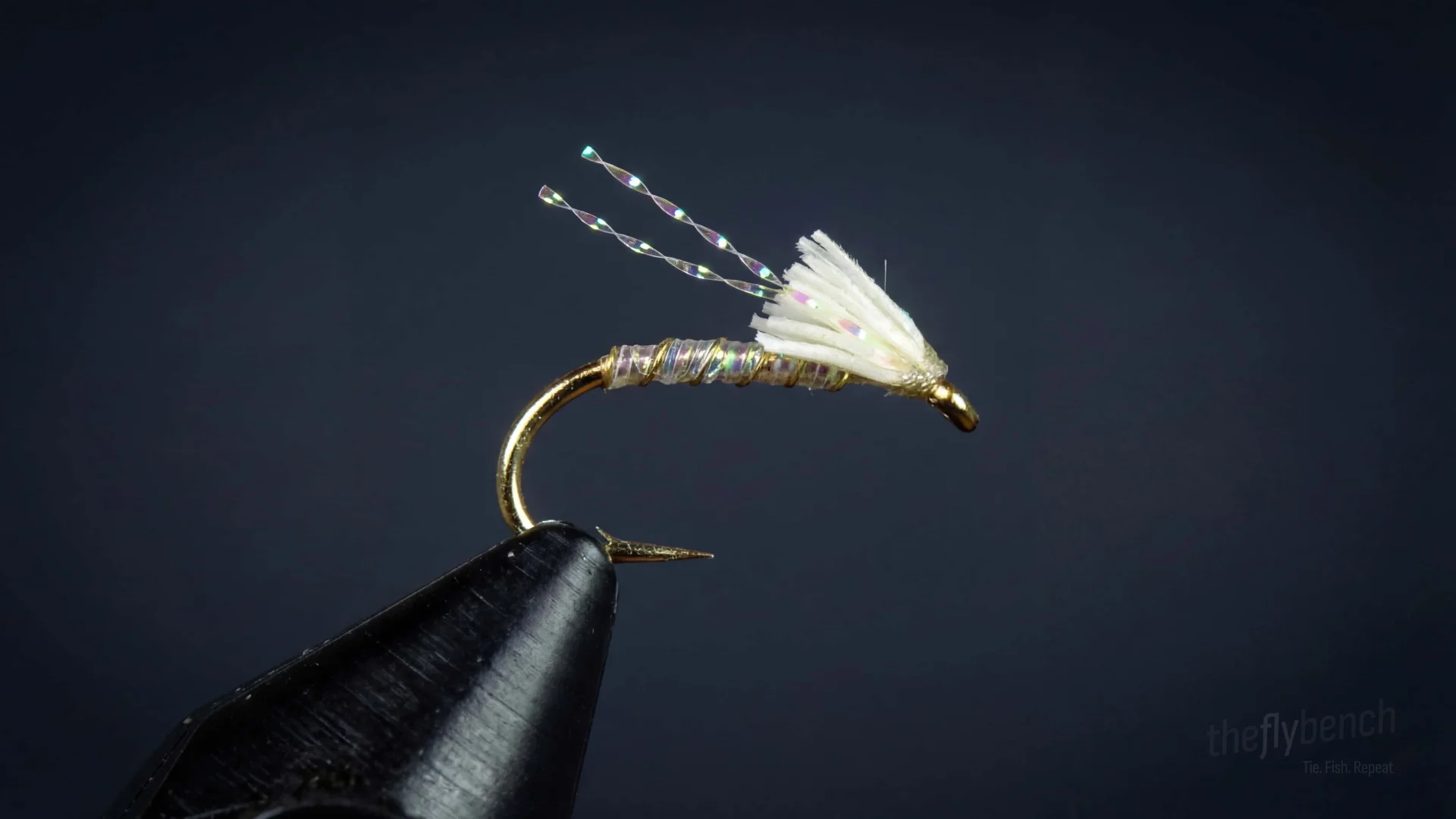
The Crystal Dip is a highly visible pattern designed to mimic midge emergers. The sparkly body and white wing make this fly stand out in the water, while the slim profile keeps it realistic.
Winter, Year Round
Beginner
Trout
Apr 2025
Overview
This midge/emergent-style fly features a thread or crystal flash body coated in UV resin or Bone Dry for durability and translucency. A small bead head adds weight and subtle flash—ideal for technical tailwaters.
Where to Buy This Fly
We only link to fly shops we trust. Some links are referral links, which may earn us a commission at no extra cost to you.
Materials
- Hook:
- Tiemco 2487, size #18–#22
- Thread:
- UTC 70 denier in Black
- Body:
- Pearl Krystal Flash
- Wing:
- White Antron yarn
- Head:
- Black thread
Behavior & Presentation
Natural Behavior: Ascending midge pupae create subtle flash as they rise through the water column, suspended gases creating buoyancy. The crystal fibers mimic the reflective quality of trapped gases in the emerging insect.
Where Trout Eat It: Fish cruise mid-column and just beneath the film, targeting ascending pupae during midge emergence windows.
How to Fish It: Suspend in the film or dead drift at mid-column depth, allowing the flashy materials to attract attention during the ascent.
Best Water: Focus on current seams where emergers concentrate, slicks with visible risers, and tail-outs during midge activity.
Strike Type: Subtle takes as fish sip the ascending pupa, requiring sensitive strike detection.
Fishing Strategy
Rigging Suggestions: Use a 9-10 foot tapered leader with 6X tippet. Can be fished alone with strike indicator or in tandem rig 18-24 inches below a size 16-18 dry fly.
Seasonal Timing: True year-round pattern with exceptional performance on tailwaters from December through March. Also productive during shoulder seasons when midges are primary food source.
Pro Tips: The UV-enhanced materials are especially visible to trout in bright conditions. In lake, fish it on a slow figure-eight retrieve through the top foot of water column.
Entomology
Midge pupae exhibit distinctive twitching ascents from benthic zones, rising in short bursts before pausing, creating a yo-yo effect as gas accumulation in their thorax provides intermittent buoyancy. Fish become fixated on this jerky ascent pattern during dense midge hatches, often feeding subsurface rather than on adults. The sheer volume of emerging midges throughout the day, especially in cold water periods, makes them a reliable food source that sustains steady feeding activity.
- Order
- Diptera
- Family
- Chironomidae
- Common Name
- Midge
- Organism Type
- insect
- Life Stage
- general