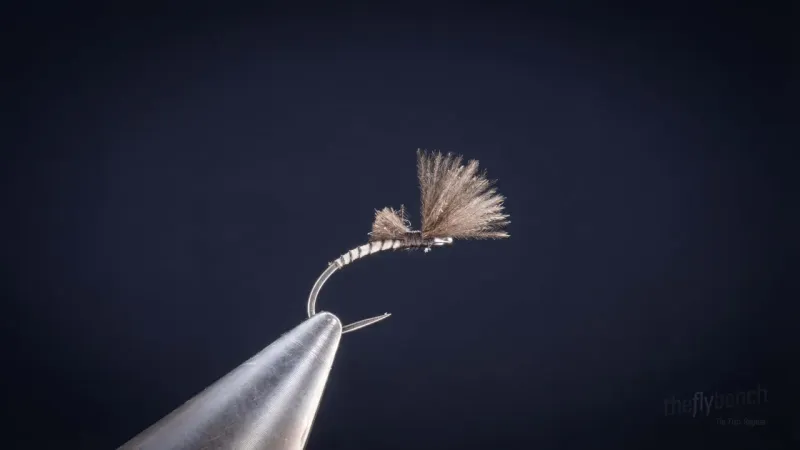
Midge / EmergersHerter's Bastard Midge
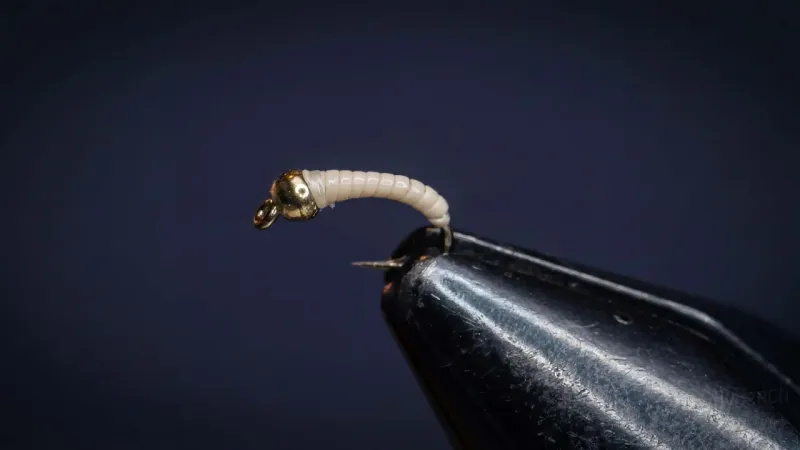
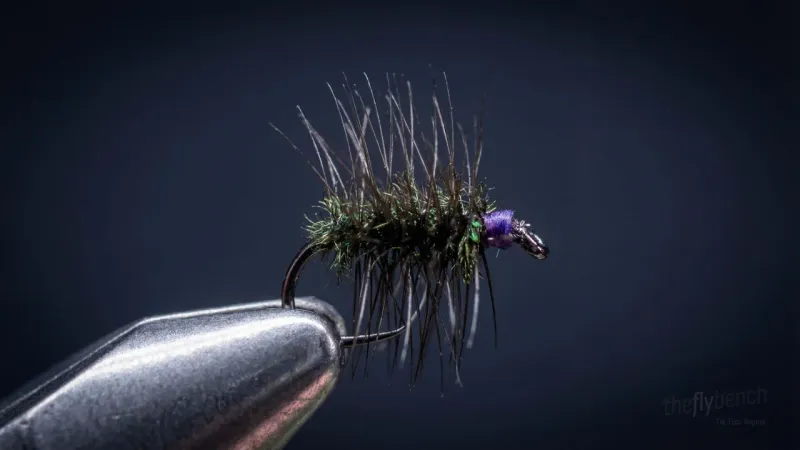
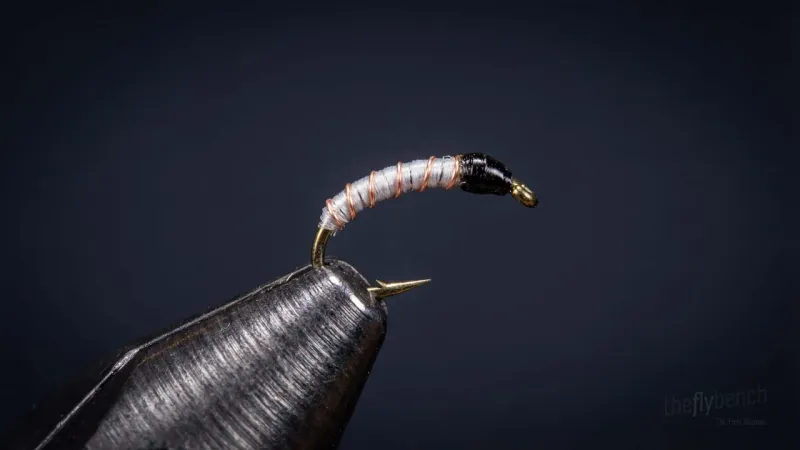
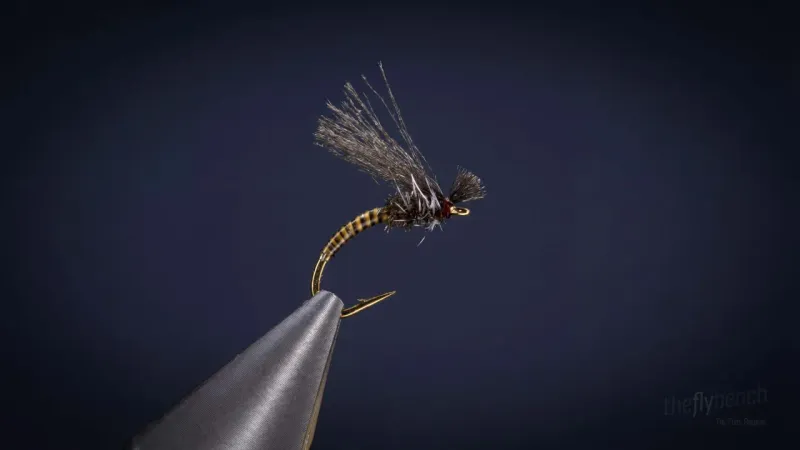
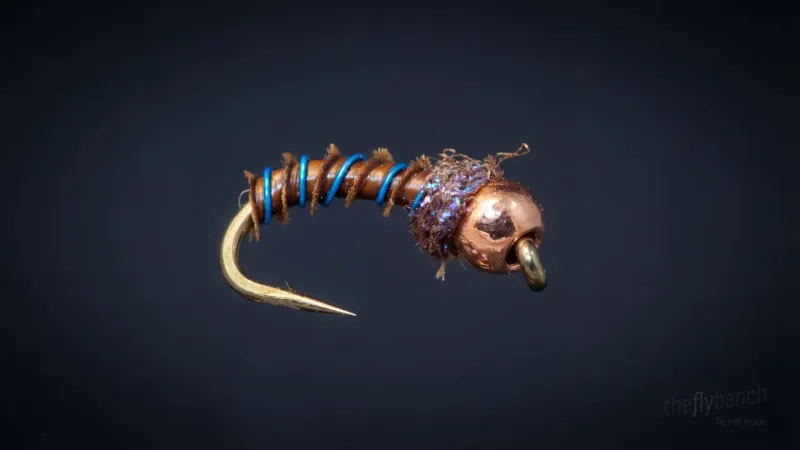
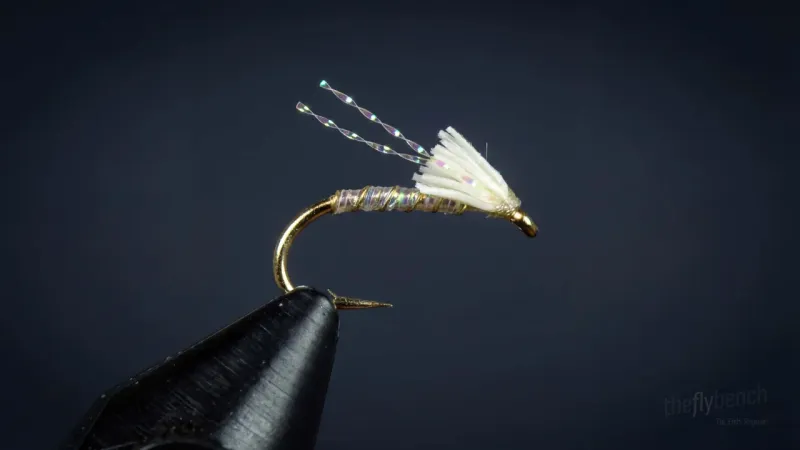
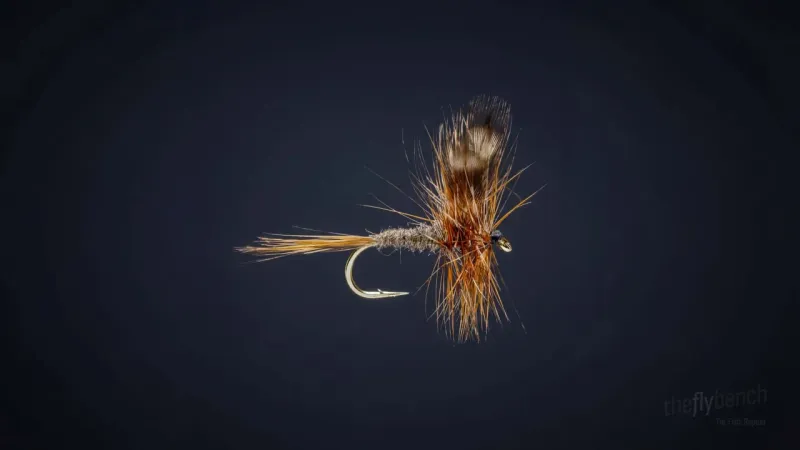
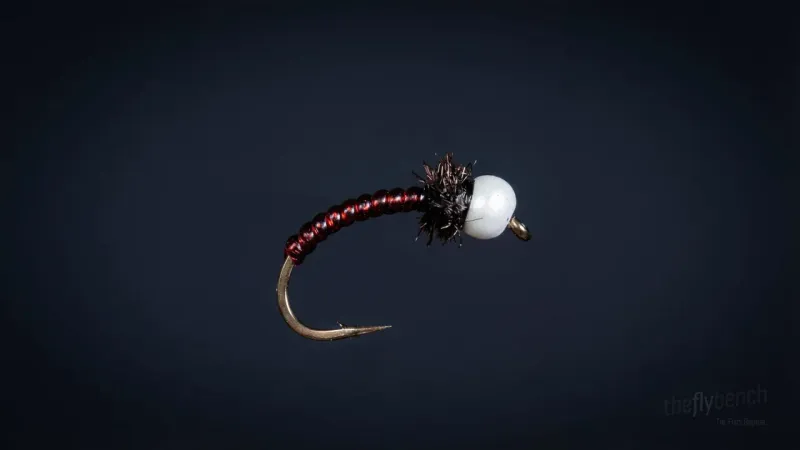
Herter's Bastard Midge is a simple but effective midge pattern. The thin body and delicate hackle imitate the small insects that trout feed on heavily, particularly in winter. Its small size makes it a great choice when nothing else seems to be working.
Year Round
Beginner
Trout
Apr 2025
Overview
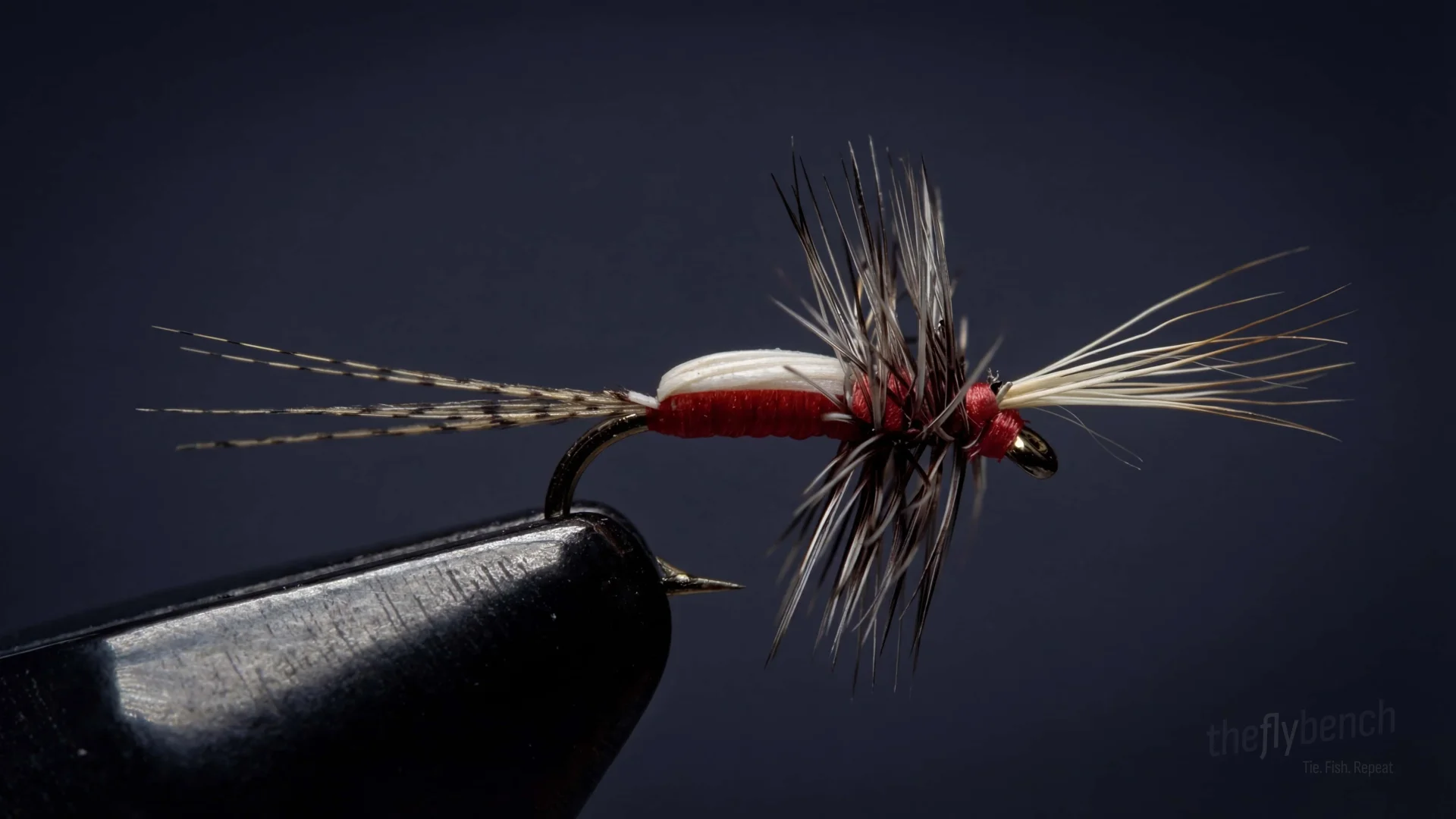
A vintage midge pattern with a slim thread body, sparse hackle, and minimal materials. Often tied with floss or peacock for the thorax and used in stillwaters or tailwaters when midges are hatching in calm conditions. Best fished near the surface film.
Where to Buy This Fly
We only link to fly shops we trust. Some links are referral links, which may earn us a commission at no extra cost to you.
Materials
- Hook:
- Dai-Riki 320, size #18-#22
- Thread:
- Veevus, 10/0, red.
- Trailing shuck:
- Wood-duck fibers.
- Back/antennae:
- Bleached elk or deer hair, cleaned and stacked.
- Hackle:
- Grizzly saddle hackle, midge size.
Behavior & Presentation
Natural Behavior: Midge pupae pierce the surface film vertically during emergence, hanging suspended as they struggle to break through surface tension.
Where Trout Eat It: Fish suspend just below the film in smooth water, sipping emergers at tailwater margins and spring creek runs.
How to Fish It: Dead drift under micro-indicator, allowing current to work the fly naturally in the film without added motion.
Best Water: Target seams, slicks, and foam lines in smooth tailwater runs. Lake margins where midges concentrate produce best.
Strike Type: Micro-indicator setups reveal takes as tiny pauses, slight color changes in the yarn, or barely perceptible downstream movement. The strikes are often gentler than the indicator's drift adjustment—watch with extreme focus and set on instinct.
Fishing Strategy
Rigging Suggestions: Use 12-16 foot leaders tapered to 6X-7X tippet to avoid spooking wary trout in clear water. Fish alone or as the point fly in a two-midge tandem rig.
Seasonal Timing: Year-round effectiveness makes this a four-season pattern, with particular value during (December-February) and early (March-April) when midges provide the primary food source and water temperatures drop to 32-45°F.
Pro Tips: The surface film position is critical—this pattern should hang just below or in the film, not sink into the water column. Adjust weight placement or use a greased leader to maintain proper depth during the drift.
Entomology
Emerging midges pierce the surface film with their pupal cases, creating dimples and disturbances as they hang vertically during transformation. This vertical orientation makes them exceptionally vulnerable to surface-feeding trout. The Bastard Midge's unique construction imitates this precise emergence posture, appealing to fish during technical tailwater hatches where selectivity is extreme.
- Order
- Diptera
- Family
- Chironomidae
- Common Name
- Midge
- Organism Type
- insect
- Life Stage
- general