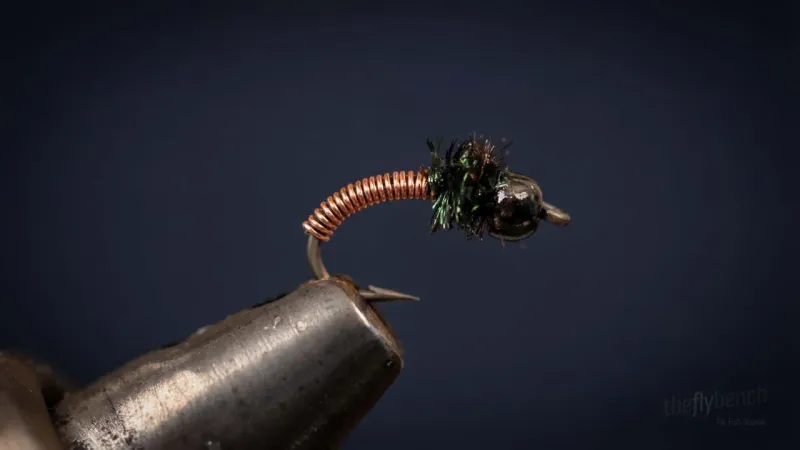
NymphHalf Pint
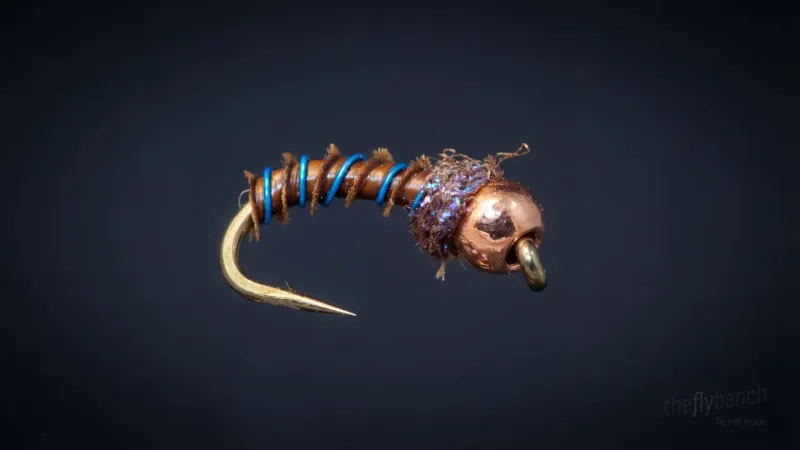
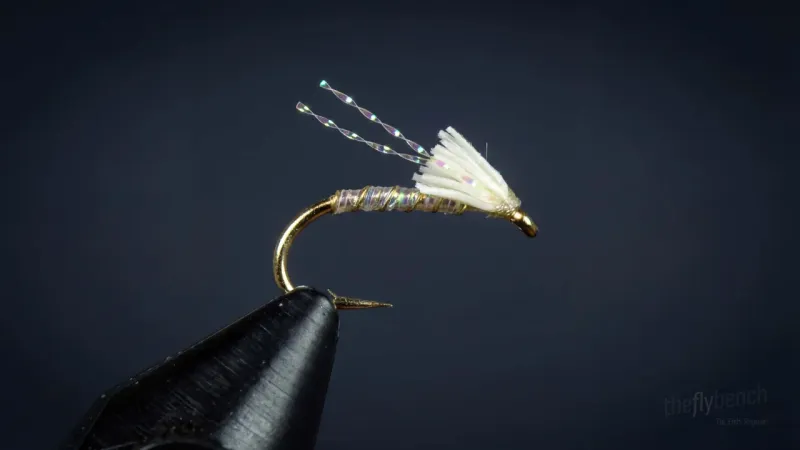
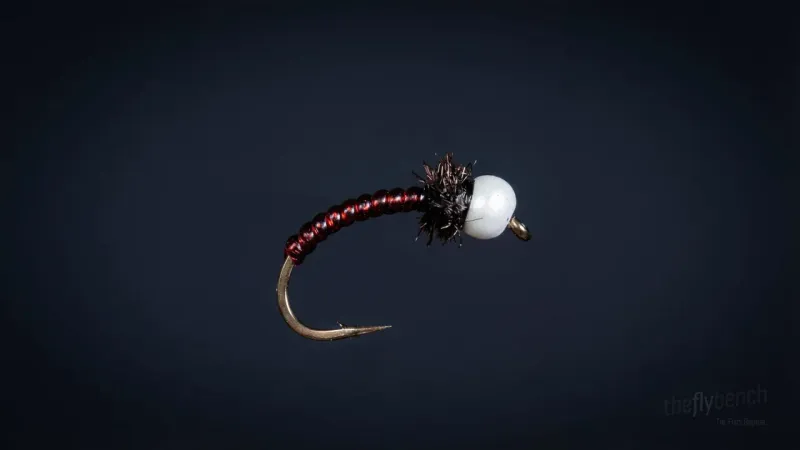
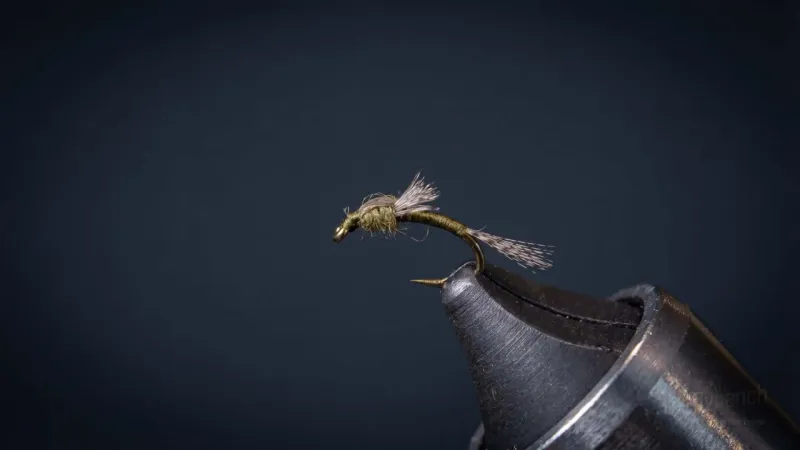
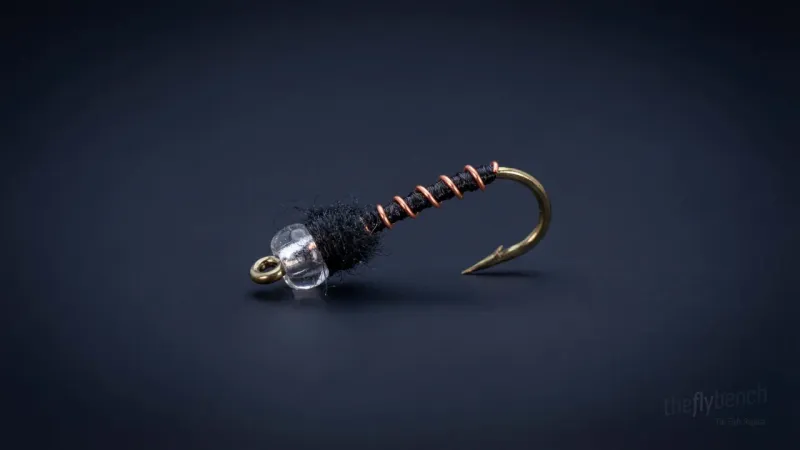
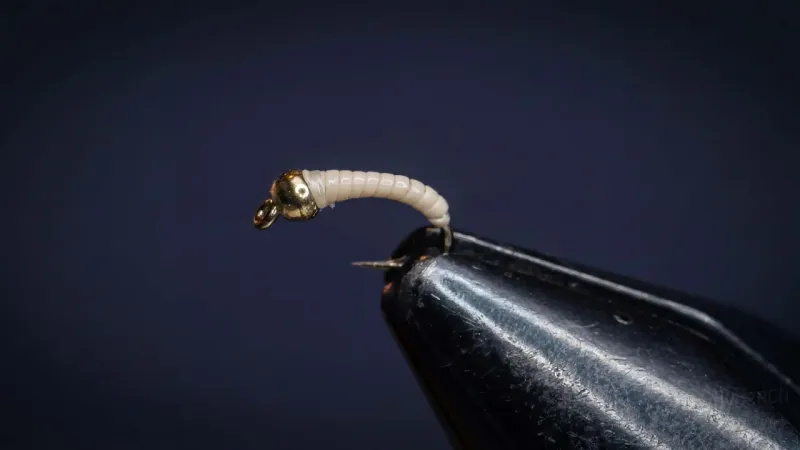
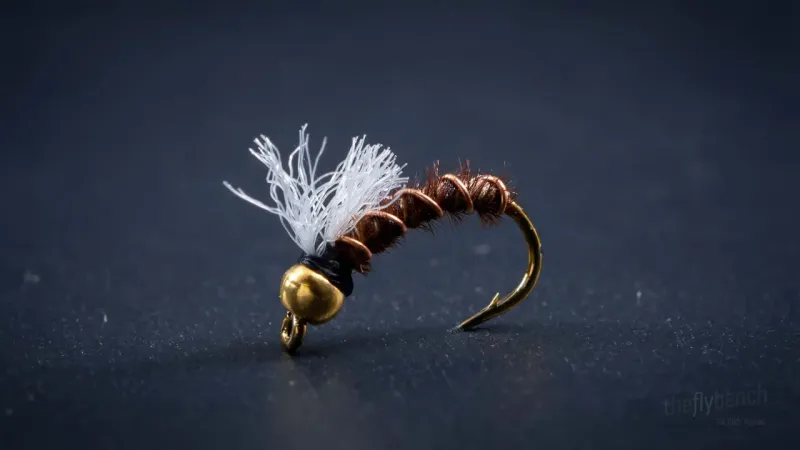
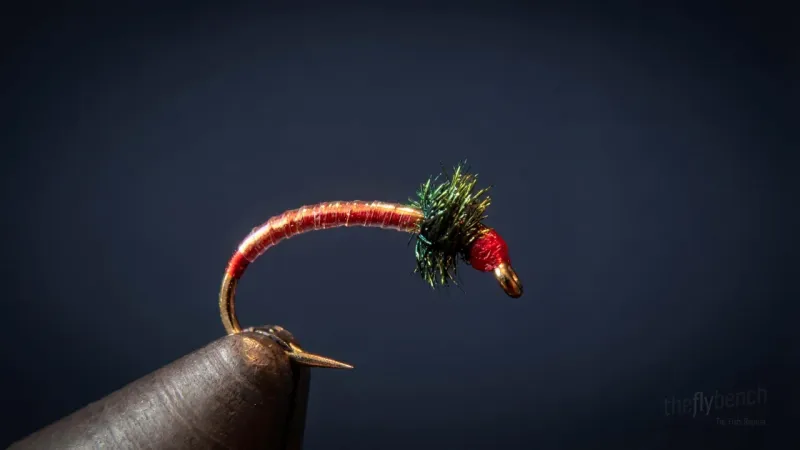
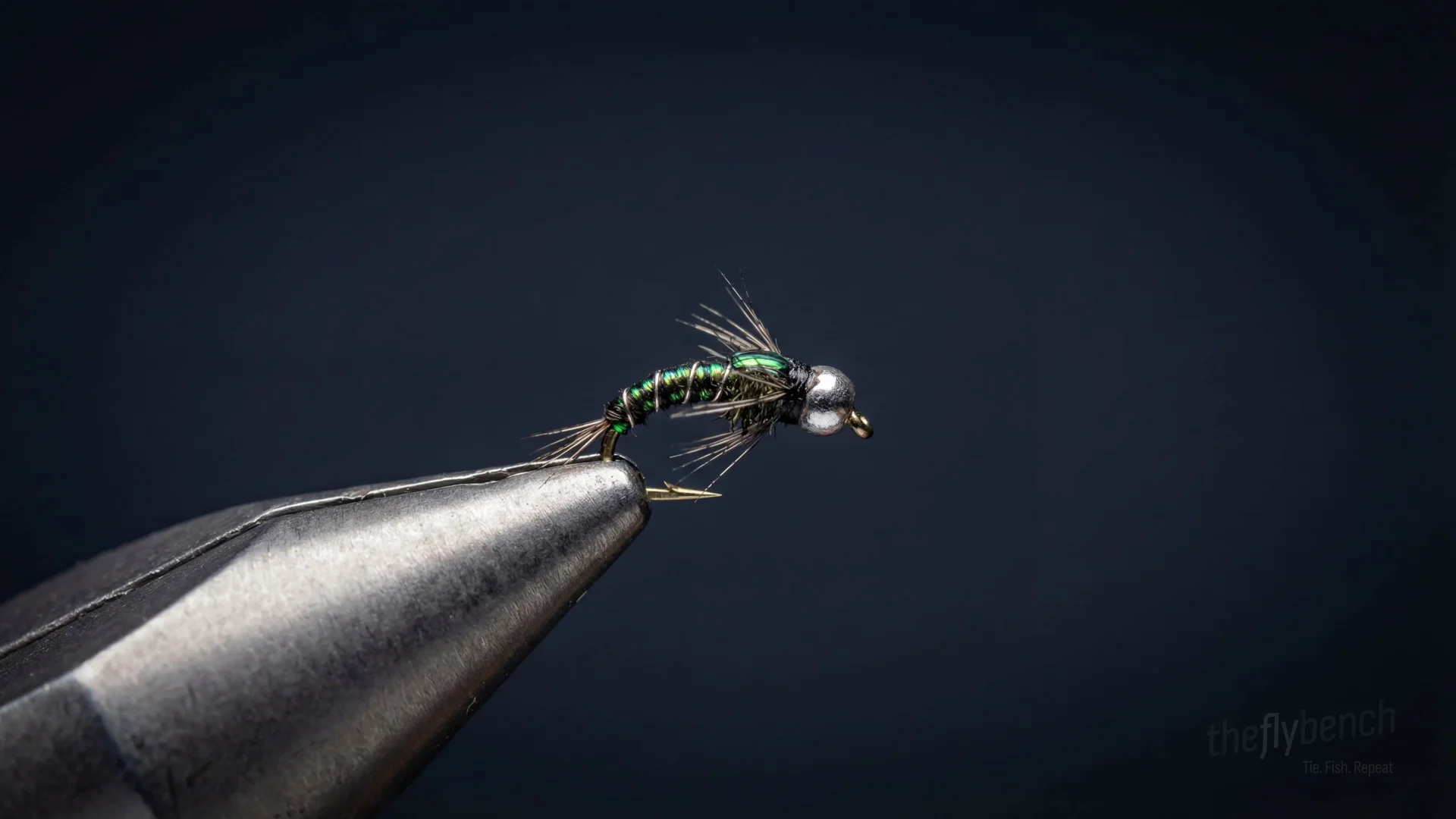
The Half Pint is a compact midge pattern designed to imitate small chironomid pupae. The tungsten bead provides weight while keeping the overall profile slim, and the pearl midge flash adds subtle attraction. The silver wire rib creates segmentation over the dubbed thorax, completing this effective small-water pattern.
Year Round
Beginner
Trout
Dec 2025
Overview
The Half Pint gets its name from its compact size - a small but potent midge imitation. Despite the diminutive hook size, the tungsten bead provides sufficient weight for effective subsurface presentations. The simple material list makes this a quick tie that you can stock in quantity for technical midge fishing.
Materials
Hook: Tiemco 2457 or Umpqua U202, #18
Thread: Ultra Thread, 8/0, black
Bead: Tungsten Bead, 5/64", nickel
Flash: Midge Flash, pearl
Rib: Ultra Wire, small, silver
Thorax: Zelon Dubbing, midge black
Behavior & Presentation
Natural Behavior: Tiny midge larvae inhabit benthic zones in dense populations, their dark segmented bodies undulating rhythmically while burrowing through soft sediments. Dislodged larvae tumble near the bottom in slow-moving zones, their black bodies with silver ribbing visible against lighter substrates as they drift helplessly through tailwater feeding lanes at eye level to holding trout.
Where Trout Eat It: Tailwater trout holding near bottom in 2-4 foot depths feed selectively at eye level near substrate in slow to moderate runs. The tungsten bead and size 18 profile reach feeding zones quickly.
How to Fish It: Fish as dropper below larger nymph or in tandem midge rigs. Get the fly down to their eye level—trout take midges near bottom, not surface.
Best Water: Target tailwater tail-outs with consistent depth and weed bed edges in 2-4 feet of clear flow.
Strike Type: Strikes register as subtle indicator dips or slight weight increases—the size 18 pattern produces delicate takes that require focused attention to the strike indicator's every hesitation and directional change.
Fishing Strategy
Rigging Suggestions: Fish as a dropper below a larger nymph or as part of a midge tandem rig. The small size works well in multi-fly setups.
Seasonal Timing: during midge activity. Particularly productive in winter and early spring when midges dominate trout diets.
Pro Tips: Adjust presentation depth and speed based on fish activity level and current conditions for best results.
Entomology
Midge larvae inhabit the benthic zone in dense aggregations, undulating their segmented bodies in rhythmic waves while burrowing through soft sediments. These non-cased larvae remain vulnerable to predation during their extended aquatic development, particularly when dislodged during current fluctuations. Stillwater trout consume them through active foraging behaviors near the lake bottom, particularly during periods when other food sources are less available.
- Order
- Diptera
- Family
- Chironomidae
- Common Name
- Midge
- Organism Type
- insect
- Life Stage
- general