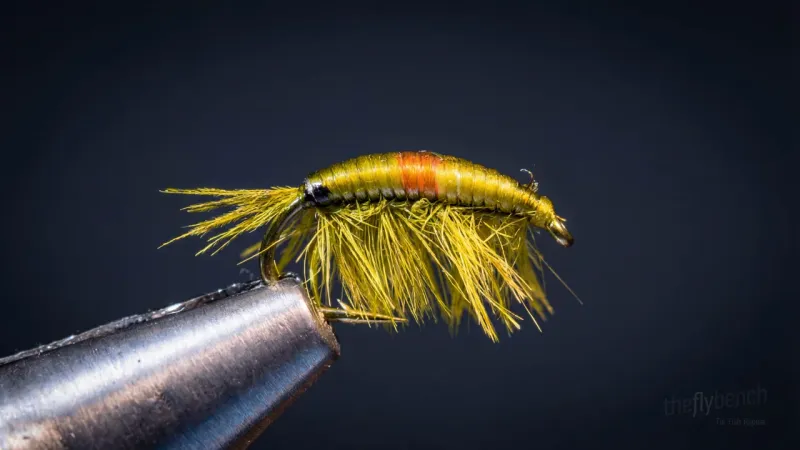
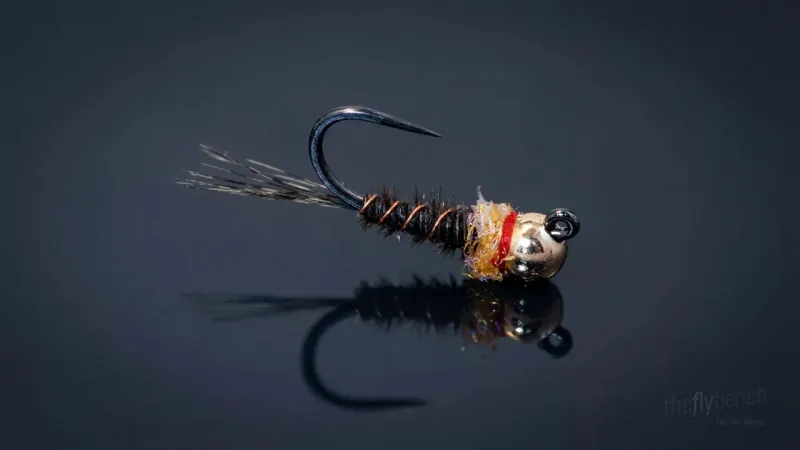
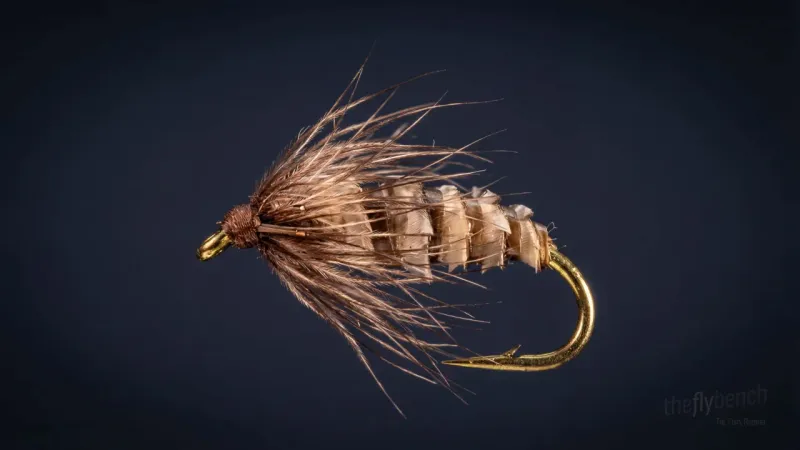
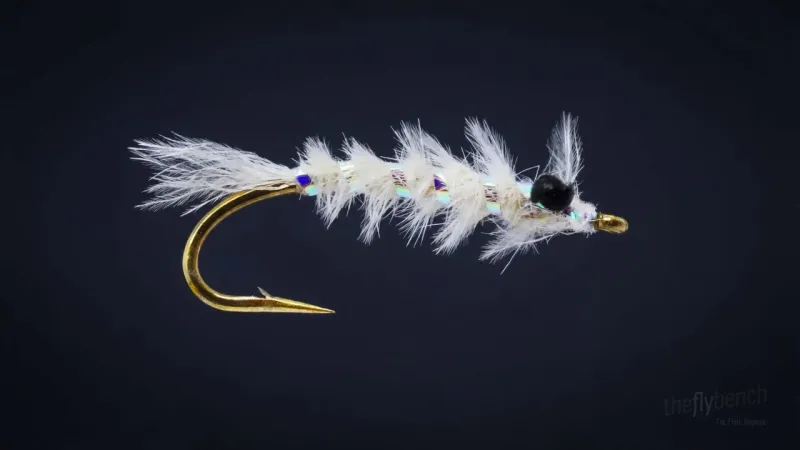
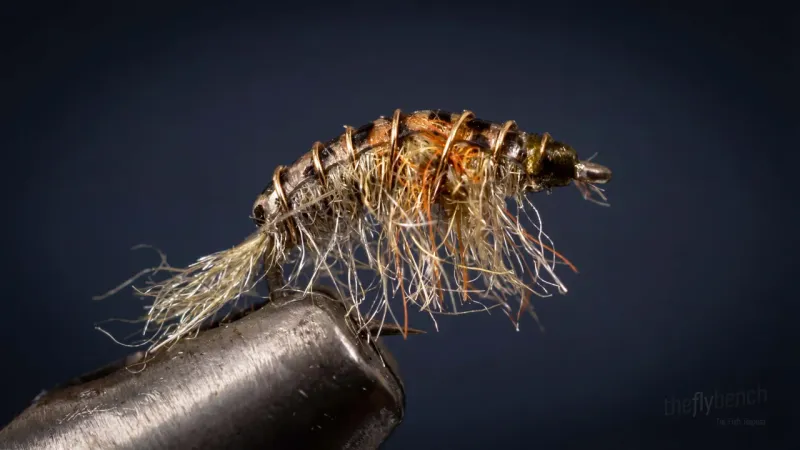
Scud / ShrimpComplex Twist Sow Bug
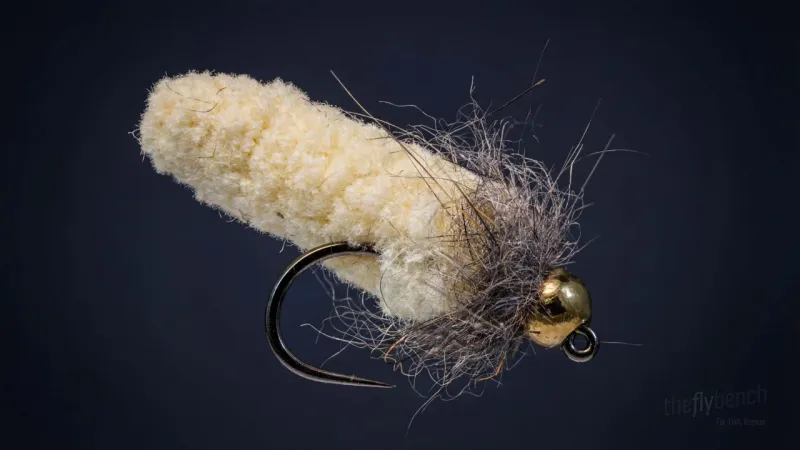
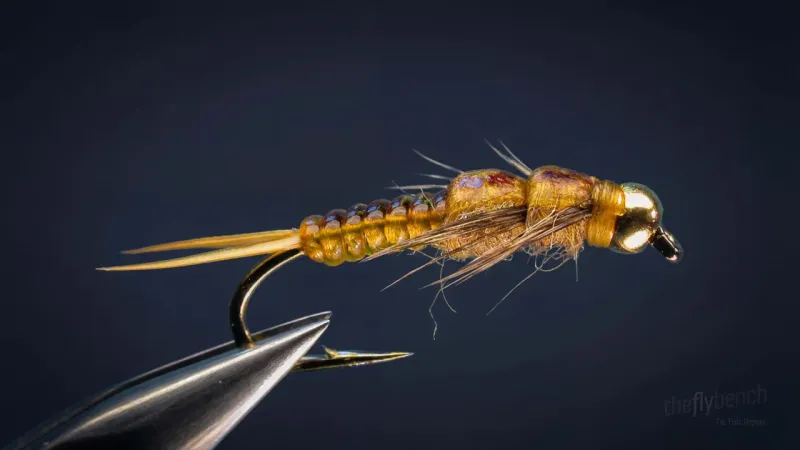
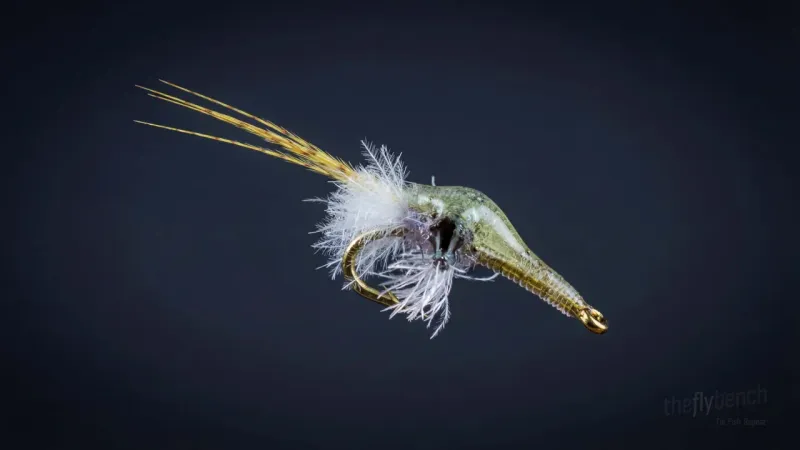
A highly effective sow bug pattern utilizing Complex Twist dubbing to create a buggy, textured appearance. The mottled Thin Skin shellback combined with clear monofilament ribbing creates realistic segmentation that mimics the natural crustacean. An excellent choice for tailwaters and spring creeks where sow bugs are abundant.
Year Round
Intermediate
Trout
Dec 2025
Overview
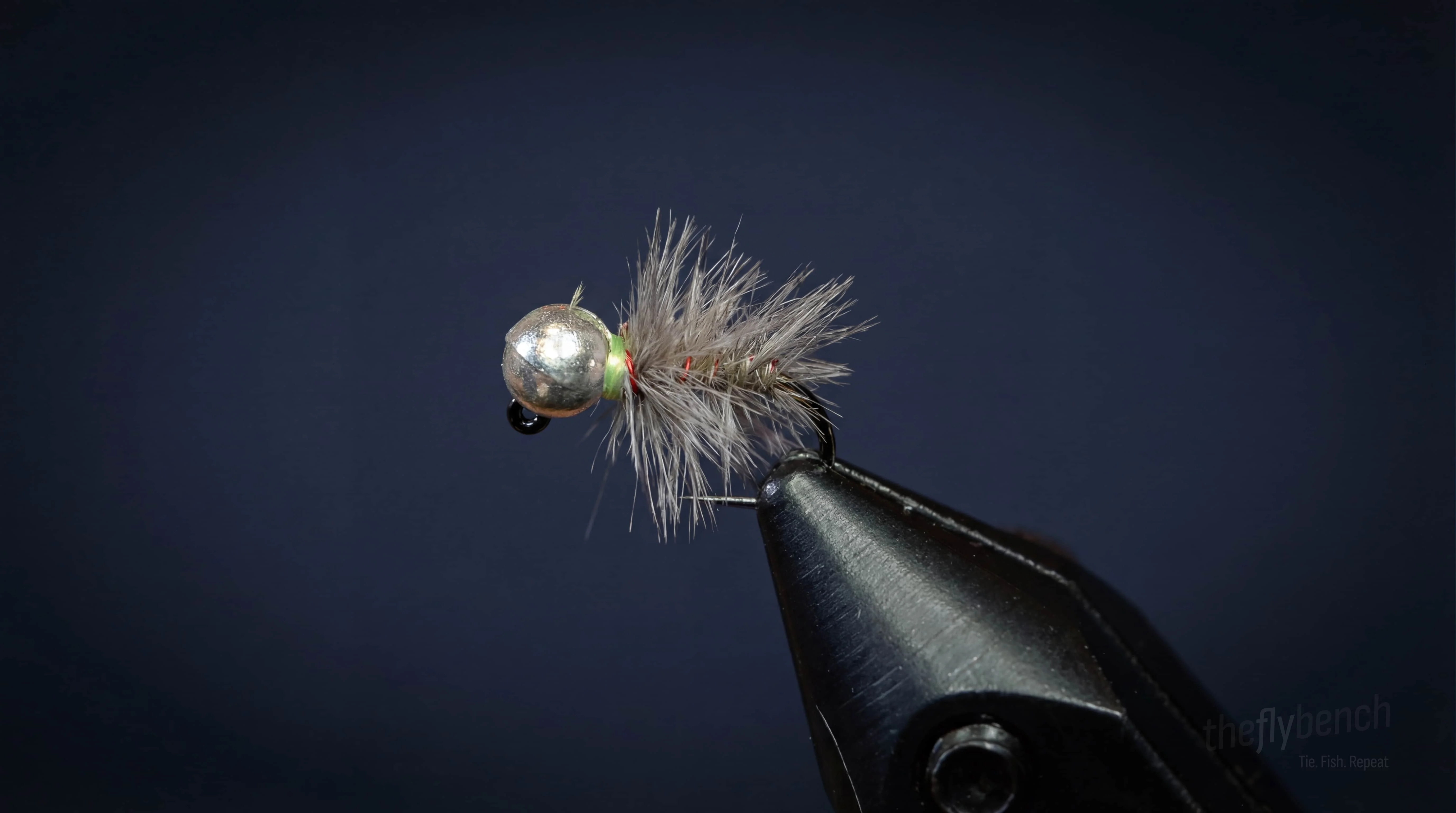
The Complex Twist dubbing brush provides exceptional texture and buggy profile while simplifying the tying process compared to traditional dubbing techniques. The gray/olive color combination effectively matches the natural coloration of sow bugs found in most tailwater systems. The slotted tungsten bead allows for easy threading and ensures the pattern sinks quickly to the feeding zone. Alternative shellback materials like scud back or Swiss straw can be substituted if Thin Skin is unavailable.
Materials
Hook: Fulling Mill 5115 Heavyweight Grub, size #14
Bead: Hareline Slotted Tungsten, silver, 3/32" (2.3mm)
Thread: UTC Ultrathread 70 Denier, gray
Body: Complex Twist dubbing brush, gray/olive
Shellback: Thin Skin, mottled bustard
Ribbing: Monofilament, clear
Behavior & Presentation
Natural Behavior: Sowbugs cling to vegetation and rocks in alkaline waters, tumbling along bottom when dislodged by currents or during molting. Year-round availability in tailwaters provides consistent, easily digestible protein without synchronized emergence timing.
Where Trout Eat It: Fish feed along bottom in runs, pocket water behind boulders, and riffles at 2-6 feet where isopods wash loose from substrate.
How to Fish It: Dead drift along bottom with weighted presentations, matching helpless tumbling of dislodged crustaceans through feeding lanes.
Best Water: Target pocket water behind structure, runs with rocky substrate, and riffle edges near vegetation where sowbugs concentrate.
Strike Type: Subtle indicator dip or slight tightening signals fish intercepting tumbling isopods during bottom drift.
Fishing Strategy
Rigging Suggestions: 9-12ft 5X-6X leader for technical presentations. Works well as point fly in tandem nymph rigs or as dropper below larger attractor. Can be fished under indicator in deeper runs or tight-lined in euro setups. Add split shot 12-18 inches above if additional weight needed.
Seasonal Timing: Year Round pattern excelling during winter and early spring when sow bugs most active and other food scarce. Particularly effective during cold water periods when trout focus on bottom-dwelling crustaceans. Most productive during midday hours when trout hold deep because winter feeding patterns concentrate activity in warmest period.
Pro Tips: Tungsten bead provides moderate sink rate, reaching depths 2-4ft relatively quickly. Gray/olive coloration blends naturally with stream bottom substrate while remaining visible. Textured dubbing brush creates subtle movement in current attracting attention without appearing unnatural.
Entomology
Sowbugs cling to submerged vegetation and rocks in alkaline waters, occasionally tumbling along the bottom when dislodged by currents or while molting their segmented exoskeletons. Trout feed on isopods year-round in tailwaters because these crustaceans provide consistent, easily digestible protein that doesn't require synchronized emergence timing.
- Organism Type
- crustacean
- Life Stage
- general