Scud / ShrimpTucker Scud
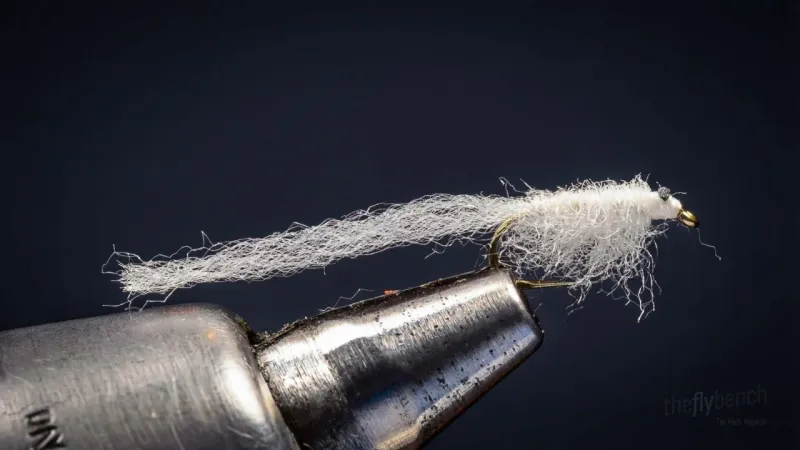
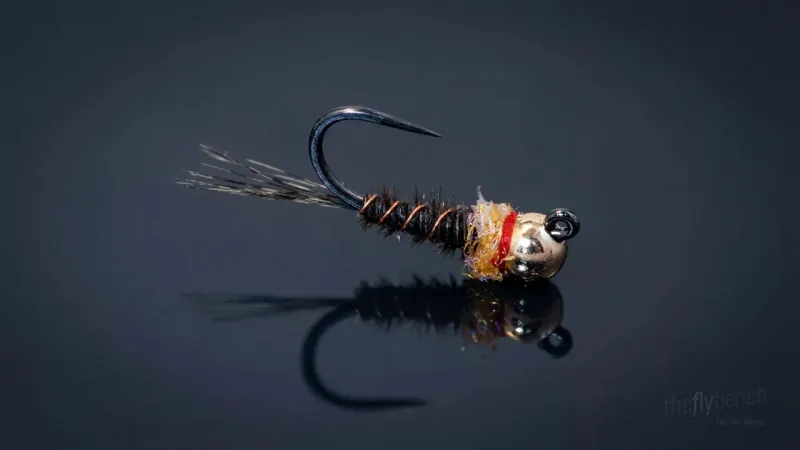
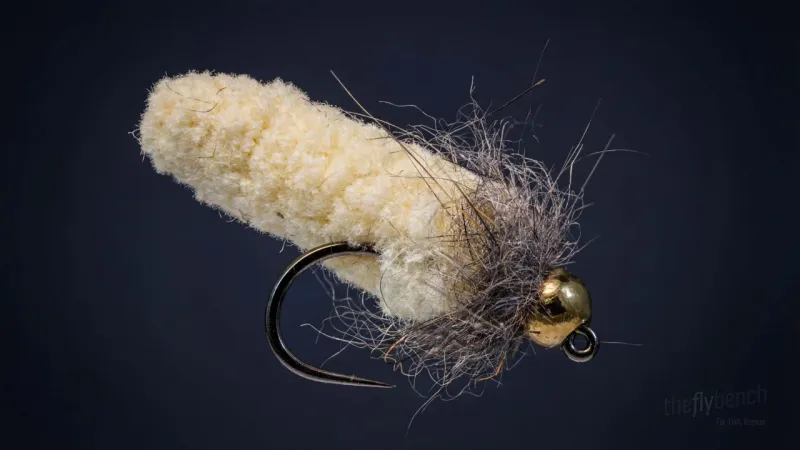
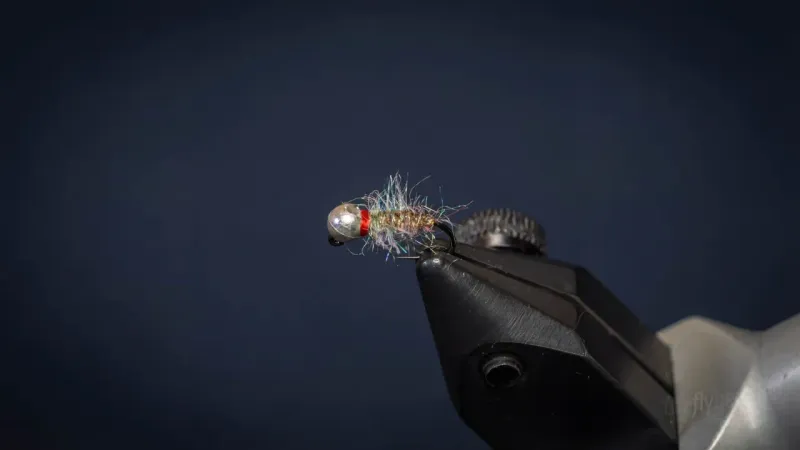
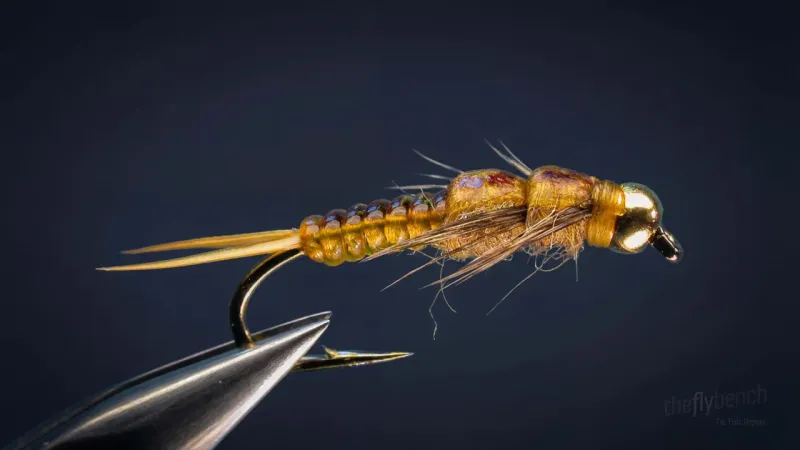
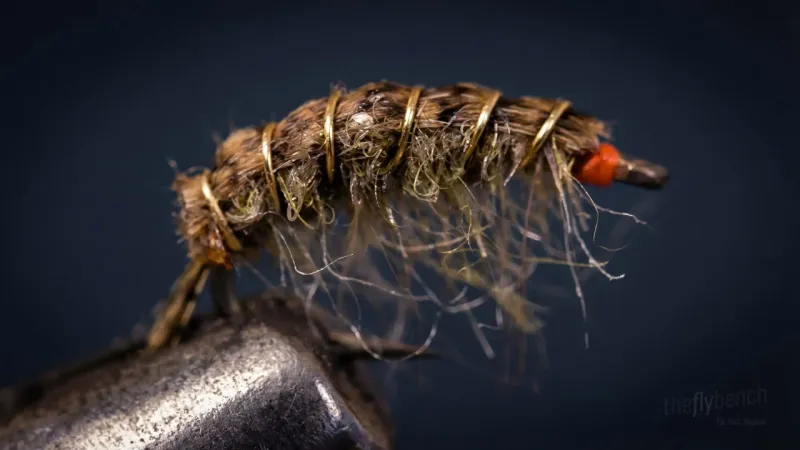
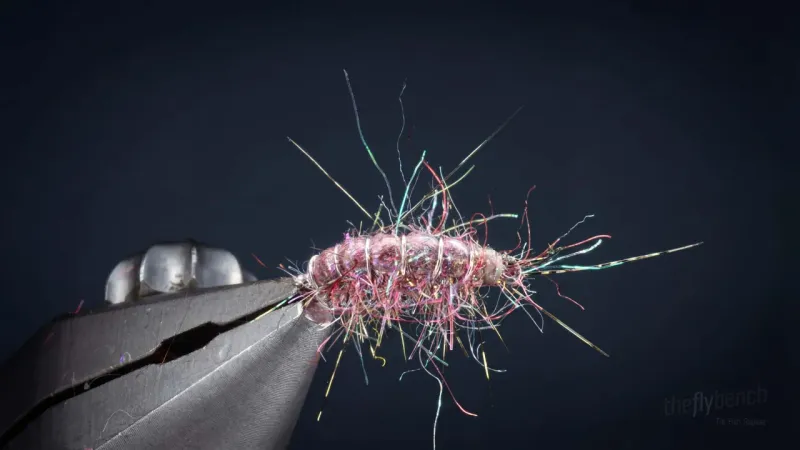
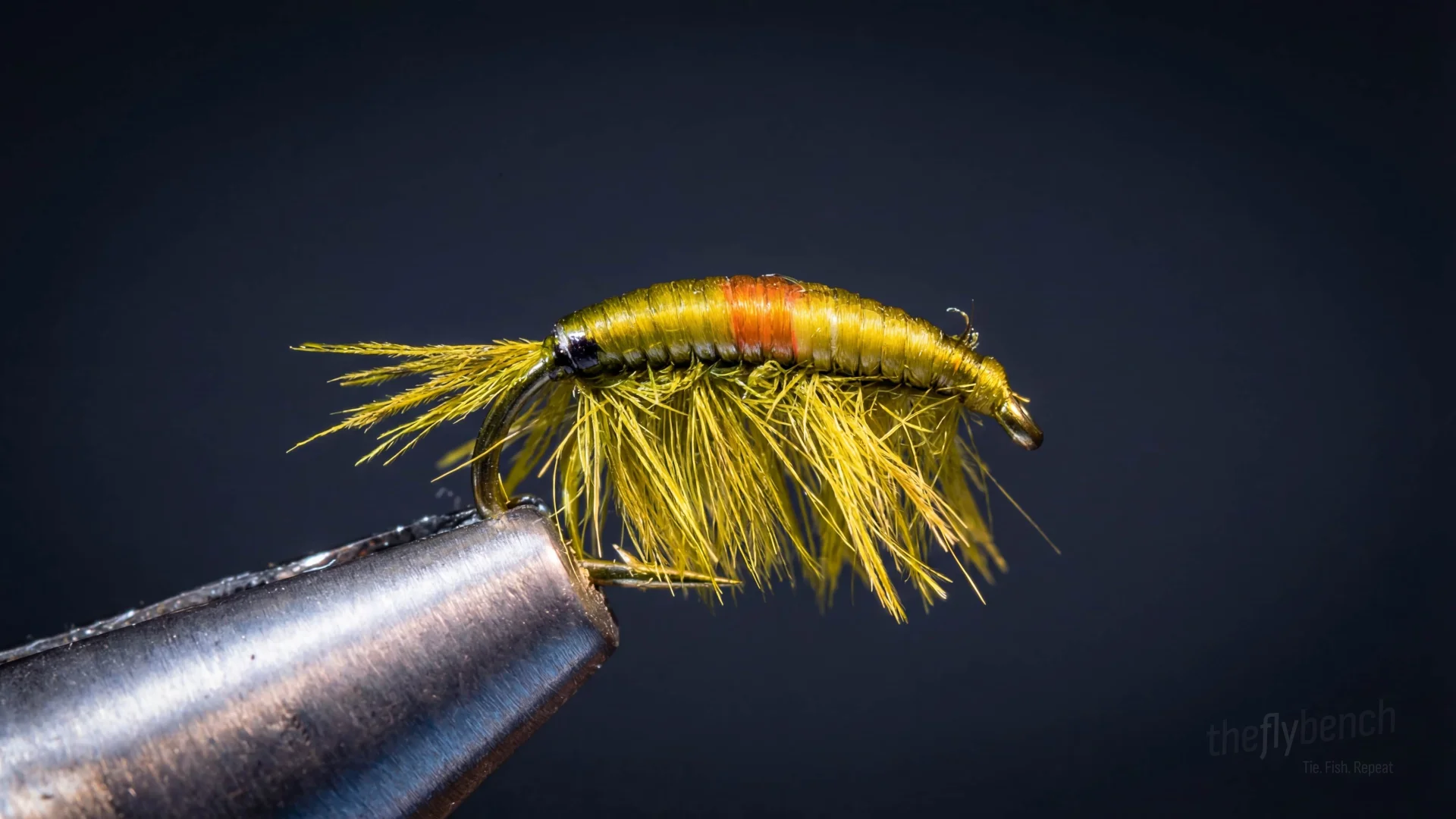
The Tucker Scud is a highly realistic scud imitation that uses innovative micro tubing to create the distinctive segmented, translucent body of natural freshwater shrimp. This pattern features an olive mallard flank tail that suggests the telson and appendages, a body of olive micro tubing that creates perfect segmentation and translucency, and olive ostrich herl legs that add movement and suggest the multiple swimming legs of natural scuds. The white thread underbody shows through the translucent tubing, adding to the realism.
Year Round
Intermediate
Trout
Dec 2025
Overview
This Charlie Craven pattern from Charlie's Fly Box represents an innovative approach to scud imitation using micro tubing. The clear or tinted tubing creates the segmented, translucent appearance of natural scuds while being incredibly durable. The white thread underbody shows through the tubing, suggesting the pale internal organs visible through a scud's semi-transparent exoskeleton. The curved Tiemco 2487 hook accurately represents the swimming posture of scuds, which curl into a distinctive comma shape when moving through the water. The olive mallard flank tail creates the cluster of appendages at the rear of the natural insect. The ostrich herl legs are soft and mobile, pulsing with any current movement to suggest the constant motion of a scud's swimming legs. This pattern is particularly effective in spring creeks and tailwaters where scud populations are abundant.
Materials
Hook: Tiemco 2487, #14
Thread: Magpie Thread 72D, white
Tail: Mallard Flank, olive
Body: Micro Tubing, olive
Legs: Ostrich Herl, olive
Behavior & Presentation
Natural Behavior: Freshwater scuds tumble awkwardly through currents in their characteristic side-to-side rolling motion when dislodged from vegetation, unable to swim effectively. Their abundance in weed-rich waters and protein content make them sought-after forage.
Where Trout Eat It: Fish cruise weed edges and drop-offs in both rivers and lakes, intercepting scuds tumbling along the bottom or mid-column.
How to Fish It: Dead drift along the bottom mimicking the helpless tumbling motion, with occasional short strips suggesting attempts to reach cover.
Best Water: Work weed edges where scuds concentrate, drop-offs along vegetation transitions, and shoals with aquatic plant beds.
Strike Type: Takes feel like soft line draws or gentle indicator pauses as fish mouth the pattern deliberately.
Fishing Strategy
Rigging Suggestions: Fish on a 9-12 foot leader with 4X-5X fluorocarbon tippet. Add split shot as needed to get the fly to the bottom. In lake, fish under an indicator or with a slow retrieve along weed edges.
Seasonal Timing: Effective as scuds are present in all seasons. Particularly productive in and early when other food sources are scarce and trout focus heavily on scuds.
Pro Tips: This is a sinking pattern designed to probe the water column near the bottom. The olive coloration matches most scud populations, though scuds can vary from tan to gray to orange depending on their diet.
Entomology
Freshwater amphipods tumble through aquatic vegetation in characteristic comma-shaped postures, their multiple swimming legs beating rapidly to navigate through weed beds and algae mats. When dislodged from their vegetative habitat, scuds swim awkwardly toward the bottom with limited directional control. Fish eagerly consume scuds because these crustaceans are abundant, energy-rich food sources that occur in dense populations within productive spring creeks and tailwaters.
- Organism Type
- crustacean
- Life Stage
- general