NymphIsoflymph
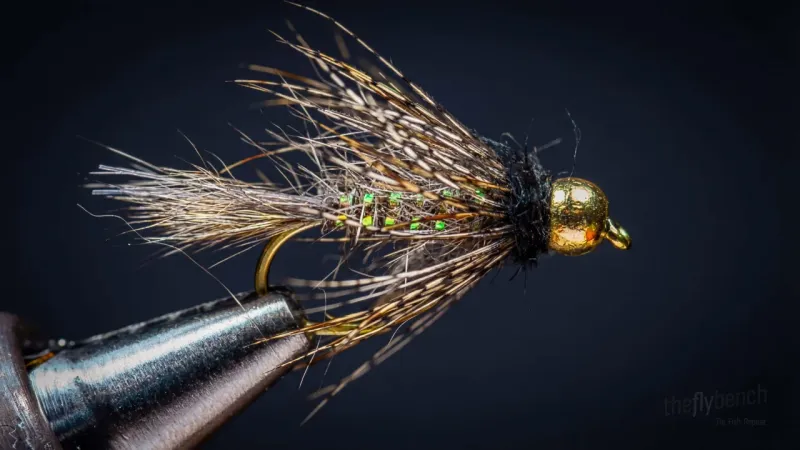
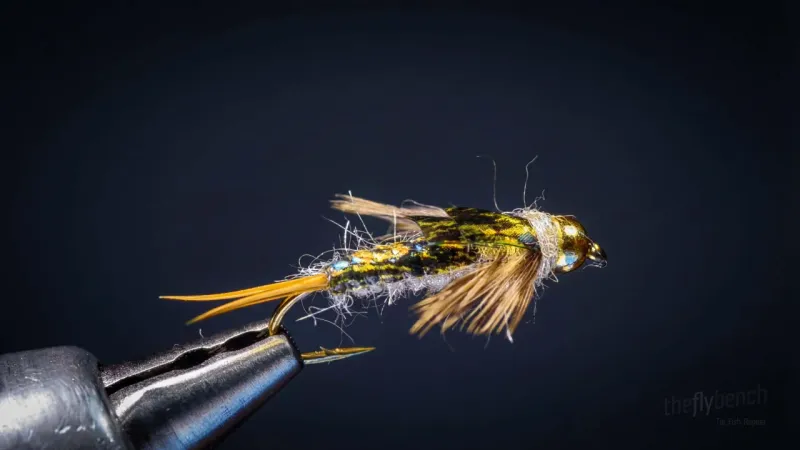
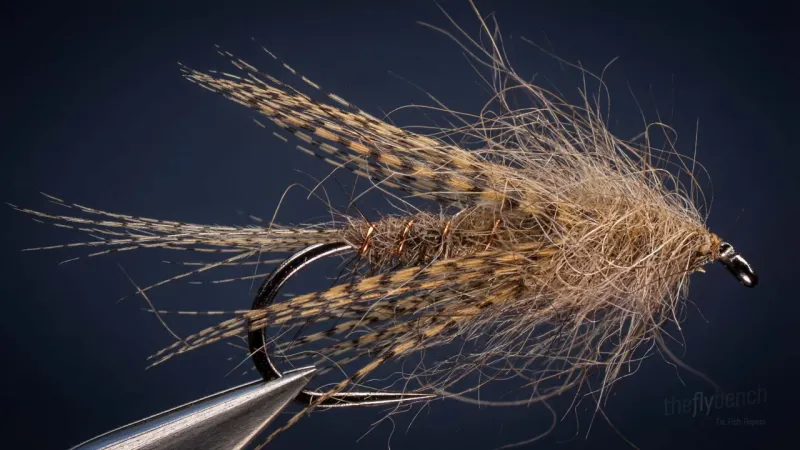
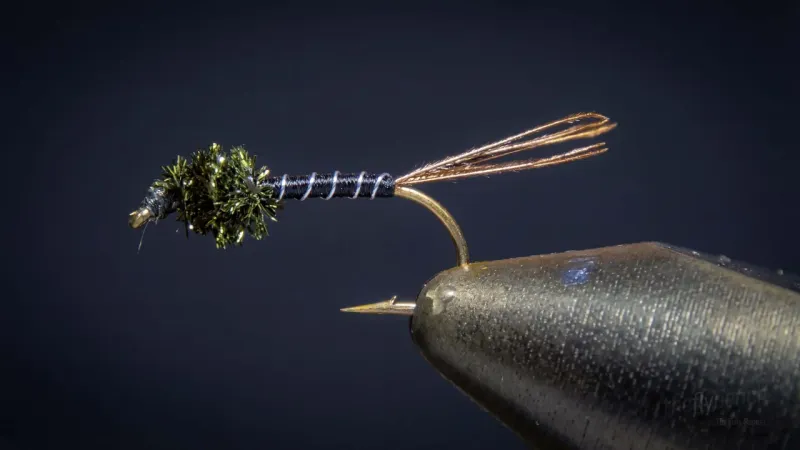
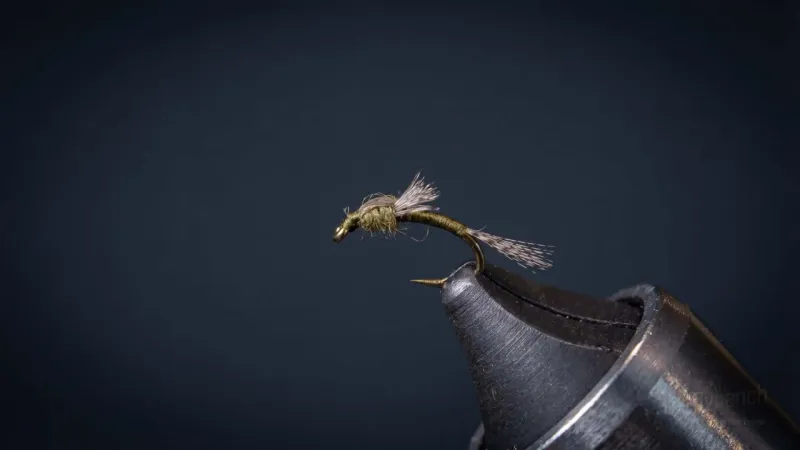
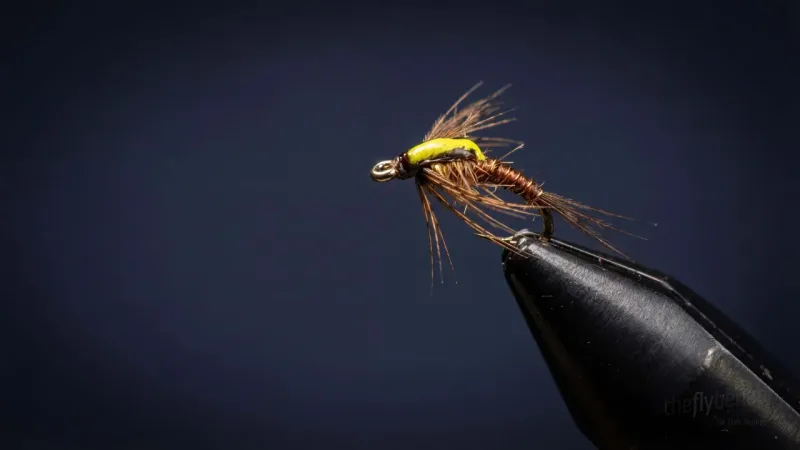
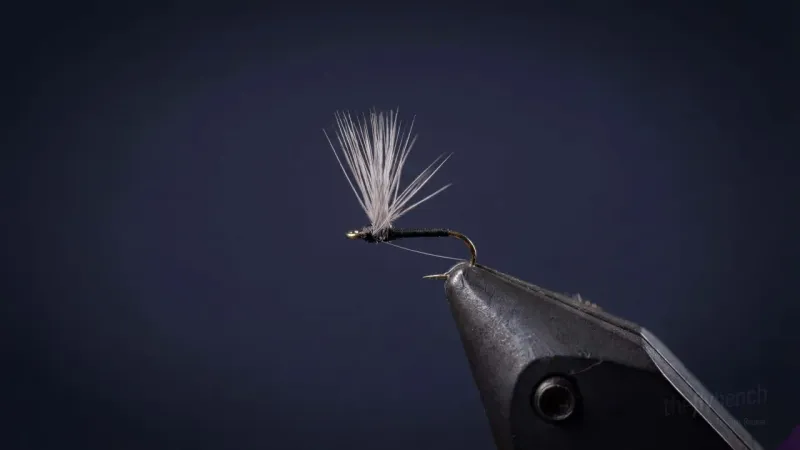
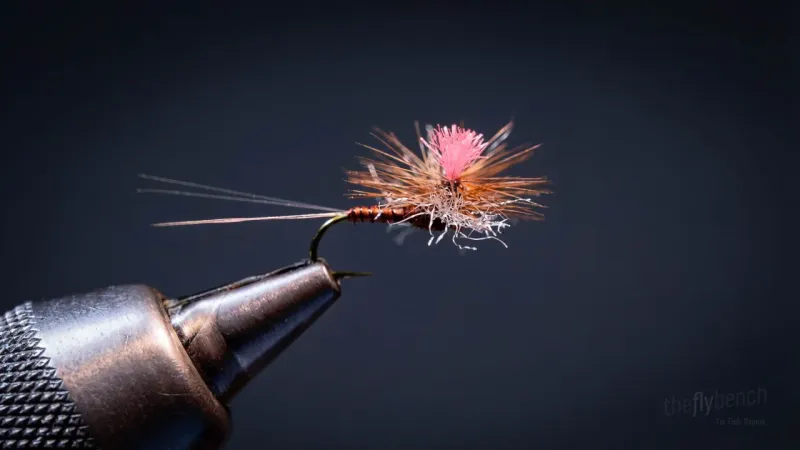
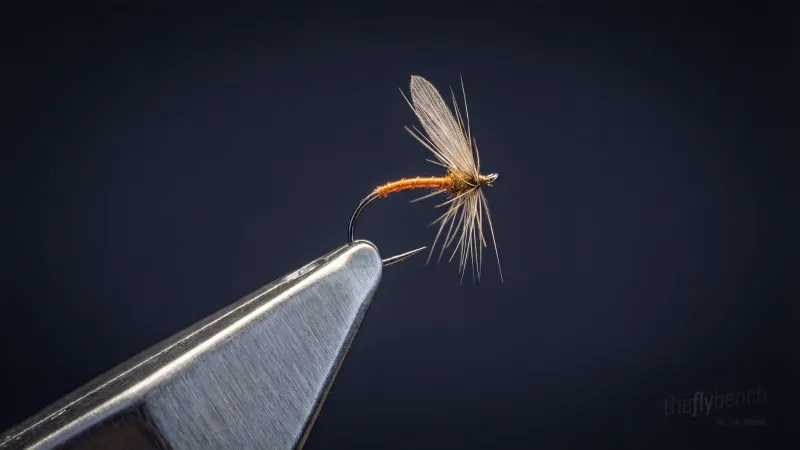
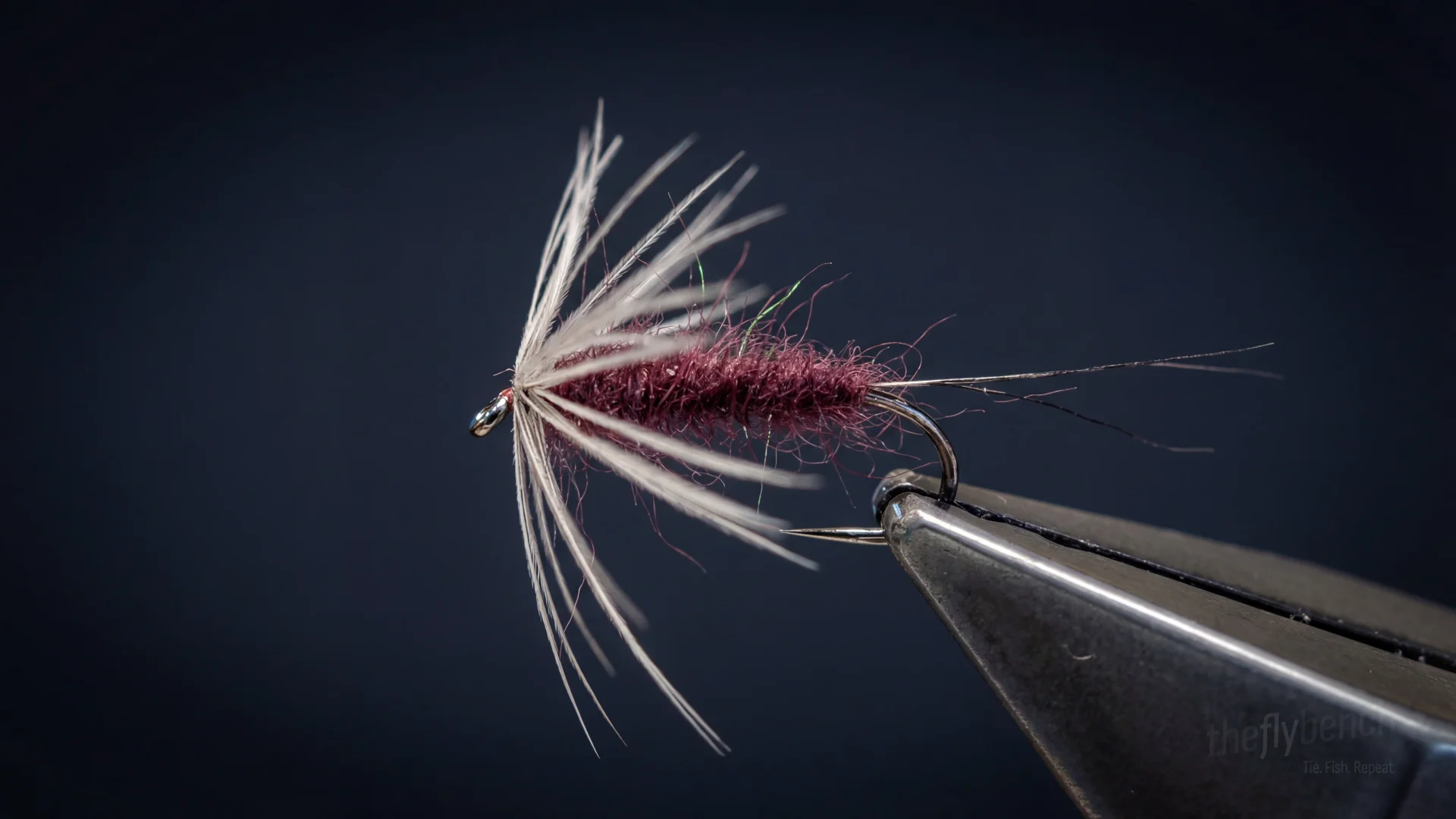
Bill Shuck's Isoflymph imitates a mayfly nymph nearing emergence, built with a dark claret hare-body dubbing spun in a split thread for a buggy, translucent profile. Three moose body hairs form the tail and a soft medium dun hen saddle hackle stands in for legs, giving trout a lifelike target as nymphs rise toward the surface.
Spring, Summer, Fall
Intermediate
Trout
Feb 2026
Overview
Shuck designed the Isoflymph as a soft-hackle-style nymph rather than a heavily weighted one, letting the sparse hen saddle hackle breathe and pulse on a slow retrieve or dead drift. The dark claret hare dubbing can be tied in various shades to match different mayfly species, since the recipe is built around the technique rather than an exact color match. It works well fished just under the surface during a hatch, when naturals are most active swimming toward the film, on both moving water and stillwater.
Where to Buy This Fly
We only link to fly shops we trust. Some links are referral links, which may earn us a commission at no extra cost to you.
Materials
- Hook:
- Grip 13021BL #12 (or equivalent nymph hook)
- Thread:
- Benecchi 12/0, claret
- Hackle:
- Hen saddle, natural medium dun
- Tail:
- Moose body hair, three
- Body:
- Hare body, dyed dark claret - in split thread
Behavior & Presentation
Natural Behavior: Isonychia mayfly nymphs actively swim in powerful darting motions toward the surface during emergence periods, their large mahogany-brown bodies undulating with exposed gills. These strong swimmers periodically burst from bottom substrate toward mid-column, creating visible movement that triggers predatory response from trout anticipating vulnerable transformation phases.
Where Trout Eat It: Trout target swimming Isonychia nymphs mid-column, intercepting powerful nymphs darting toward surface during pre-emergence.
How to Fish It: Dead drift with intermittent twitching using rod-tip action, strip-striking to accommodate swimming nymph movement.
Best Water: Focus on freestone riffle margins with exposed boulders, hydraulic pockets 2-4 feet deep, and moderate-gradient runs.
Strike Type: Dead drifting with intermittent twitching using rod-tip action, fish take aggressively during the darting motion. Strip-strike to accommodate swimming nymph movement when indicator dips or line hesitates mid-drift.
Fishing Strategy
Rigging Suggestions: Use a 9-10 foot leader with 4X-5X tippet. Add split shot 8-12 inches above the fly and a strike indicator.
Seasonal Timing: Most effective during peak feeding periods at dawn and dusk. Water temperatures between 45-65°F typically produce best results.
Pro Tips: Isonychia nymphs are strong swimmers, so don't be afraid to impart action. Strip-strike rather than lift-strike for better hooksets.
Entomology
Mayfly nymphs crawl along the bottom substrate, periodically swimming in darting motions toward the surface during emergence periods while exposing their undulating gills and segmented bodies. Fish target these nymphs during pre-hatch activity because the insects become increasingly active and visible as emergence approaches, and their swimming motions signal that vulnerable transformation phases are imminent.
- Order
- Ephemeroptera
- Common Name
- Mayfly
- Organism Type
- insect
- Life Stage
- nymph