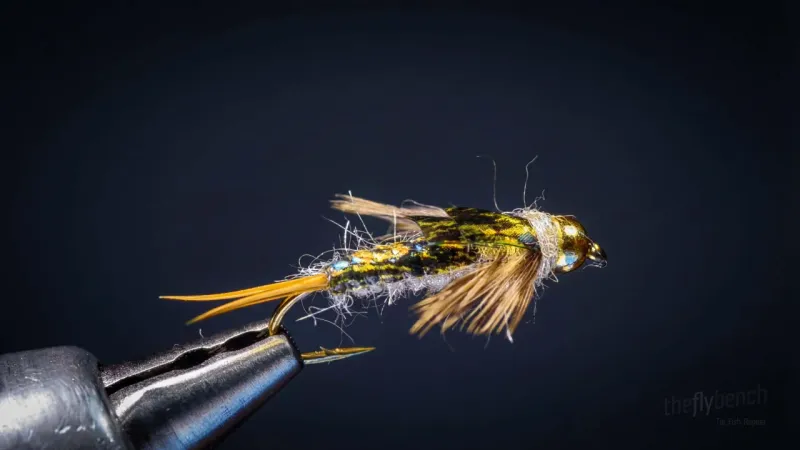
NymphA.P. Nymph (generic)
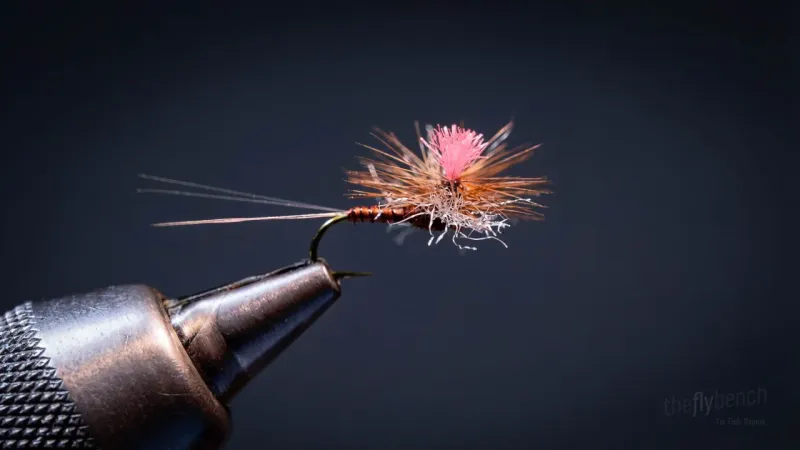
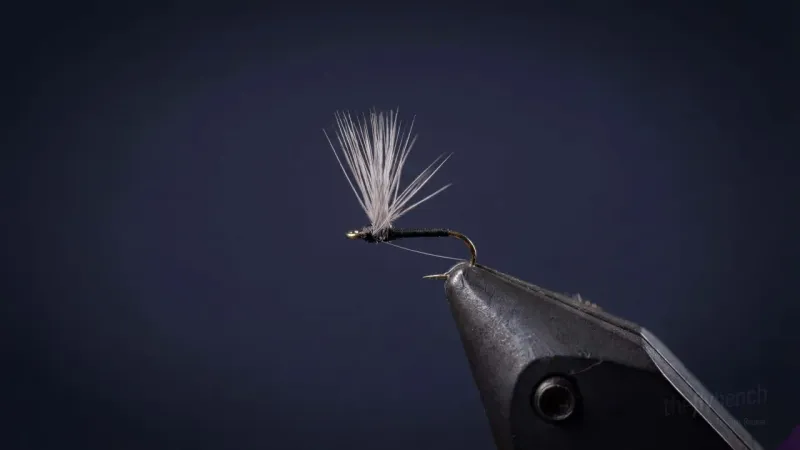
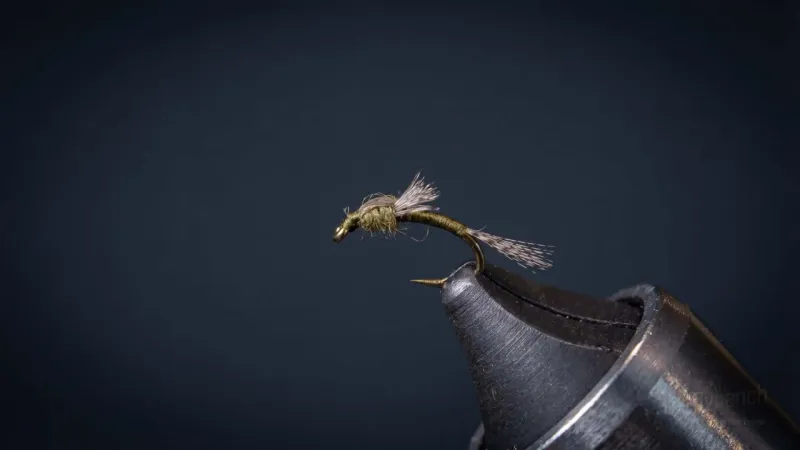
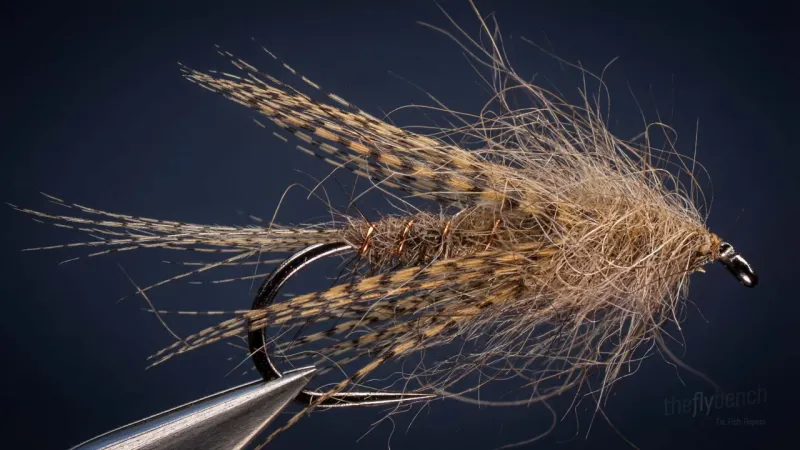
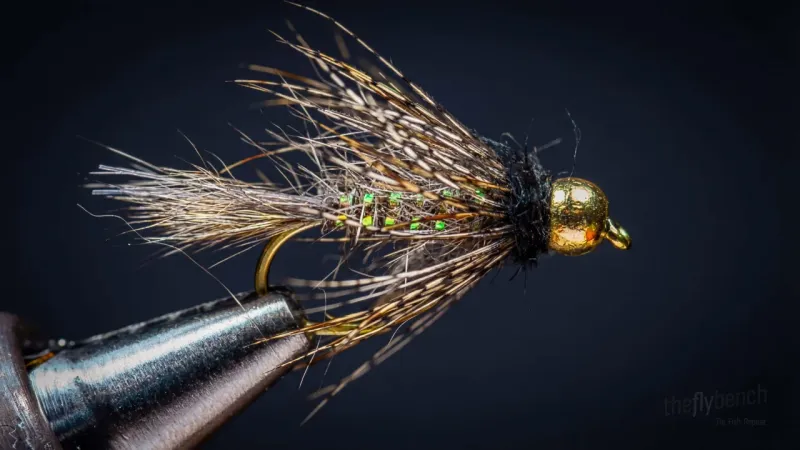
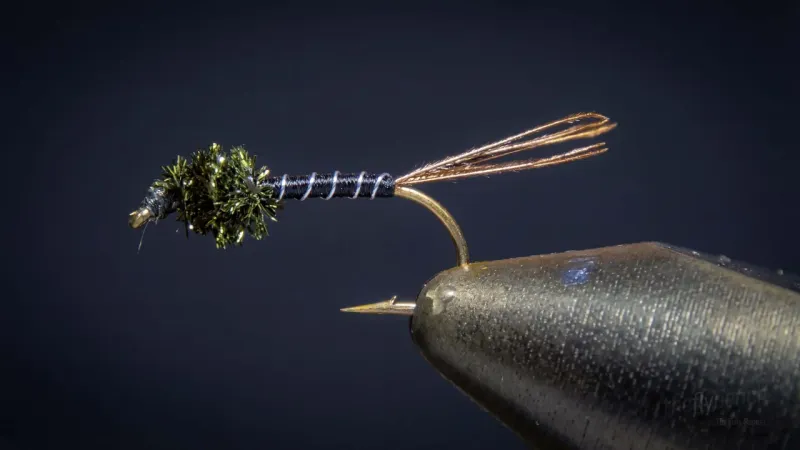
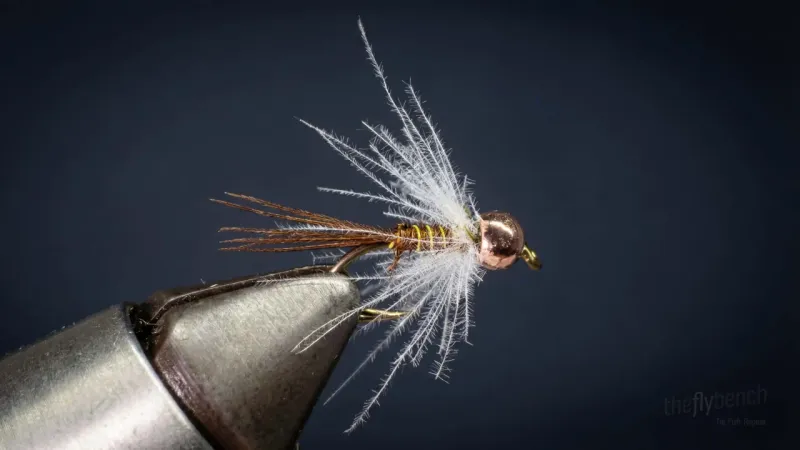
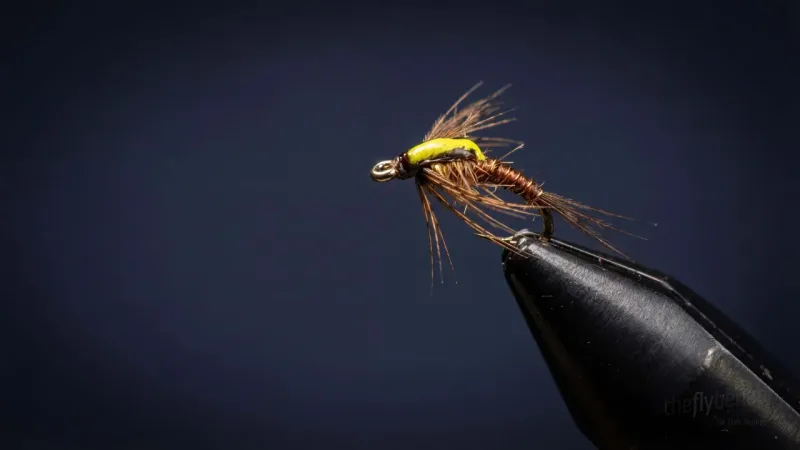
Andre Puyans' A.P. Nymph pairs a shaggy olive Argentinean hare body with a moose-hair tail, wingcase, and legs to suggest a generic mayfly nymph rather than one species. Lead wire wound through the thorax gets it down through moderate currents, and a gold wire rib adds segmentation to the buggy dubbing. It's a searching pattern for moving water and stillwater alike.
Spring, Summer, Fall
Intermediate
Trout
Feb 2026
Overview
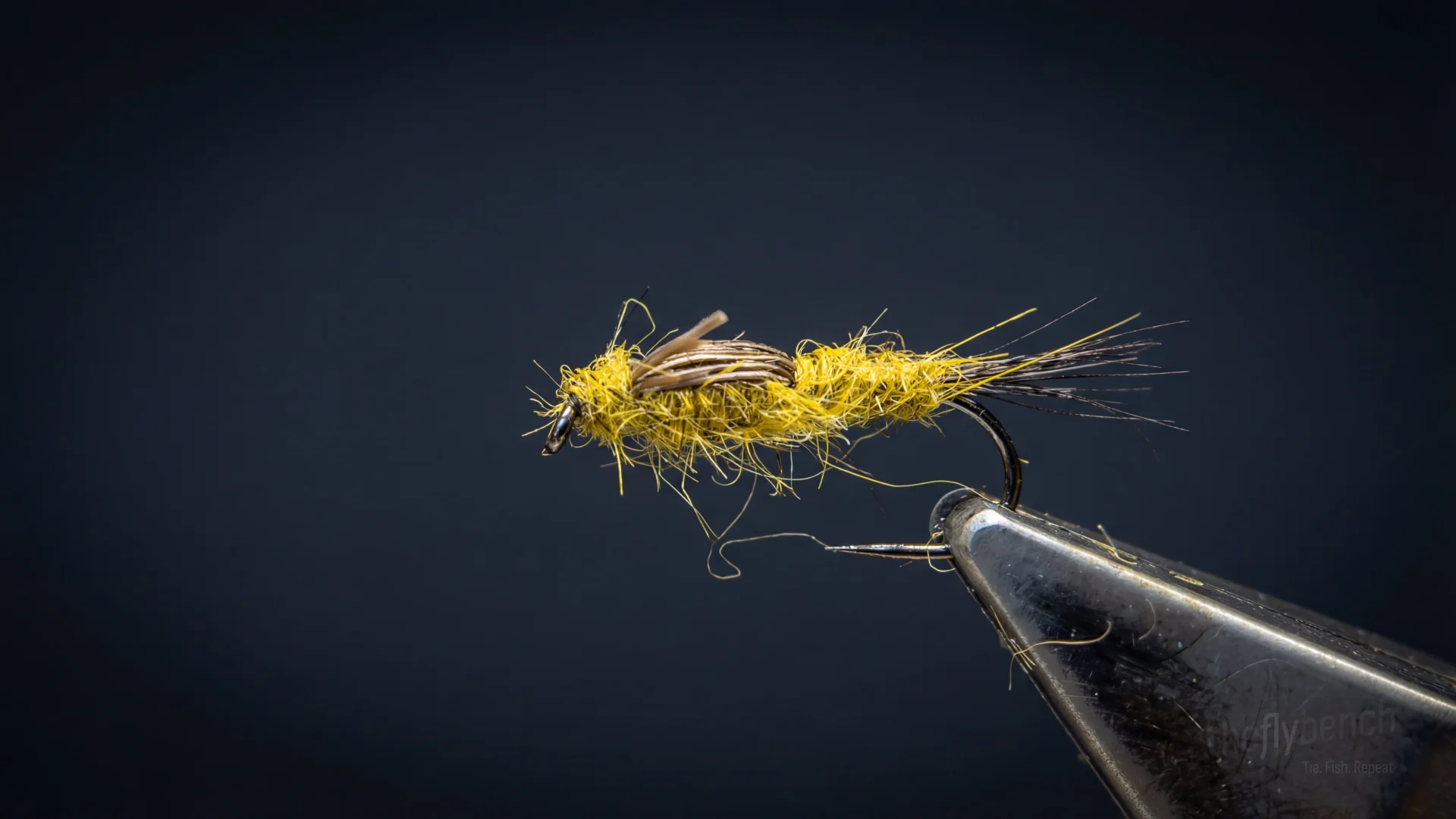
Puyans designed the A.P. Nymph as a general searching pattern rather than a specific imitation, relying on the rough texture of dyed olive Argentinean hare to suggest movement and translucency across many mayfly species. Moose body hair does triple duty as tail, wingcase, and legs, keeping the tying simple while adding dark, defined accents against the olive dubbing. Weighting the thorax only with lead wire lets the abdomen stay slim while still sinking the fly. Good as a year-round attractor nymph dead-drifted through riffles and drop-offs.
Where to Buy This Fly
We only link to fly shops we trust. Some links are referral links, which may earn us a commission at no extra cost to you.
Materials
- Hook:
- Partridge Barbless Ideal Nymph #12
- Thread:
- Benecchi 12/0, olive
- Weight:
- Lead wire, thorax only
- Rib:
- Wire, gold
- Tail/wingcase/legs:
- Moose body hair
- Abdomen/thorax/head:
- Argentinean hare, dyed olive
Behavior & Presentation
Natural Behavior: Mayfly nymphs cling to rocks in fast water or swim through moderate currents while feeding on algae, frequently becoming dislodged and drifting helplessly. Their widespread distribution makes them fundamental daily forage across all water types.
Where Trout Eat It: Fish hold in feeding lanes throughout runs and riffles, intercepting drifting nymphs at mid-depth to bottom.
How to Fish It: Present with drag-free dead drift through nymphing runs, using high-stick or indicator techniques to maintain natural drift speeds.
Best Water: Target runs with consistent current, riffles delivering drifting nymphs, and tail-outs where insects concentrate.
Strike Type: Watch for indicator dips, hesitations, or subtle line tightening signaling takes.
Fishing Strategy
Rigging Suggestions: Use a 9-10 foot leader with 4X-5X tippet. Add split shot 8-12 inches above the fly and a strike indicator.
Seasonal Timing: Most effective during peak feeding periods at dawn and dusk. Water temperatures between 45-65°F typically produce best results.
Pro Tips: The dubbed body creates a buggy profile while maintaining a slim silhouette. Adjust weight to achieve natural drift speeds.
Entomology
Mayfly nymphs inhabit various stream niches depending on species, from clinging to rocks in fast water to swimming through moderate currents while feeding on algae and microscopic organisms. Their widespread distribution across all water types and consistent presence in drift samples make them fundamental forage that trout consume daily throughout the season.
- Order
- Ephemeroptera
- Common Name
- Mayfly
- Organism Type
- insect
- Life Stage
- nymph