

Overview
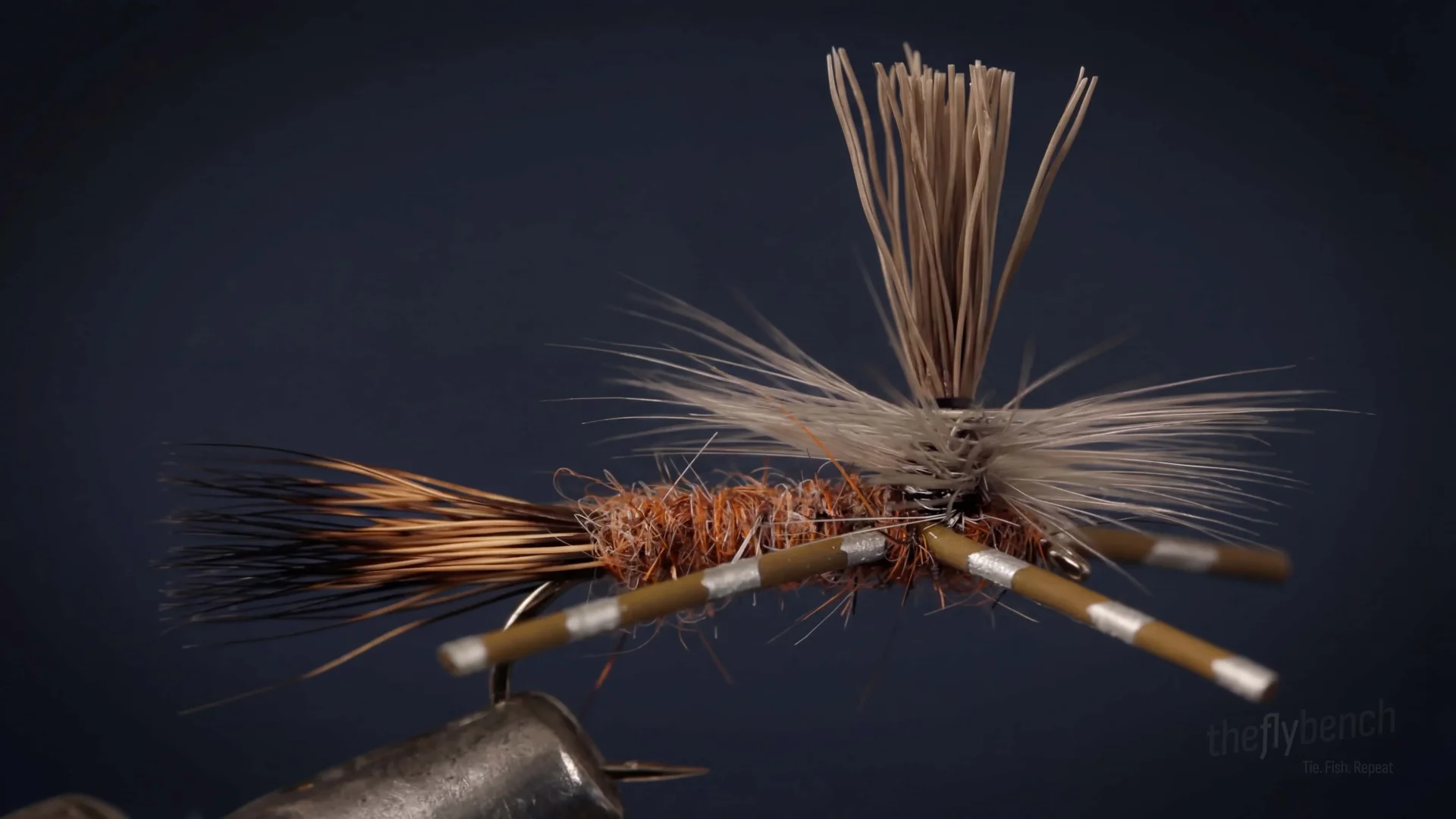
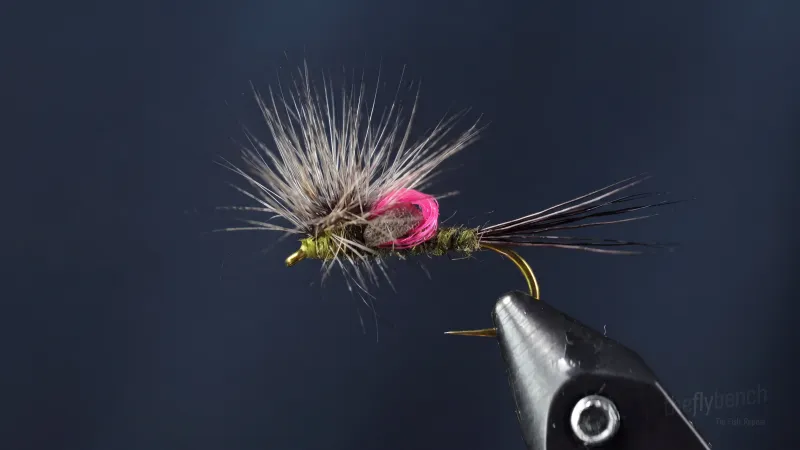
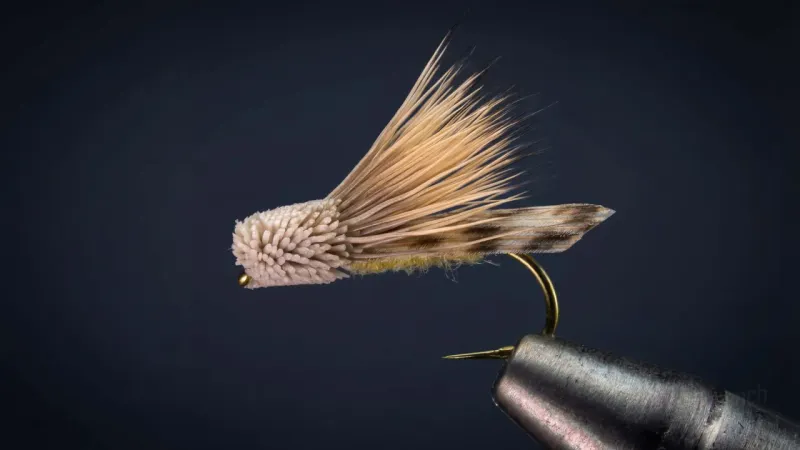
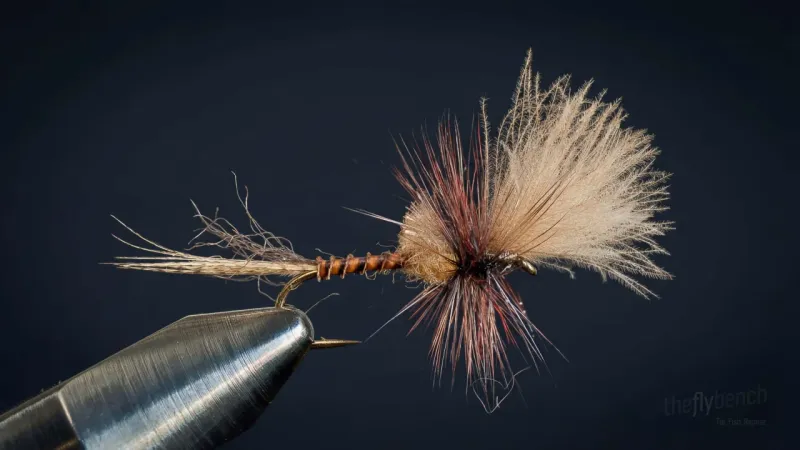
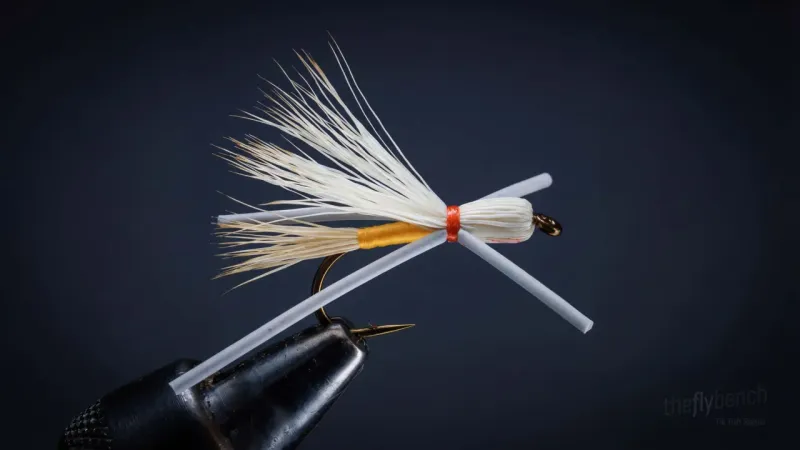
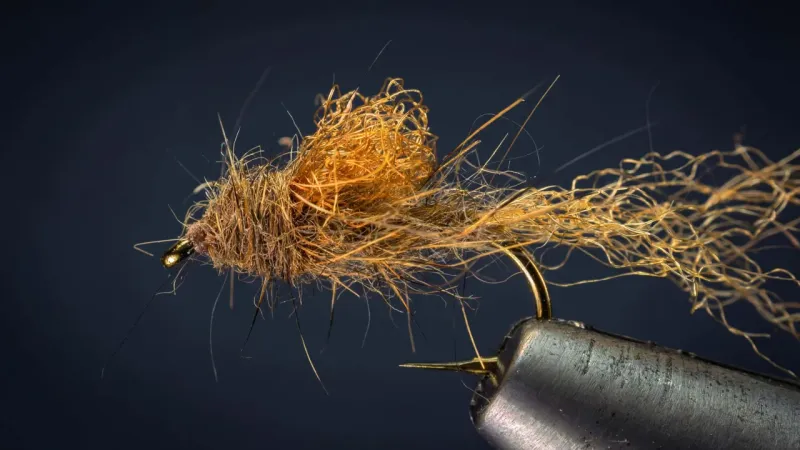
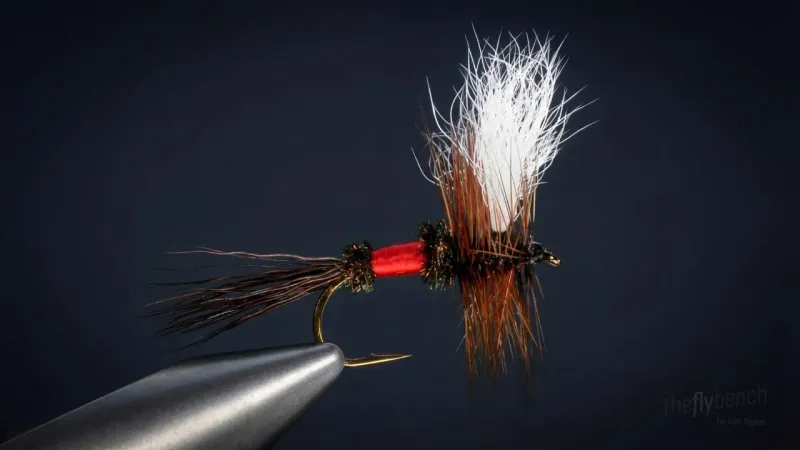
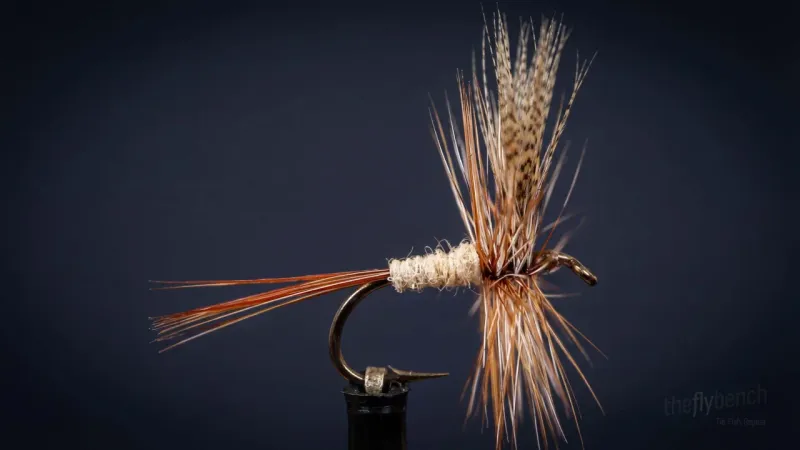
Tim Flagler's Isonychia dun, adapted from the PMX. It has a deer hair tail and post, an Isonychia dry-fly dubbing body and thorax, a medium dun hackle and barred round rubber legs on a #10-12 dry-fly hook. The buggy silhouette and long legs make it a strong searching pattern for late summer and fall Iso hatches in fast water.
Related patterns
Behavior & presentation
- Natural Behavior
- Isonychia duns hatch in riffles and fast runs, often crawling out on rocks, and many ride the current before flying off.
- Where Trout Eat It
- Trout rise to it in riffles, fast runs and pocket water where duns drift.
- How to Fish It
- Dead drift it on the surface. It can also carry a Copper John or Hare's Ear dropper 18-36 inches below.
- Best Water
- Fast boulder runs, riffles and pocket water on eastern freestone rivers.
- Strike Type
- Look for splashy rises to the fly, or for the dry to dip when a fish takes the dropper.
Fishing strategy
- Rigging Suggestions
- Fish it on a 9-foot leader with 4X-5X tippet, alone or with a nymph dropper 18-36 inches below.
- Seasonal Timing
- Isonychia hatch from June through October in the East. Evenings are often best.
- Pro Tips
- The deer hair post makes it easy to see in broken water, and the rubber legs add movement on the surface.
From River & Run
Open River & RunWhere to fish it
Rivers anglers pair with this fly, with local shops that stock it.
River details and fly shops from River & Run, our sister site.
Entomology
Isonychia nymphs crawl onto rocks or swim to the surface to hatch, and the large dark duns ride the current in riffles and runs before flying off. Trout rise to them from June through October, especially in the evening.
- Order
- Ephemeroptera
- Family
- Isonychiidae
- Common name
- Isonychia
- Organism
- insect
- Life stage
- dun
Pattern details
- Moving Water
- Northeast
- dry-dropper
- drake-hatch
- modern
- searching-pattern