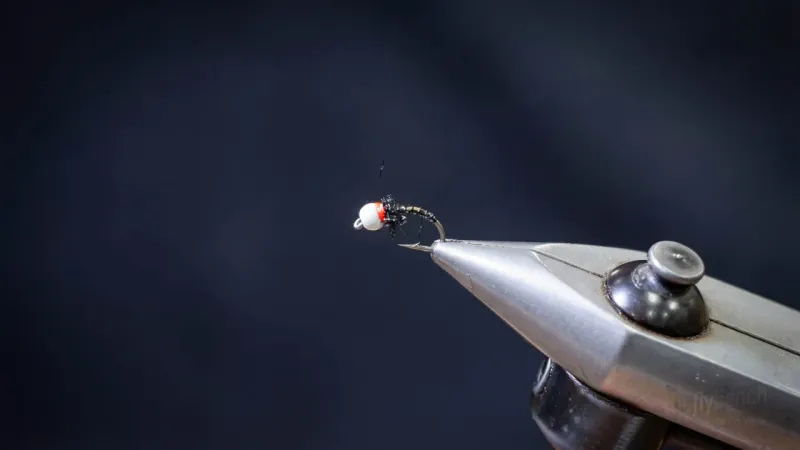
NymphGummi Grub
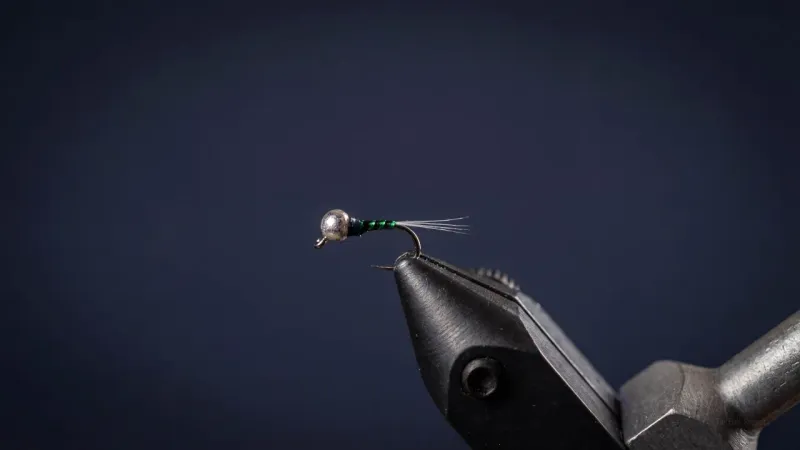
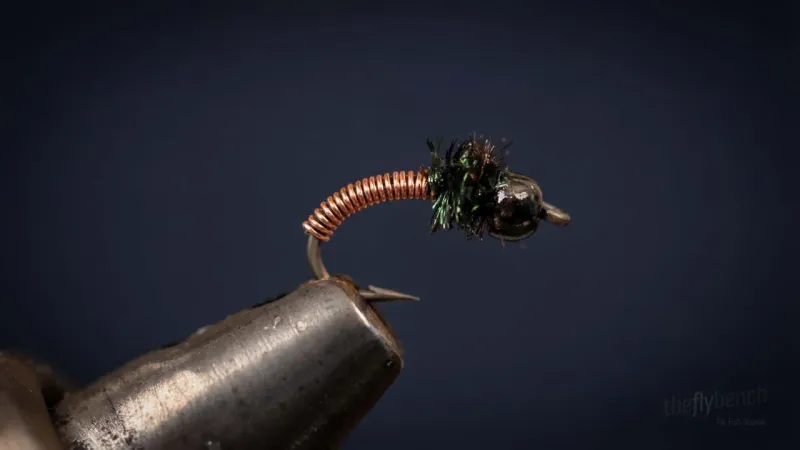
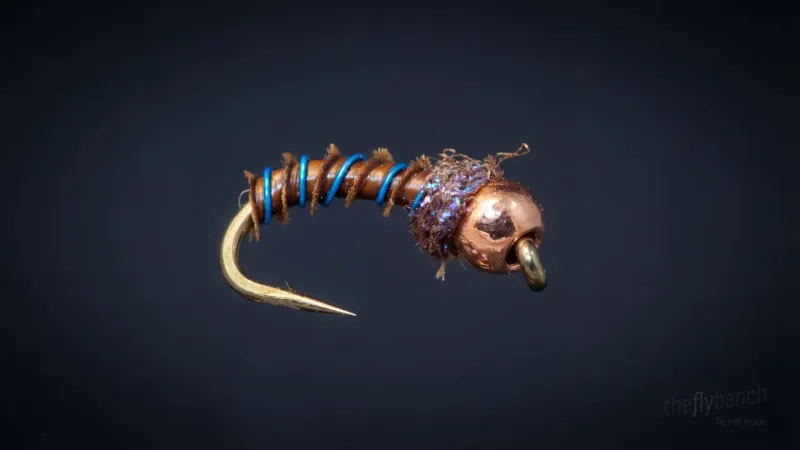
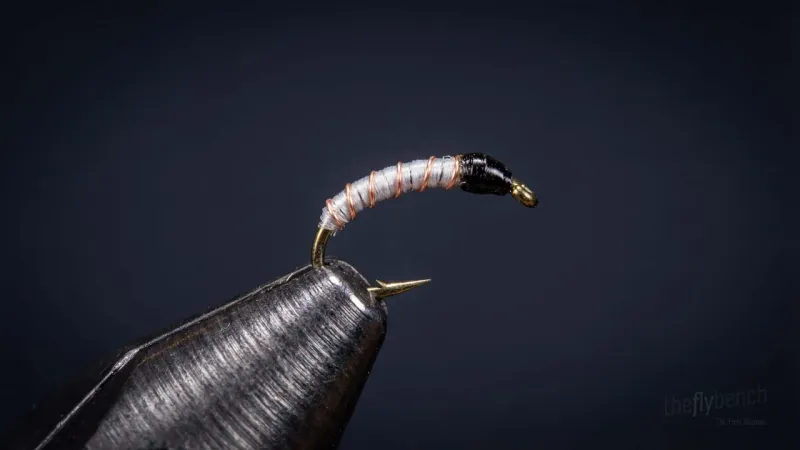
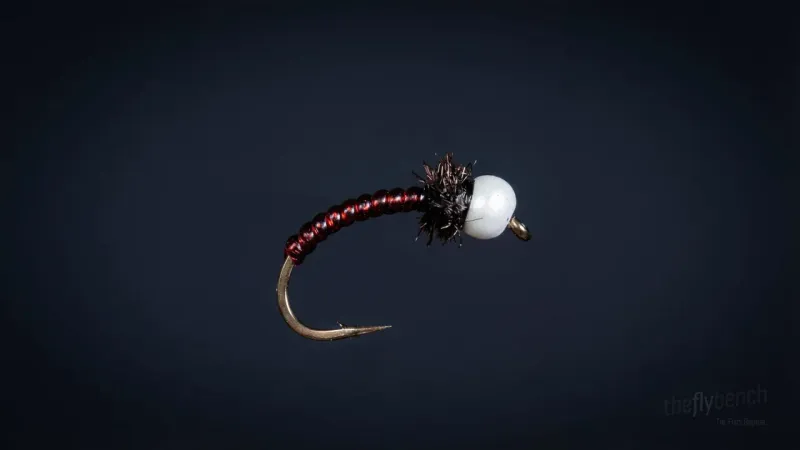
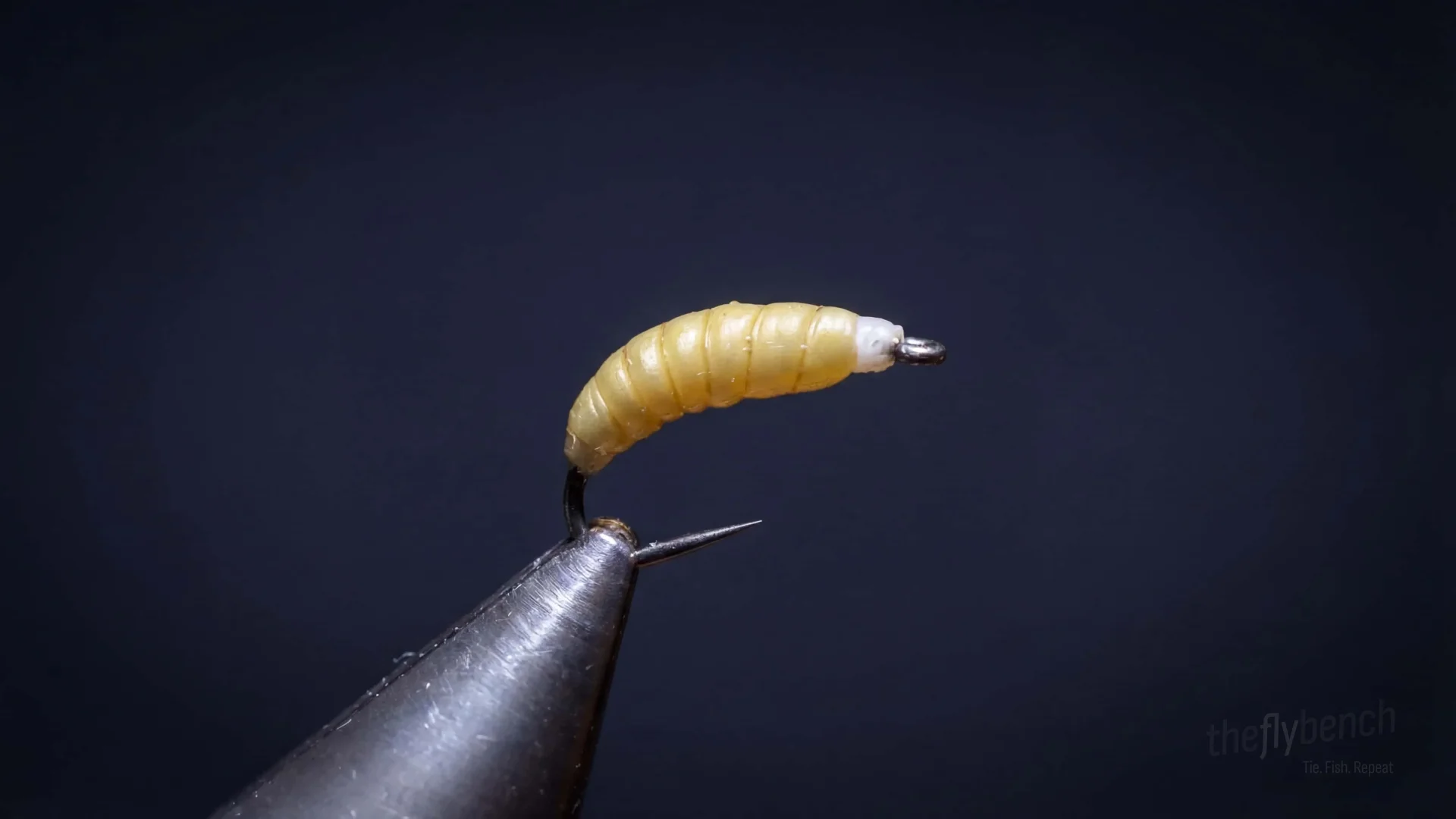
The Gummi Grub is a realistic larvae imitation designed by Barry Ord Clarke that uses nymph skin or latex to create a translucent, segmented body. The simple design only requires practice mastering the nymph skin wrapping technique. Once perfected, this little grub excels in pocket water and euro nymphing presentations for both trout and grayling.
Year Round
Intermediate
Trout, Grayling
Nov 2025
Overview
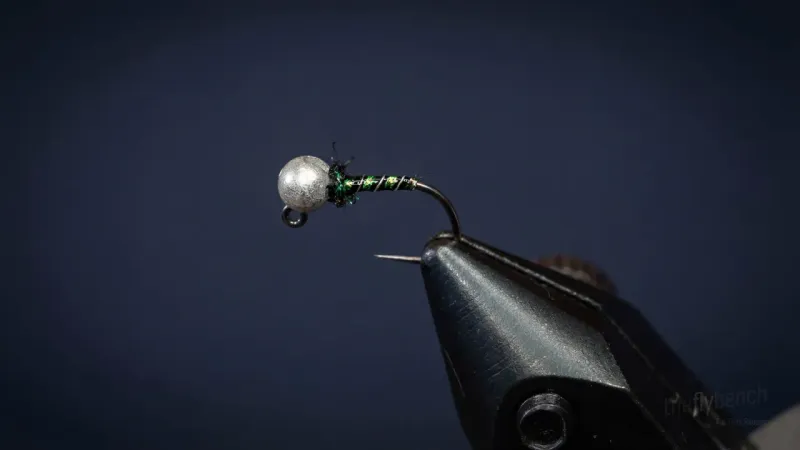
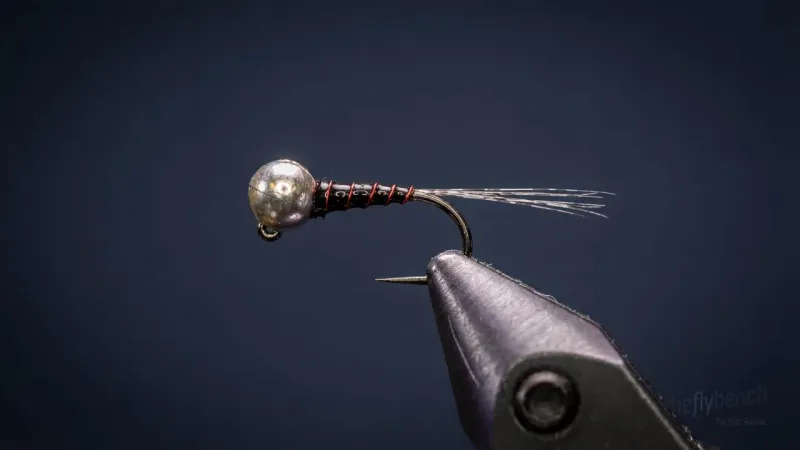
Developed by Barry Ord Clarke, this pattern can be tied in any color including pink, orange, grey, and natural. The nymph skin can be substituted with latex and regular rubber bands if you source the correct type. The translucent body and segmented appearance created by the ribbing make it an extremely effective larvae imitation. The weighted underbody ensures it reaches the feeding zone quickly.
Where to Buy This Fly
We only link to fly shops we trust. Some links are referral links, which may earn us a commission at no extra cost to you.
Materials
- Hook:
- Mustad Heritage C49S #12
- Thread:
- Sheer 14/0 White
- Under body:
- Lead tape
- Rib:
- Clear Mono
- Body:
- Natural Nymph skin
- Coating:
- Veniard Brush coat
Behavior & Presentation
Natural Behavior: Tiny larvae inhabit bottom silts and organic debris, their translucent bodies wriggling through substrate. When disturbed or during behavioral drift periods, these larvae enter the water column where slow undulating motion makes them easy pickings in moderate currents.
Where Trout Eat It: Fish feed near bottom in pocket water and runs where larvae drift after being dislodged from substrate in freestone streams and tailwaters.
How to Fish It: Cast upstream and dead drift naturally along the bottom using euro nymphing or tight-line techniques with high-stick presentation.
Best Water: Target pocket water, runs, and riffle edges in freestone streams where quick-sinking design handles faster currents effectively.
Strike Type: Watch for subtle line tightening, hesitations, or indicator movements signaling fish intercepting the drifting larva.
Fishing Strategy
Rigging Suggestions: Fish on 9-12 foot euro nymphing leader with 5X-6X tippet. Use as point fly in multi-fly euro nymphing rigs.
Seasonal Timing: , as midge larvae are present in all seasons. Particularly productive during winter months when other aquatic insects are less active and fish focus on available larvae.
Pro Tips: Sinks quickly to the bottom due to lead tape underbody. The translucent nymph skin body creates a realistic larvae appearance that's highly visible to fish.
Entomology
Midge larvae inhabit bottom silts and organic debris, their translucent bodies wriggling through substrate as they feed on detritus. When disturbed or during behavioral drift periods, these larvae enter the water column where their slow undulating motion makes them easy pickings for opportunistically feeding trout in slow to moderate currents.
- Order
- Diptera
- Family
- Chironomidae
- Common Name
- Midge
- Organism Type
- insect
- Life Stage
- larva