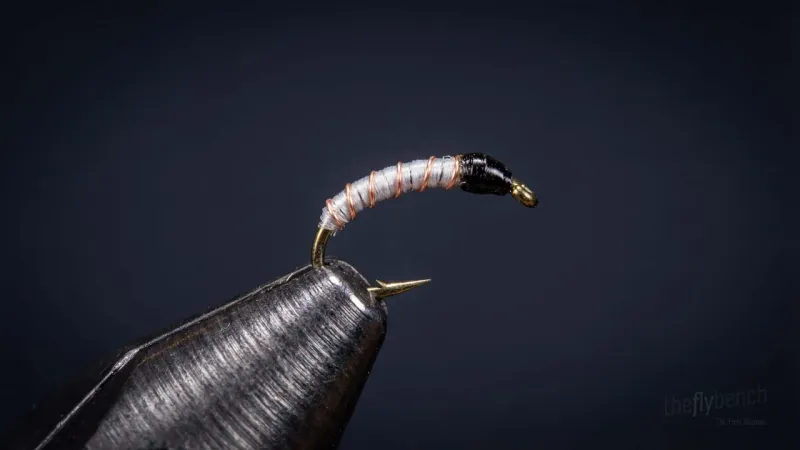
Euro NymphsBomb-Drop Midge Larva
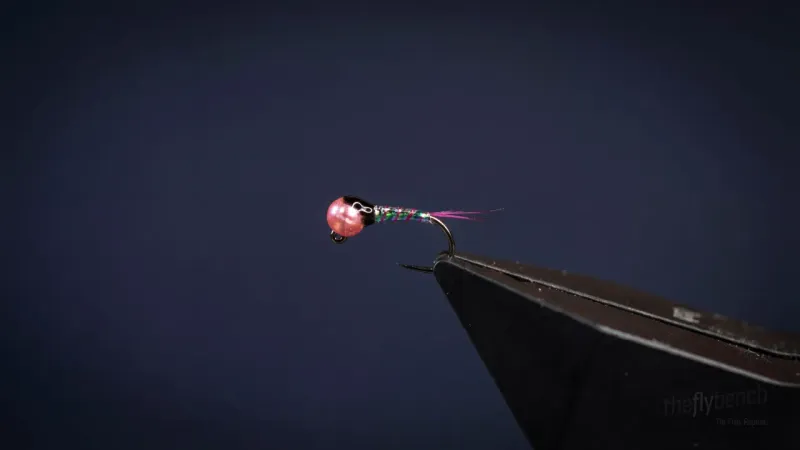
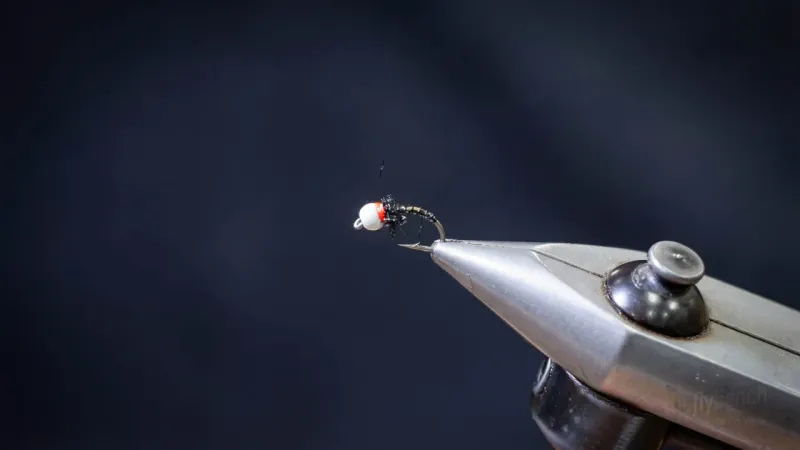
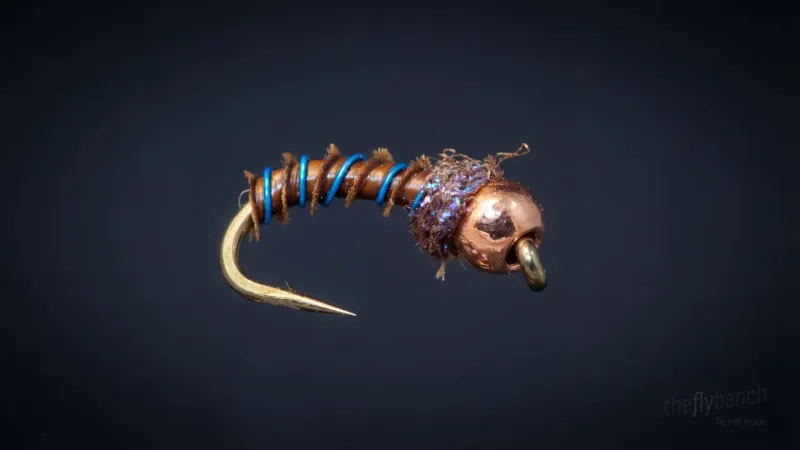
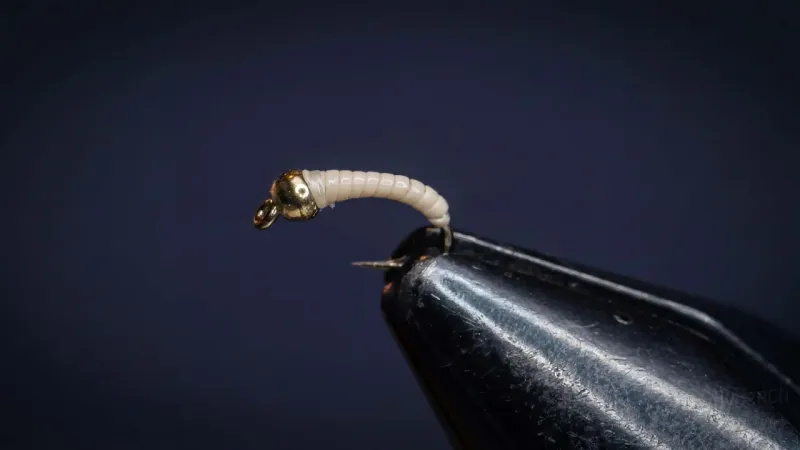
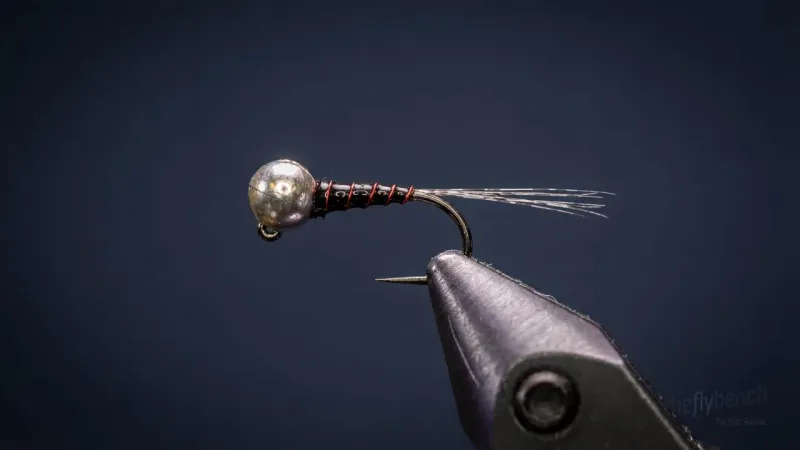
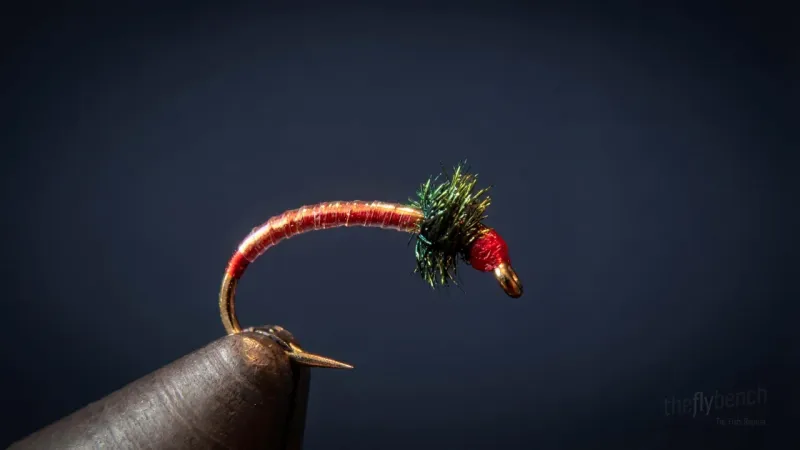
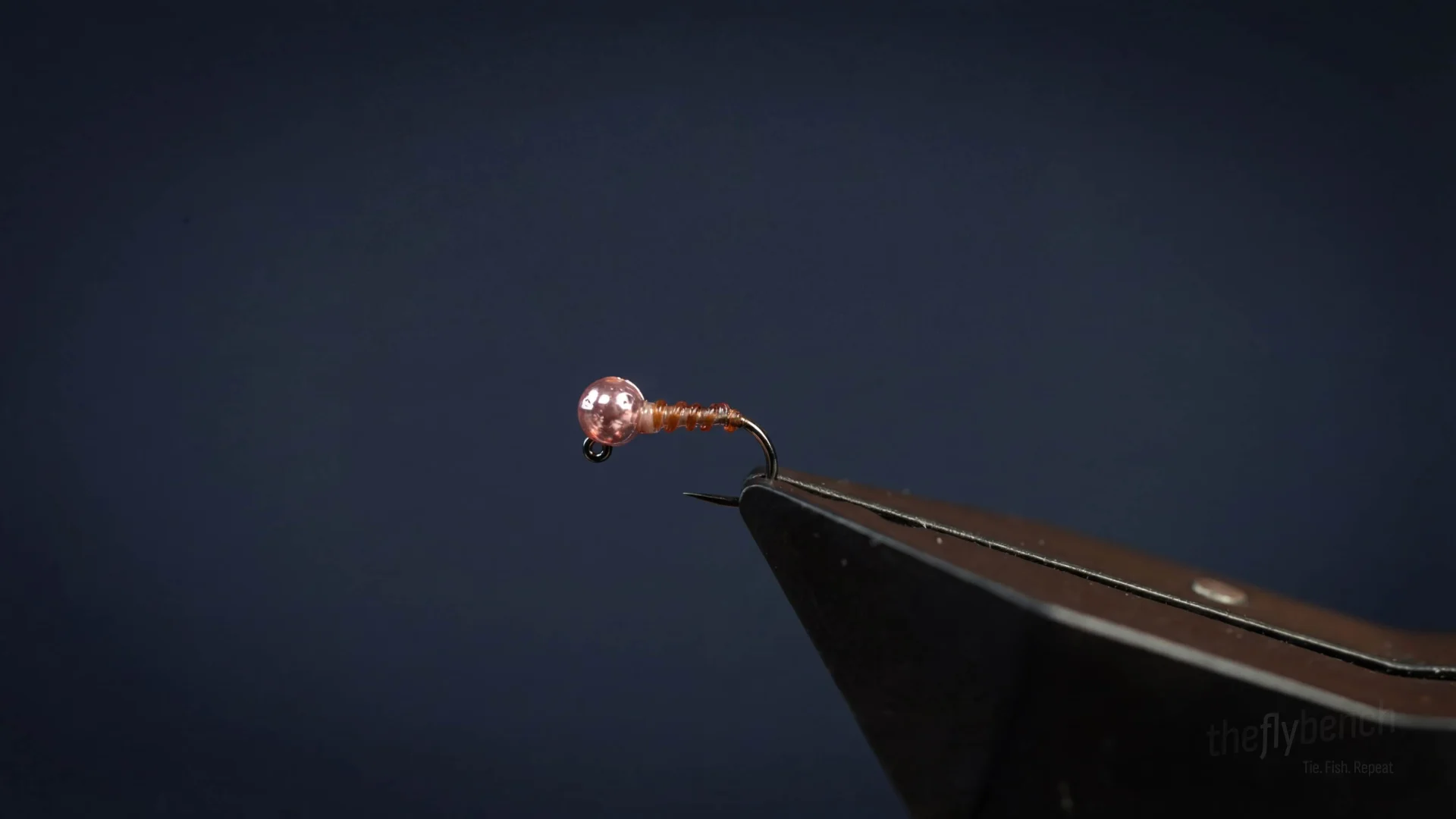
The Bomb-Drop Midge Larva was created for anglers who need a more realistic midge larva imitation that can get down fast or be used in a Euro rig. Its slim profile gives this pattern its name, as it sinks like a rock thanks to the tungsten bead. The body consists of thread, rib, and resin, which allows for consistency across tyers of all skill levels.
Year Round
Beginner
Trout
Dec 2025
Overview
The standout feature of this pattern is the new midge stretch rib from Hareline, which is excellent for smaller patterns because it adds a ribbed effect without being too bulky. In terms of simplicity, this is as basic as it gets, making it perfect for beginning tyers while still being effective for experienced anglers. Selecting different thread colors to match your specific water's midges is recommended for technical fisheries.
Materials
Hook: Fulling Mill 5125 Jig Force Short Barbless, size #22 (or Umpqua XC210BL-BN Perdi-Jig, size #20)
Bead: Fulling Mill Slotted Tungsten, metallic light pink, 2.8mm (or Hanak Metallic+ 3.0mm light pink)
Thread: Semperfli Classic Waxed Thread 12/0, beige
Rib: Hareline Midge Stretch Rib, tan
Finish: Loon Fluorescing UV Clear Fly Finish
Behavior & Presentation
Natural Behavior: Midge larvae construct delicate tubes in silted deposits and weed beds, filter-feeding while protected until dislodged by disturbance. Bottom-bouncing techniques expose normally protected larvae, creating vulnerable feeding opportunities.
Where Trout Eat It: Fish feed along bottom in runs, seams, and structure breaks where dislodged larvae tumble through 2-6 foot depths.
How to Fish It: Dead drift along substrate with weighted presentation, bouncing through zones where larvae become exposed and available.
Best Water: Focus on seams with moderate flow, runs near weed beds, and structure breaks that concentrate drifting larvae.
Strike Type: Subtle tick or sag in sighter indicates fish intercepting larvae tumbling along bottom.
Fishing Strategy
Rigging Suggestions: Use on a Euro rig for maximum depth control, or fish as a dropper below a larger nymph or dry fly; the tungsten bead gets it down quickly.
Seasonal Timing: Year round in streams and rivers with consistent midge populations.
Pro Tips: Sinks rapidly due to slim profile and heavy tungsten bead; minimal profile makes it ideal for pressured fish.
Entomology
Midge larvae inhabit silted streambed deposits and weed beds, constructing delicate tubes from silk and debris while filter-feeding on suspended particles. Fish consume these larvae when bottom-bouncing techniques dislodge them from their tubes, accessing a normally protected food source that becomes vulnerable during feeding or habitat disturbance.
- Order
- Diptera
- Family
- Chironomidae
- Common Name
- Midge
- Organism Type
- insect
- Life Stage
- larva