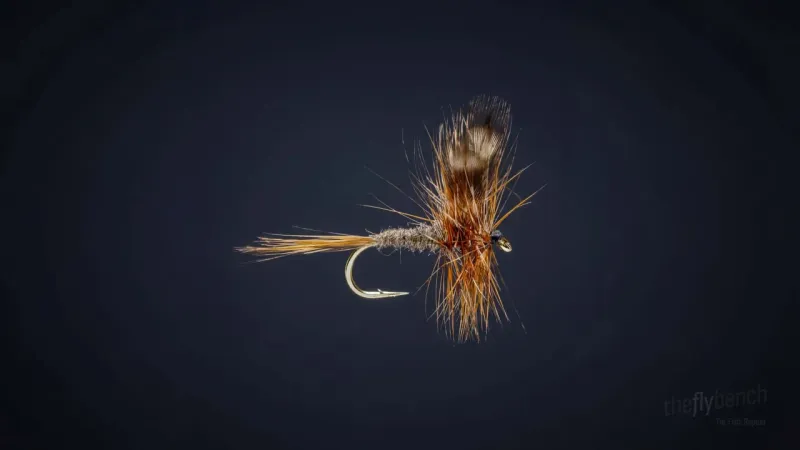
Midge / EmergersGrey Boy Buzzer (Wyatt)
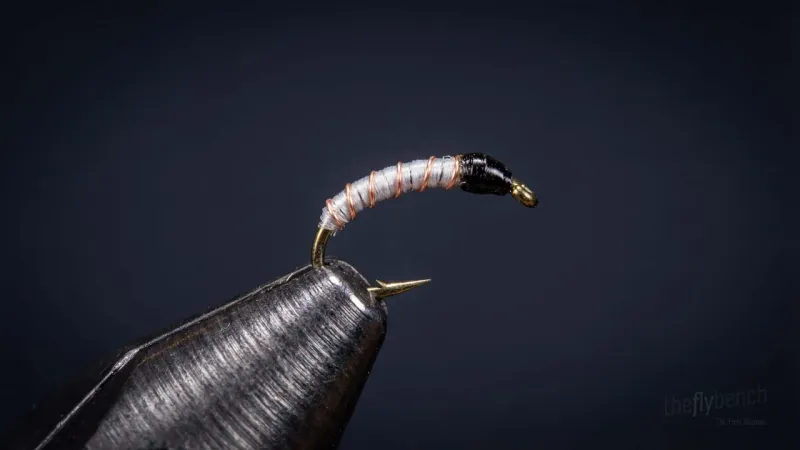
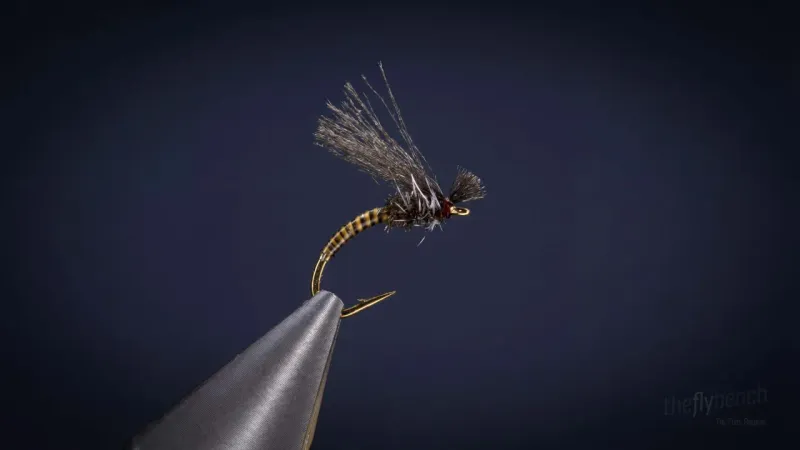
The Grey Boy Buzzer (Wyatt) is a midge emerger pattern designed by Ben Sobel. This effective pattern combines traditional materials with proven techniques for consistent results in a variety of water conditions.
Spring, Summer, Fall
Intermediate
Trout
Feb 2026
Overview
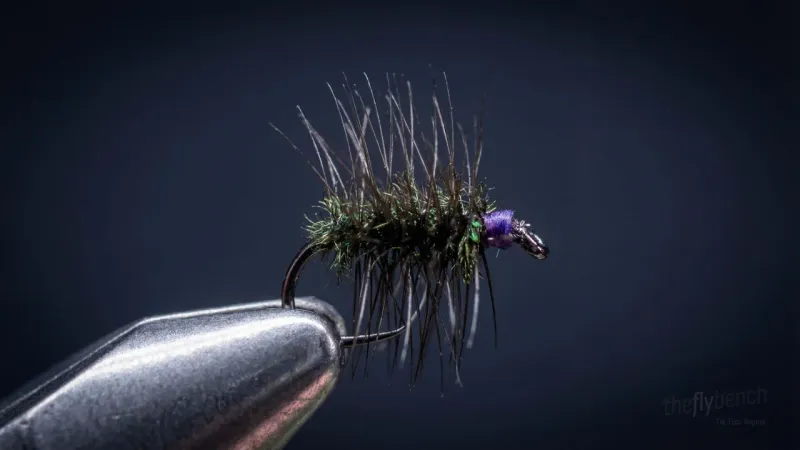
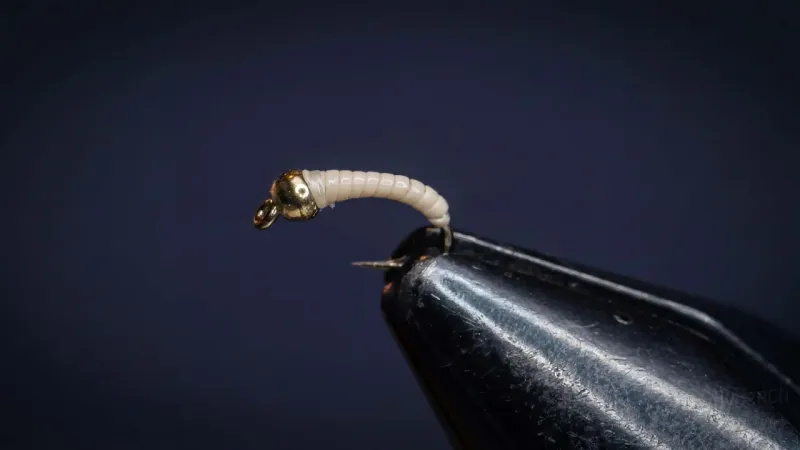
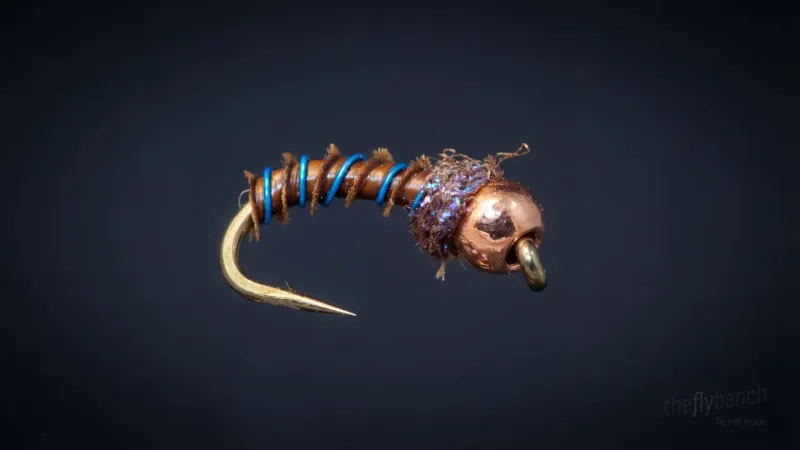
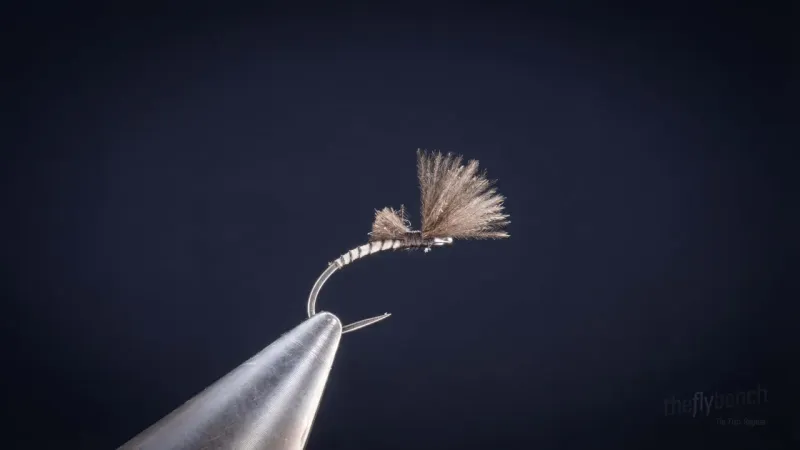
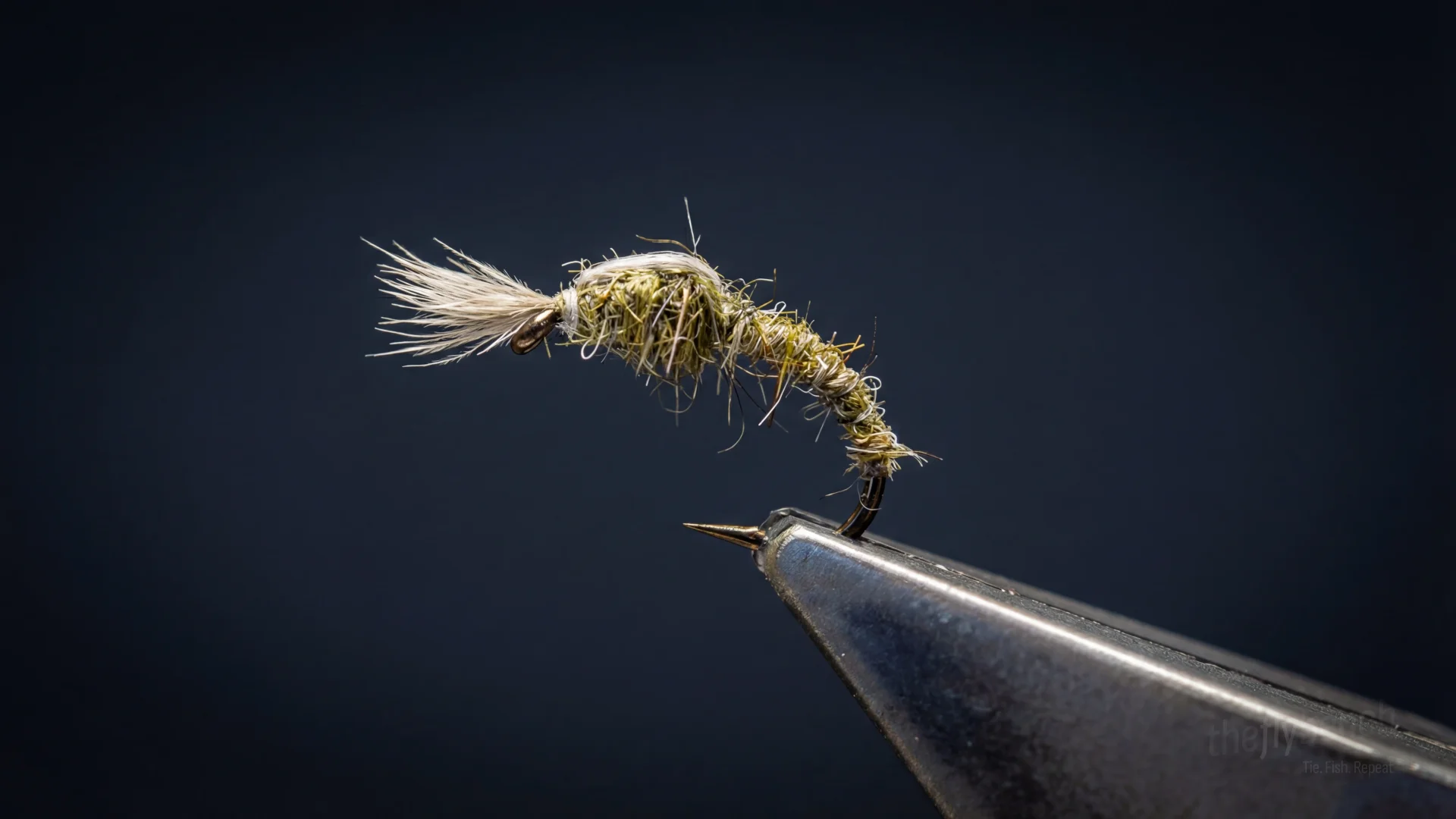
Ben Sobel's buzzer pattern features a slim grey body with subtle ribbing to suggest the segmentation of midge pupae. The pattern's neutral coloration matches the common grey and black chironomids found in stillwaters. The simple design suspends naturally in the surface film where emerging midges are most vulnerable, making it particularly effective during calm conditions when trout cruise for pupae.
Where to Buy This Fly
We only link to fly shops we trust. Some links are referral links, which may earn us a commission at no extra cost to you.
Materials
- Hook:
- size 10 to 14, medium wire emerger style
- Thread:
- Brown
- Weight (optional):
- lead wire
- Rib:
- White or light blue tying thread
- Abdomen:
- any dark grey fur such as hare, etc. (Chris Reeves ties his very similar Grey Goose Buzzer with wild goose barbs wound as herl)
- Wing case:
- section of “plumulaceous” grey goose secondary wing feather, from lower portion of the feather shaft, with soft plumes at end of the barbs, tied in before thorax is dubbed.. The wing case is tied in so the soft plume extends beyond the hook eye
- Thorax:
- dark hare’s ear
Behavior & Presentation
Natural Behavior: Grey midge pupae drift vertically in the surface film during emergence, suspended with their pupal shucks hanging below while adults slowly extract themselves and dry their wings. Fish cruise just below the surface film to sip these trapped midges because they provide consistent, predictable feeding opportunities during prolonged hatches that can last for hours.
Where Trout Eat It: Trout cruise just below surface film sipping grey buzzers during prolonged stillwater midge hatches.
How to Fish It: Suspend pattern in surface film with minimal retrieve, watching for subtle indicator twitches signaling sipping takes.
Best Water: Fish stillwater shoals 4-10 feet deep with soft bottom, lake bays with weed growth, and calm flats during midge emergence.
Strike Type: Suspended in the surface film with minimal retrieve, strikes appear as subtle indicator twitches or barely visible dimples. Watch for quiet sipping rises as cruising trout methodically work through stillwater shoals during midge hatches.
Fishing Strategy
Rigging Suggestions: Use a 12-15 foot leader with 6X-7X tippet. Fish alone or as a dropper beneath a small dry fly.
Seasonal Timing: Most effective during peak feeding periods at dawn and dusk. Water temperatures between 45-65°F typically produce best results.
Pro Tips: Midge fishing requires patience and subtle strike detection. Watch for slight indicator movement or leader twitches rather than dramatic takes.
Entomology
Midge pupae drift in the surface film during emergence, suspended vertically with their pupal shucks hanging below while the adults slowly extract themselves and dry their wings. Fish cruise just below the surface film to sip these trapped midges because they provide consistent, predictable feeding opportunities during prolonged hatches that can last for hours.
- Order
- Diptera
- Family
- Chironomidae
- Common Name
- Midge
- Organism Type
- insect
- Life Stage
- general