Dry FliesGoddard Caddis
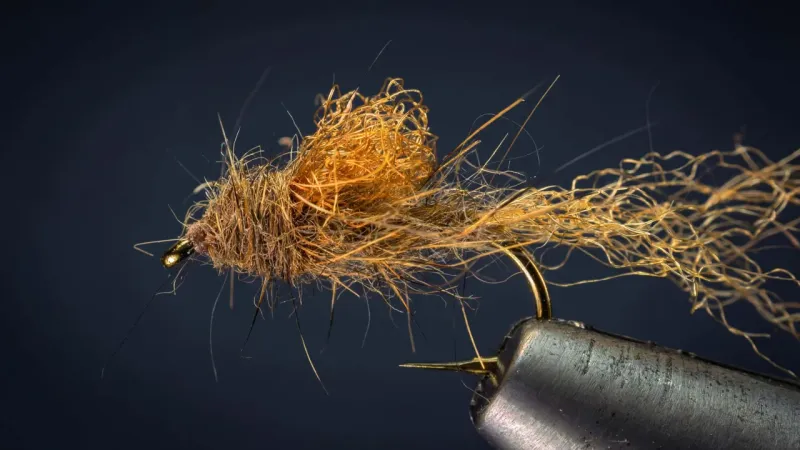
The Goddard Caddis is a high-floating dry fly that imitates a caddis in its adult stage. Its deer hair design makes it not only buoyant, but visible even in low light conditions and rough water.
Spring, Summer, Fall
Intermediate
Trout
Apr 2025
Overview
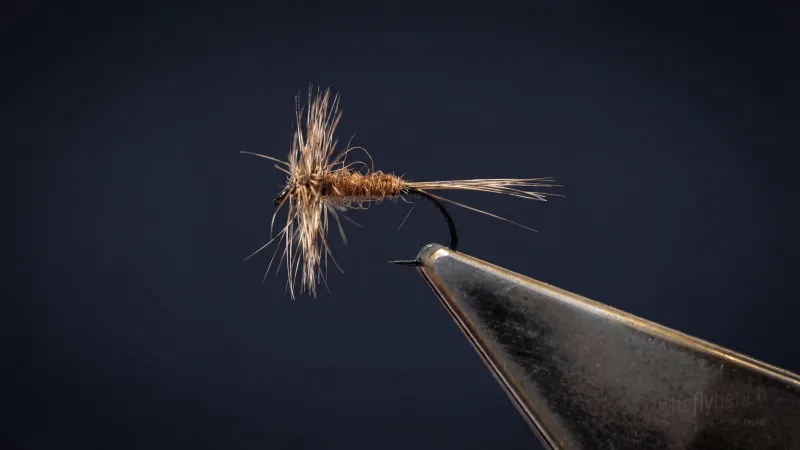
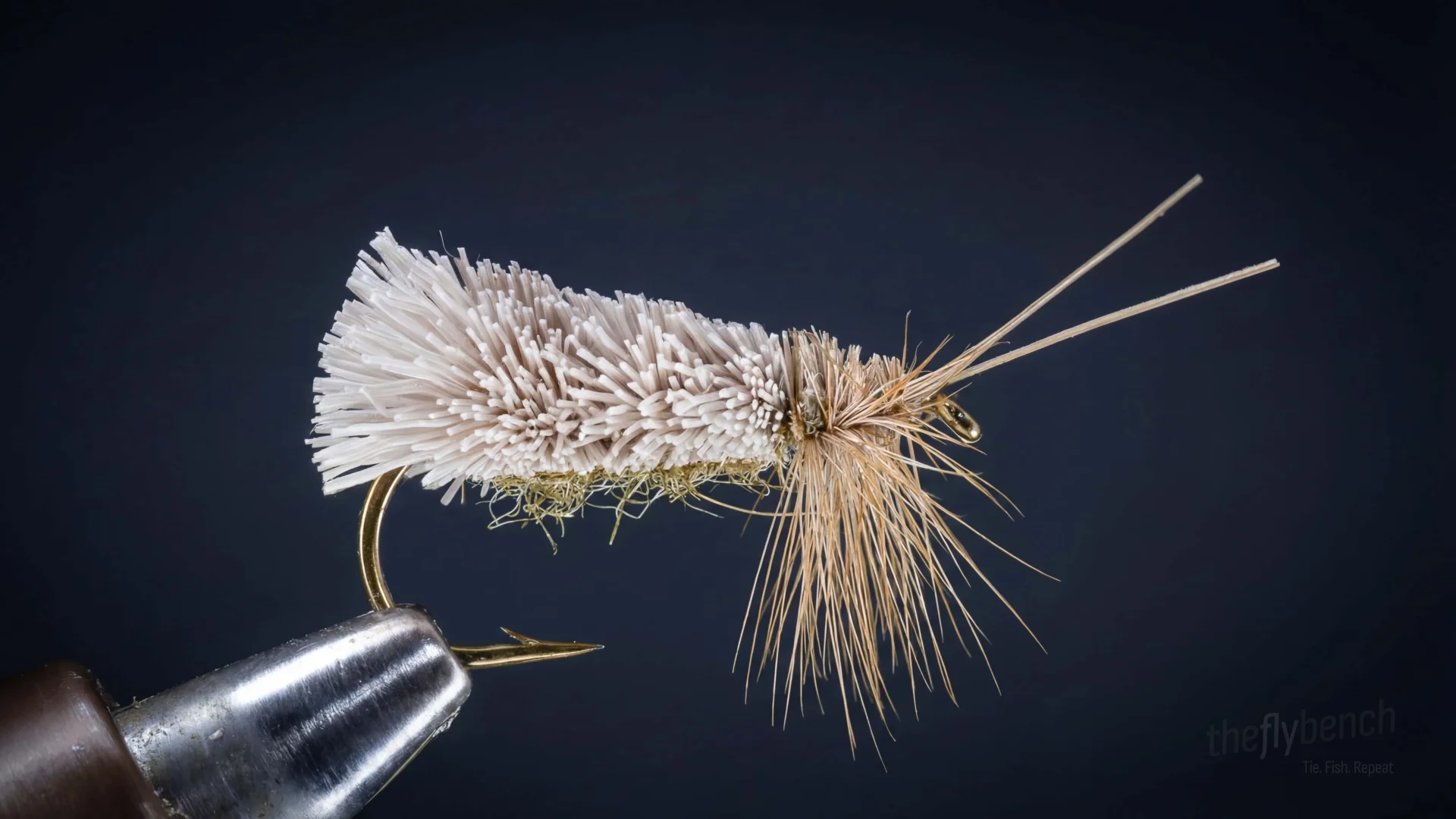
A high-floating dry fly with a clipped and spun deer hair body, giving it a bulky, realistic caddis silhouette. The hair is spun densely then trimmed to a wedge shape. Often finished with a small hackle at the front for additional floatation.
Where to Buy This Fly
We only link to fly shops we trust. Some links are referral links, which may earn us a commission at no extra cost to you.
Materials
- Hook:
- Dai-Riki 305, sizes #14 - #18
- Thread:
- 6/0 or 70 Denier, rusty brown.
- Body:
- Deer hair, flared and spun.
- Antennae:
- Hackle quill, brown.
- Hackle:
- Dry-fly hackle, brown.
Behavior & Presentation
Natural Behavior: Adult caddisflies skitter and flutter across the surface during egg-laying runs, creating erratic disturbances that draw aggressive strikes.
Where Trout Eat It: Fish hold just below the surface in feeding lanes, rising aggressively to intercept fluttering adults in riffles and runs.
How to Fish It: Cast upstream and drift naturally, or add occasional twitches to imitate caddis skating across the surface.
Best Water: Target seams, tail-outs, and foam lines where caddis accumulate. Riffle edges and current breaks concentrate feeding activity.
Strike Type: Watch for visible rises, expanding surface rings, or audible sips as trout intercept the fly.
Fishing Strategy
Rigging Suggestions: The Goddard Caddis can be fished on its own, or it can be used as an indicator fly in a dry-dropper rig.
Seasonal Timing: The Goddard Caddis is particularly effective during the and months when caddis are most active.
Pro Tips: The Goddard Caddis is highly visible due to its deer hair design, which also allows it to float high in the water.
Entomology
Caddisflies emerge explosively from the water, but many adults return to the surface during egg-laying, skating and fluttering across the water in erratic patterns. The Goddard Caddis's heavily-hackled design creates realistic silhouette and movement on the surface. Fish respond aggressively to the visual disturbance and commotion, often following the fly before committing to explosive takes.
- Order
- Trichoptera
- Common Name
- Caddisfly
- Organism Type
- insect
- Life Stage
- adult