Dry FliesGlanrhos Palette
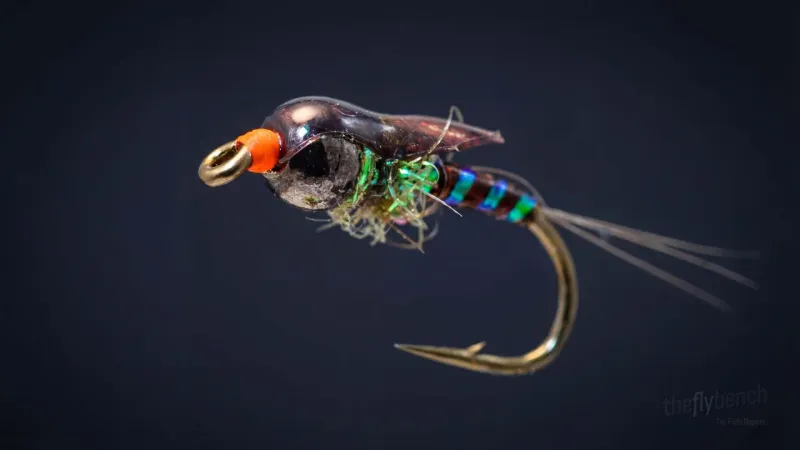
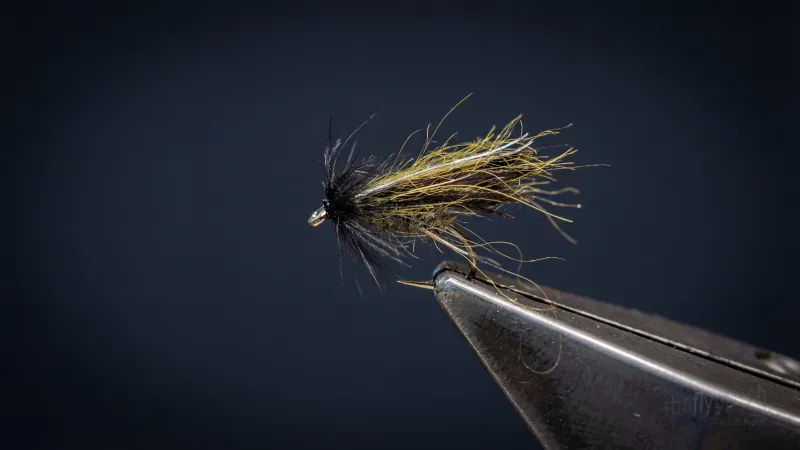
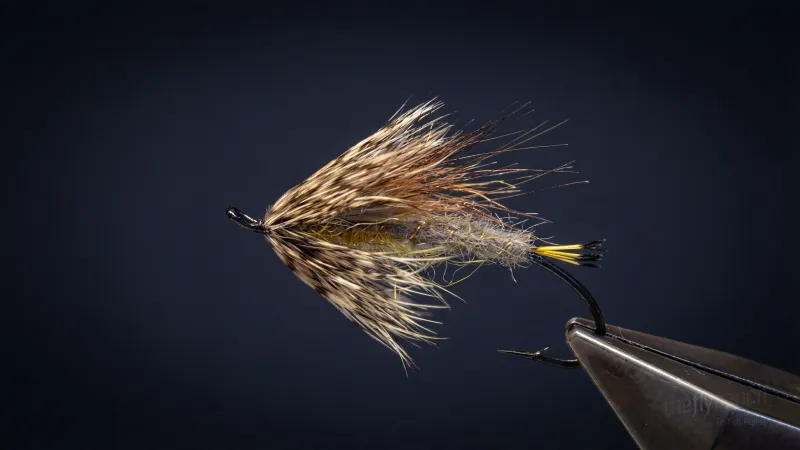
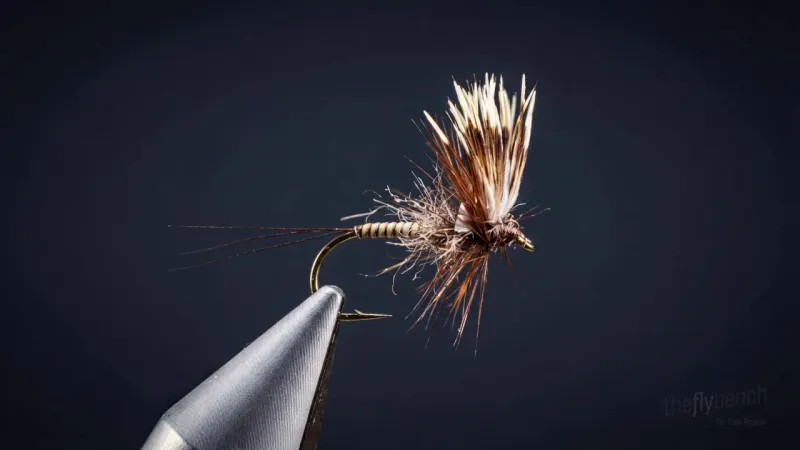
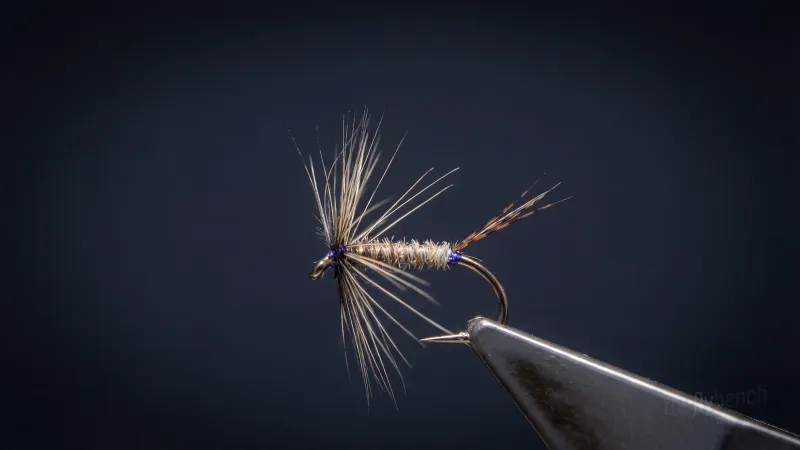
The Glanrhos Palette is a dry fly pattern designed by Tracy Mobley. This effective pattern combines traditional materials with proven techniques for consistent results in a variety of water conditions.
Spring, Summer, Fall
Intermediate
Trout
Feb 2026
Overview
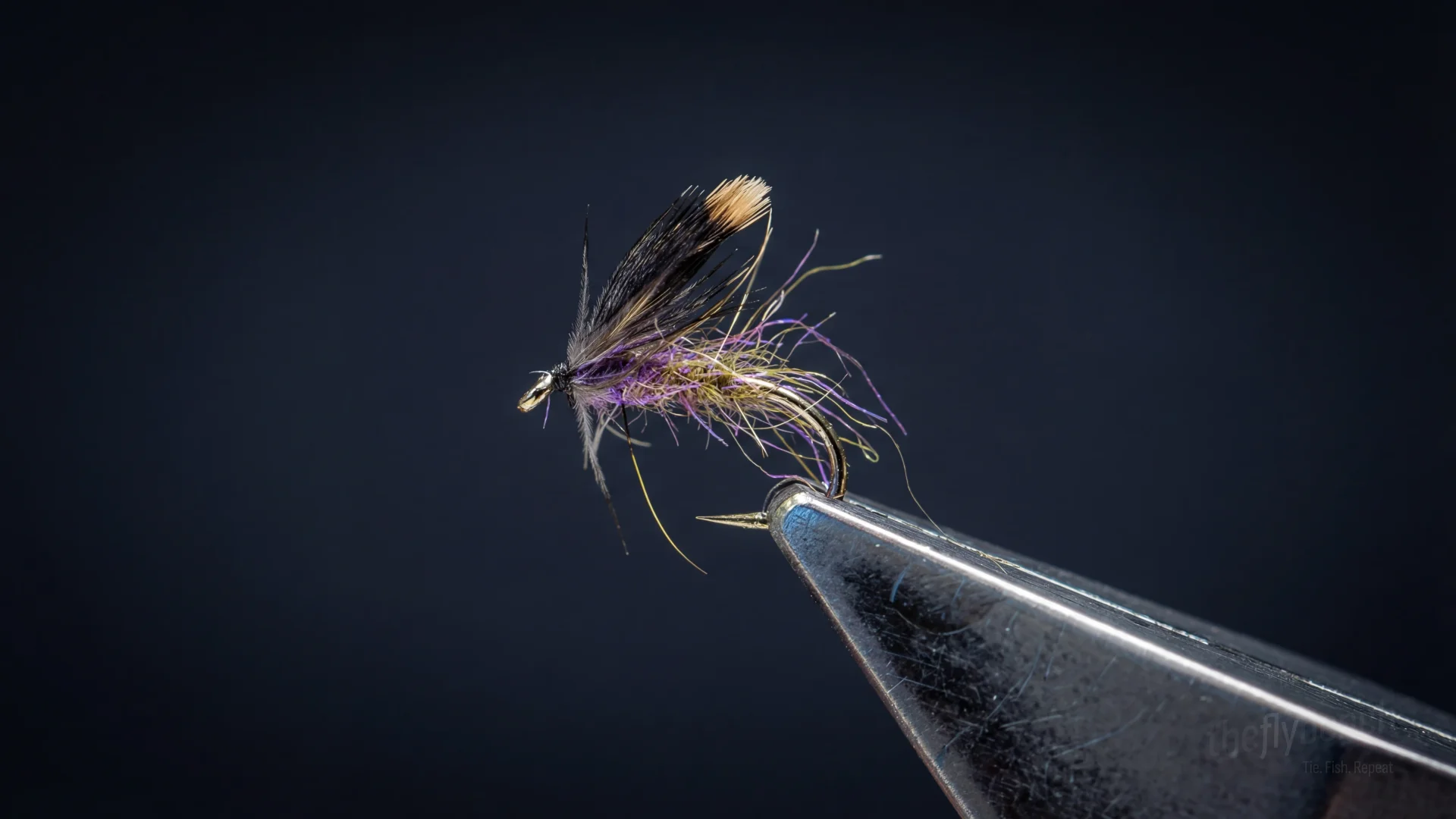
Tracy Mobley designed this pattern with a spectrum approach, incorporating multiple subtle color transitions in the body and hackle. The varied palette suggests the natural color variations found in mayflies and caddis across different waters. The traditional dry fly construction with quality materials ensures proper floatation while the color complexity appeals to selective trout examining their food closely.
Where to Buy This Fly
We only link to fly shops we trust. Some links are referral links, which may earn us a commission at no extra cost to you.
Materials
- Hook:
- Dry fly, 14-22
- Thread:
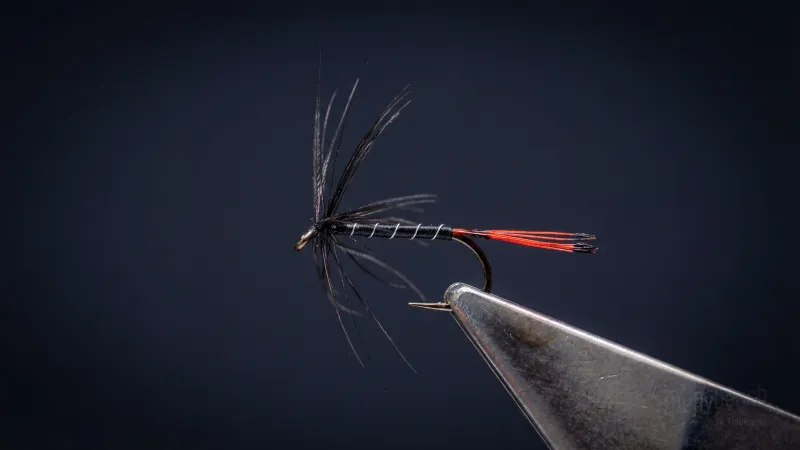
- Black 6/0
- Tail:
- Two strands of pearl flashabou.
- Body:
- Peacock herl.
- Hackle:
- Short fibred black cock hackle.
Behavior & Presentation
Natural Behavior: Adult caddisflies repeatedly touch down on riffle surfaces to wash their bodies or deposit eggs, bouncing systematically across broken water. The peacock herl body with pearl flashabou tail creates iridescent attraction suggesting the water-washed sheen of ovipositing caddis in UK freestone currents.
Where Trout Eat It: Trout feed on surface mayflies and caddis in UK freestone rivers and spring creeks where the peacock herl body and subtle color transitions suggest various aquatic insects. Fish concentrate on surface meals in current seams and foam lines during mixed hatches.
How to Fish It: Dead drift with drag-free presentation through feeding lanes using 5X tippet. The peacock herl creates attractive silhouette for selective trout during mixed hatches. Treat hackle and wing with floatant while leaving body bare for realistic emerger profile.
Best Water: Tail-outs, riffle edges, pocket water, and runs on UK spring creeks where multiple mayfly and caddis species overlap, targeting slower water adjacent to faster currents.
Strike Type: Mixed-hatch feeding produces varied strike responses; observe rise types and set with appropriate timing based on the aggressiveness of the take.
Fishing Strategy
Rigging Suggestions: Use a 9-12 foot leader tapering to 5X tippet for delicate presentations. Apply floatant to the body and hackle.
Seasonal Timing: Most effective during peak feeding periods at dawn and dusk. Water temperatures between 45-65°F typically produce best results.
Pro Tips: The dubbed body creates an attractive silhouette that trout recognize as food even when they can't identify specific insects. Treat hackle and wing with floatant while leaving body bare for a realistic emerger profile.
Entomology
Adult caddis repeatedly touch down on the water surface to wash their bodies or deposit eggs in systematic patterns, bouncing and skipping across riffles and runs. Fish position themselves in feeding lanes during these ovipositing behaviors because the repetitive surface contacts make caddis predictable targets that can be intercepted efficiently.
- Order
- Trichoptera
- Common Name
- Caddisfly
- Organism Type
- insect
- Life Stage
- adult