Dry FliesShooting Star
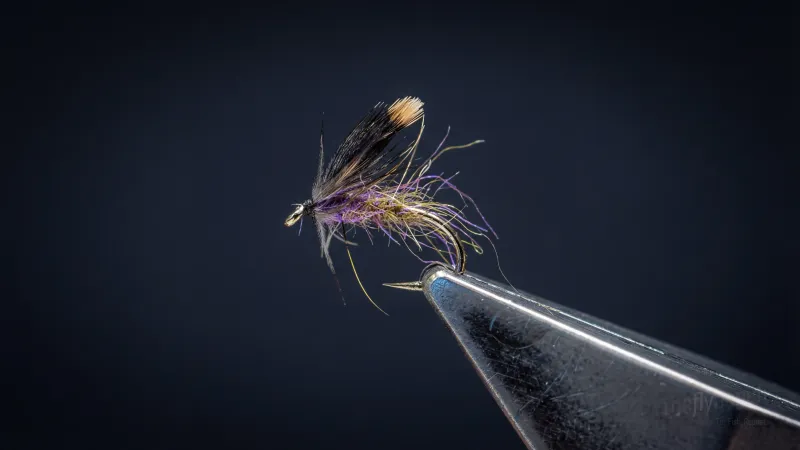
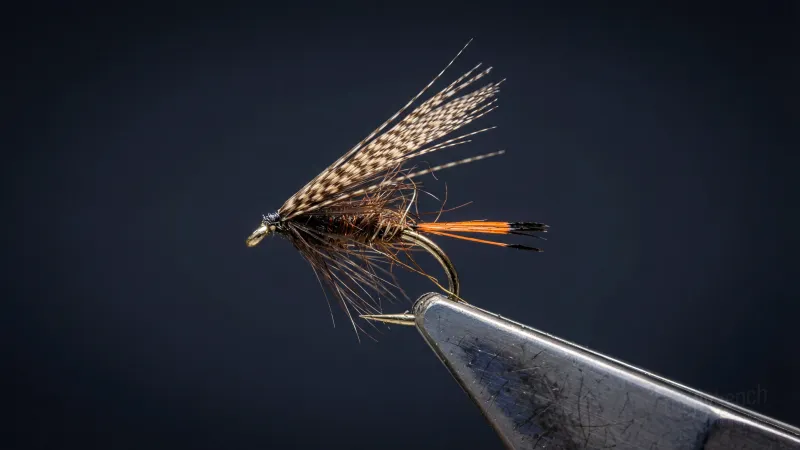
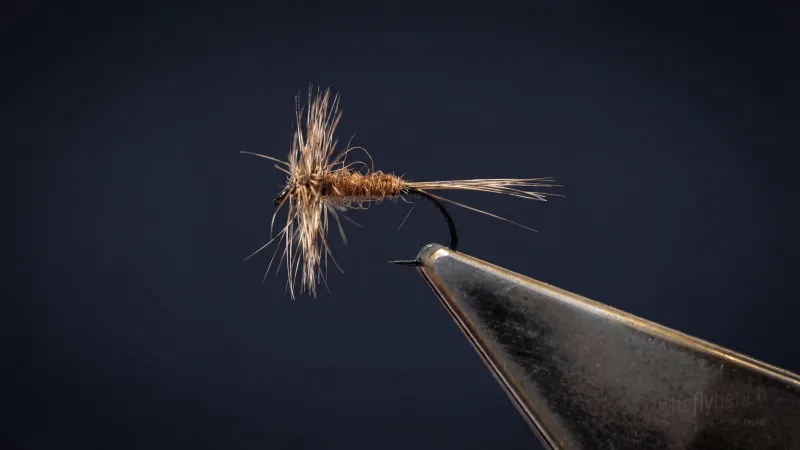
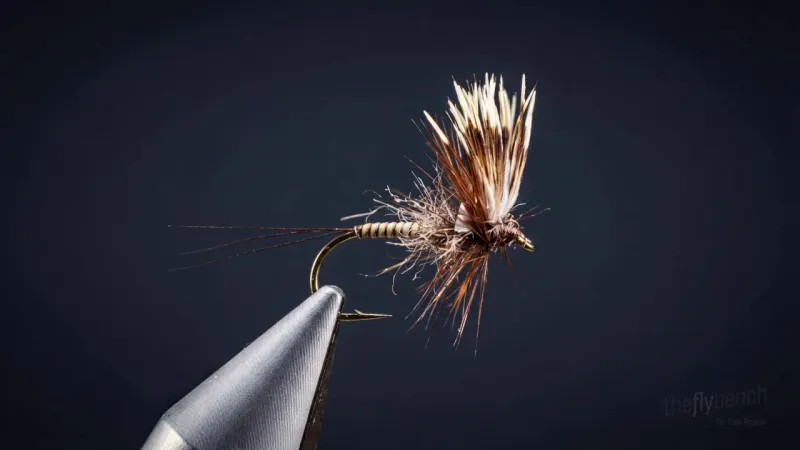
David Cameron created this pattern to represent both emerging and adult insects with single design. Features adjustable profile fished in film or on surface. Dubbed thorax provides buoyancy while trailing shuck material suggests vulnerability. Deer hair wing offers visibility in broken water while maintaining natural silhouette.
Spring, Summer, Fall
Intermediate
Trout
Feb 2026
Overview
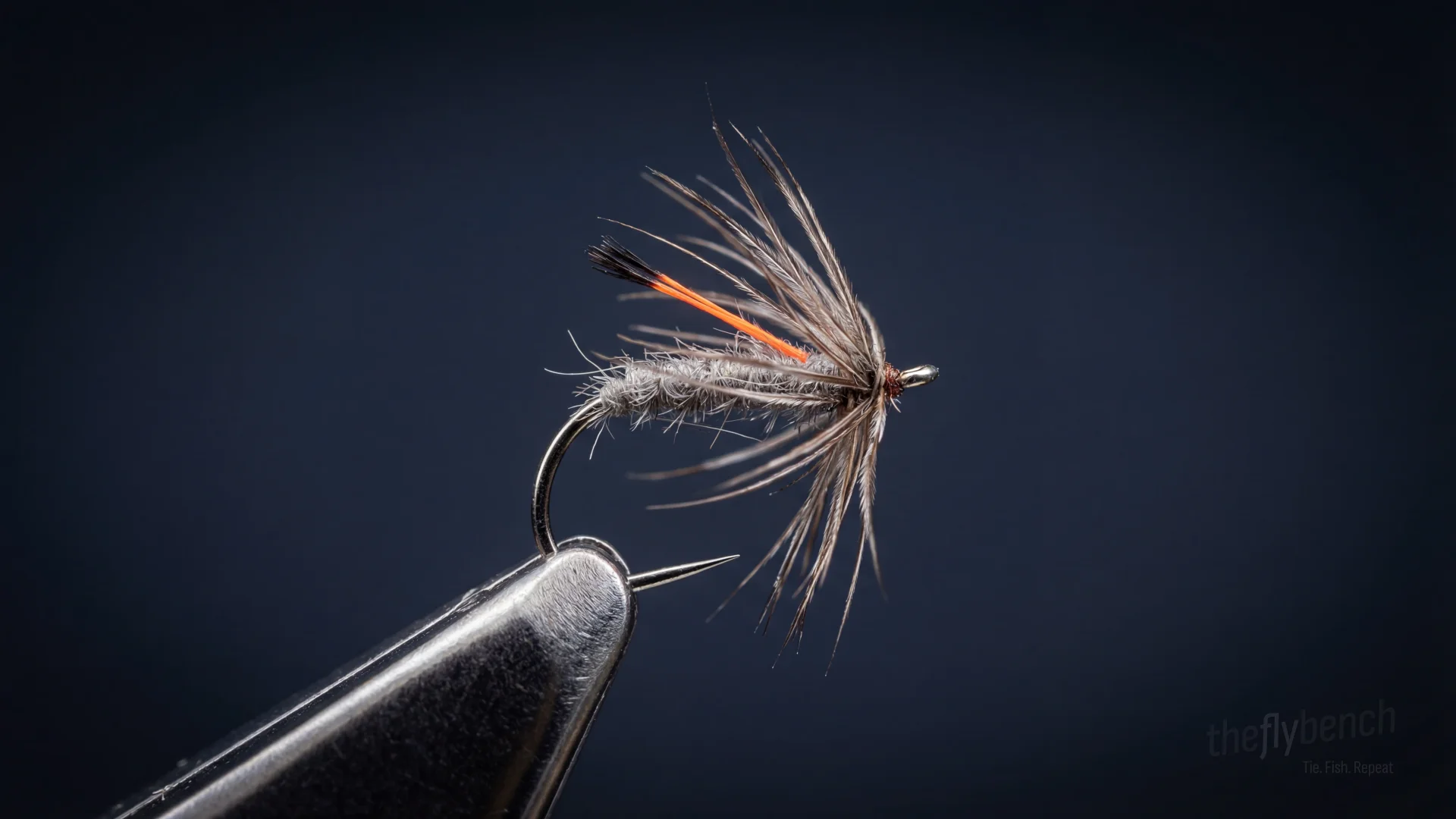
David Cameron created this pattern to represent both emerging and adult insects with a single design. The key feature is its adjustable profile that can be fished in the film or on the surface. The dubbed thorax provides buoyancy while the trailing shuck material suggests vulnerability. Deer hair wing offers visibility in broken water while maintaining a natural silhouette. Effective during mixed hatches when fish are feeding opportunistically.
Where to Buy This Fly
We only link to fly shops we trust. Some links are referral links, which may earn us a commission at no extra cost to you.
Materials
- Hook:
- Grip 14723BL #14
- Thread:
- Benecchi 12/0, black
- Hackle:
- Ringneck pheasant neck feather
- Body:
- Mole, natural
Behavior & Presentation
Natural Behavior: Frantic insect activity during emergence windows draws fish to the surface for aggressive feeding. Anglers fish emerger patterns through active zones because the commotion signals easy meals to opportunistic feeders.
Where Trout Eat It: Fish intercept skating and struggling caddis in the surface film throughout riffles and runs where broken water masks feeding activity.
How to Fish It: Fish in surface film during emergences or dead drift on surface during adult activity. The adjustable profile adapts as hatches progress from emergers to adults.
Best Water: Target riffles, broken runs, foam lines, and current seams in freestone streams where complex currents demand visible patterns with tracking ability.
Strike Type: Watch for visible rises and aggressive eats as fish respond to both drifting and skating presentations during hatch progression.
Fishing Strategy
Rigging Suggestions: Fish on 9-12 foot leader with 4X-5X tippet. Adjust floatant application to position fly in film during emergences or fully on surface during adult activity.
Seasonal Timing: Most effective during emergences April through June and hatches July through August when water temperatures range 50-65°F. Morning and evening emergence periods from 6-10 AM and 5-9 PM produce best results.
Pro Tips: Trailing shuck material suggests vulnerability that triggers selective feeding during emergence periods. Adjust presentation from subsurface to surface as hatch progresses and fish transition from emergers to adults.
Entomology
Caddis accelerate across the water surface in long, fast glides when startled by predators or competing males. These panic flights often end in crashes or exhaustion, leaving the insects disoriented and easy prey for fish who patrol zones of caddis activity.
- Order
- Trichoptera
- Common Name
- Caddisfly
- Organism Type
- insect
- Life Stage
- adult