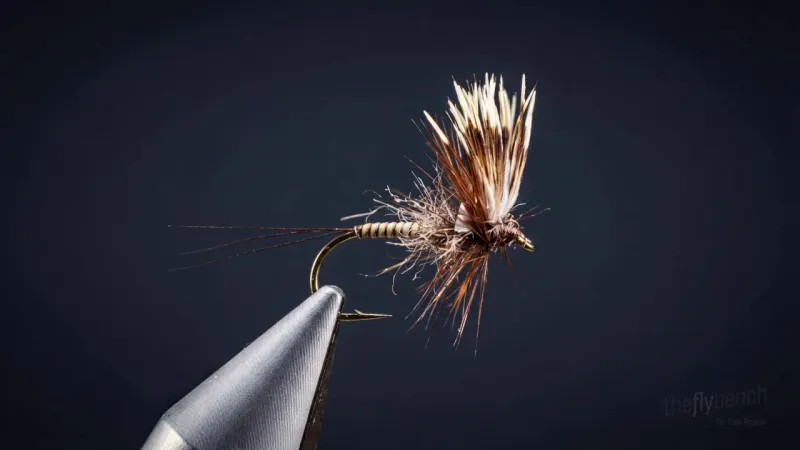
Dry FliesReverse Hackled Dry Fly (generic)
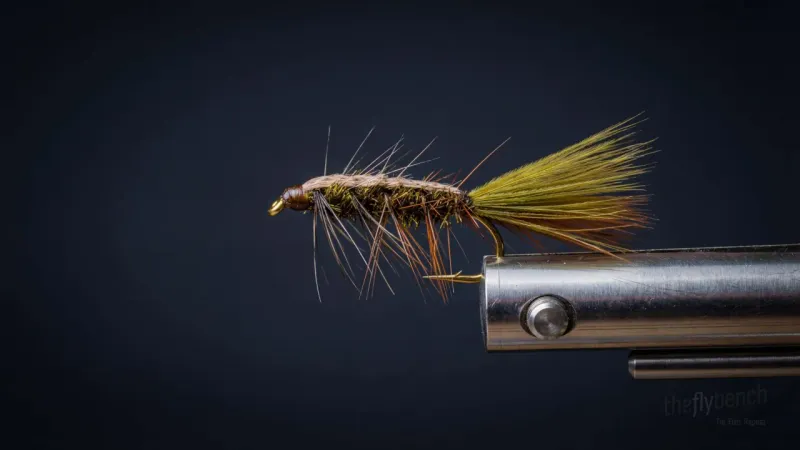
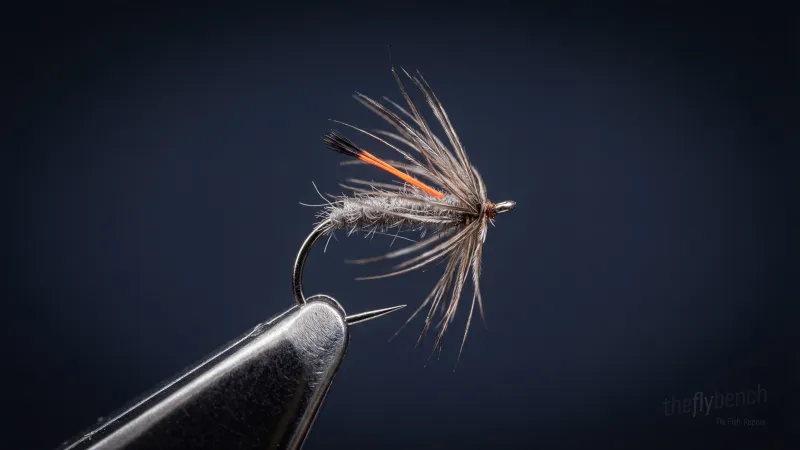
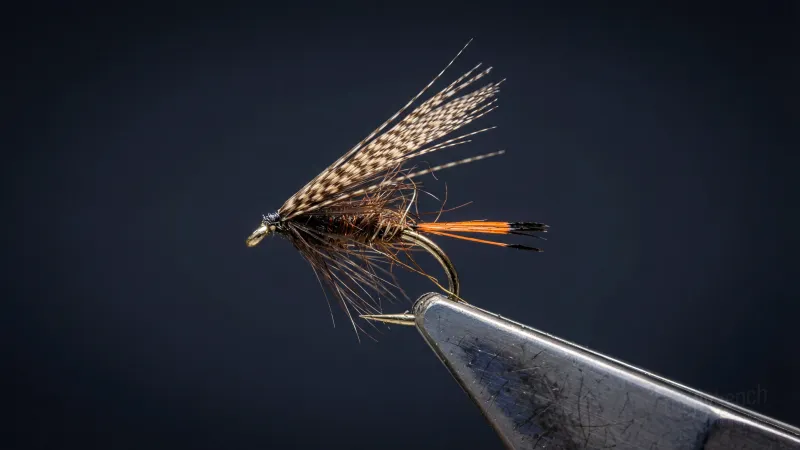
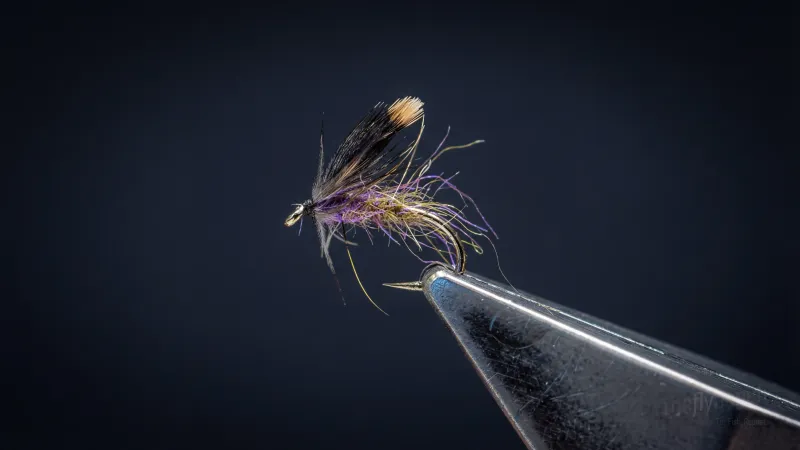
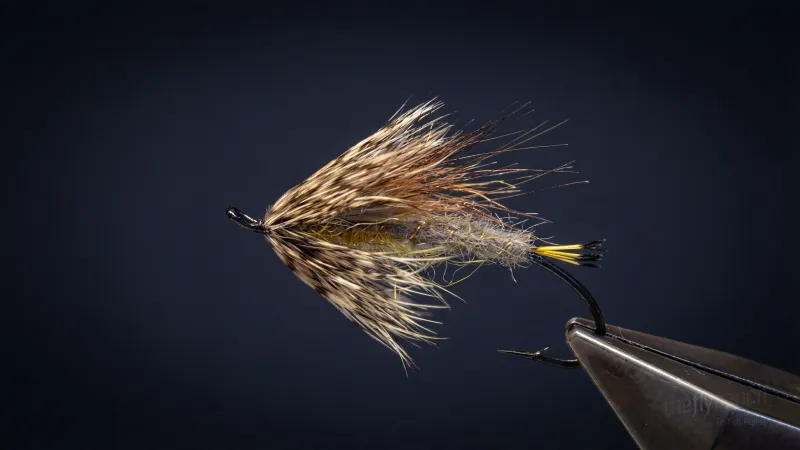
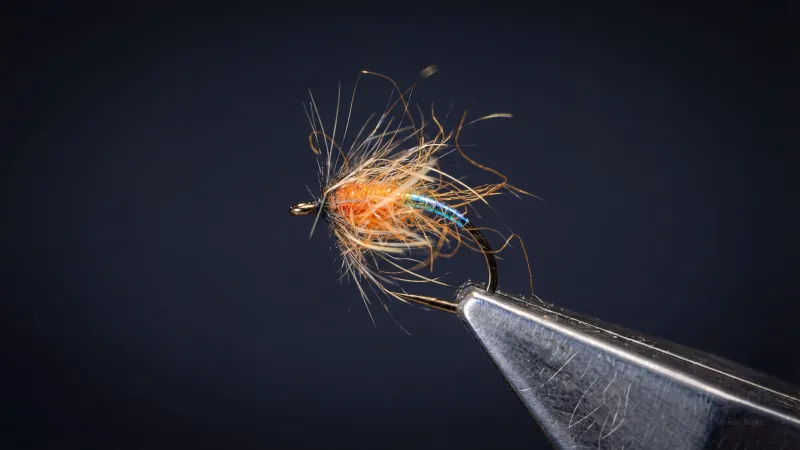
The Reverse Hackled Dry Fly (generic) is a dry fly pattern designed by Roy Christie. This effective pattern works well in a variety of water conditions and is tied with traditional materials for a proven presentation.
Spring, Summer, Fall
Intermediate
Trout
Feb 2026
Overview
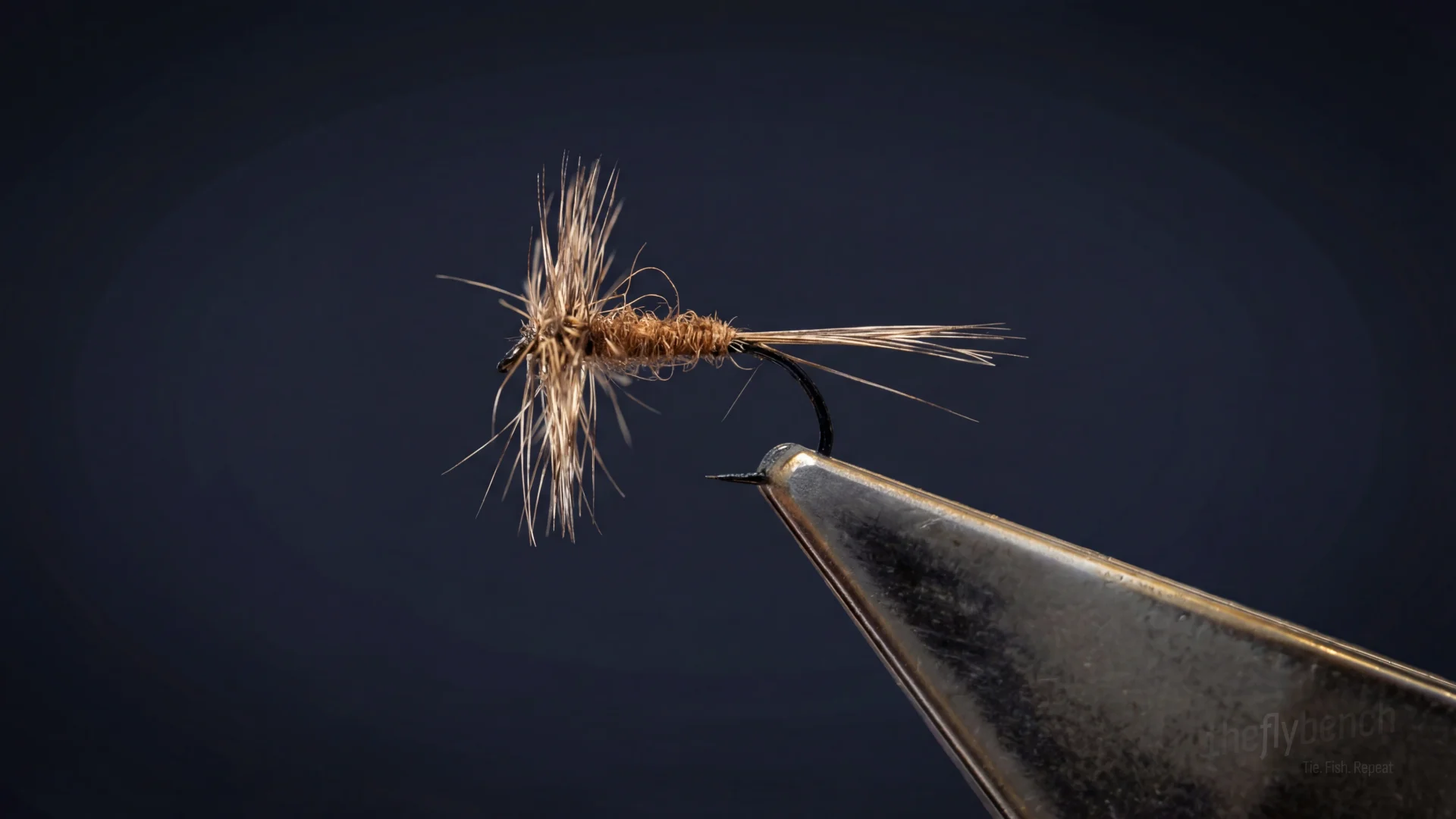
Roy Christie pioneered this technique of wrapping hackle backward to create a distinct wing profile and improved floatation. The reversed fibers fan forward over the eye, creating a swept-wing appearance that suggests caddis or mayflies in motion. This hackle orientation provides better stability in turbulent water and a more visible silhouette. The method can be applied to various dry fly patterns to enhance their effectiveness in fast currents and pocket water situations.
Where to Buy This Fly
We only link to fly shops we trust. Some links are referral links, which may earn us a commission at no extra cost to you.
Materials
- Hook:
- Tiemco 102Y #15
- Thread:
- Benecchi 12/0, black
- Hackle:
- Grizzly
- Tail:
- Grizzly barbs
- Body:
- Muskrat; mole, dyed chestnut - mixed
Behavior & Presentation
Natural Behavior: Wind pushes adult insects sideways across the surface, creating unusual cross-current drifts that catch fish attention. Anglers exploit this because the erratic movement pattern triggers aggressive strikes from fish conditioned to recognize vulnerable prey.
Where Trout Eat It: Fish intercept windblown adults in the surface film across streams and rivers, particularly in riffles where broken water concentrates drifting prey.
How to Fish It: Cast upstream for natural dead drift, adding subtle twitches to imitate struggling movement. The reverse hackle creates drag resistance that helps pattern skate naturally in wind.
Best Water: Target riffles, runs, pool tail-outs, and current seams where wind-pushed insects accumulate in predictable drift lanes.
Strike Type: Expect aggressive surface takes as fish react to the unusual cross-current presentation.
Fishing Strategy
Rigging Suggestions: Fish on 9-12 foot leader with 4X-5X tippet. Can be used as the lead fly in a dry-dropper rig.
Seasonal Timing: Most effective during , , and hatches. Fish this pattern when conditions match the natural prey it imitates.
Pro Tips: Floats well with proper floatant application. The natural materials provide good visibility without spooking wary fish.
Entomology
Wind-blown caddis skid sideways across the surface, pushed by gusts and unable to control their trajectory. Fish respond to these unusual cross-current movements differently than natural drift, often striking more aggressively at prey behaving erratically.
- Order
- Trichoptera
- Common Name
- Caddisfly
- Organism Type
- insect
- Life Stage
- adult