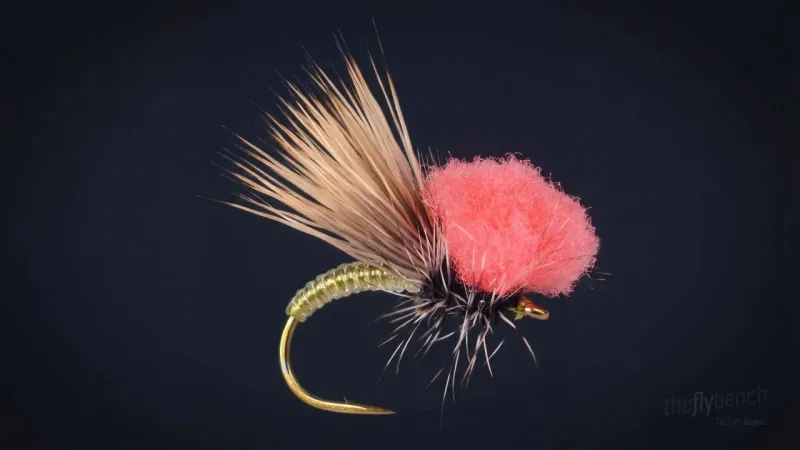
Dry FliesFluttering White Miller
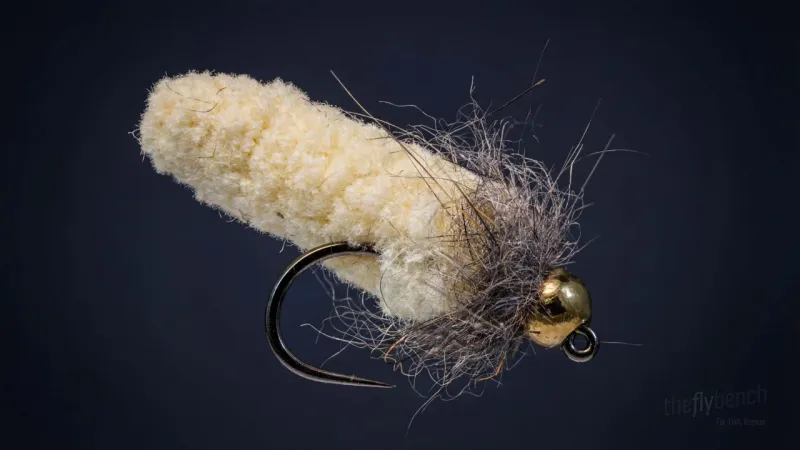
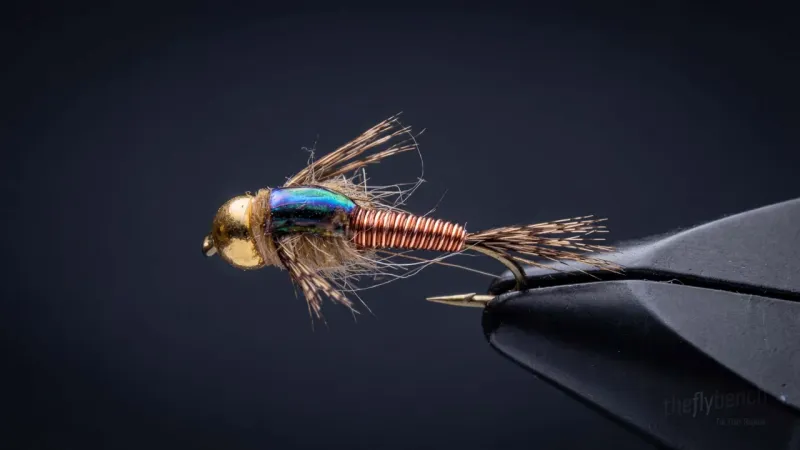
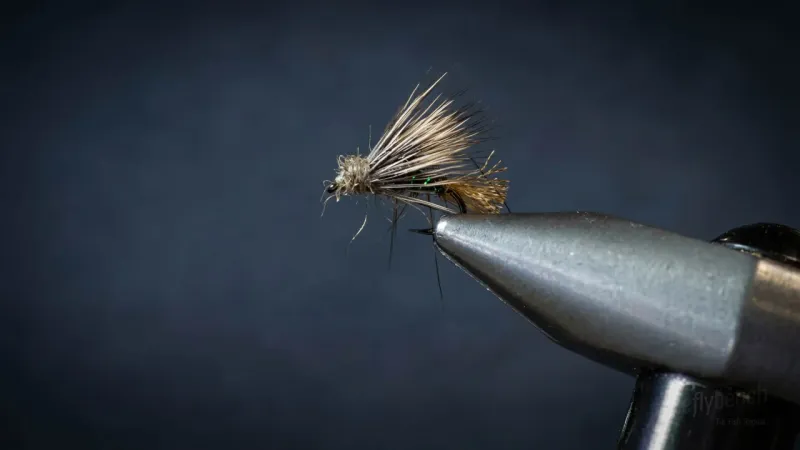
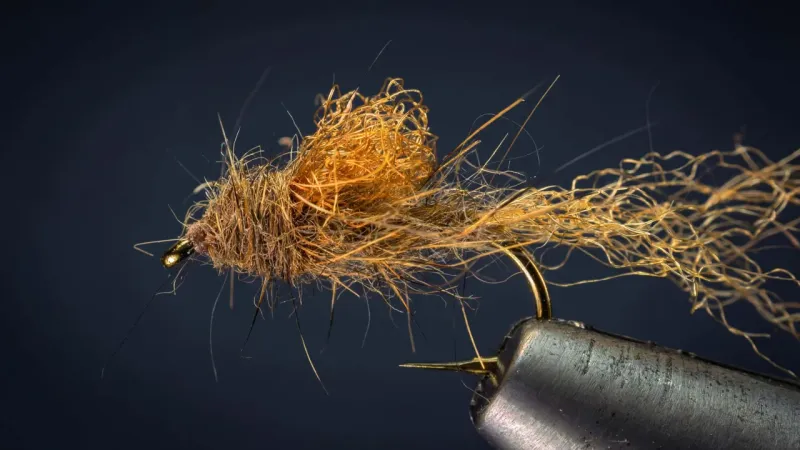
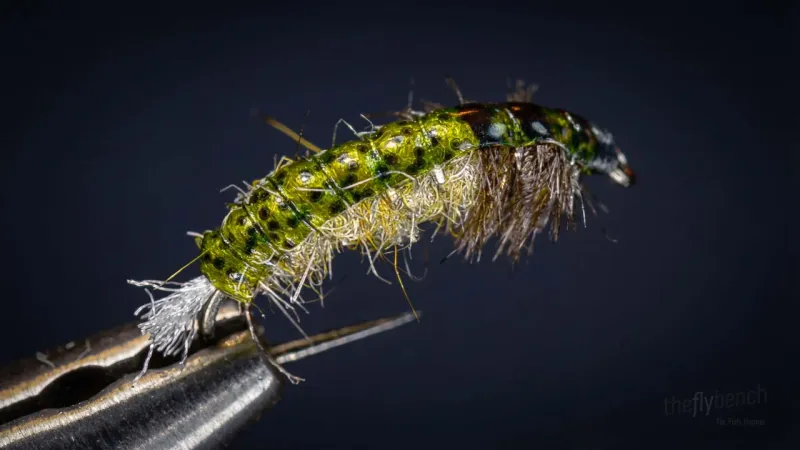
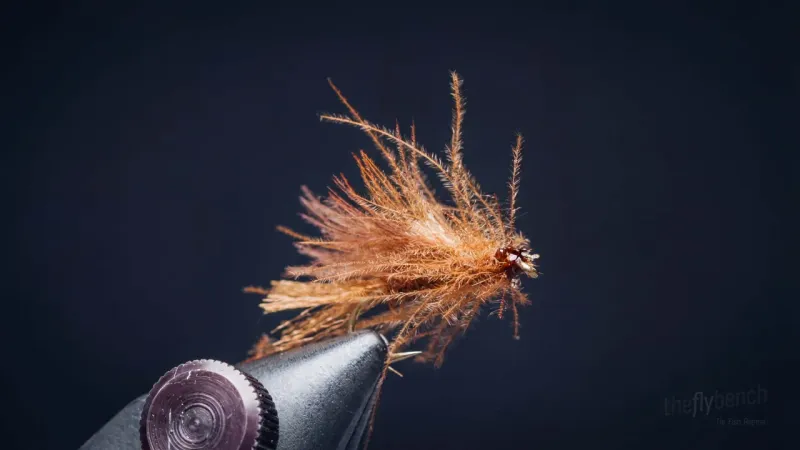
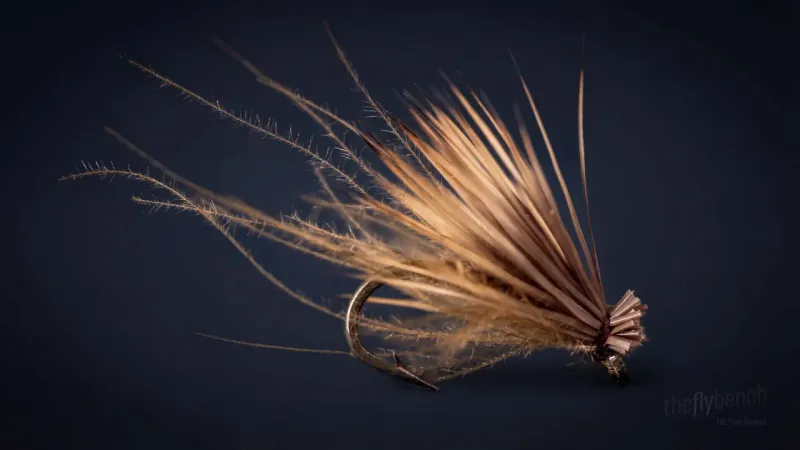
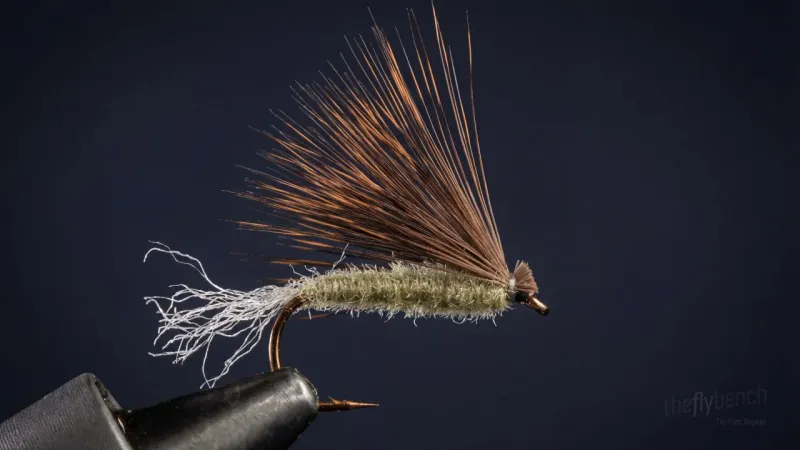
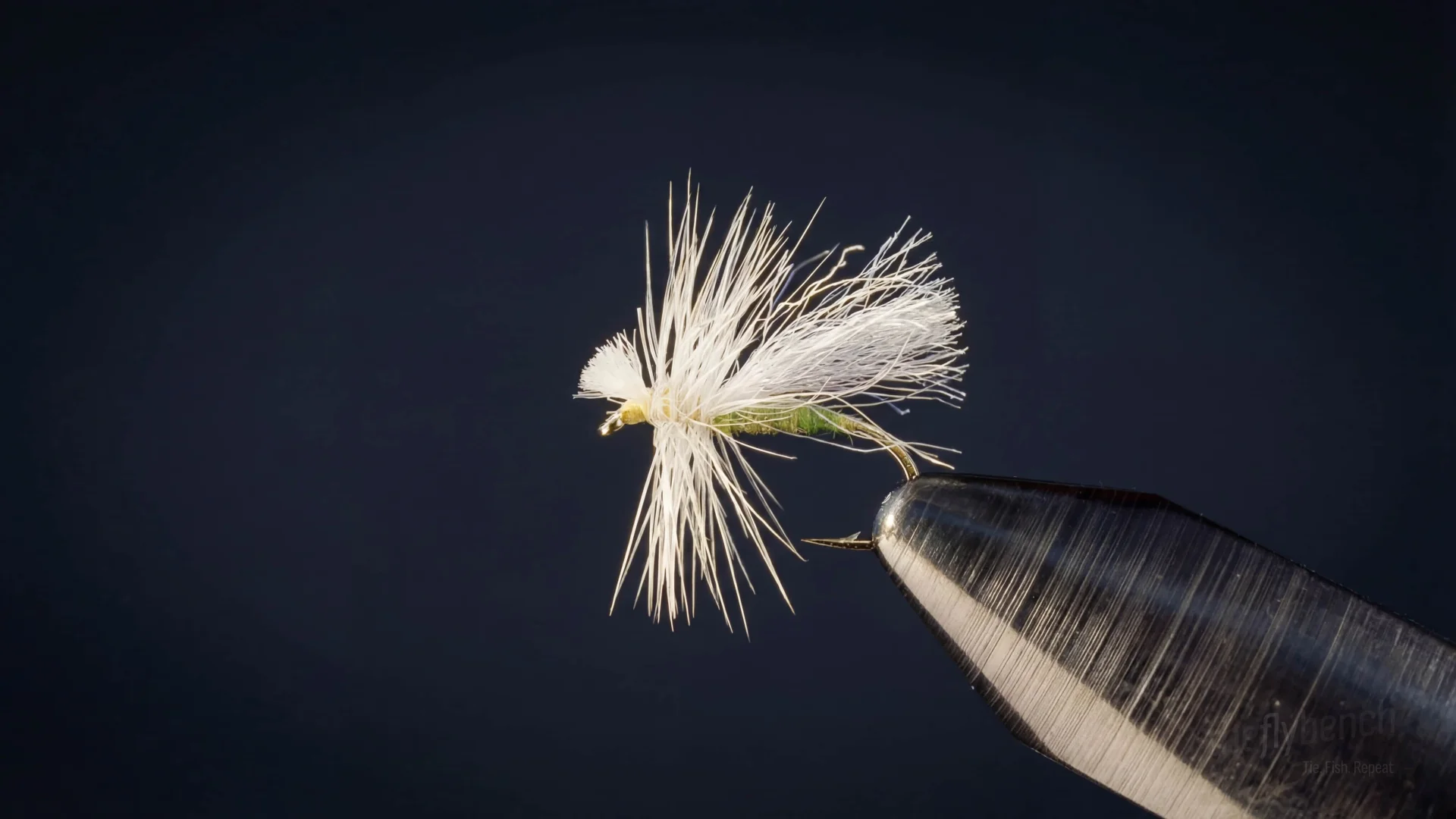
The Fluttering White Miller is a distinctive caddis pattern designed to imitate the white and cream-colored caddis species that emerge during summer evenings. The white Zelon wings and light hackle create a high-visibility profile that fish find irresistible during evening caddis activity. The caddis green body matches many light-colored species.
Summer
Intermediate
Trout
Dec 2025
Overview
The Fluttering White Miller was developed at Blue Ribbon Flies to match the white and cream caddis species that hatch on many western rivers during summer. The white Zelon wings provide exceptional visibility in low light conditions while maintaining a realistic profile. This pattern is particularly effective during late evening when light-colored caddis are most active.
Where to Buy This Fly
We only link to fly shops we trust. Some links are referral links, which may earn us a commission at no extra cost to you.
Materials
- Hook:
- Tiemco 100 or Umpqua U001, #16
- Thread:
- MFC Premium Thread or Uni-Thread, 8/0, light olive
- Body:
- Superfine Dubbing, caddis green
- Wing:
- Straight Zelon, white
- Hackle:
- Dry fly hackle, white, cream, or light dun
Behavior & Presentation
Natural Behavior: Pale caddisflies emerge after dusk with pronounced wing-fluttering, their cream-colored bodies creating visible contrast against dark water. During oviposition, females perform repeated touch-and-go patterns while beating wings frantically, alternating between airborne hovering and surface contact as they deposit eggs in evening hatches from twilight through darkness.
Where Trout Eat It: Trout target white and cream caddis on Henry's Fork and Madison River during late evening hatches from dusk to darkness. The white Zelon wings provide visibility in low light as fish intercept fluttering adults skittering above surface during egg-laying runs.
How to Fish It: Employ combination of dead drifts and skating motion to replicate egg-laying behavior. Drag fly around on surface creating little wake—caddis delicately skitter and bounce while trying to dive down and lay eggs in broken water.
Best Water: Work Henry's Fork and Madison River riffle edges, seams, and pocket water during evening caddis activity where white species deposit eggs in moderate to fast current.
Strike Type: Fish attack skating caddis with explosive rises—splashy takes erupt when the fly creates surface wake, while dead-drifted presentations produce confident sipping takes in smoother water.
Fishing Strategy
Rigging Suggestions: Fish on 9-12 foot leader with 5X tippet. The pattern is durable and floats well.
Seasonal Timing: Most effective from June through August during evening caddis activity. Peak performance during dusk and into darkness when white caddis species are most active.
Pro Tips: Rides high on the water with the wings visible even in near-darkness. One of the best patterns for low-light caddis fishing.
Entomology
Light-colored caddisflies emerge in nocturnal or crepuscular periods, exhibiting pronounced wing-beating as they traverse open water during oviposition runs. These pale adults create visible contrast against darker water, particularly in low-light conditions, while their sustained fluttering produces audible and tactile cues. Evening-feeding fish target these high-visibility insects aggressively, often rising with splashy takes to secure the fast-moving prey before it escapes.
- Order
- Trichoptera
- Common Name
- Caddisfly
- Organism Type
- insect
- Life Stage
- adult