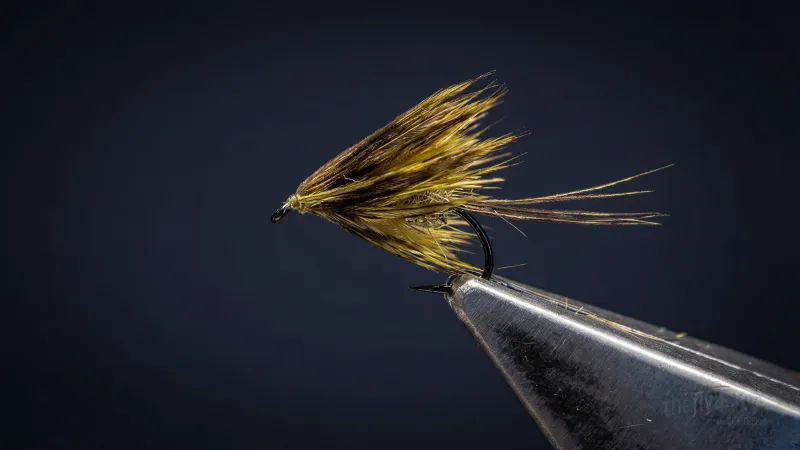
Dry FliesEgg Laying Elk Hair Caddis
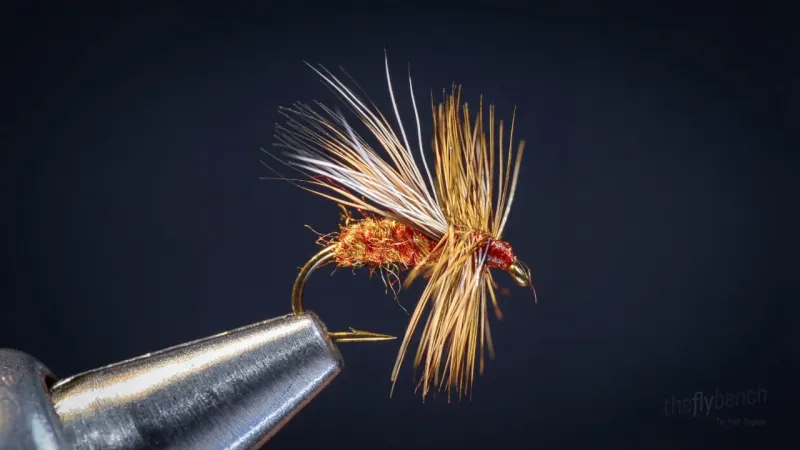
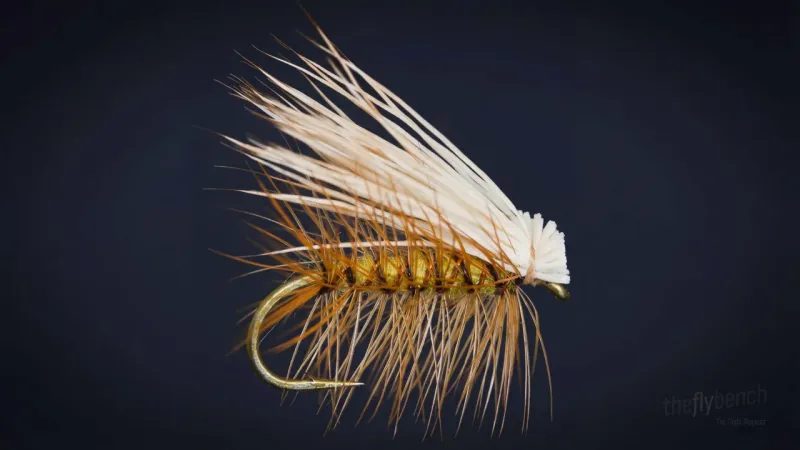
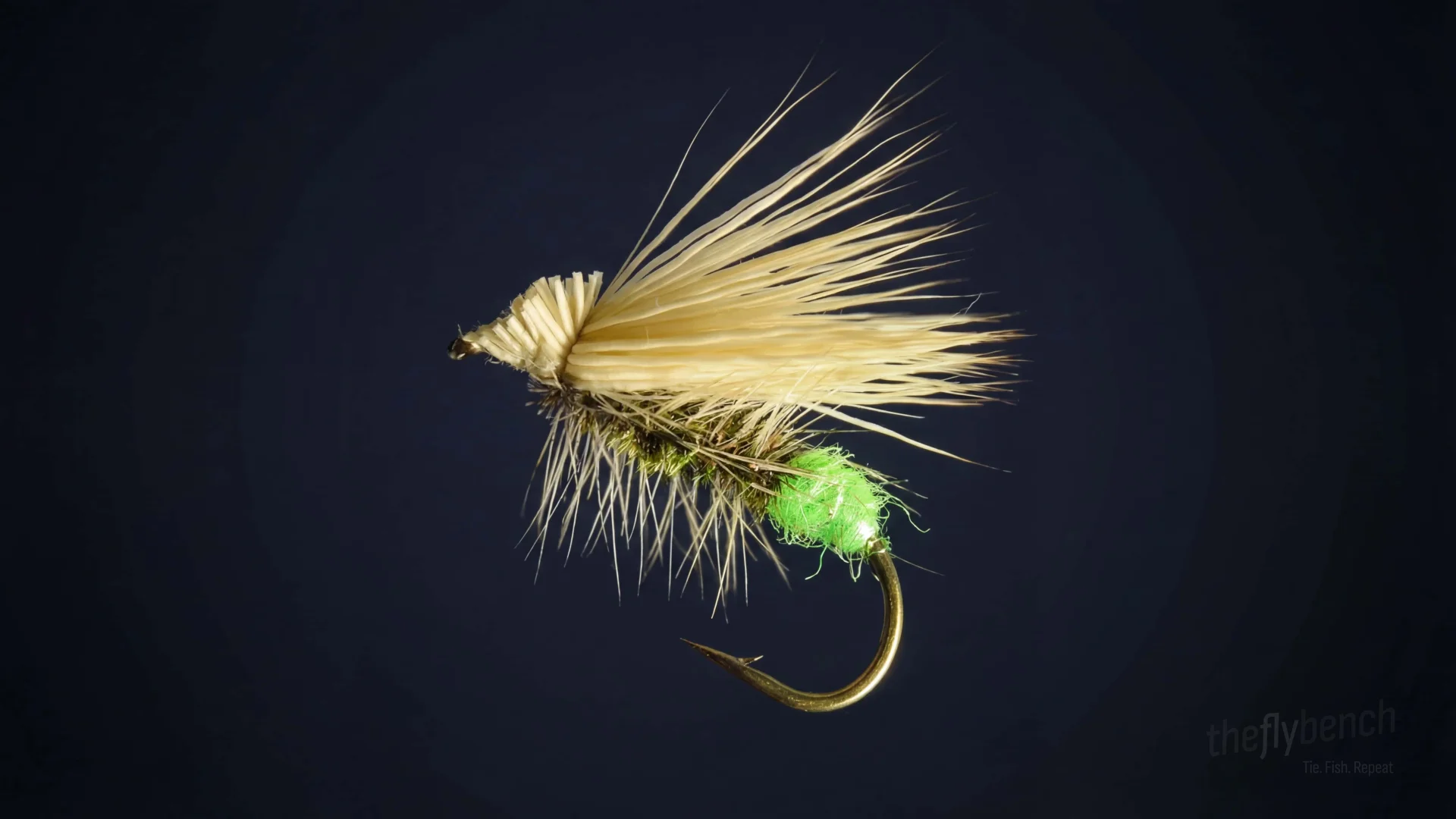
The Egg Laying Elk Hair Caddis is a variant of the classic Elk Hair Caddis, designed to mimic a female caddis returning to the water to lay eggs. The added egg sac at the back of the fly adds a trigger point that fish find irresistible.
Spring, Summer, Fall
Intermediate
Trout
Apr 2025
Overview
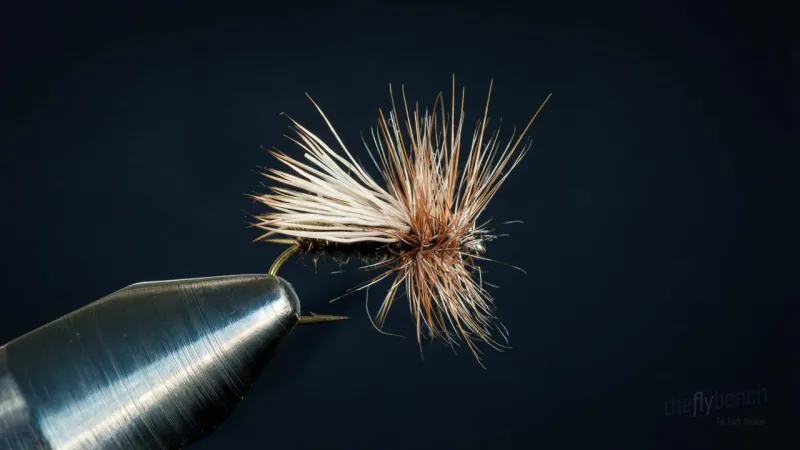
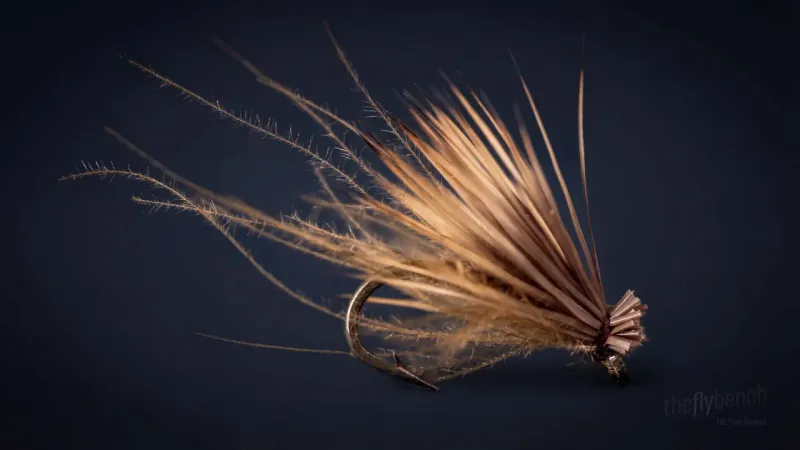
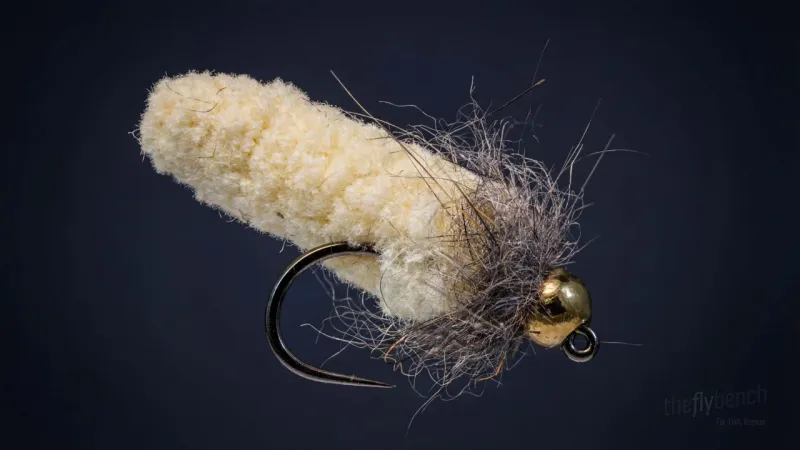
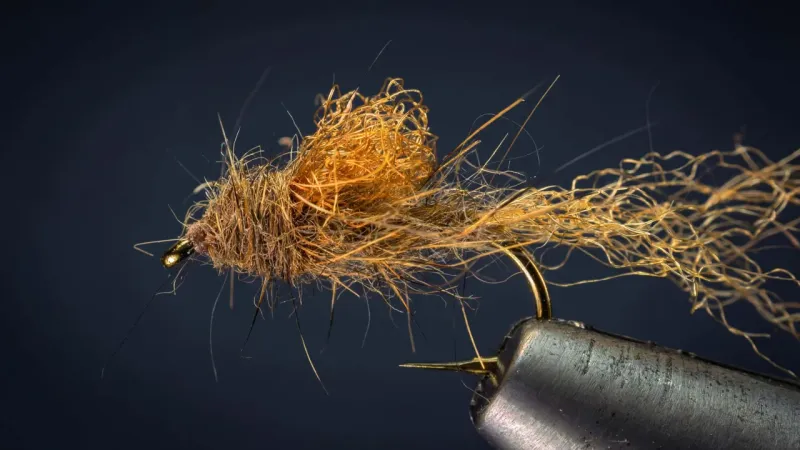
A variation of the classic Elk Hair Caddis, this pattern includes a bright green or orange egg sac at the rear made from Antron or dubbing. It keeps the traditional elk hair wing and palmered hackle, offering great floatation and visibility for fishing caddis egg-laying behavior.
Where to Buy This Fly
We only link to fly shops we trust. Some links are referral links, which may earn us a commission at no extra cost to you.
Materials
- Hook:
- Tiemco 100, size #12–#18
- Thread:
- Tan Veevus 14/0
- Body:
- Superfine dubbing in tan
- Wing:
- Elk hair
- Hackle:
- Grizzly hackle
- Egg Sac:
- Bright orange dubbing
Behavior & Presentation
Natural Behavior: Gravid female caddisflies bounce repeatedly across surface, touching down to release egg packets before lifting off in frantic escape attempts. This rapid dapping behavior creates audible splashes and concentric rings advertising their location.
Where Trout Eat It: Floating on surface in riffles, pocket water, and runs where caddis concentrate egg-laying.
How to Fish It: Dead drift with occasional twitches to simulate wing flutter during egg deposition activity.
Best Water: Target seams, riffle edges, and pocket water where egg-laying females concentrate efforts.
Strike Type: Expect splashy rises or aggressive takes as fish target the active egg-laying behavior.
Fishing Strategy
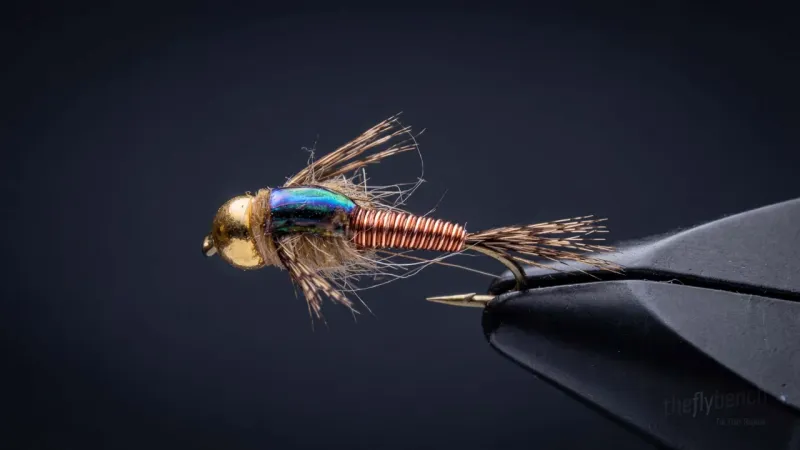
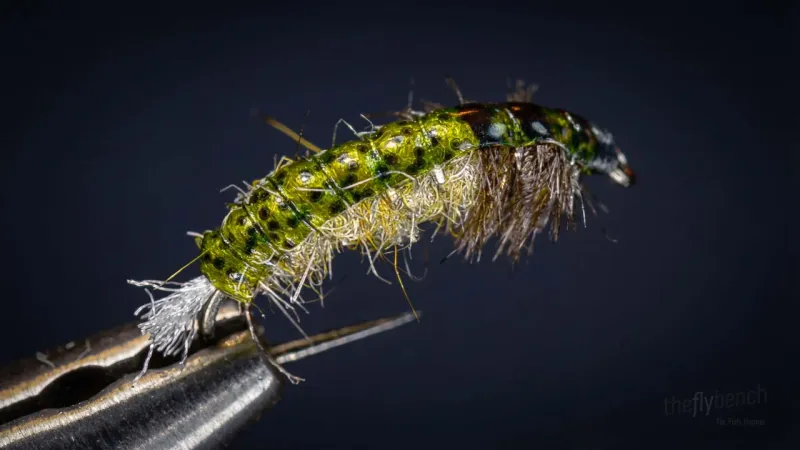
Rigging Suggestions: Use a 9-foot leader with 4X or 5X tippet. Works well as the indicator fly in a dry-dropper rig with a caddis larva or pupa 18-24 inches below.
Seasonal Timing: Most productive during peak caddis activity from April through September, with afternoon and evening hatches being prime times. Late months see the heaviest egg-laying activity.
Pro Tips: The bright orange egg sac is highly visible in broken water. Focus on feeding lanes where females return to the surface after diving to deposit eggs.
Entomology
Gravid female caddisflies bounce repeatedly across the water surface, touching down to release egg packets before lifting off in frantic escape attempts from pursuing fish. This rapid dapping behavior creates audible surface splashes and concentric rings that advertise their location to feeding trout. The egg sac addition and active behavior make these females particularly vulnerable during the peak caddis reproductive period, when fish station in shallow riffles specifically targeting the energetic egg-laying activity occurring throughout late afternoon hours.
- Order
- Trichoptera
- Common Name
- Caddisfly
- Organism Type
- insect
- Life Stage
- adult