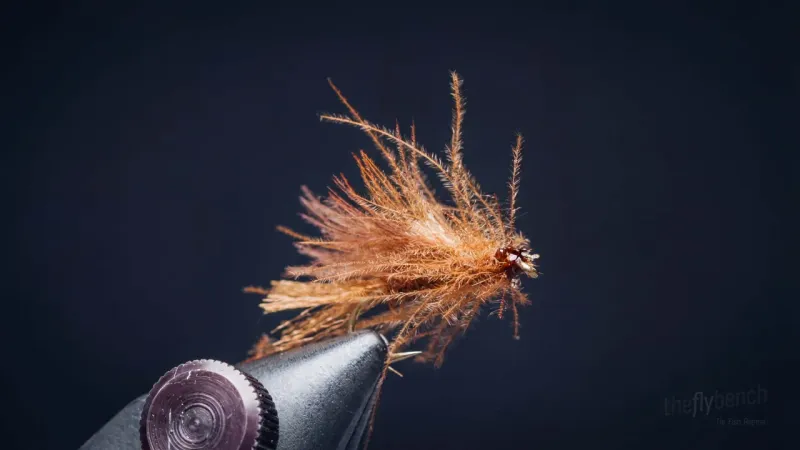
Dry FliesAmber Iris Caddis
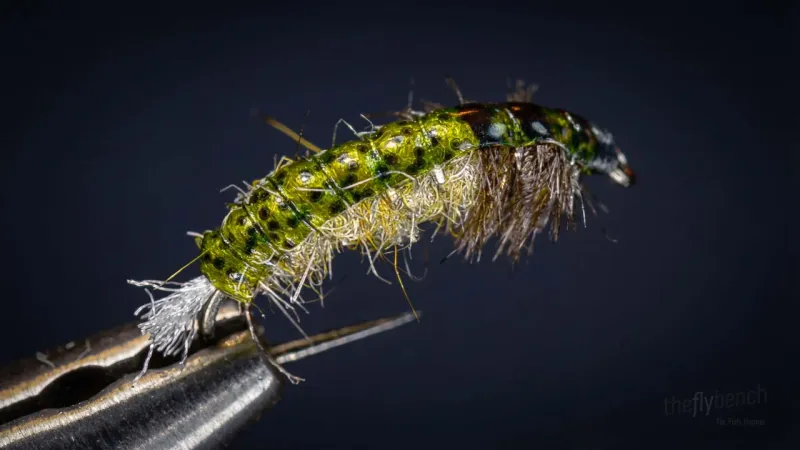
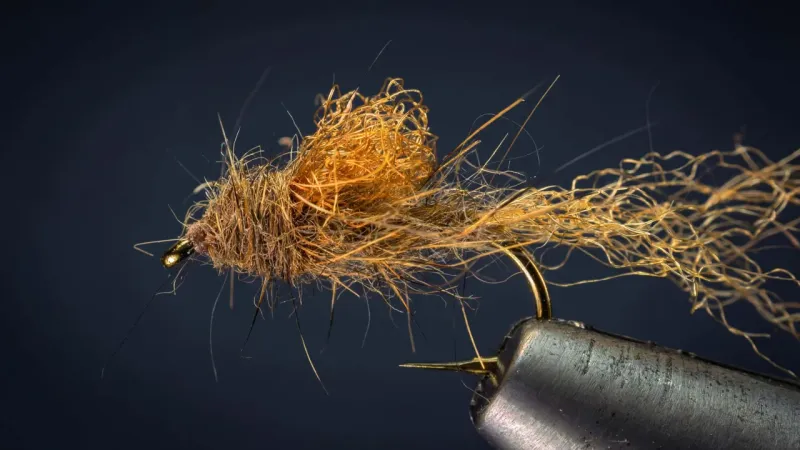
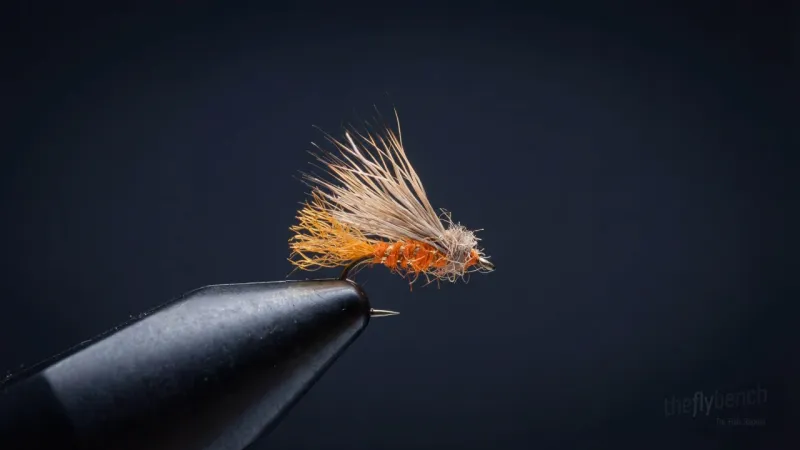
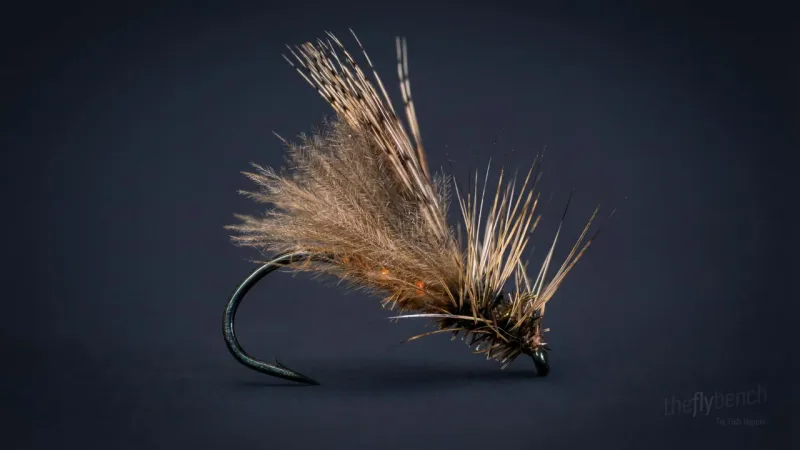
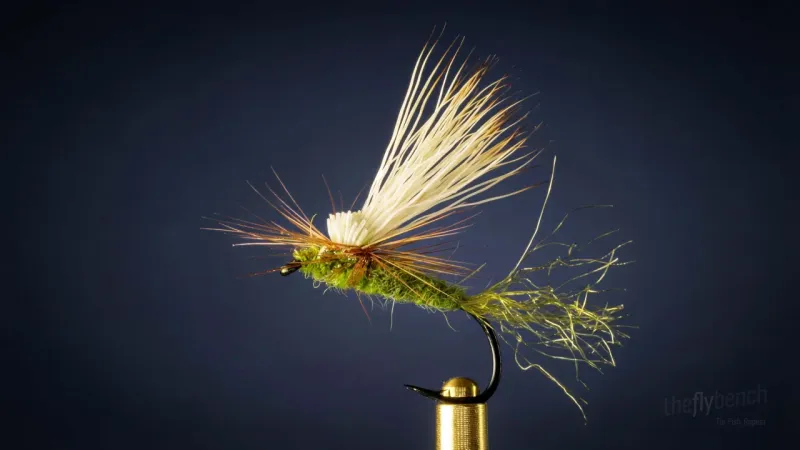
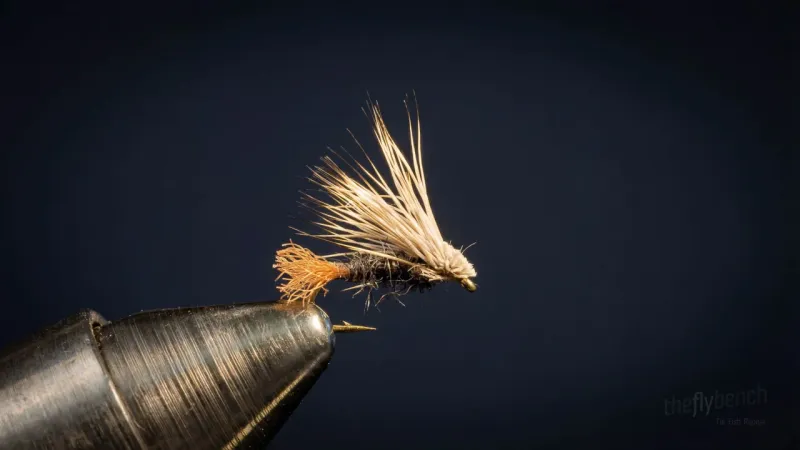
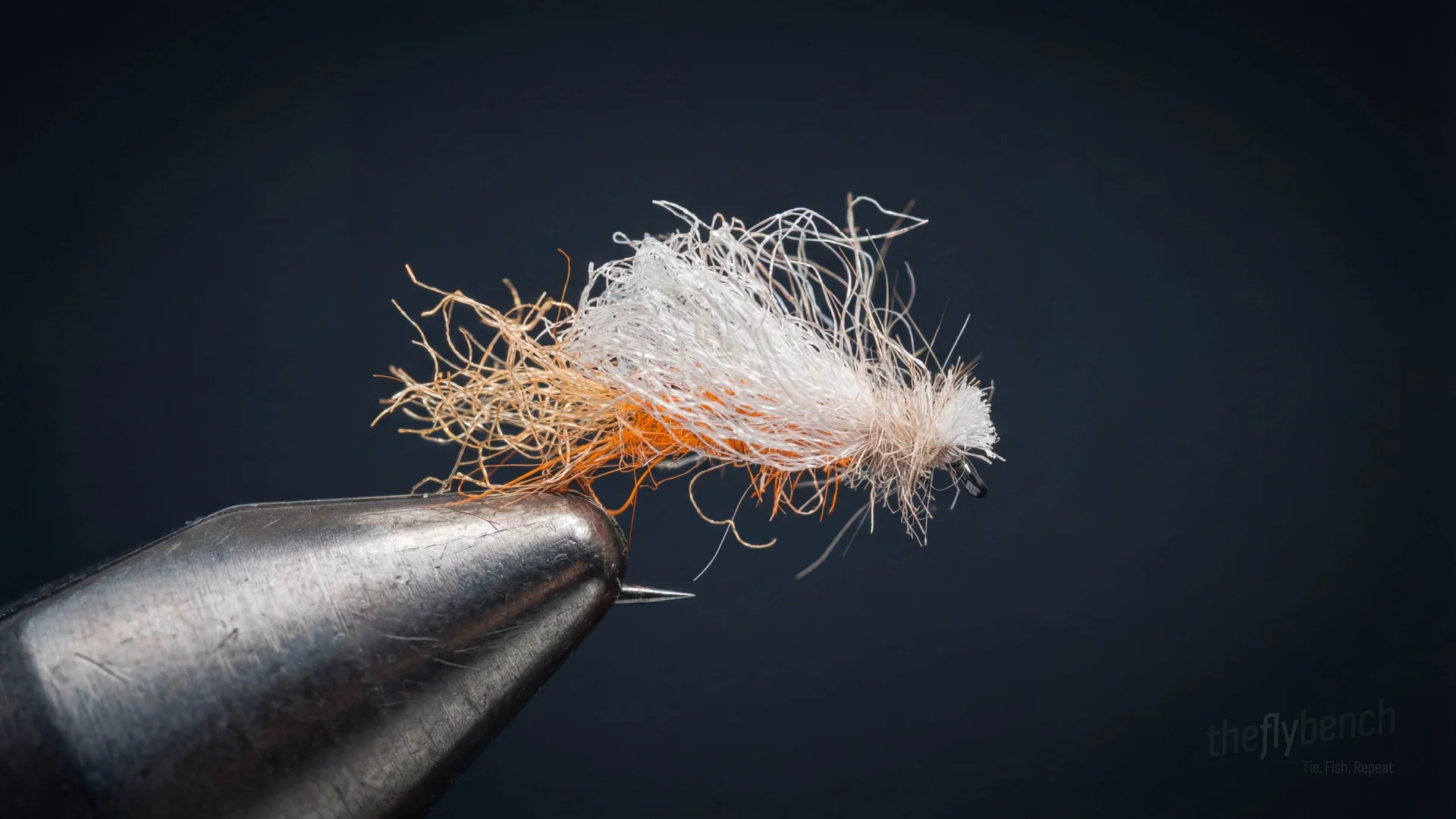
The Amber Iris Caddis is a cripple-style caddis pattern that imitates an adult caddis emerging from its pupal shuck. The Iris Zelon dubbing body creates a translucent amber appearance while the white Zelon wing suggests the emerging adult. This pattern excels during tan and amber caddis hatches common on western rivers.
Summer, Fall
Intermediate
Trout
Dec 2025
Overview
The Amber Iris Caddis utilizes Iris Zelon dubbing which creates a unique translucent effect when wet. The pattern was designed at Blue Ribbon Flies to target selective trout during evening caddis emergences. The Hydropsyche-colored head adds realism by imitating the darker coloration of many net-spinning caddis species.
Materials
Hook: Tiemco 102Y, #15
Thread: Uni-Thread, 8/0, rusty dun
Shuck: Crinkled Zelon, caddis gold
Body: Iris Zelon Dubbing, amber
Wing: Crinkled Zelon, white
Head: Zelon Dubbing, hydropsyche tan
Behavior & Presentation
Natural Behavior: Caddis adults swarm at dusk for mating, with fertilized females returning to deposit egg masses. Egg-layers skitter across the film creating visible wakes, bouncing repeatedly to wash eggs from abdomens.
Where Trout Eat It: Trout target this translucent emerger in surface film during evening caddis hatches when tan/amber species are most active. The Iris Zelon dubbing creates unique underwater glow that draws attention in twilight conditions at dusk.
How to Fish It: Can fish two ways: apply floatant to trail as dry fly behind larger attractor, or fish low in film with shuck submerged as emerger. The 'hang down' method works well—cast across current, let swing below, and pause for strikes.
Best Water: Focus on foam lines and seams during evening emergence periods. The pattern's low-riding profile excels in moderate flows where caddis concentrate at dusk, particularly riffle edges and pool heads.
Strike Type: Aggressive splashy takes during active egg-laying contrast with quieter sips on drowned adults.
Fishing Strategy
Rigging Suggestions: Fish on 9-12 foot leader with 5X tippet. The pattern is durable enough to handle multiple fish.
Seasonal Timing: Most effective from late June through September during evening caddis hatches. Peak activity typically occurs in the hour before and after sunset.
Pro Tips: Rides low in the surface film with the shuck below the surface.
Entomology
Adult caddisflies rest on streamside vegetation during daylight, then swarm over water at dusk for mating flights, with fertilized females returning to the surface to deposit egg masses. Egg-laying females skitter across the surface film creating visible wakes, often bouncing repeatedly to wash eggs from abdomens, and this concentrated activity during specific twilight windows triggers aggressive surface feeding from trout that have waited all day for this predictable protein delivery.
- Order
- Trichoptera
- Common Name
- Caddisfly
- Organism Type
- insect
- Life Stage
- adult