Dry FliesCorn Fed Caddis
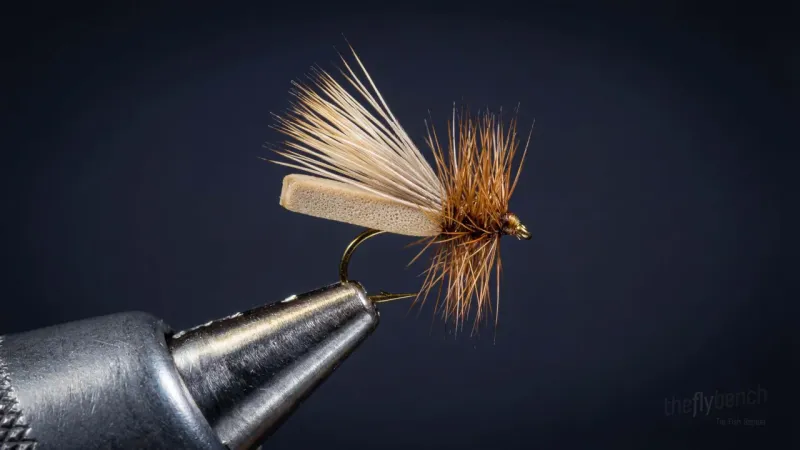
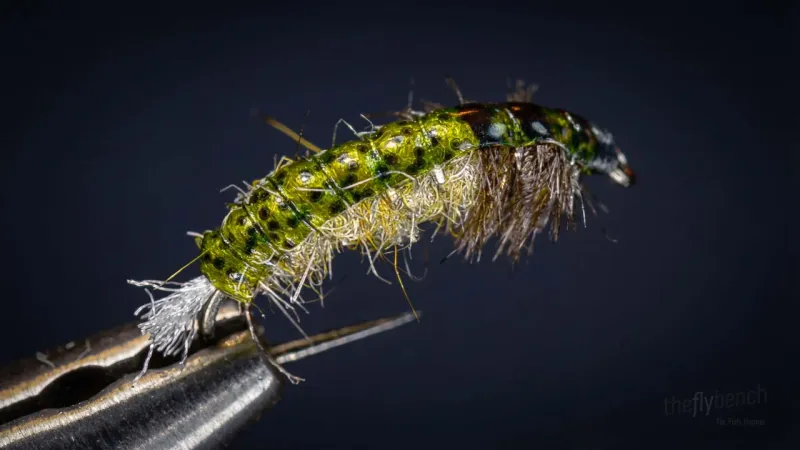
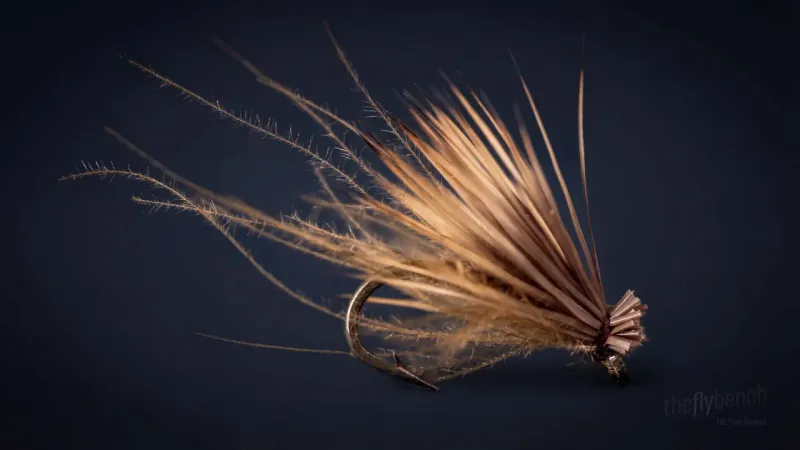
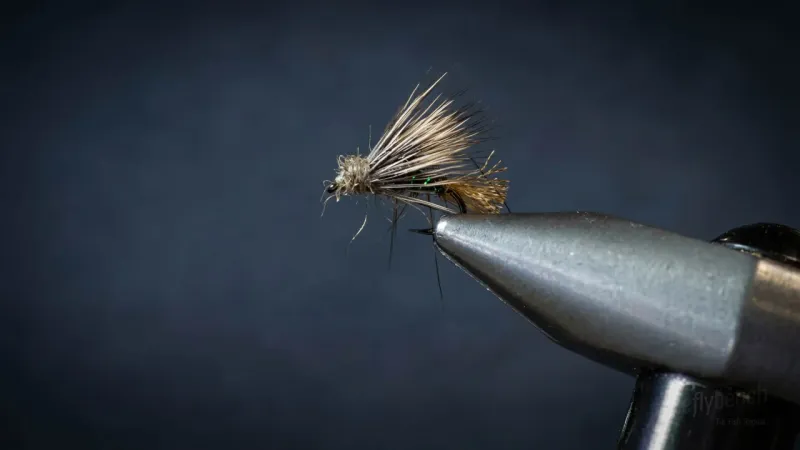
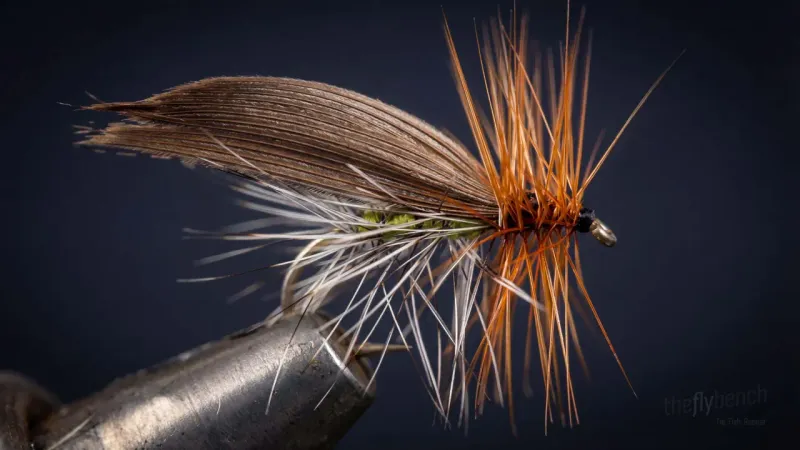
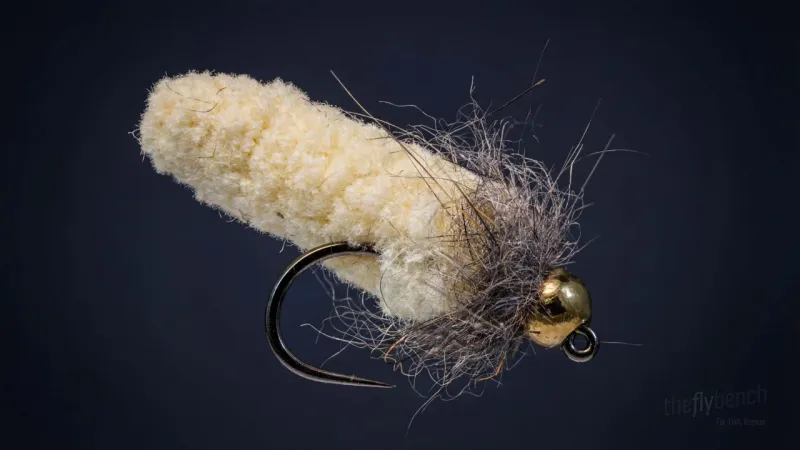
The Corn Fed Caddis is a chunky, high-floating caddis imitation designed by Lance Egan that has become a go-to pattern for dry fly anglers across the country. The CDC-based wing creates exceptional floatation while maintaining a lifelike, soft profile that lands delicately on the water. A supremely effective pattern that excels in both technical spring creek situations and aggressive freestone fishing.
Spring, Summer, Fall
Intermediate
Trout
Dec 2025
Overview
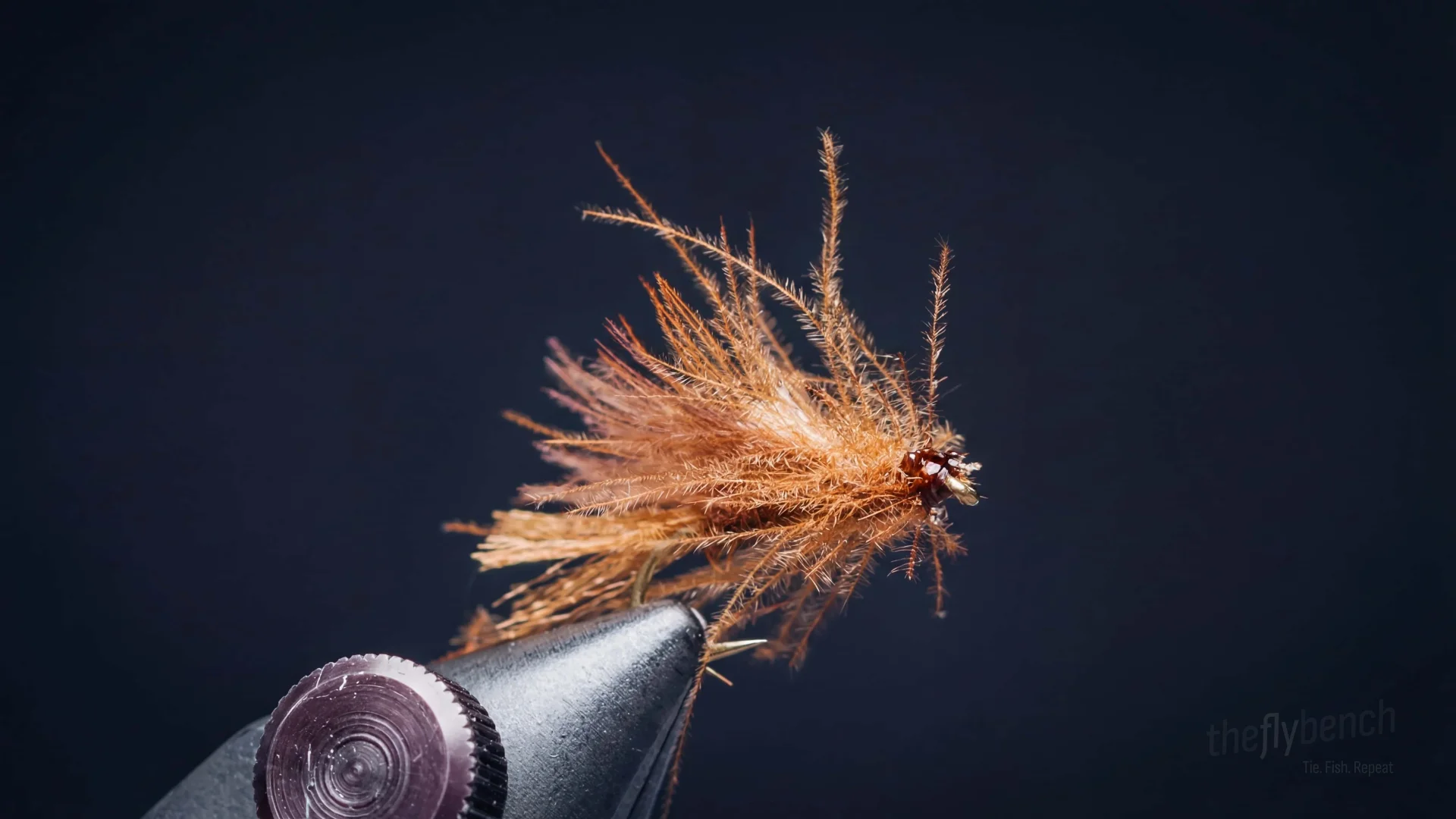
This Trident Fly Fishing tutorial showcases Lance Egan's highly productive caddis pattern. The CDC wing provides the fly's signature floatation—CDC traps air bubbles and creates lifelike movement that deer hair simply cannot match. The white poly yarn overwing serves double duty: it adds buoyancy and acts as a sighter for tracking the fly on the water. The trailing Antron shuck imitates the pupal case still attached to an emerging caddis, adding realism to the presentation. Can be tied in olive, amber, and other colors to match local caddis species.
Materials
Hook: Tiemco 100, size #12–#18
Thread: Tan UTC 70
Trailing Shuck: White or tan Antron yarn
Body: Tan Superfine dubbing
Underwing: Natural dun CDC
Overwing/Sighter: White poly yarn
Collar/Head: Natural CDC, dubbed loop
Behavior & Presentation
Natural Behavior: Adults emerging from cases skitter rapidly across the surface, attempting to gain flight before fish intercept them. Panicked surface activity creates visual and vibrational cues that trout key on during concentrated emergence periods when multiple adults are accessible.
Where Trout Eat It: Fish intercept at the surface in feeding lanes and seams during April through October emergence periods in tailwaters and freestone streams.
How to Fish It: Dead drift with occasional subtle twitches to activate CDC fibers, mimicking struggling or egg-laying behavior.
Best Water: Focus on runs and riffle edges in spring creeks and tailwaters where caddis populations thrive and hatch activity concentrates.
Strike Type: Expect visible surface takes, expanding rings, or aggressive strikes as fish intercept emerging or egg-laying adults.
Fishing Strategy
Rigging Suggestions: Use 9-foot leaders tapered to 4X–5X tippet. Outstanding as a dry-dropper indicator fly—the poly yarn wing provides excellent visibility while the buoyant CDC supports heavy nymph droppers.
Seasonal Timing: Most effective during caddis emergences. Peak productivity occurs April through October when caddisflies are actively hatching and egg-laying.
Pro Tips: Apply CDC-friendly floatant sparingly before fishing; CDC can become waterlogged with repeated dunking.
Entomology
Caddisflies emerging from cases skitter rapidly across the surface, attempting to gain flight before fish intercept them during this vulnerable transition. The panicked surface activity creates visual and vibrational cues that trout key on, particularly during concentrated emergence periods when multiple adults are accessible simultaneously.
- Order
- Trichoptera
- Common Name
- Caddisfly
- Organism Type
- insect
- Life Stage
- adult