Euro NymphsDoctor's Sweetmeat Caddis
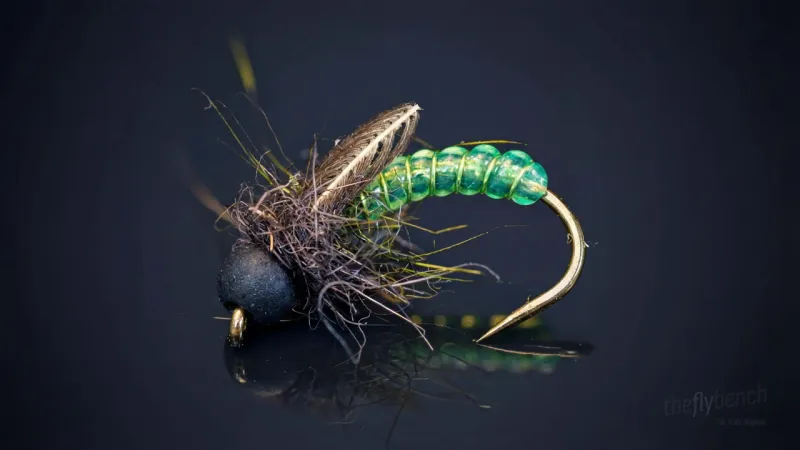
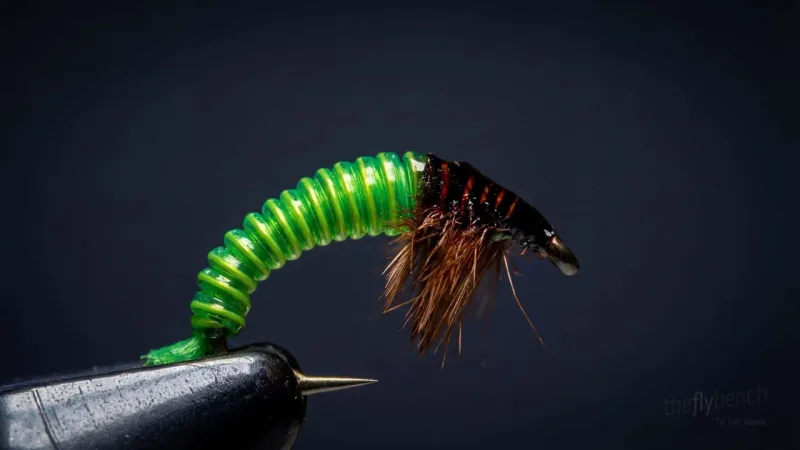
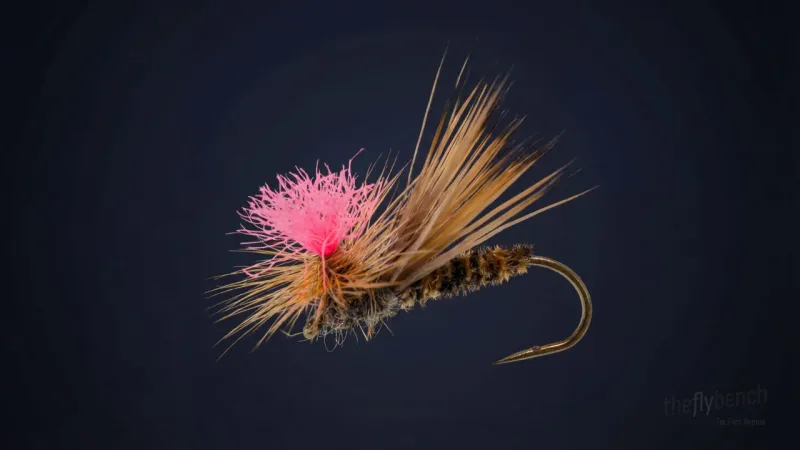
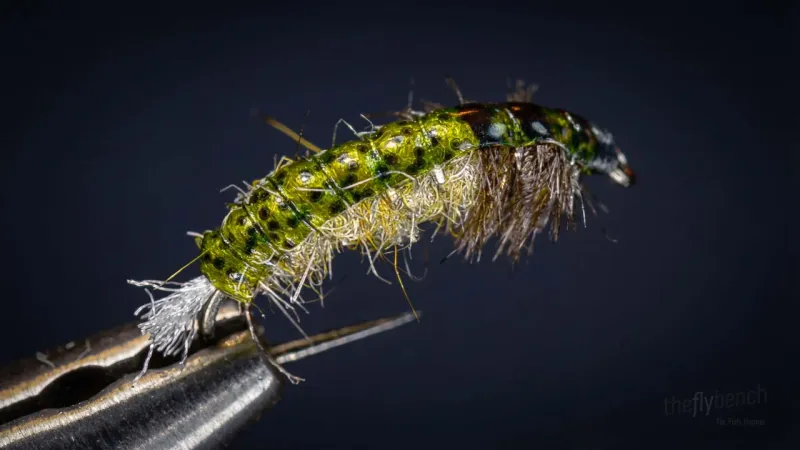
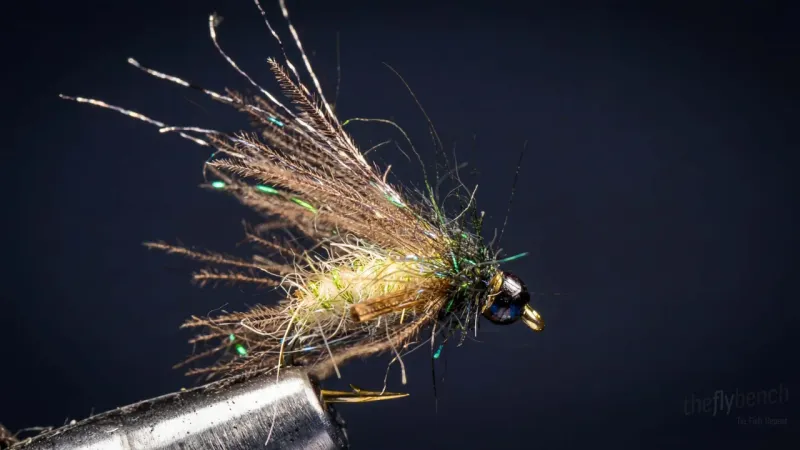
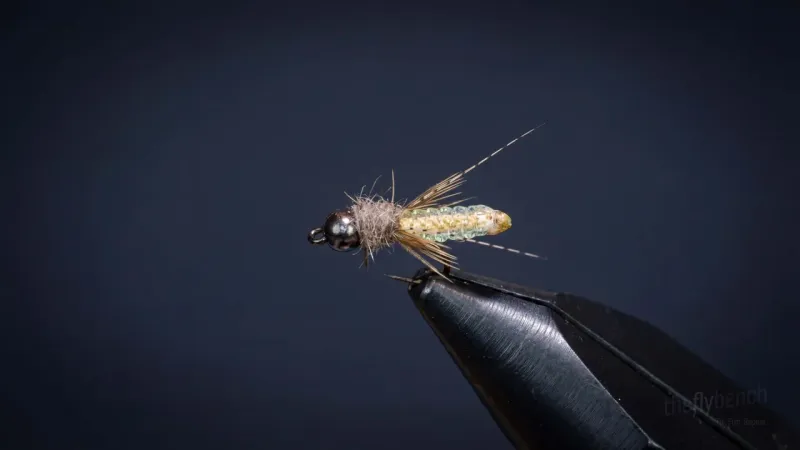
The Doctor's Sweetmeat Caddis is a modern Euro-style caddis pupa pattern designed by Garrison Doctor, a Boulder, Colorado artist and accomplished fly tier. This jigged pattern features a durable wire body, flowing CDC collar, and flashy Ice Dub that combine to create an irresistible caddis imitation. The jig hook orientation keeps the fly riding point-up to reduce snags and improve hookups directly in the fish's upper lip.
Spring, Summer, Fall
Intermediate
Trout
Dec 2025
Overview
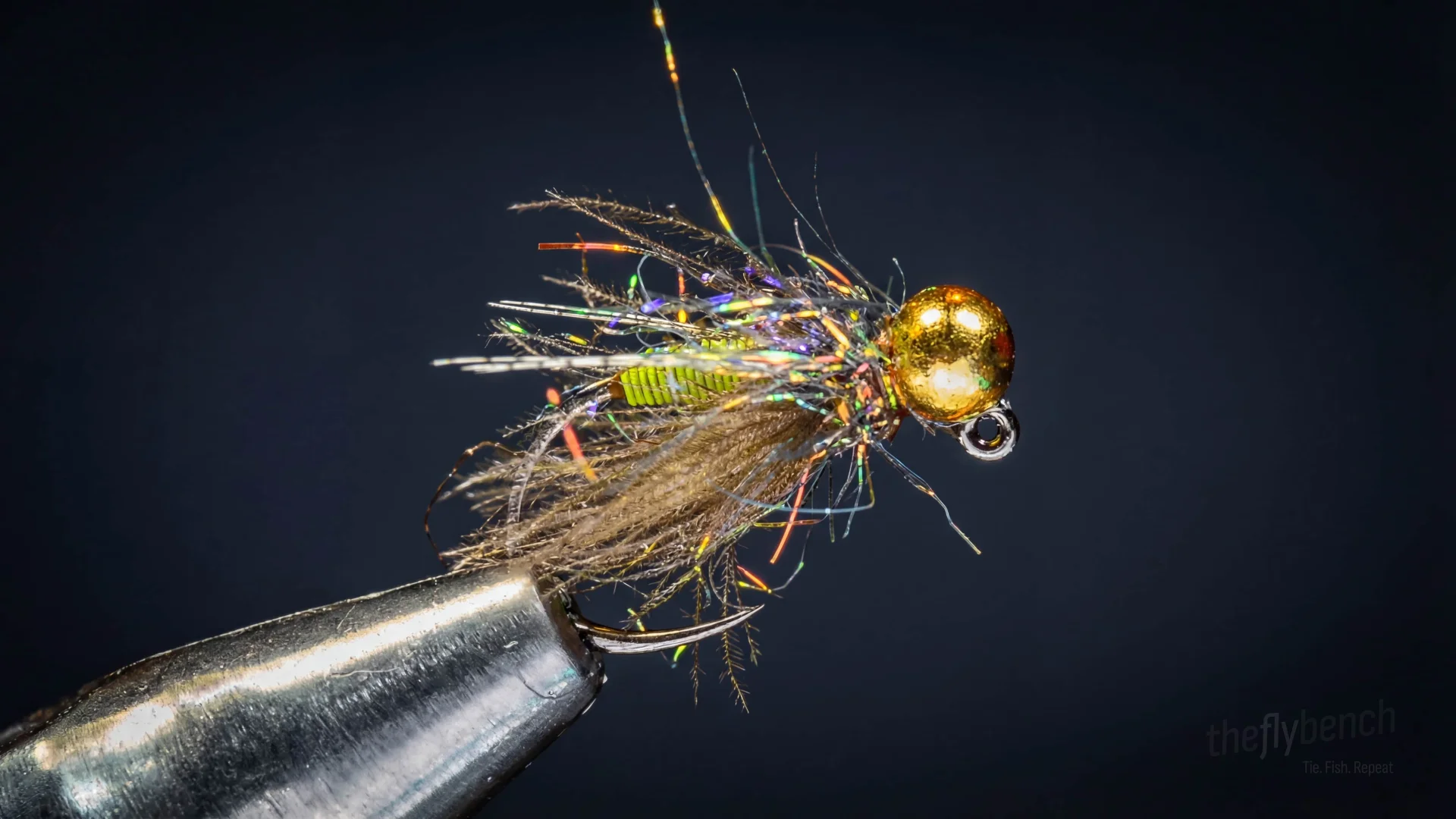
This Charlie Craven pattern from Charlie's Fly Box showcases the innovative work of Garrison Doctor, a Boulder native whose artistic talents extend to fly design. The Sweet Meat Caddis was developed for Euro-style nymphing but works equally well under a strike indicator or as a dropper beneath a dry fly. The pattern features a CDC collar positioned only on top of the hook, allowing the wire body to remain visible from below. Different bead sizes from 2.3mm to 3.5mm allow anglers to tailor weight to water depth and speed.
Materials
Hook: Hanak 450 BL, #14-16
Bead: Slotted Tungsten Jig Bead, gold, sized for weight (2.3mm-3.5mm)
Thread: Danville 6/0, brown
Abdomen: UTC Wire, small, golden olive
Collar: Ice Dub UV, brown
Wing: CDC, natural dun
Antennae: Mallard Flank, natural
Head: Ice Dub, peacock
Behavior & Presentation
Natural Behavior: Caddis pupae ascend using paddle-like leg strokes, creating helical spirals toward the surface film. Gas trapped in their pupal sheath creates shimmer and buoyancy, increasing visibility. Their energetic swimming makes them easier to intercept than static prey items.
Where Trout Eat It: Trout target ascending pupae throughout the water column, from streambed to mid-column zones. Fish hold in pocket water and current breaks where pupae concentrate during emergence.
How to Fish It: Use euro tight-line techniques or suspend under indicators in deeper runs. The jig hook reaches feeding zones quickly while maintaining natural drift.
Best Water: Target pocket water, runs, current breaks, and riffle edges where caddis pupae drift before emerging.
Strike Type: Watch for sighter sag, ticks, or subtle pauses signaling interception.
Fishing Strategy
Rigging Suggestions: Fish on a Euro nymphing setup or traditional indicator rig. Excellent as a dropper under a large dry fly when fishing from a drift boat.
Seasonal Timing: Most through fall during active caddis periods. However, this pattern works as an effective attractor throughout summer when fish are conditioned to see caddis pupae regularly.
Pro Tips: The gold tungsten bead provides flash and weight while the UV Ice Dub collar creates subtle sparkle. The CDC wing adds natural movement and traps air for lifelike appearance in the drift.
Entomology
Caddis pupae ascend through the water column using undulating swimming motions powered by paddle-like middle legs, often creating erratic helical spirals. Gas accumulation within the pupal sheath provides buoyancy while simultaneously making the insect shimmer with reflected light, increasing visibility to predators. Mass emergences concentrate dozens of pupae in predictable zones, and their energetic swimming efforts make them easier to intercept than static prey.
- Order
- Trichoptera
- Common Name
- Caddisfly
- Organism Type
- insect
- Life Stage
- pupa