Dry FliesBloom Caddis
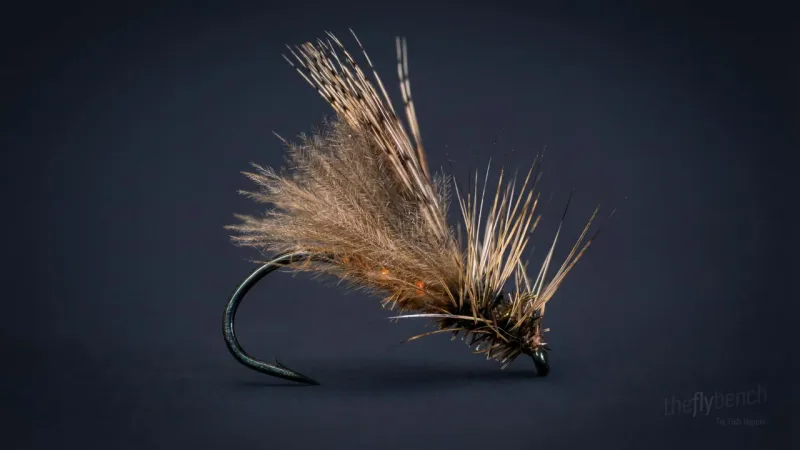
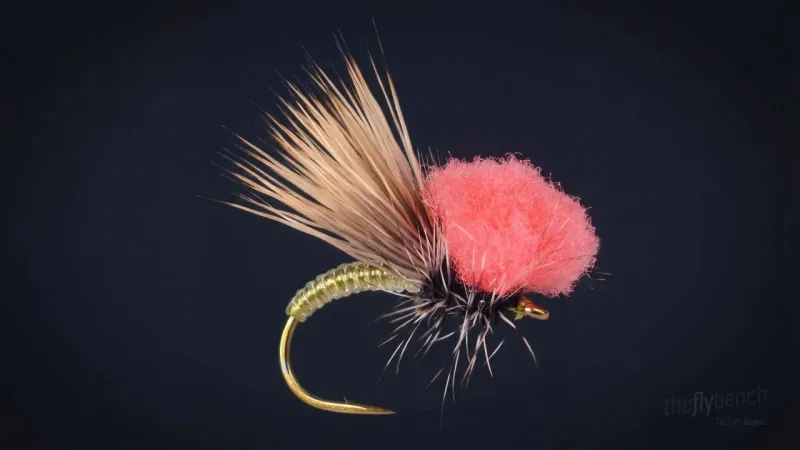
The Bloom Caddis is a dry fly pattern that effectively represents adult caddisflies. This fly floats high and is easy to see, making it a favorite for fishing in fast moving water where caddisflies are common.
Spring, Summer
Intermediate
Trout
Apr 2025
Overview
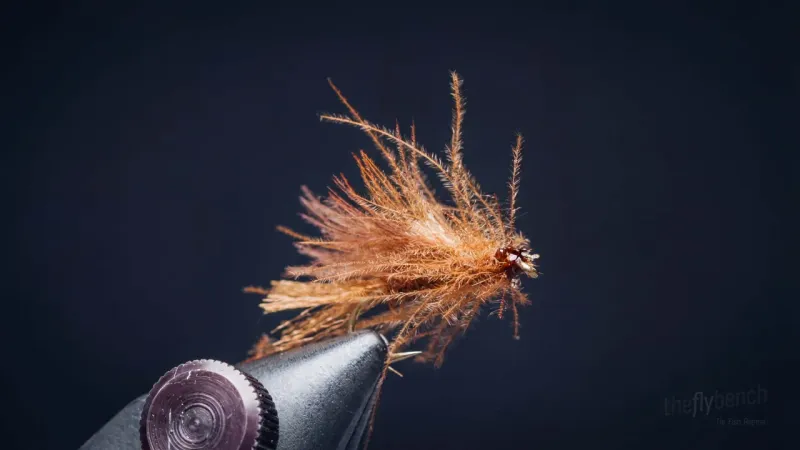
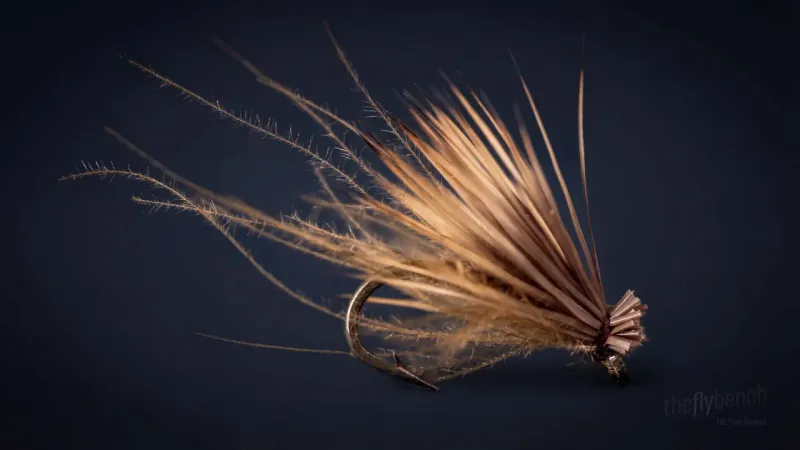
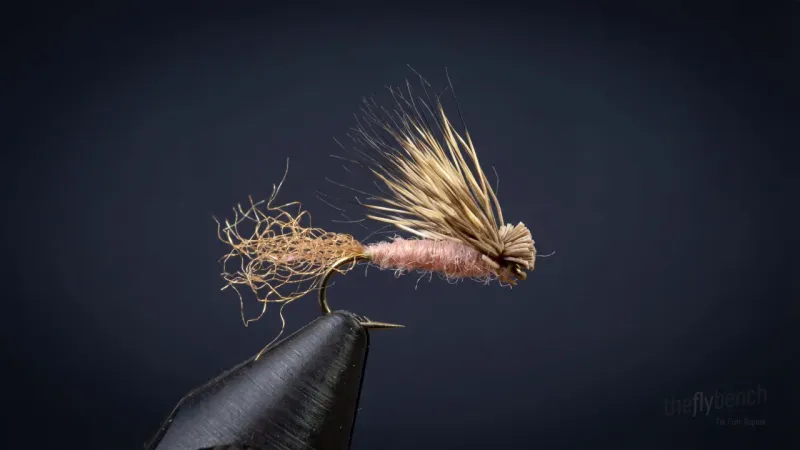
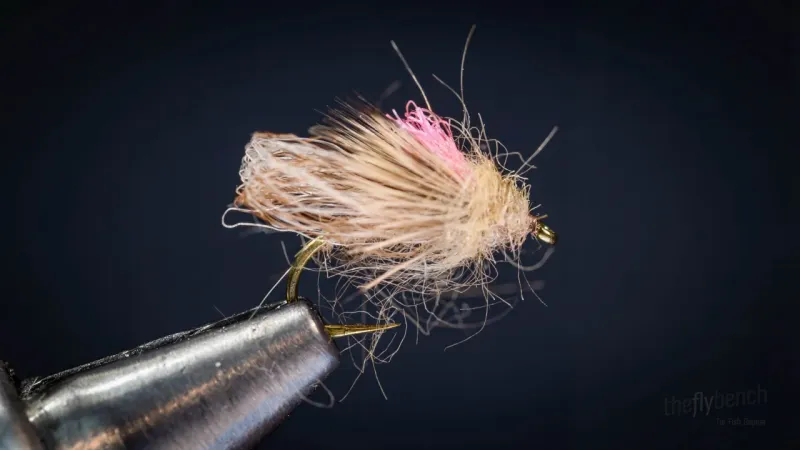
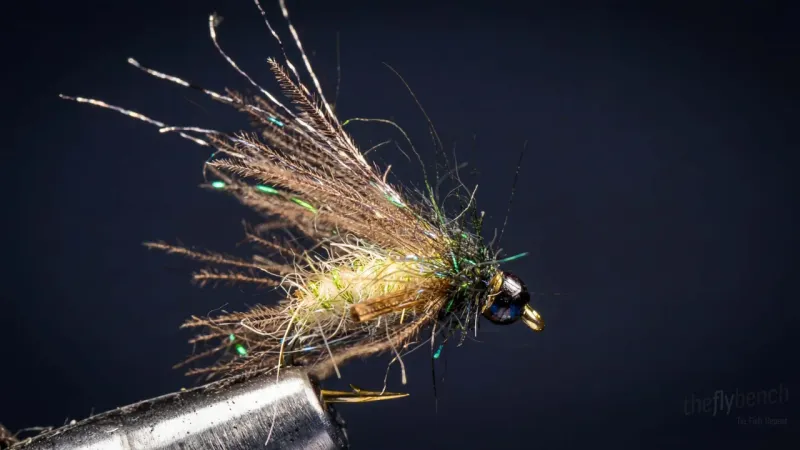
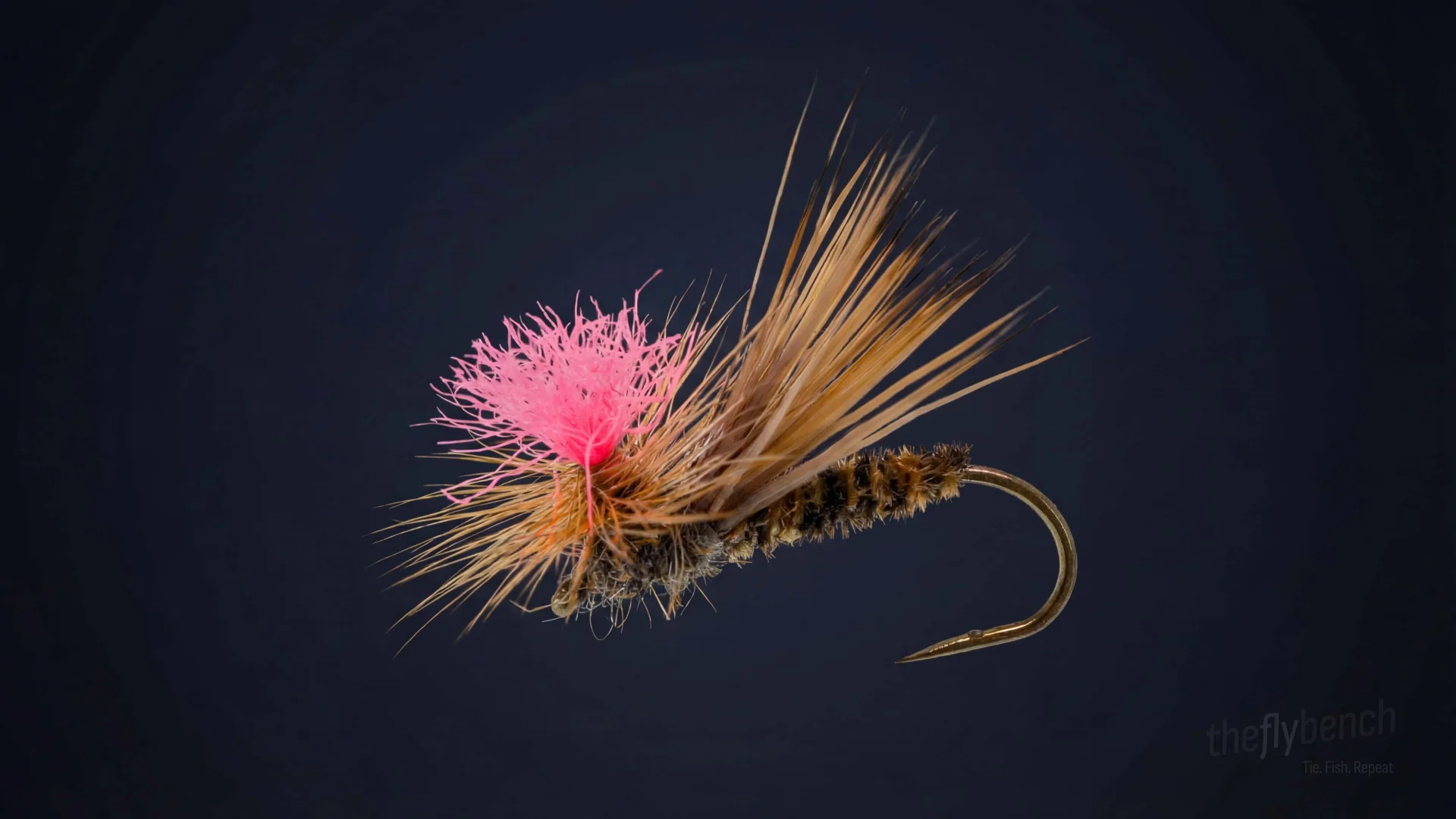
The Bloom Caddis is a high-floating dry fly designed for rough water. It features a dubbed body, deer hair wing, and a palmered hackle for buoyancy and durability. Tied on a standard dry fly hook, it often includes a dubbed thorax for added profile. The deer hair wing is tied down over the body to mimic the tent-like shape of adult caddisflies. It's a great pattern to practice stacking and securing deer hair while maintaining a slim body profile underneath.
Where to Buy This Fly
We only link to fly shops we trust. Some links are referral links, which may earn us a commission at no extra cost to you.
Materials
- Hook:
- Tiemco 100, size #12–#16
- Thread:
- Olive 6/0
- Body:
- Olive dubbed body
- Wing:
- Deer hair
- Hackle:
- Grizzly and brown
Behavior & Presentation
Natural Behavior: Adult caddis flutter and skitter across the surface during egg-laying flights, their tent-like wings creating erratic movement. Females dip repeatedly to deposit eggs, often becoming trapped in the film or drowning after reproductive cycles complete.
Where Trout Eat It: Riffles, runs, and pool tail-outs where egg-laying caddis concentrate during evening hatches.
How to Fish It: Present with natural drift, allowing the high-floating profile to ride currents without drag.
Best Water: Focus on riffles, seams, and tail-outs where egg-laying activity concentrates.
Strike Type: Trout explode on this high-floating pattern with splashy, confident rises that often miss initially—keep the fly on the water through refusals for follow-up strikes.
Fishing Strategy
Rigging Suggestions: Fish the Bloom Caddis alone on a light tippet.
Seasonal Timing: Most productive during optimal water temperature windows and peak insect activity periods.
Pro Tips: The Bloom Caddis is a high-floating dry fly. The deer hair wing makes it highly visible and aids in floatation. Use floatant to keep this fly riding high on the water.
Entomology
Adult caddisflies flutter and skitter across the water surface during egg-laying flights, creating erratic movement patterns with wings held in a tent-like position over their bodies. Females dip to the surface repeatedly to deposit eggs, often becoming trapped in the surface film or drowning after completing their reproductive cycle. The chaotic surface activity and high visibility of adults during evening hatches triggers aggressive topwater feeding, especially in riffles and pool tailouts where egg-laying concentrates.
- Order
- Trichoptera
- Common Name
- Caddisfly
- Organism Type
- insect
- Life Stage
- adult