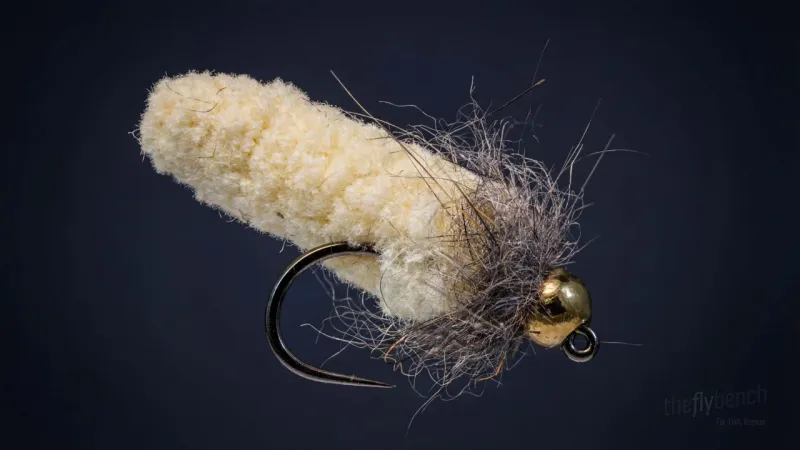
NymphNitro Caddis Pupa
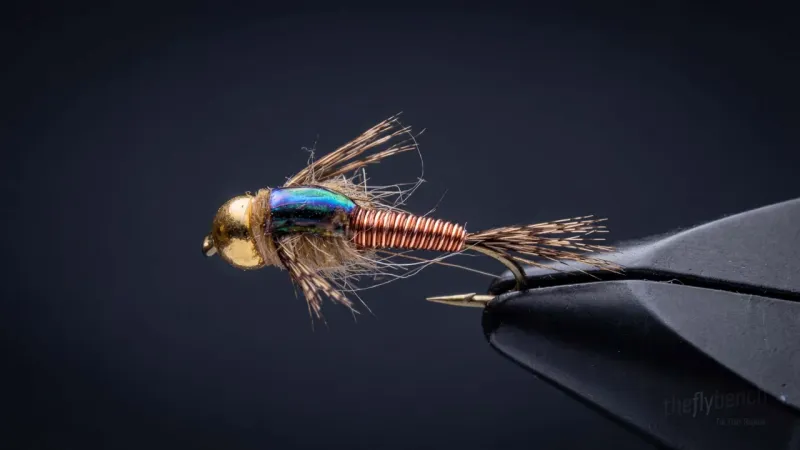
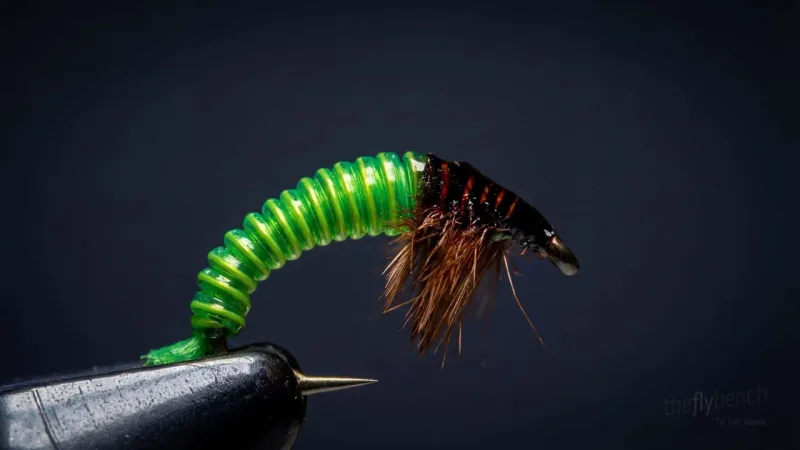
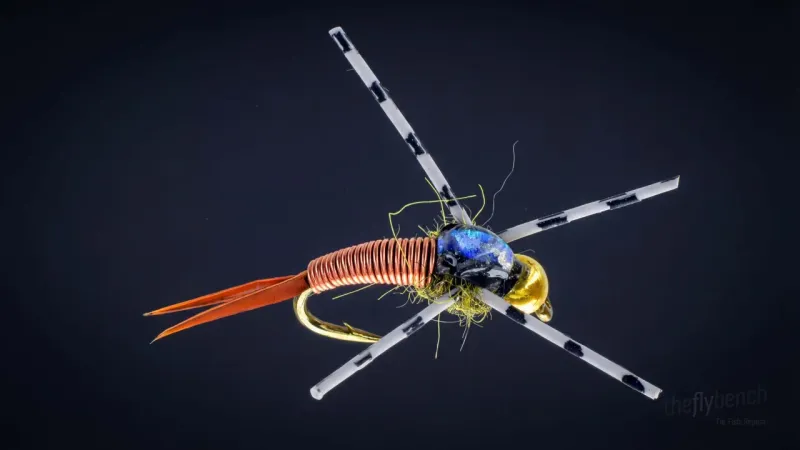
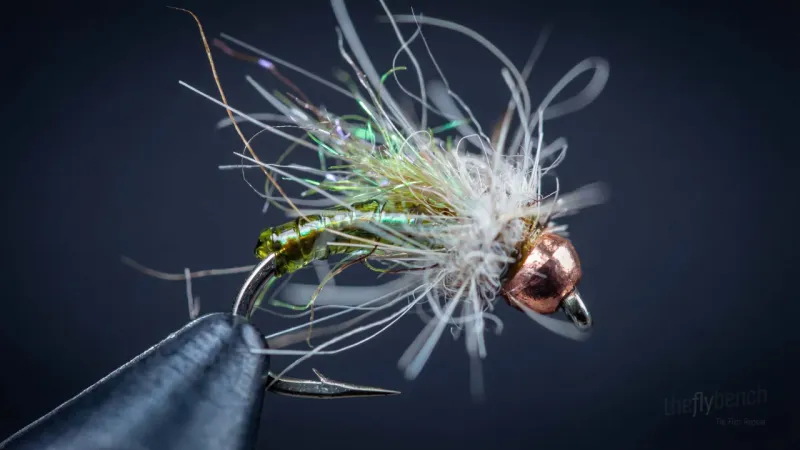
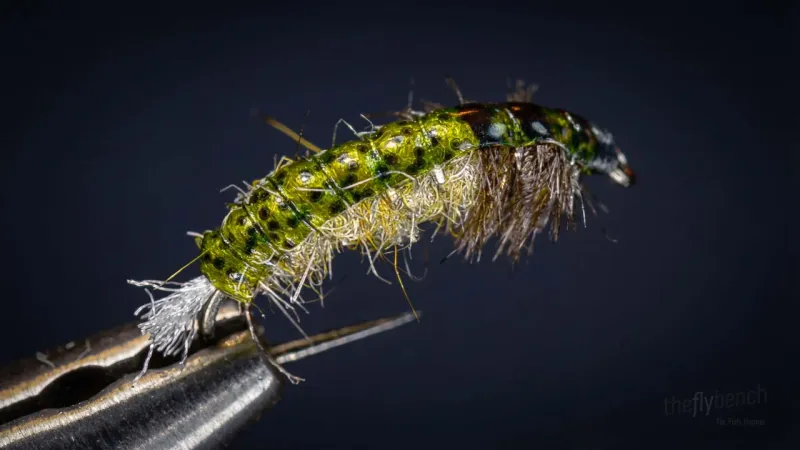
Realistic pattern imitates the pupal stage of a caddis. With its lifelike silhouette and subtle flash, it's an excellent fly for tricking wary trout. Flashy caddis pupa features dubbed or Ice Dub body with bold beadhead and UV sparkle. Thin wire rib adds segmentation while hotspot thorax and soft hackle give it life.
Spring, Summer, Fall
Advanced
Trout
Apr 2025
Overview
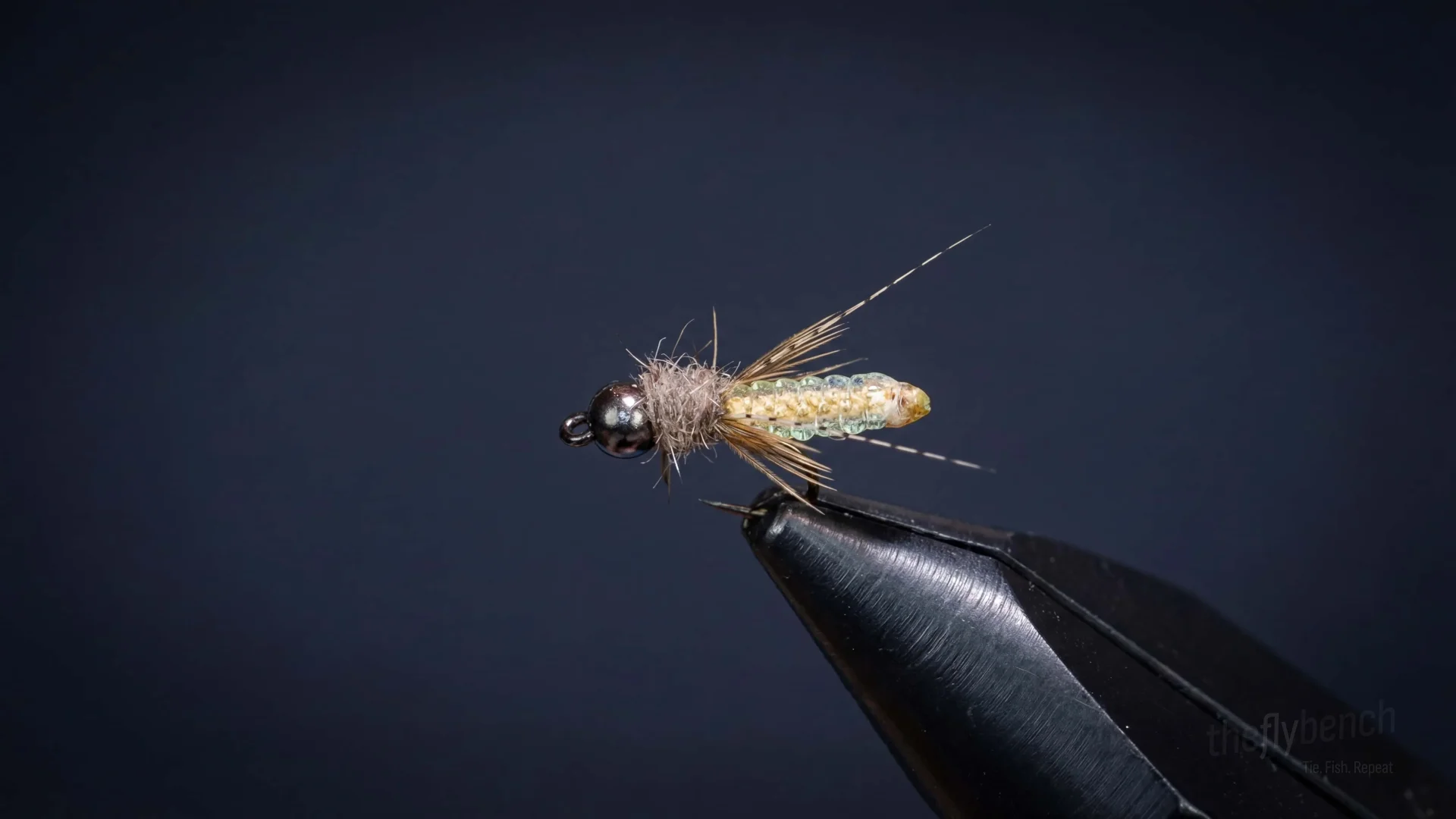
Flashy caddis pupa pattern developed in the 2000s features a dubbed or Ice Dub body with a bold beadhead and a hint of UV sparkle. A thin wire rib adds segmentation, while a hotspot thorax and soft hackle give it life in the drift. The UV materials create subtle flash that attracts fish during active emergences. Most effective in sizes #12-16 to match common caddis species. The combination of natural dubbing and synthetic materials creates a realistic translucent appearance.
Where to Buy This Fly
We only link to fly shops we trust. Some links are referral links, which may earn us a commission at no extra cost to you.
Materials
- Hook:
- Firehole 315 Size 14
- Bead:
- Firehole Tungsten Bead 3.0mm Black
- Thread:
- Semperfli Nanosilk 12/0 Black
- Body:
- Pearl Core Braid Olive
- Thorax:
- SLF Pattern Blends, Dark Stone Nymph
- Collar:
- Brahma Hen Hackle
- Wingcase:
- Mallard Flank Dyed Wood Duck
Behavior & Presentation
Natural Behavior: During rapid ascent toward emergence, pupae race upward in quick bursts with trailing gas bubbles that create visible disturbance. This vertical movement through mid-water zones triggers aggressive interception from strategically positioned trout.
Where Trout Eat It: Fish suspend in mid-column and upper zones at depths of 1-4 feet in riffles, runs, and pool heads during emergence periods.
How to Fish It: Dead drift in the middle to upper water column with occasional twitches to mimic ascending pupae during active hatches.
Best Water: Focus on riffles, runs, pool heads, and current breaks where caddis emergence concentrates feeding activity.
Strike Type: Indicators often pop under or dart sideways during active emergences as trout aggressively intercept ascending pupae. The takes are typically quick and decisive—set immediately when you see any unnatural indicator movement.
Fishing Strategy
Rigging Suggestions: Use as the lead fly in a tandem nymph rig, or trail it behind a dry fly during a hatch 18-24 inches below. Fish on 4X-5X fluorocarbon tippet.
Seasonal Timing: Effective April through October during caddis hatches, which typically occur in and . Peak productivity occurs during May-June and August-September. Water temperatures between 55-68°F are ideal.
Pro Tips: Sinks quickly but is fished closer to the surface (1-3 feet deep) during a hatch. Sighter tippet or an indicator may be helpful for detecting subtle takes. The UV materials provide flash that attracts fish.
Entomology
Caddis pupae ascend rapidly through the water column using gas bubbles trapped within their pupal cases and vigorous swimming motions of their legs, racing toward the surface to complete metamorphosis. Trout position themselves strategically to ambush these ascending pupae, which concentrate in specific emergence zones during peak hatch periods creating predictable feeding opportunities.
- Order
- Trichoptera
- Common Name
- Caddisfly
- Organism Type
- insect
- Life Stage
- pupa