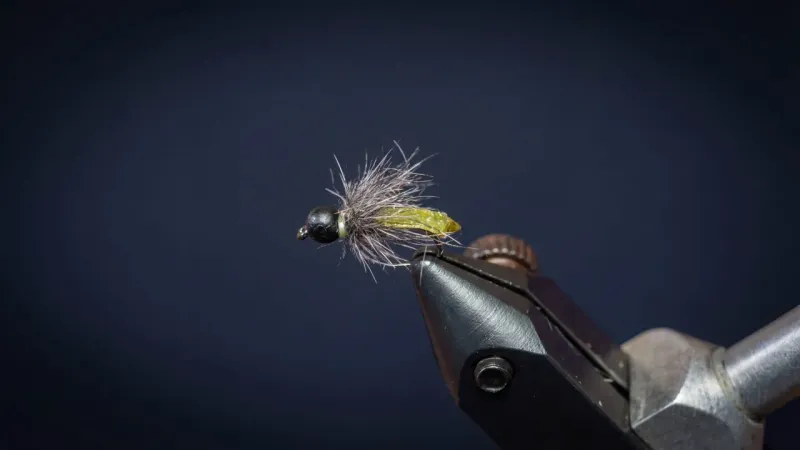
Dry FliesBighorn CDC X Caddis
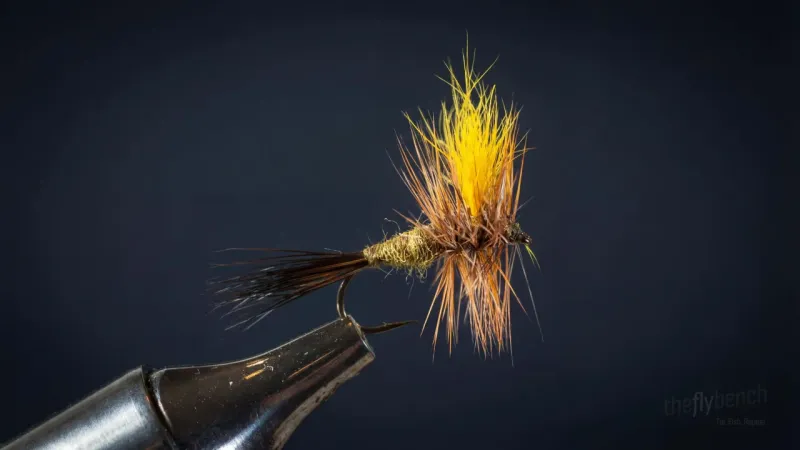
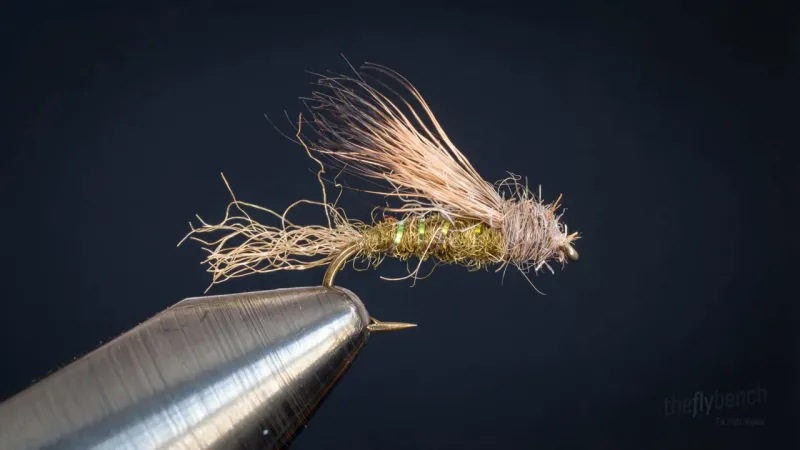
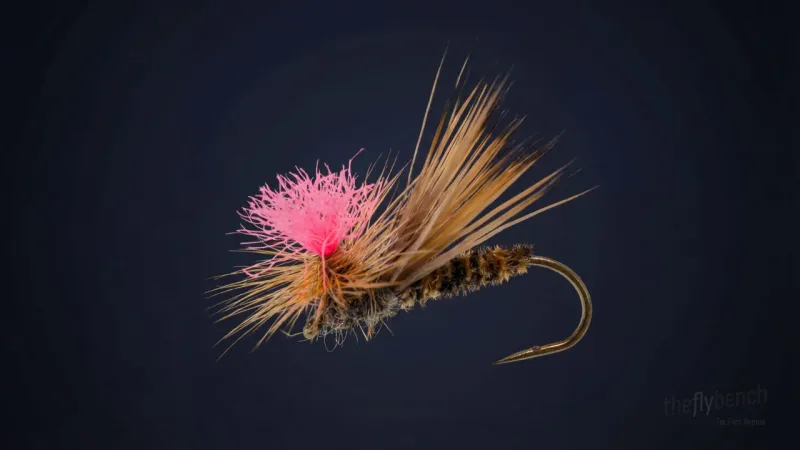
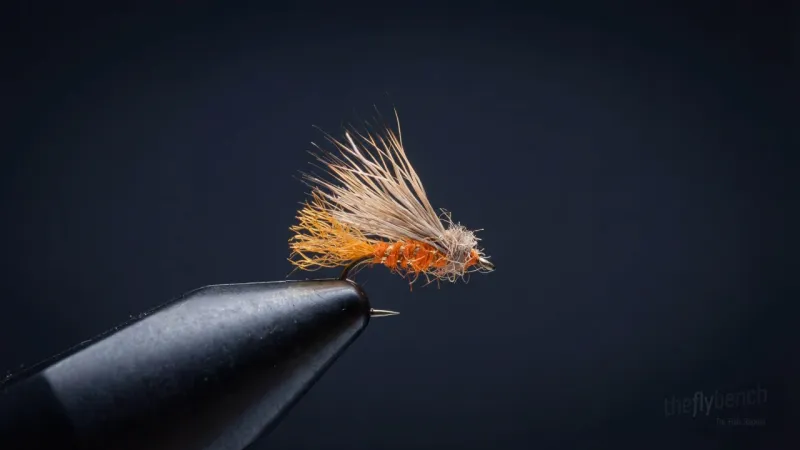
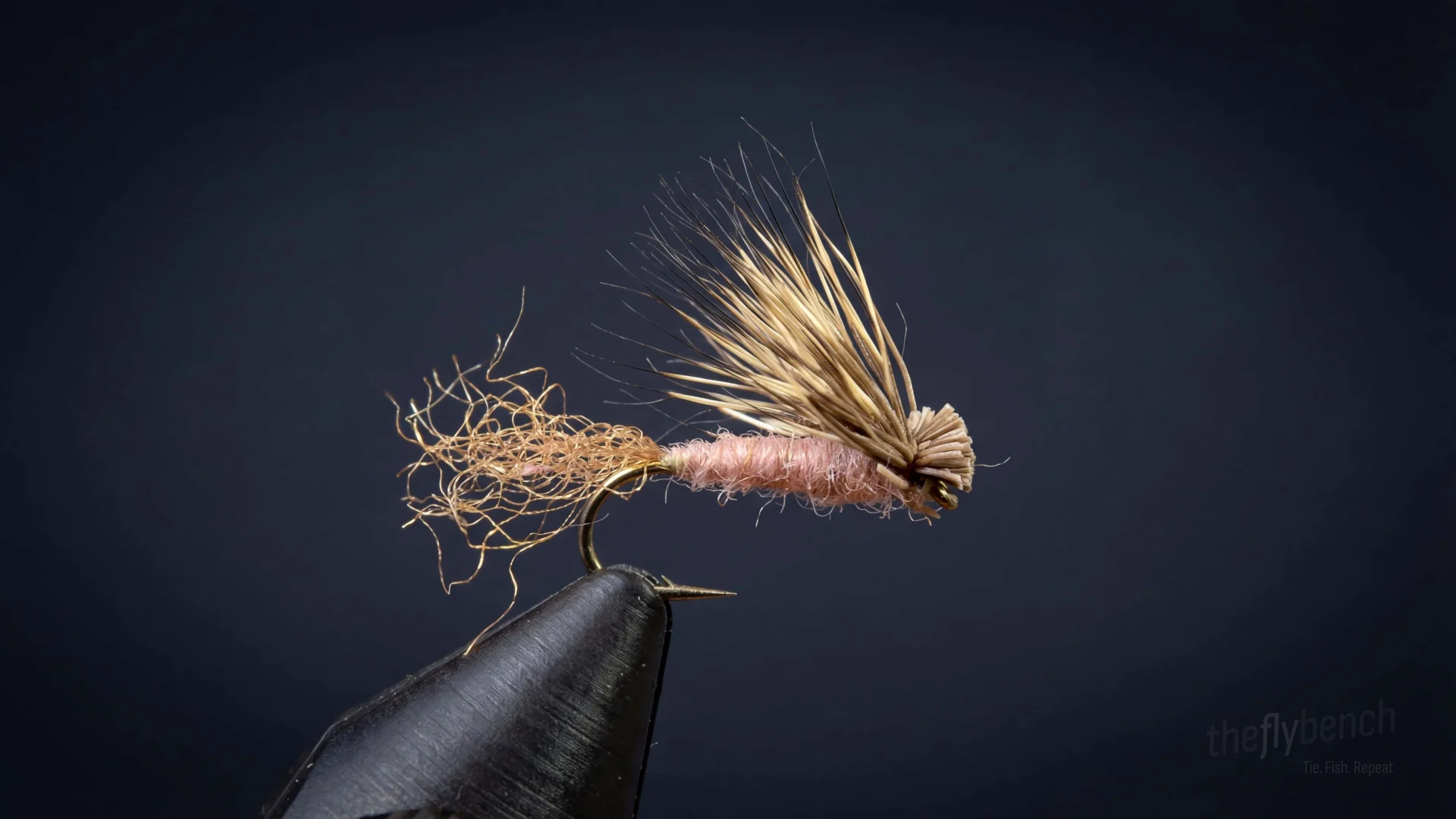
The Bighorn CDC X Caddis is an effective caddis imitation that floats well and is highly visible on the water. It's dubbed body imitates the natural silhouette of the caddis pupa, while the CDC wing gives it a lifelike movement.
Spring, Summer, Fall
Intermediate
Trout
Apr 2025
Overview
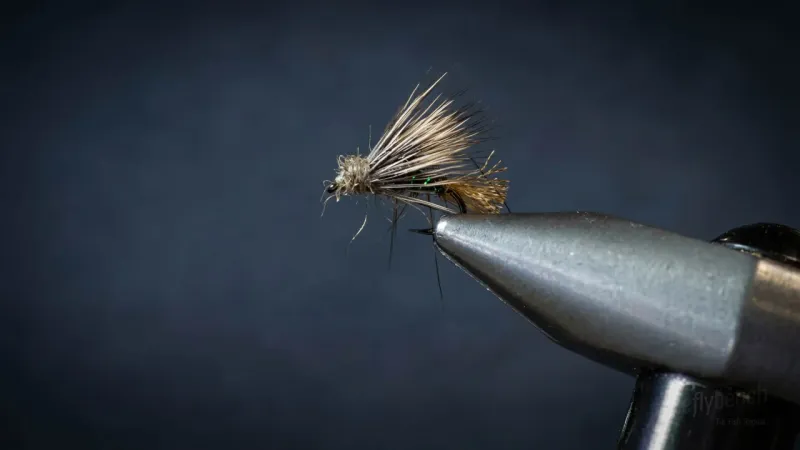
This variation of the classic X Caddis uses CDC for the wing, offering improved buoyancy and a natural shimmer. Tied with a trailing shuck, dubbed body, and no hackle, it sits low in the film, imitating an emerging caddis perfectly—especially effective on pressured fish in clear water.
Where to Buy This Fly
We only link to fly shops we trust. Some links are referral links, which may earn us a commission at no extra cost to you.
Materials
- Hook:
- Tiemco 100, size #12–#16
- Thread:
- 6/0 or 140 Denier, black
- Trailing Shuck:
- Amber Zelon
- Body:
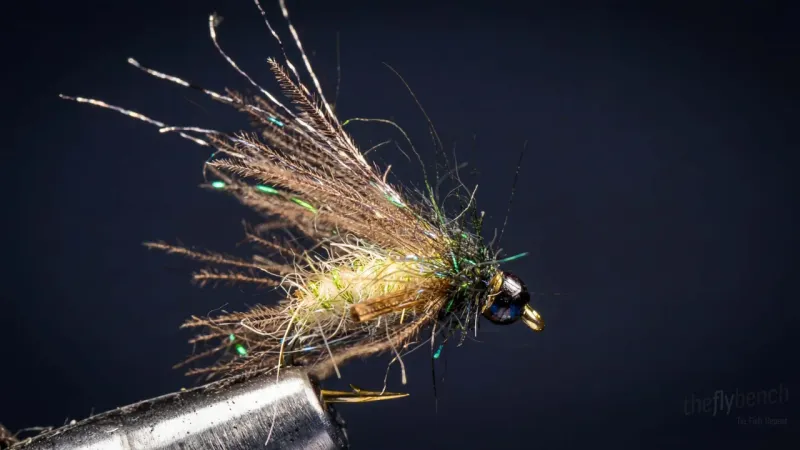
- Superfine dubbing, gray-olive
- Wing/head:
- Medium dun CDC feathers
Behavior & Presentation
Natural Behavior: Pupae hang suspended at the surface film while gas pressure builds to split their shucks, struggling briefly as adults break free while trailing pupal skins below.
Where Trout Eat It: Fish position just below the surface to intercept these film-hanging pupae during their conspicuous, brief emergence phase.
How to Fish It: Dead drift in or just below the surface film, imitating the suspended, struggling behavior during the predictable hatch peak.
Best Water: Most productive in slicks, foam lines, current seams, and tail-outs where emerging pupae concentrate at the surface.
Strike Type: Surface bulges or sips as fish intercept suspended pupae, creating distinctive rise forms targeting the film-hanging stage.
Fishing Strategy
Rigging Suggestions: Use it as a single dry fly or in a dry-dropper setup.
Seasonal Timing: It's particularly effective during caddis hatches in the and . Use this fly during a caddis hatch or when trout are feeding on the surface.
Pro Tips: The CDC wing aids in floatation and visibility, and the fly should be treated with a floatant to keep it riding high on the water.
Entomology
As caddis pupae reach the surface film they hang suspended while gas pressure builds to split the pupal shuck, during which the emerging adult struggles to break free while trailing the pupal skin below. This surface-hanging phase is brief but conspicuous, with the pupa visible just below the surface creating a distinctive rise form. Trout position just below the surface to intercept these emerging pupae because the predictable behavior and surface concentration during hatch peaks makes for efficient, high-reward feeding.
- Order
- Trichoptera
- Common Name
- Caddisfly
- Organism Type
- insect
- Life Stage
- pupa