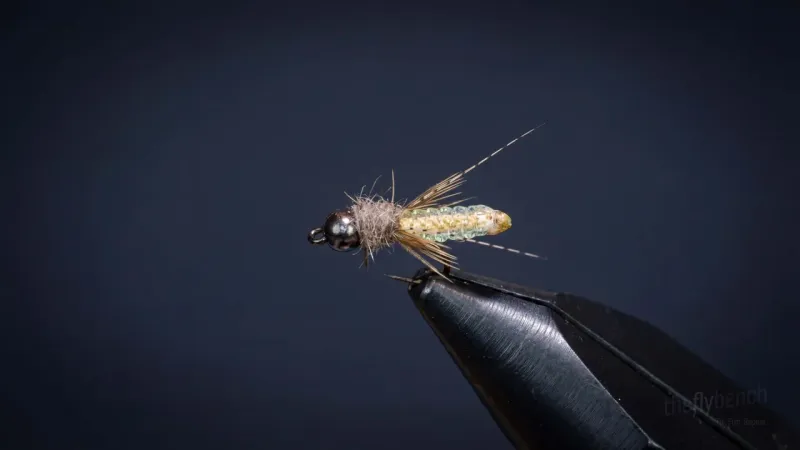
NymphJC Electric Caddis Pupa
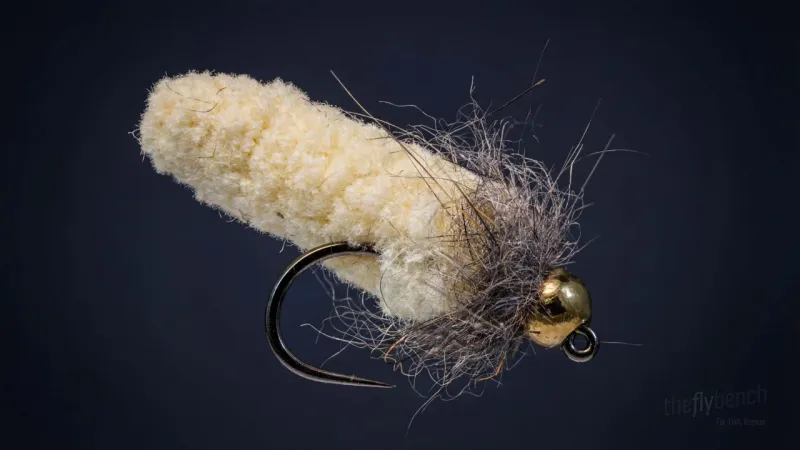
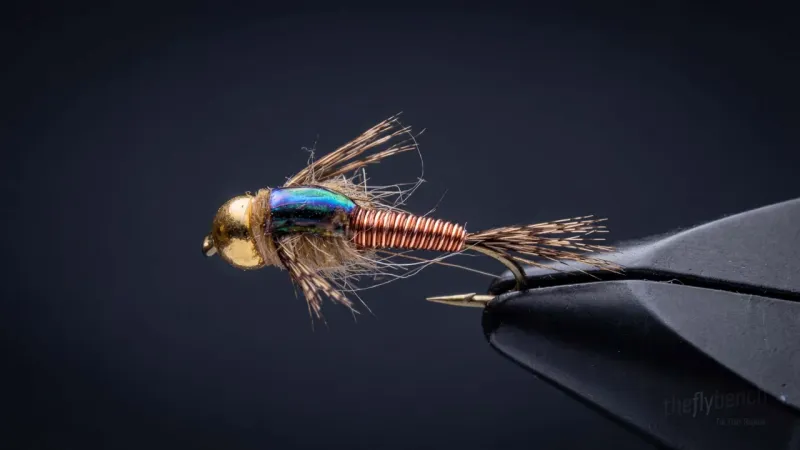
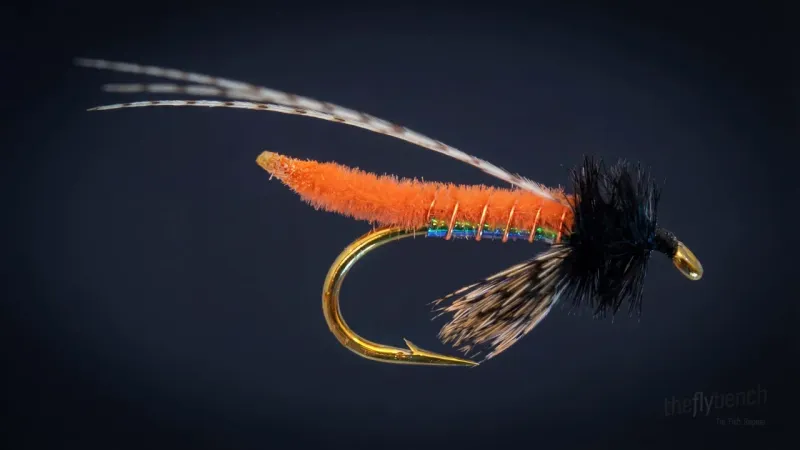
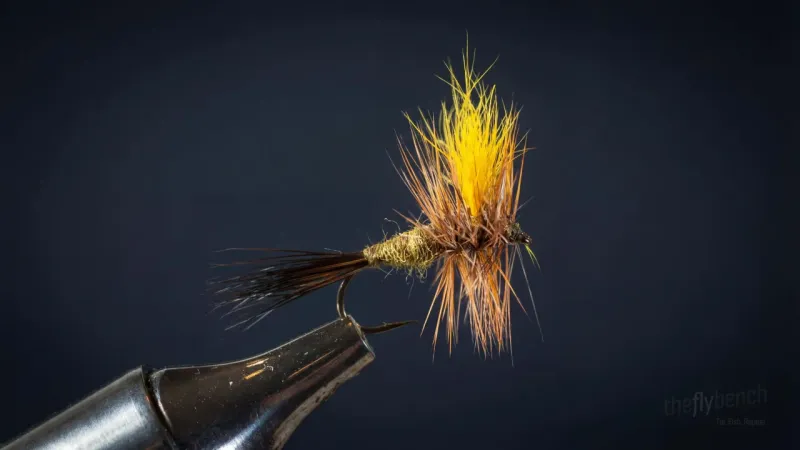
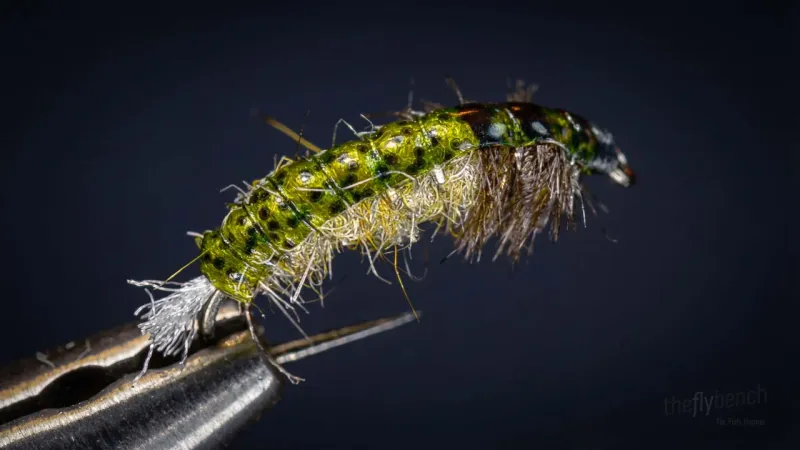
The JC Electric Caddis Pupa is a vibrant and effective imitation of a caddis pupa, featuring an electric green body that stands out in the water and attracts fish. The use of a bead head provides an irresistible jigging motion that perfectly imitates the natural movement of a caddis pupa during its emergence.
Spring, Summer
Intermediate
Trout
Apr 2025
Overview
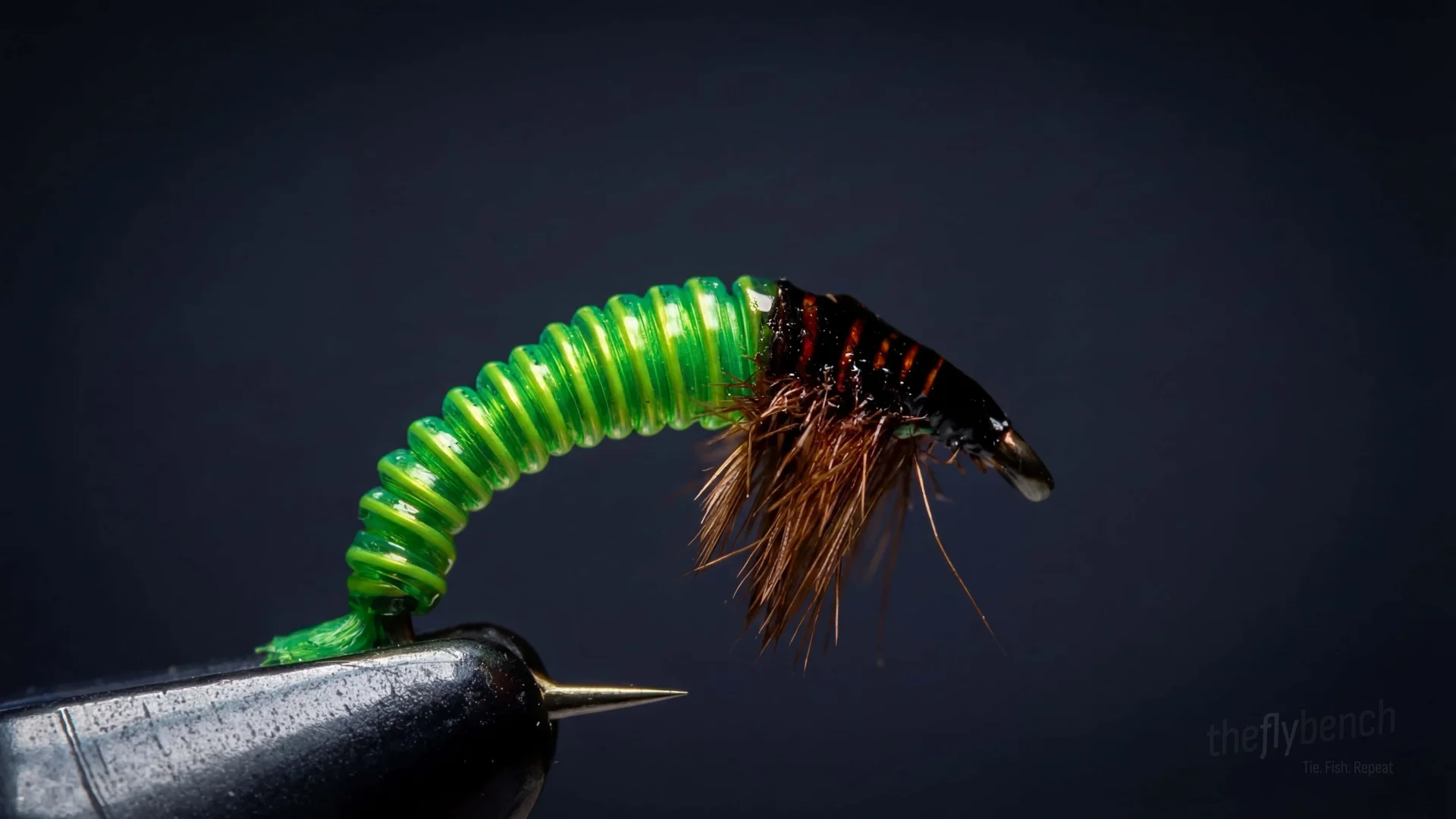
This pattern combines a bright, often chartreuse or orange body with a slim profile and ribbing, using synthetic dubbing and UV resin to mimic the sheen of a real caddis pupa. Flashy but effective in off-color water.
Where to Buy This Fly
We only link to fly shops we trust. Some links are referral links, which may earn us a commission at no extra cost to you.
Materials
- Hook:
- Daiichi 1120, sizes #14-#16.
- Thread:
- 8/0 or 70 Denier, fluorescent green.
- Tail:
- Antron yarn, fluorescent green.
- Body:
- Chartreuse Ultra Wire, size small, and Chartreuse Stretch Tubing, size micro.
- Thorax/Legs:
- Ostrich herl, brown.
- Thorax color:
- Brown permanent marker.
Behavior & Presentation
Natural Behavior: Caddis pupae ascend through the water column in a gas bubble sheath that creates a brilliant, reflective appearance as they swim toward the surface for emergence.
Where Trout Eat It: Trout intercept this bright pupa throughout water column as it ascends from bottom to surface. Fish key on gas bubble sheath creating reflective appearance in riffle edges and pool heads.
How to Fish It: Dead drift near bottom or swing through current seams. Use gentle jigging motions to imitate rising pupae. Cast upstream and lift pupa vertically to surface when directly in front.
Best Water: Target riffle edges with moderate current and run tailouts in 2-6 feet of depth.
Strike Type: When indicator fishing, watch for sharp downward jerks or sudden sideways movements as trout intercept the ascending pupa. With Euro nymphing, feel for a distinct loading sensation or weight change in your hand as fish grab the bright body.
Fishing Strategy
Rigging Suggestions: Use 5X or 6X tippet. Fish as a dropper 12-18 inches below a dry fly or as the point fly in a two-nymph rig. Bead head provides sufficient weight for most situations.
Seasonal Timing: April through July during peak caddis emergence. Most productive in May and June when multiple caddis species are active. Can be effective year-round in tailwaters with consistent insect activity.
Pro Tips: The electric color and tungsten bead create high underwater visibility. Vary retrieve speed to find active depth zone. This attractor pattern can draw strikes when naturals aren't hatching.
Entomology
Caddis pupae ascend through the water column in a gas bubble sheath that creates a brilliant, reflective appearance as they swim toward the surface for emergence. The subsurface rise through mid-depths makes pupae extraordinarily vulnerable to feeding trout, who position themselves to intercept the ascending insects as they emerge from bottom structure, often taking them with aggressive boils just beneath the surface film.
- Order
- Trichoptera
- Common Name
- Caddisfly
- Organism Type
- insect
- Life Stage
- pupa