Midge / EmergersDHE (Deer Hair Emerger)
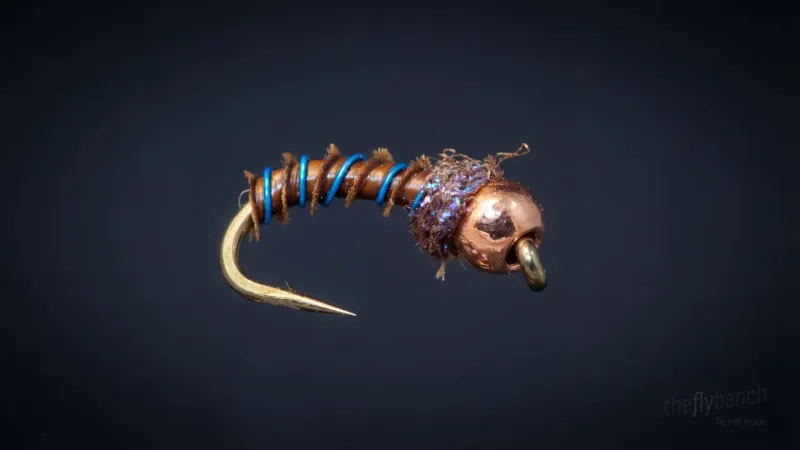
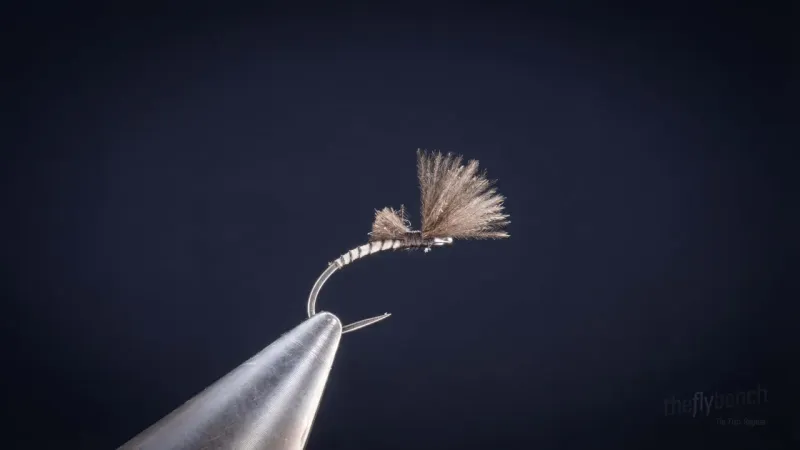
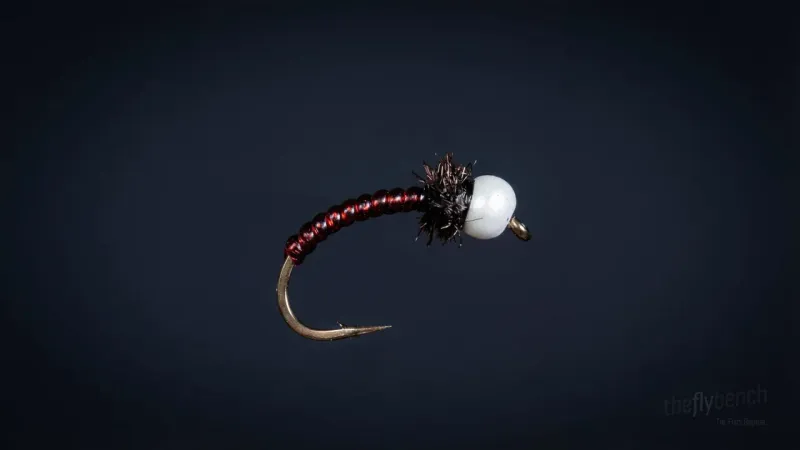
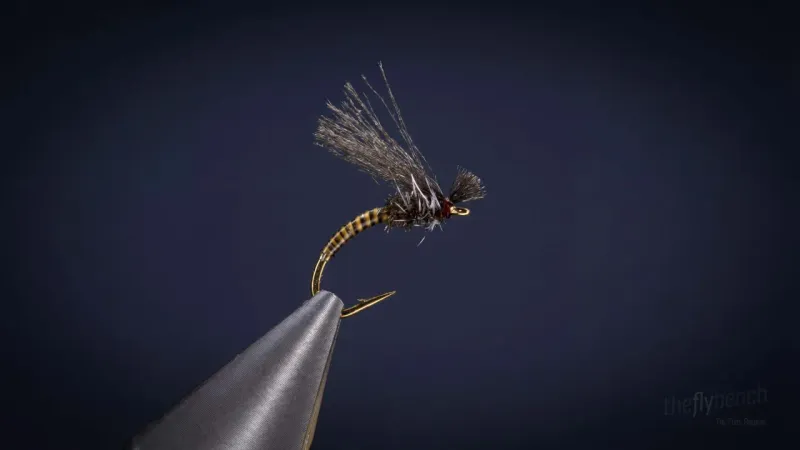
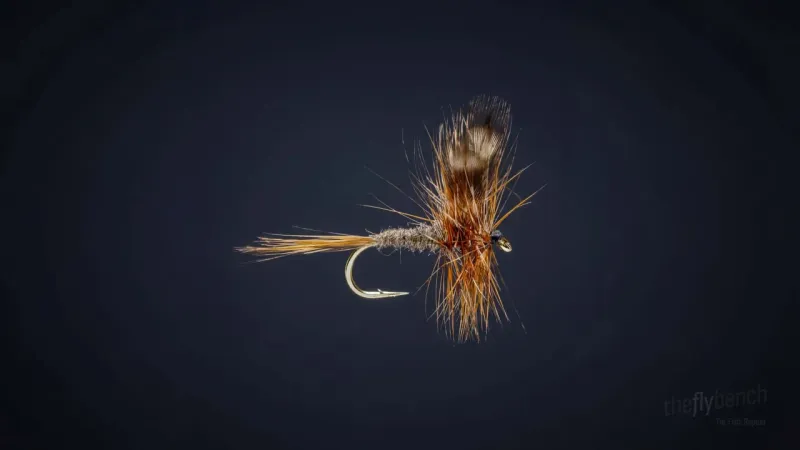
The DHE (Deer Hair Emerger) is a midge emerger pattern designed by Larry Medina. This effective pattern combines traditional materials with proven techniques for consistent results in a variety of water conditions.
Spring, Summer, Fall
Intermediate
Trout
Feb 2026
Overview
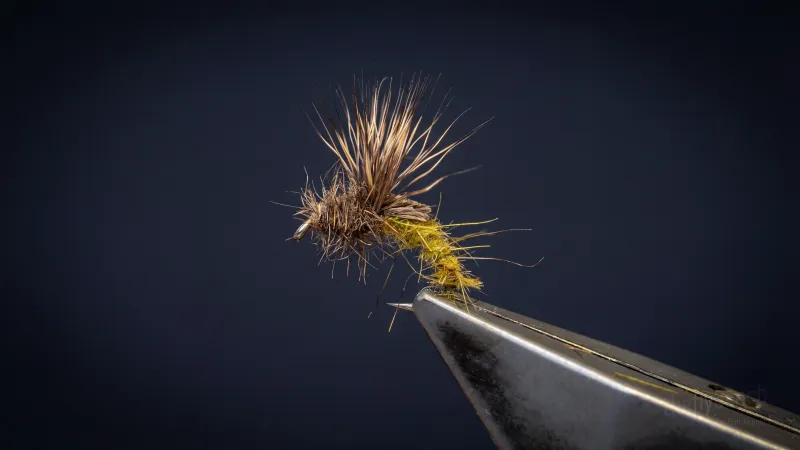
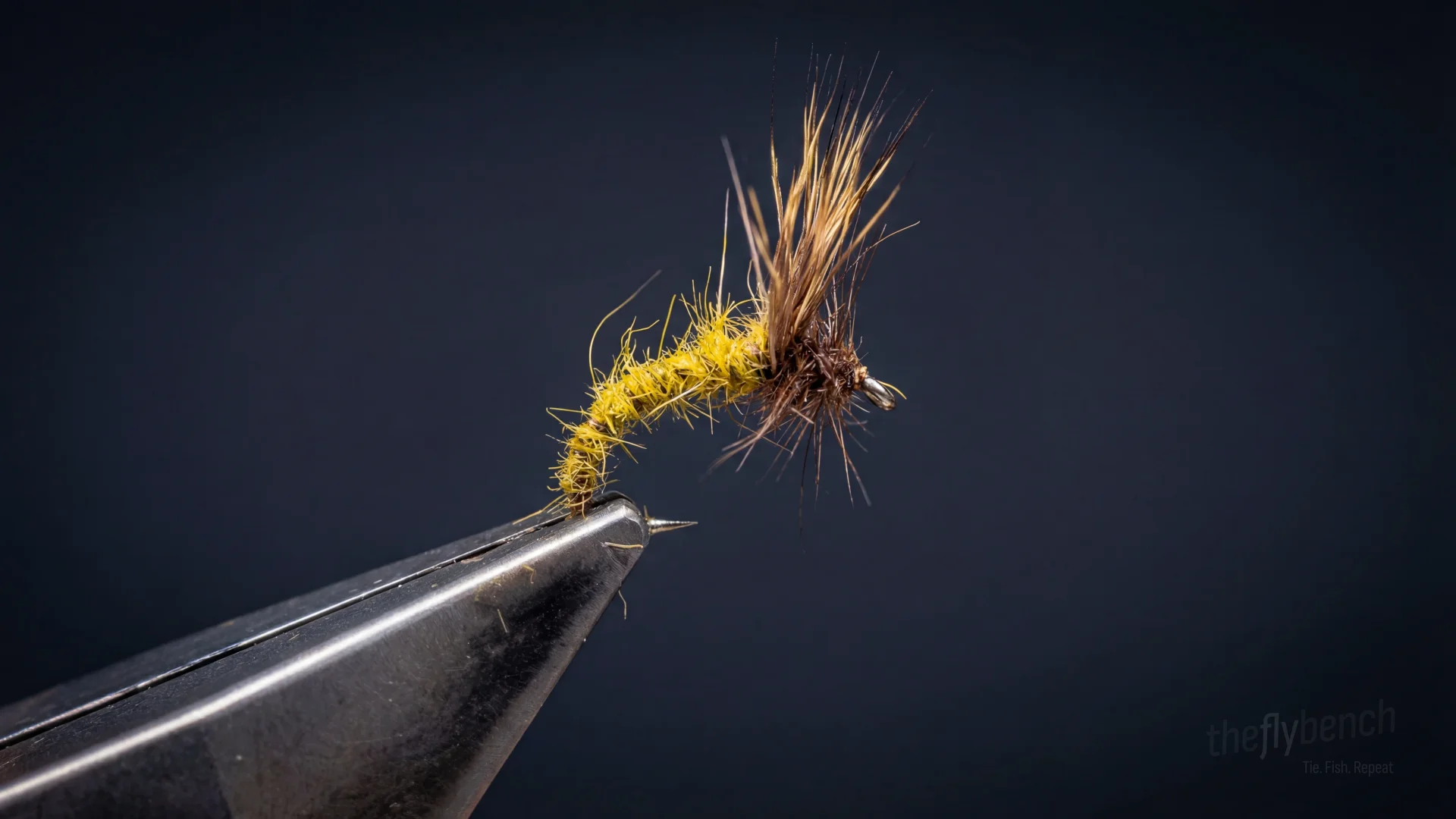
Larry Medina's original Deer Hair Emerger design revolutionized emerger fishing by using natural deer hair to create both the trailing shuck and buoyancy point. The pattern sits in the surface film exactly like struggling naturals, with the body partially submerged. This realistic presentation triggers selective fish during difficult hatches. The simple construction makes it accessible to tiers while the natural materials provide lifelike movement and appearance.
Where to Buy This Fly
We only link to fly shops we trust. Some links are referral links, which may earn us a commission at no extra cost to you.
Materials
- Hook:
- TMC 2487 #14
- Thread:
- Brown
- Wing:
- Deer hair
- Rib:
- Fine Gold
- Body:
- Hares ear mixed (Brown, Olive and Natural)
Behavior & Presentation
Natural Behavior: Insects break through surface tension while extracting from nymphal shucks, hanging half-emerged with wings folded. This film-bound stage triggers selective feeding on vulnerable prey.
Where Trout Eat It: Fish cruise the film in calm water, intercepting trapped emergers in feeding lanes.
How to Fish It: Present in the surface film with dead drifts, maintaining drag-free float through prime zones.
Best Water: Slicks, tail-outs, flat water, and foam lines in spring creeks and tailwaters.
Strike Type: Subtle sips with minimal surface disturbance as fish confidently take film-trapped prey.
Fishing Strategy
Rigging Suggestions: 10-12ft 5X-6X leader. In technical water, 6X provides delicate presentation. Consider small yarn indicator 3-4ft above fly for subtle takes.
Seasonal Timing: Prime during mayfly and caddis emergences May-September. Most valuable when trout feed selectively on transitioning insects. Best during morning and evening emergence periods because timing concentrates vulnerable prey.
Pro Tips: Apply floatant only to deer hair wing post, allowing body to sink slightly. This creates perfect emerger silhouette triggering strikes from selective trout during difficult hatches.
Entomology
As nymphs ascend to emerge, they penetrate the surface film but often hang suspended there, half-in and half-out of the water while the adult form takes shape inside the splitting exoskeleton. Fish recognize this reliable feeding opportunity, cruising to intercept insects trapped in the vulnerable transition where they drift slowly with the current.
- Organism Type
- insect
- Life Stage
- general