Midge / EmergersDHE 2.0 (Deer Hair Emerger 2.0)
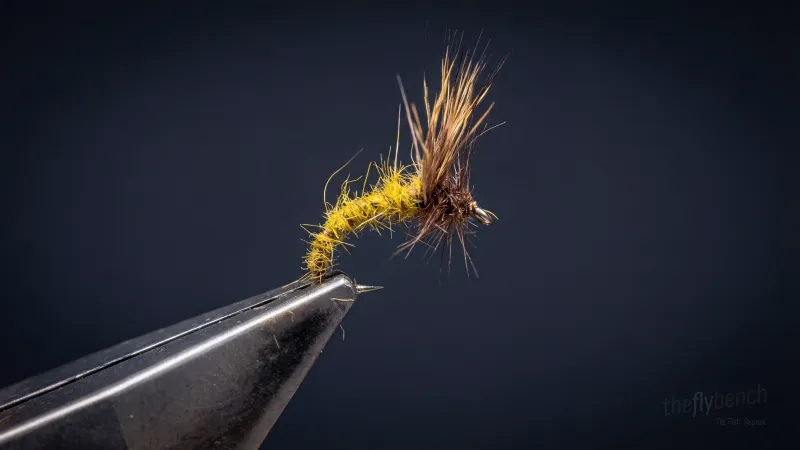
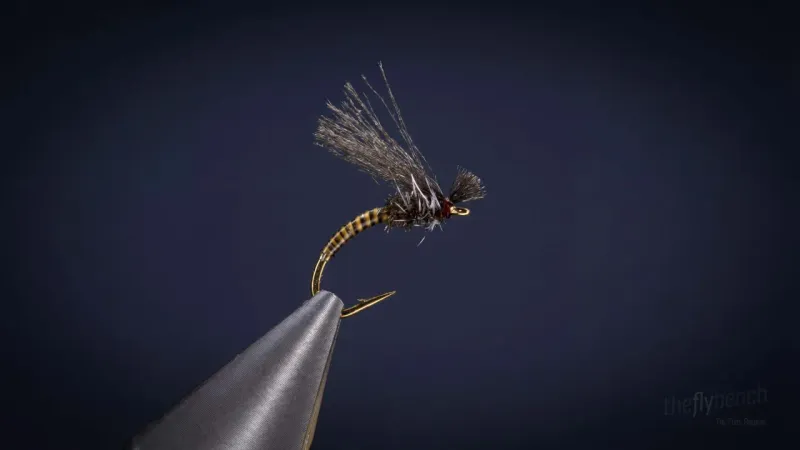
The DHE 2.0 (Deer Hair Emerger 2.0) is a midge emerger pattern designed by Michel Lemieux. This effective pattern combines traditional materials with proven techniques for consistent results in a variety of water conditions.
Spring, Summer, Fall
Intermediate
Trout
Feb 2026
Overview
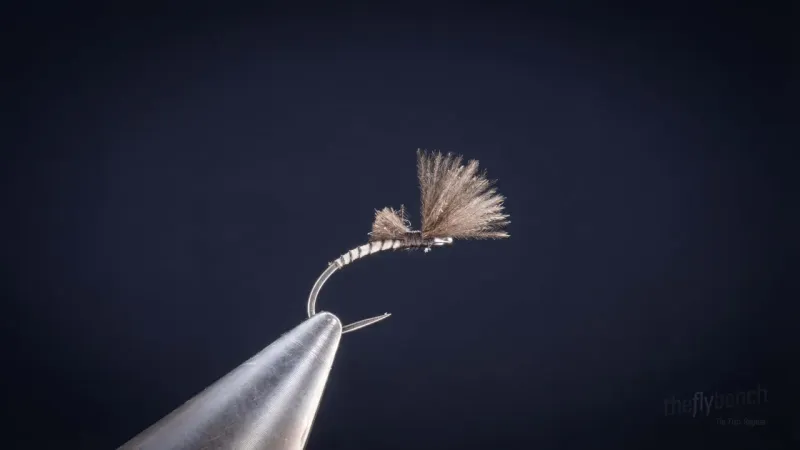
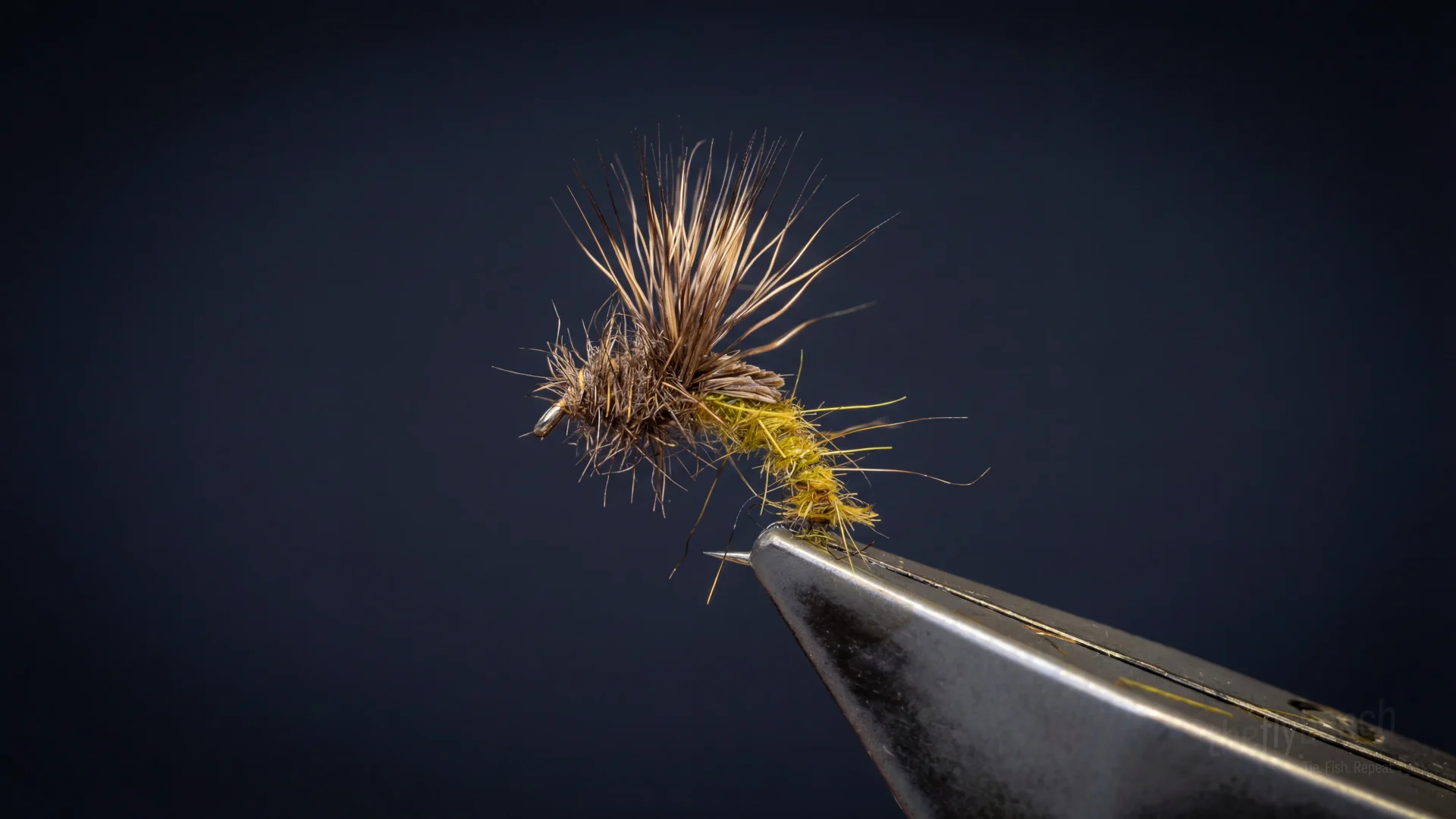
Michel Lemieux's updated version of the Deer Hair Emerger features refined proportions and improved material selection based on years of field testing. The deer hair shuck provides critical buoyancy while the low-riding body position mimics insects trapped in the surface film. The 2.0 version incorporates a more durable thread base and streamlined profile that improves hooking percentages while maintaining the pattern's effectiveness during complex hatches.
Where to Buy This Fly
We only link to fly shops we trust. Some links are referral links, which may earn us a commission at no extra cost to you.
Materials
- Hook:
- Curved Emerger Hook like Knapek "P" Type, or similar # 14-16
- Thread:
- UNI 6/0 red
- Trailing shuck:
- Small pinch of marmot underfur with just a few longer guard hairs
- Rib:
- Fine gold wire
- Abdomen:
- Tying thread
- Wing:
- A pinch of deer hair with the tips pointing over the eye
- Thorax:
- A little bit of Seal Dubbing tied against the wing base to keep it straight upright
Behavior & Presentation
Natural Behavior: Emergers hang in the film with trailing shucks, struggling to complete transformation while partially trapped. Wing cases bulge as adults extract, creating vulnerable targets.
Where Trout Eat It: Selective feeders position in the film, sipping emergers from feeding lanes and foam lines.
How to Fish It: Fish in the surface film with drag-free drifts, allowing the fly to hang naturally.
Best Water: Slicks, tail-outs, foam lines, and flat water where film-trapped emergers concentrate during hatches.
Strike Type: Delicate sips barely dimpling the surface as selective fish take suspended emergers.
Fishing Strategy
Rigging Suggestions: Use a 12-15 foot leader with 6X-7X tippet. Fish alone or as a dropper beneath a small dry fly.
Seasonal Timing: Most effective during peak feeding periods at dawn and dusk. Water temperatures between 45-65°F typically produce best results.
Pro Tips: Treat only the deer hair portion with floatant, allowing the body to hang naturally in the surface film. This creates the authentic profile of an emerging insect that selective trout find difficult to refuse during technical fishing situations.
Entomology
Aquatic insects in the emerger stage struggle at the interface between water and air, their bodies partially breaking the surface film while they work to shed the nymphal skin and expand their wings. Trout feeding on emergers make slow deliberate rises, targeting insects that cannot dive or escape during this multi-minute transformation.
- Organism Type
- insect
- Life Stage
- general