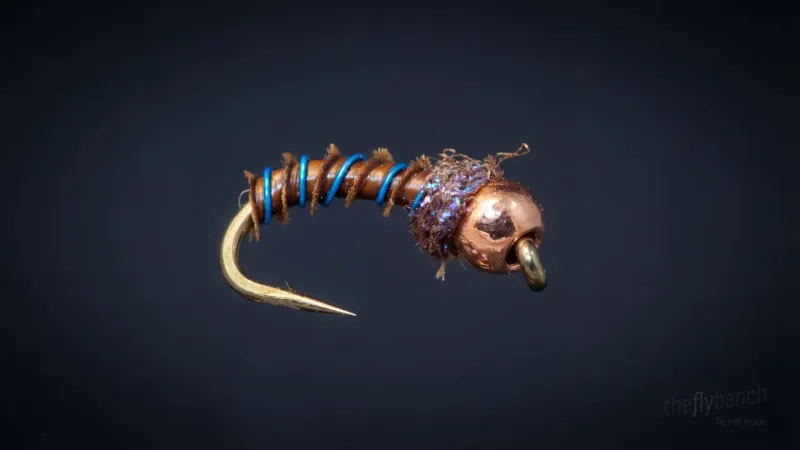
Midge / EmergersdeGala's San Juan Midge
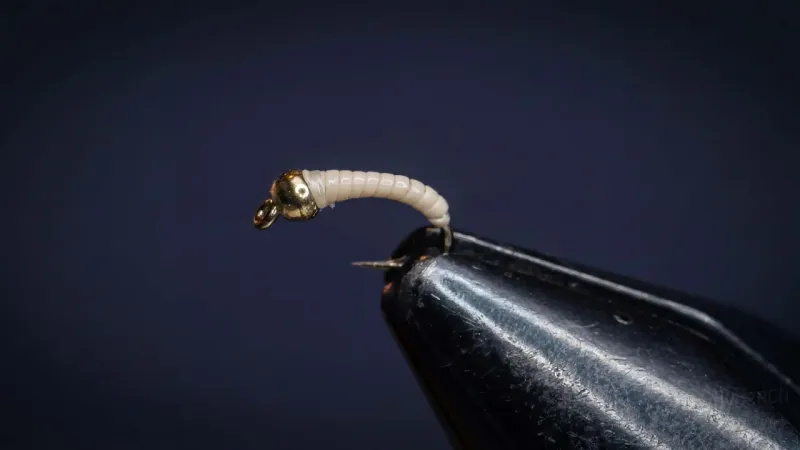
deGala's San Juan Midge is a highly effective pattern for fishing in clear water where trout are particularly selective. This fly's realistic profile and subtle presentation make it an excellent choice when targeting wary fish.
Year Round
Intermediate
Trout
Apr 2025
Overview
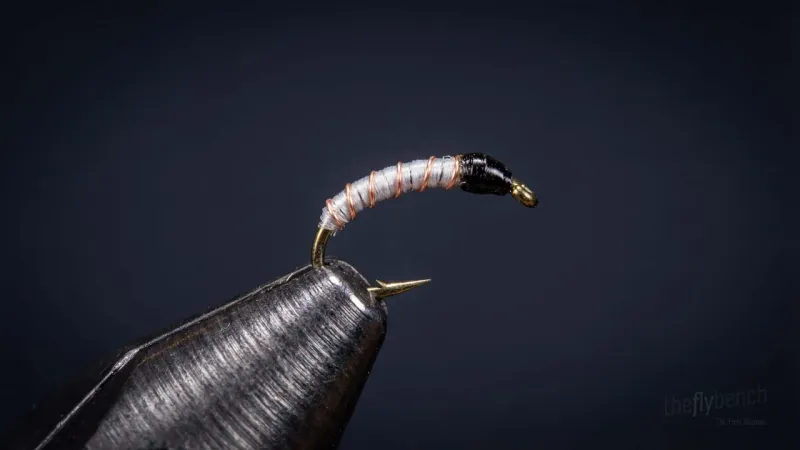
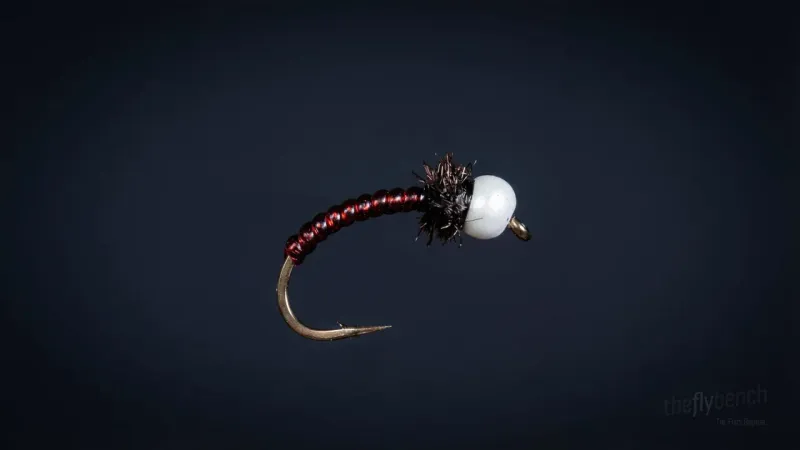
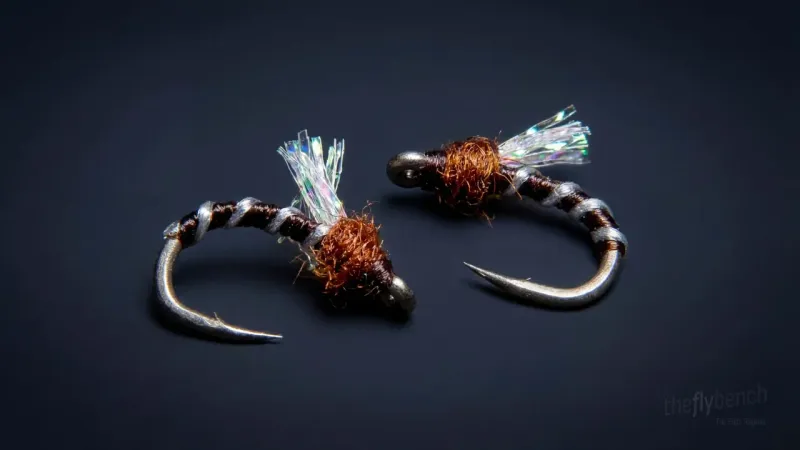
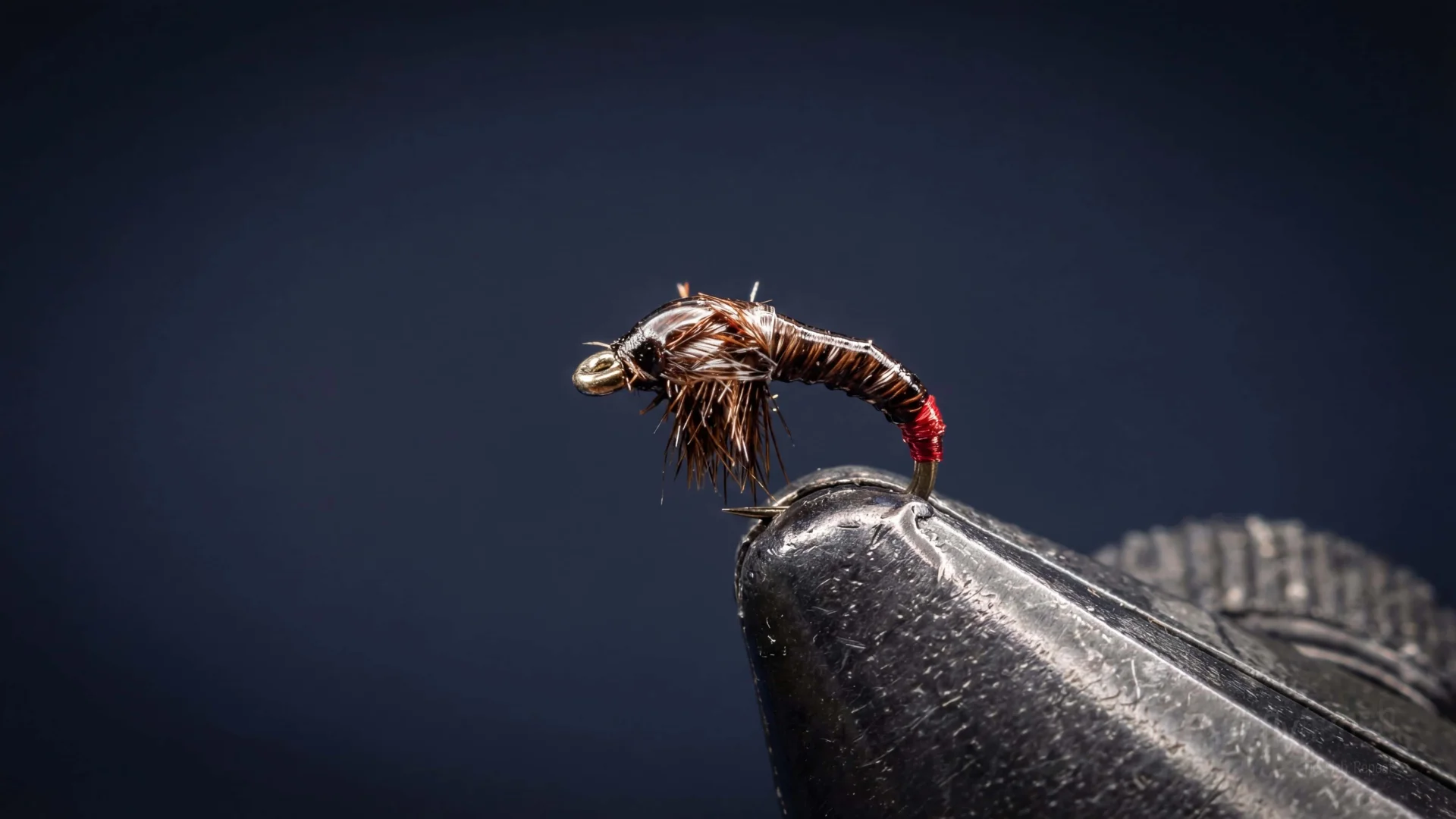
A minimalist midge pupa pattern tied with thread, fine wire ribbing, and a small bead for subtle weight. Often featuring a black or red body with silver or copper ribbing, this fly is all about slim profile and segmentation. It's a quick tie and excels during winter or low-hatch periods when trout are focused on tiny midges just below the surface.
Where to Buy This Fly
We only link to fly shops we trust. Some links are referral links, which may earn us a commission at no extra cost to you.
Materials
- Hook:
- Tiemco 2487, size #16–#20
- Thread:
- UTC 70 Denier, White
- Tag:
- 1/64″ UNI Double Sided Mylar Tinsel, Red
- Body:
- Stripped Peacock Herl
- Casing:
- Medallion Sheeting, Buggy Brown
- Thorax:
- Peacock Herl
Behavior & Presentation
Natural Behavior: Midge larvae drift along lake and river bottoms, their worm-like segmented bodies undulating through silt and organic debris. These aquatic worms stay low in the water column, feeding on detritus until ready to pupate.
Where Trout Eat It: Designed for San Juan River conditions where trout get column-locked at specific depths in smooth runs and spring creek eddies.
How to Fish It: Dead drift near bottom or mid-column, adding micro-lifts at drift's end to suggest pupae rising toward surface.
Best Water: Target smooth glides with consistent depth, back eddies with circular flow, and shallow grass edges where trout cruise for drifting larvae.
Strike Type: The indicator will pause or slowly submerge as the trout vacuums the larva off the bottom. Takes are typically soft and gradual, requiring quick but gentle hook sets to avoid pulling the fly away.
Fishing Strategy
Rigging Suggestions: Use 12-16 foot leaders tapered to 6X-7X tippet for delicate presentations. Excellent as a dropper off a larger dry fly or fished tandem with another midge pattern at different depths to cover the water column.
Seasonal Timing: Year-round productivity makes this a go-to pattern in all conditions, with particular effectiveness during (December-February) and early (March-April) when midges dominate. Fish it whenever water temperatures range from 32-65°F and midges are active.
Pro Tips: The small size and dark color make this pattern difficult to track, but its effectiveness on selective fish justifies the challenge. Use a high-visibility indicator fly or small foam strike indicator to detect subtle takes. This San Juan River classic has proven itself on tailwaters worldwide.
Entomology
Midge larvae inhabit silty lake bottoms and slow river sections, their segmented bodies wriggling through detritus as they feed on organic matter. Seasonal migrations or disturbances dislodge these larvae into open water where they become available to cruising trout. The San Juan Midge's simple segmented body and subtle movement imitate these displaced larvae with minimalist effectiveness.
- Order
- Diptera
- Family
- Chironomidae
- Common Name
- Midge
- Organism Type
- insect
- Life Stage
- general