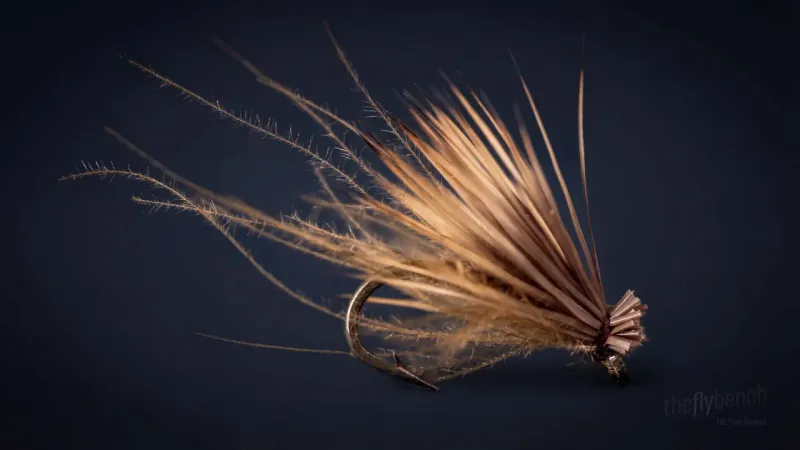
Dry FliesOlive X Caddis
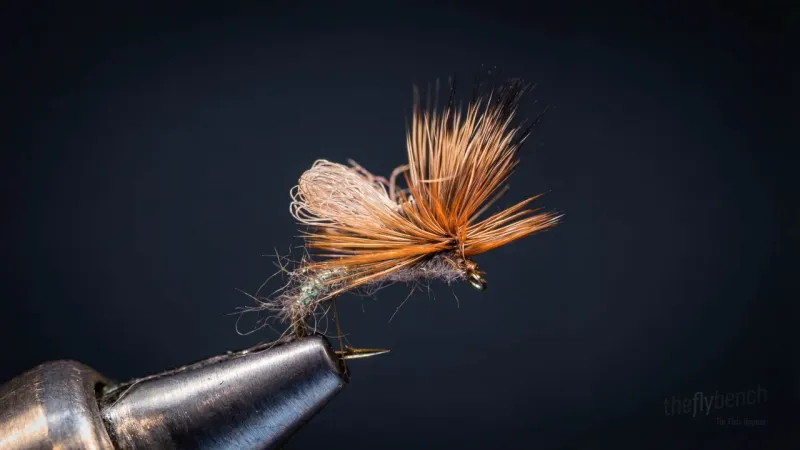
The Olive X Caddis is a versatile and buoyant fly pattern that excels in imitating a variety of caddis species. The 'X' structure of deer hair adds extra floatation, making it a great choice for fast-moving waters.
Spring, Summer, Fall
Intermediate
Trout
Apr 2025
Overview
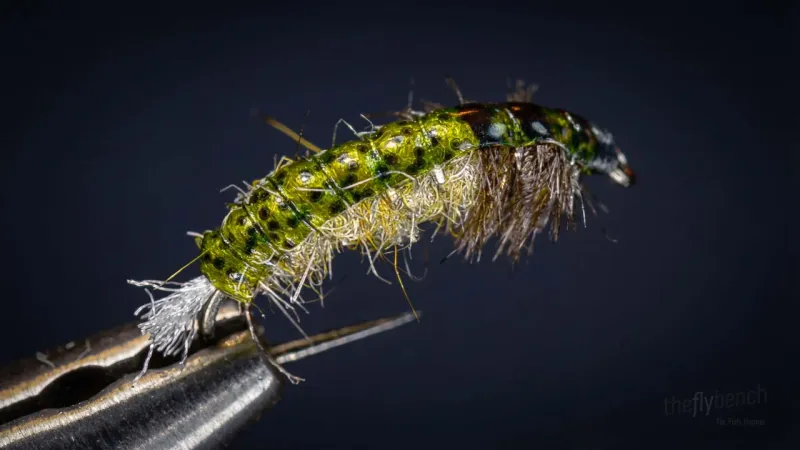
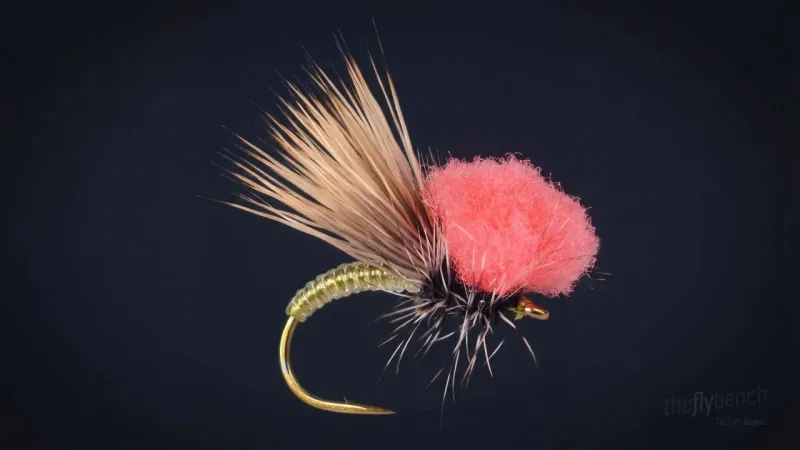
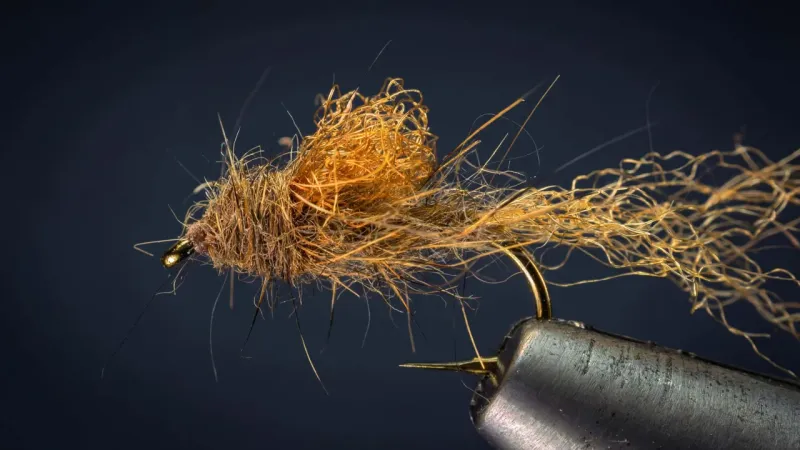
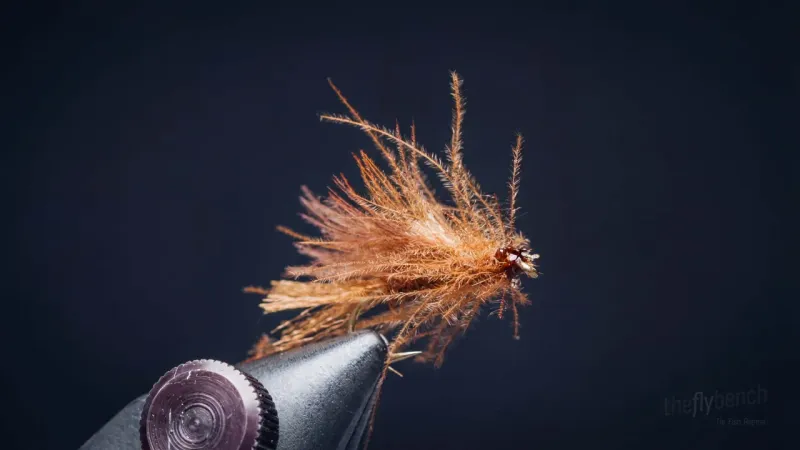
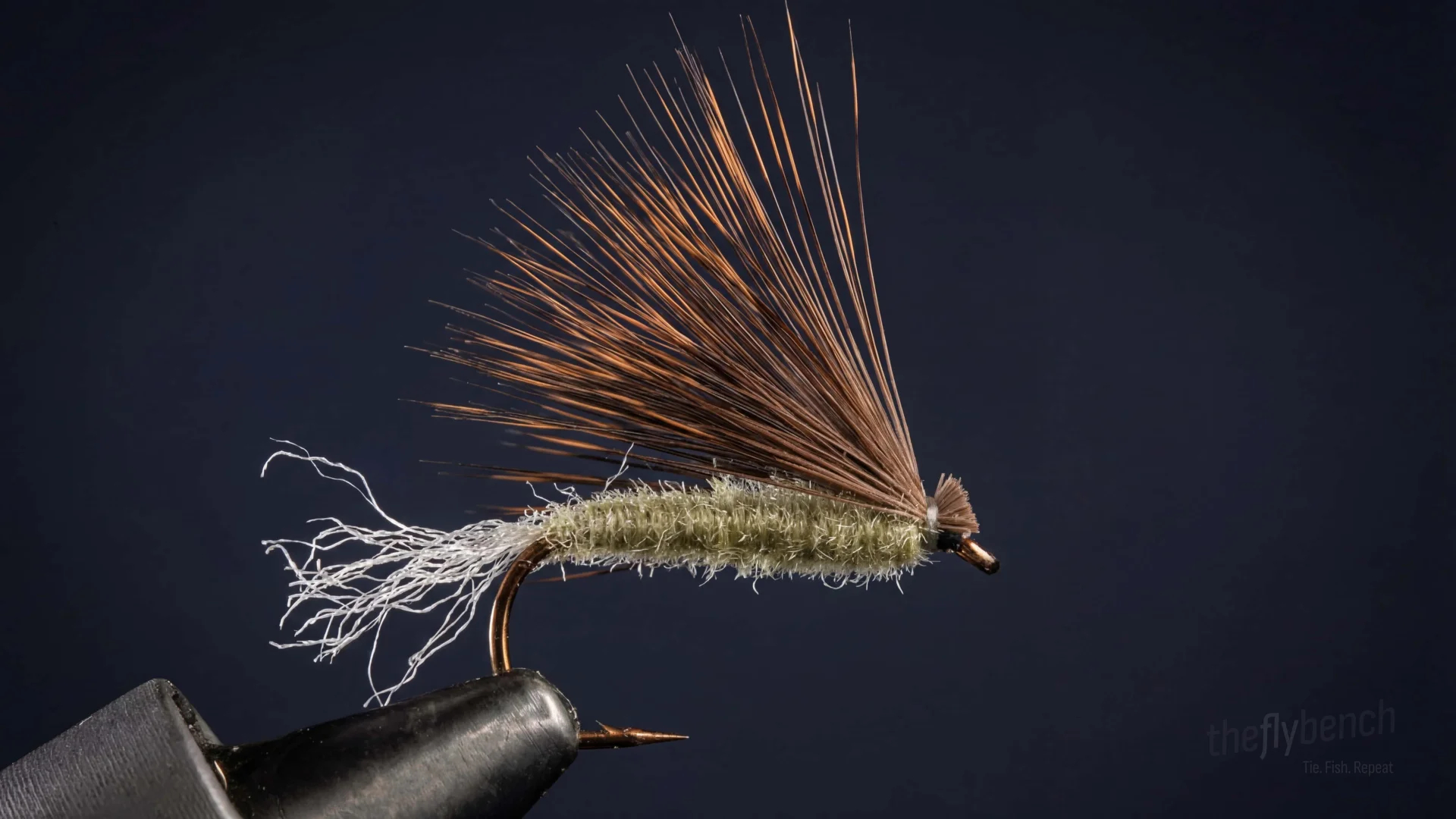
Part of the X Caddis series, this pattern features a distinctive 'X' structure of deer hair wings that adds exceptional floatation for fast-moving waters. The olive dubbed body imitates common caddis species like the Spotted Sedge. The trailing shuck of Z-lon or Antron suggests an emerging adult. The combination of buoyancy and emerger profile makes it effective during caddis hatches on freestone streams and rivers. The simple design is durable and easy to see in broken water.
Where to Buy This Fly
We only link to fly shops we trust. Some links are referral links, which may earn us a commission at no extra cost to you.
Materials
- Hook:
- Standard dry-fly hook (e.g. Dai-Riki 305), sizes 12-16
- Thread:
- 6/0, olive
- Shuck:
- Zelon, olive
- Body:
- Dubbing (rabbit/Antron blend), olive
- Wing:
- Natural deer hair, cleaned and stacked
- Head:
- Deer-hair butts
Behavior & Presentation
Natural Behavior: Caddis emergers struggle in the surface film as they transition from ascending pupae to adults, splitting their pupal cases while working to unfurl wings. This vulnerable emergence creates extended drift periods as insects hang partially emerged, trapped between life stages.
Where Trout Eat It: Trout feed selectively on emergers in the surface film along seams and riffle edges where caddis hatches concentrate struggling insects.
How to Fish It: Fish with dead-drift or slight swing presentations through rising fish, allowing the fly to hang in the film during the critical emergence transition.
Best Water: Target seams and riffle edges in moderate flows where caddis hatches occur, focusing on foam lines where emergers accumulate.
Strike Type: Expect confident rises or subsurface takes as trout target emergers in the film.
Fishing Strategy
Rigging Suggestions: Use a standard dry fly setup with this fly. 4X or 5X tippet is recommended.
Seasonal Timing: This fly is most effective in and during caddis hatches.
Pro Tips: The Elk Hair wing aids in floatation and visibility, making it easy to spot even in choppy water. The brown hackle also adds to the floatation and visibility of this pattern.
Entomology
Adult caddisflies skitter erratically across the water surface as they lay eggs or attempt to take flight, their tent-shaped wings and rapid movements creating distinctive wakes and vibrations. Trout key on this nervous behavior and the caddis's inability to quickly escape, rushing to the surface to intercept them during evening flights when concentrations are highest.
- Order
- Trichoptera
- Common Name
- Caddisfly
- Organism Type
- insect
- Life Stage
- adult