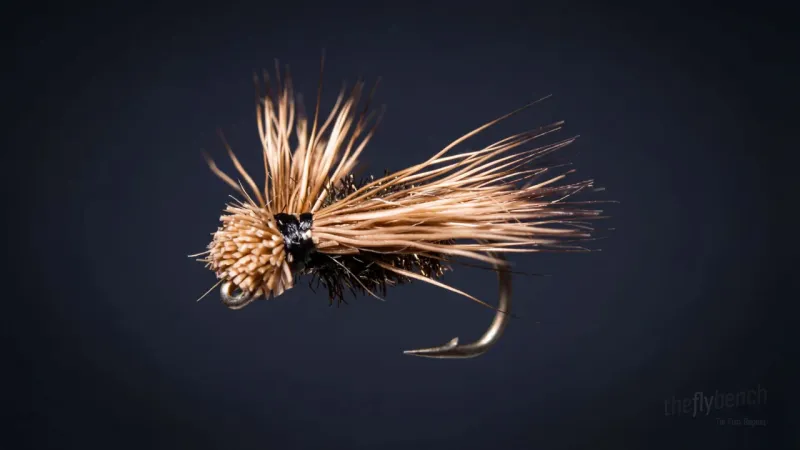
Dry FliesEC Caddis
The EC (Emerger Caddis) Caddis is a popular and productive pattern that imitates a caddisfly in its emerging stage. The fly is lightweight and easy to spot on the water, making it a go-to for many anglers targeting various species.
Spring, Summer, Fall
Intermediate
Trout
Nov 2025
Overview
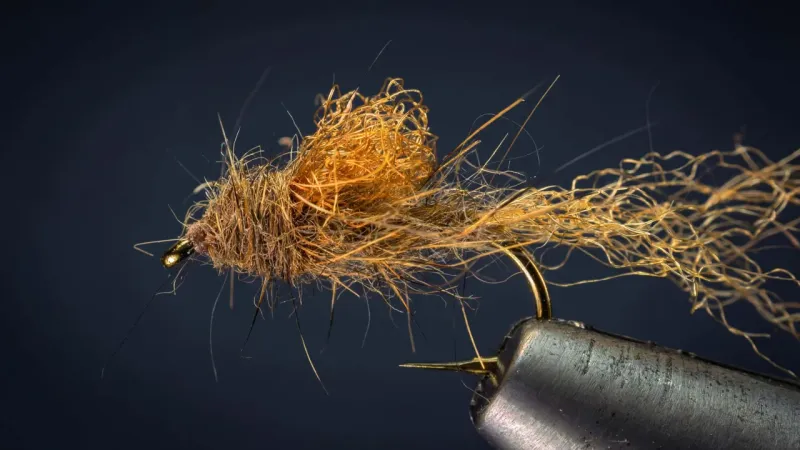
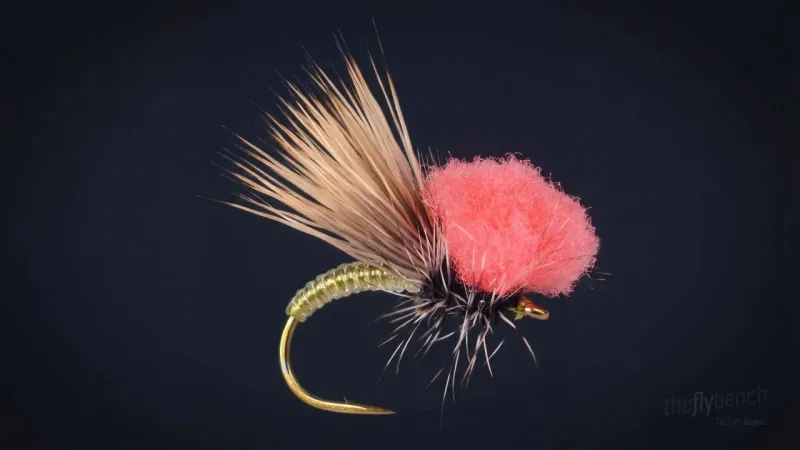
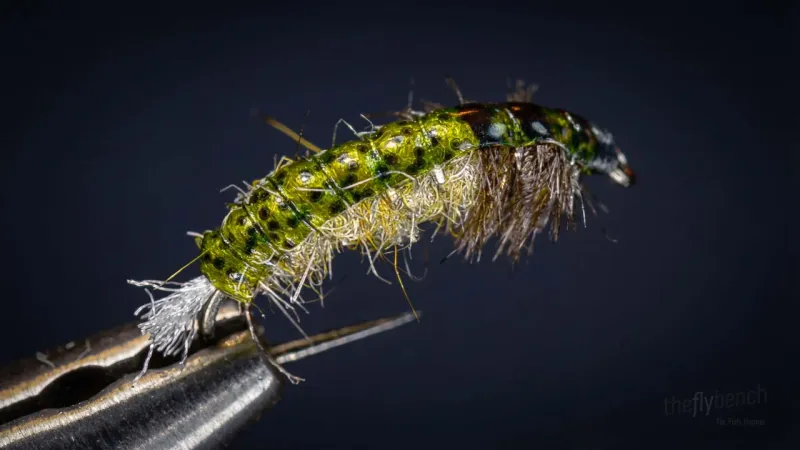
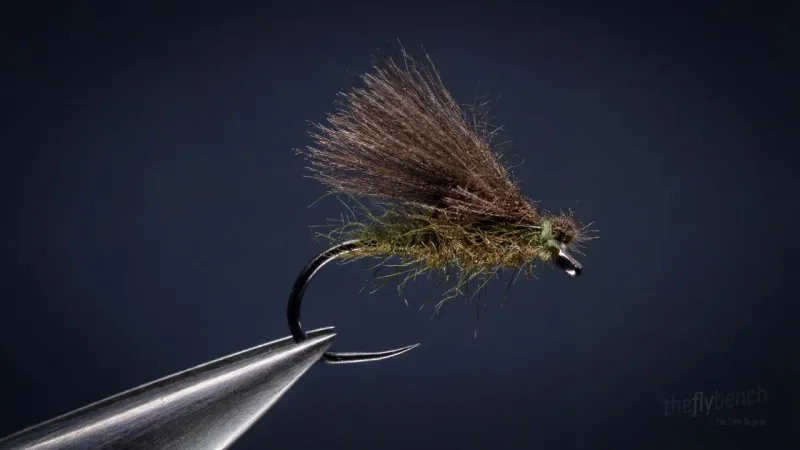
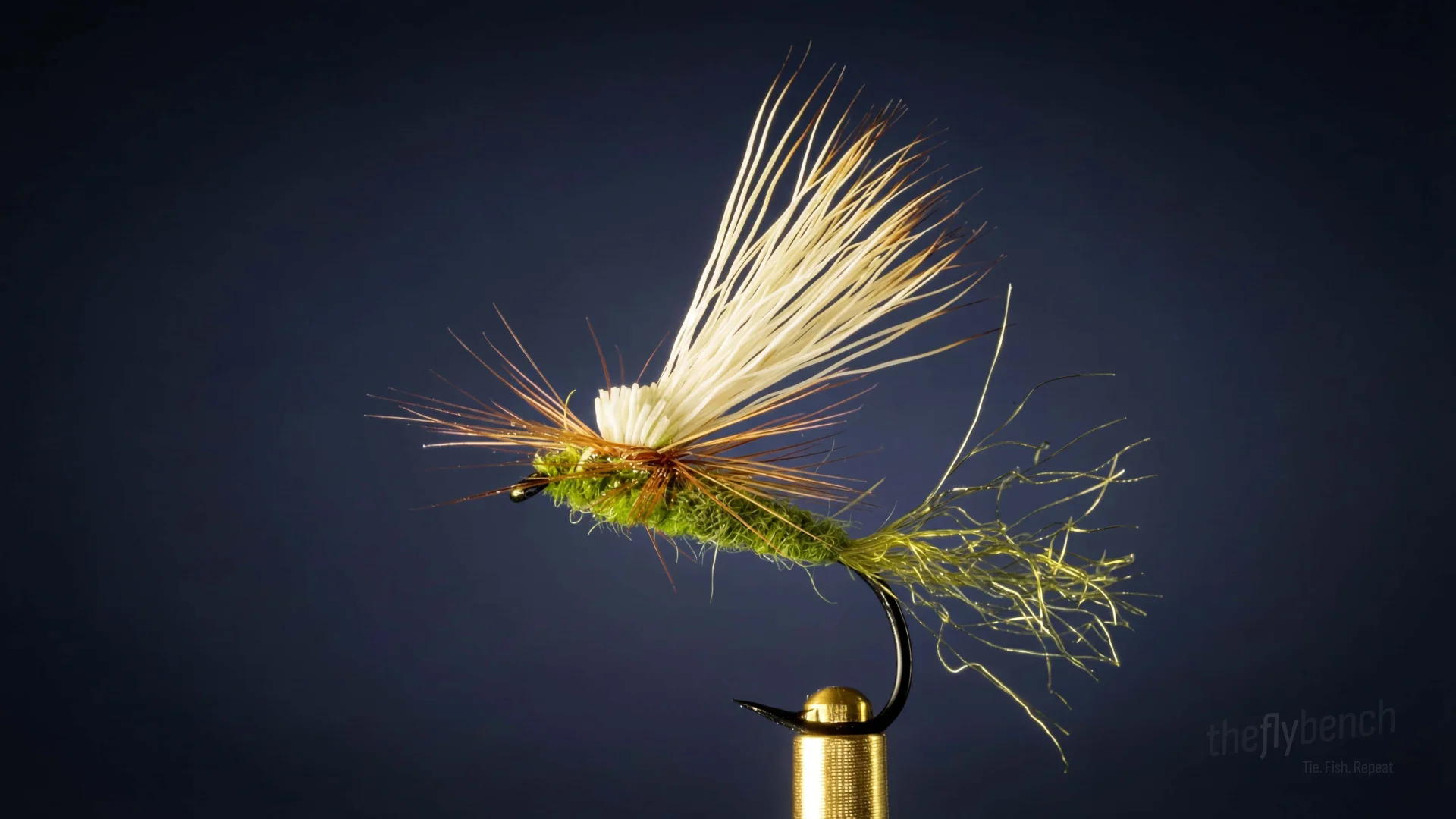
The EC (Emergent Caddis) features a sparse deer hair wing, dubbed thorax, and trailing shuck. It sits low in the water, imitating a caddis emerging from its shuck. The down-wing construction and clean silhouette make it perfect for picky trout in slower water.
Where to Buy This Fly
We only link to fly shops we trust. Some links are referral links, which may earn us a commission at no extra cost to you.
Materials
- Hook:
- Tiemco TMC 102Y
- Tail:
- Hareline Sparkle Emerger Yarn Light Olive
- Abdomen Dub:
- Hareline Dubbin Dark Olive
- Thorax Dub:
- Hareline Dubbin Caddis Green
- Wing:
- Bleached Elk Hair
- Legs:
- Whiting Farms White Dyed Brown Hackle
- Thread:
- Uni 8/0 Olive
Behavior & Presentation
Natural Behavior: Caddisflies in their critical emergence moment flutter weakly at the surface with wings half-unfurled, hopping forward in short bursts as they attempt to gain flight altitude. These low-riding emergers remain in contact with the water for several seconds, creating a vulnerable window when they are neither fully aquatic nor successfully airborne.
Where Trout Eat It: Fish hold in highly oxygenated riffle water where caddis pupae ascend, targeting the low-riding emerger profile when emergence is slowed in cold tailwater conditions.
How to Fish It: Fish drag-free drift through riffle water, though you can add subtle rod-tip twitches or slight retrieves. The two-toned body triggers selective trout refusing standard elk hair patterns.
Best Water: Focus on riffle heads where oxygen levels are highest and pressured tailwater seams with complex currents.
Strike Type: Gentle sips or confident boils mark feeding—watch for head tilts and surface disturbances.
Fishing Strategy
Rigging Suggestions: Use 9-foot leaders with 5X or 6X tippet for natural presentation. Floating line in all situations.
Seasonal Timing: April through October, peaking during June and July when caddis hatches are most prolific. Evening hatches are especially productive in late afternoon.
Pro Tips: The deer hair wing provides excellent visibility and buoyancy. Watch for swirling rises that indicate caddis activity. Apply floatant to maintain high visibility throughout the drift.
Entomology
Caddisflies flutter and hop across the surface during evening ovipositing behavior, touching down repeatedly to deposit eggs while maintaining flight-ready posture. The low-riding adult profile and erratic surface wake during prime evening hours concentrates feeding activity, with trout positioned in riffles and runs where egg-laying females create the most commotion during their upstream flight patterns.
- Order
- Trichoptera
- Common Name
- Caddisfly
- Organism Type
- insect
- Life Stage
- adult