StreamersCommon Craw
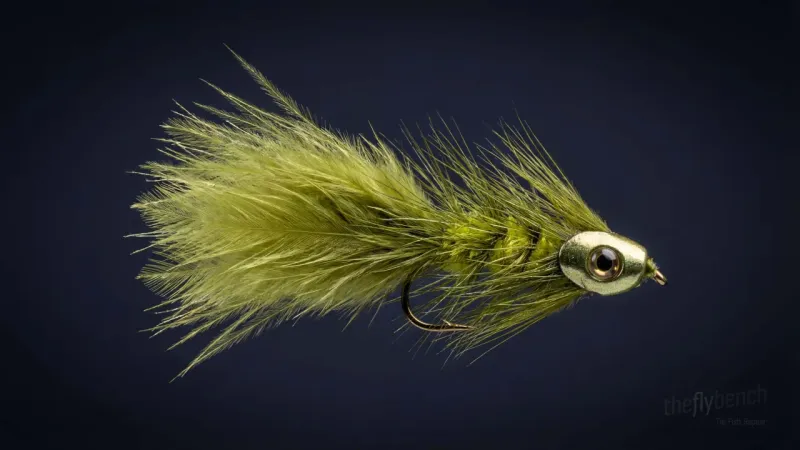
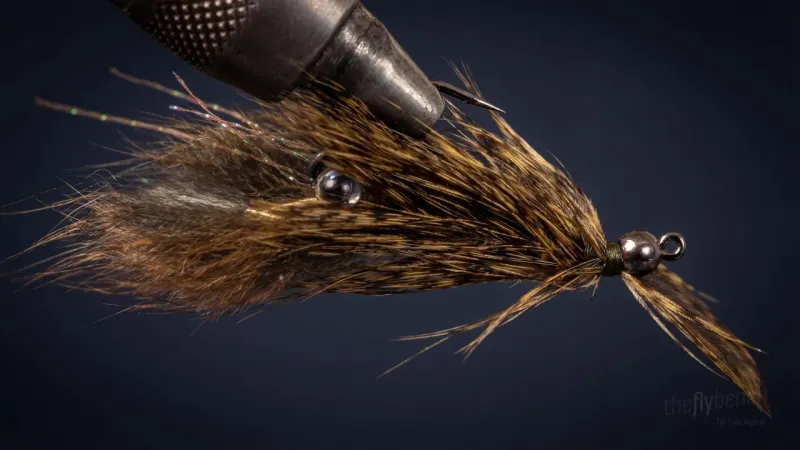
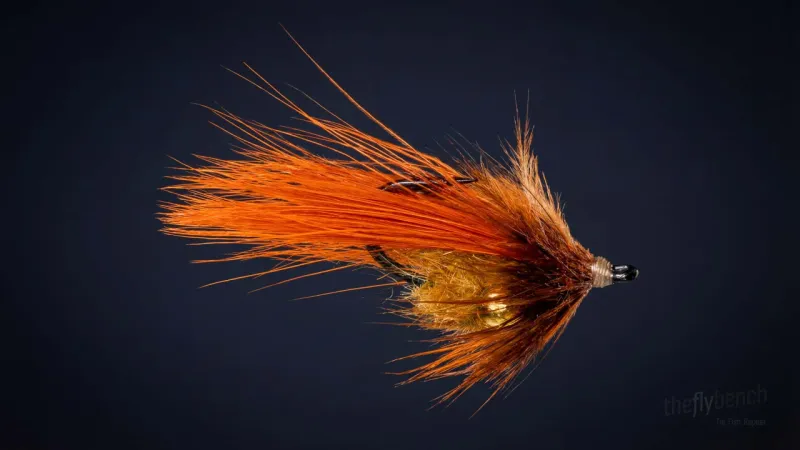
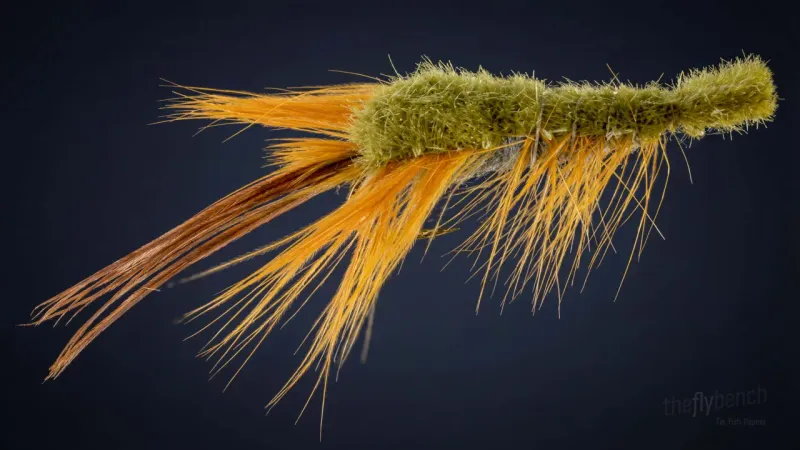
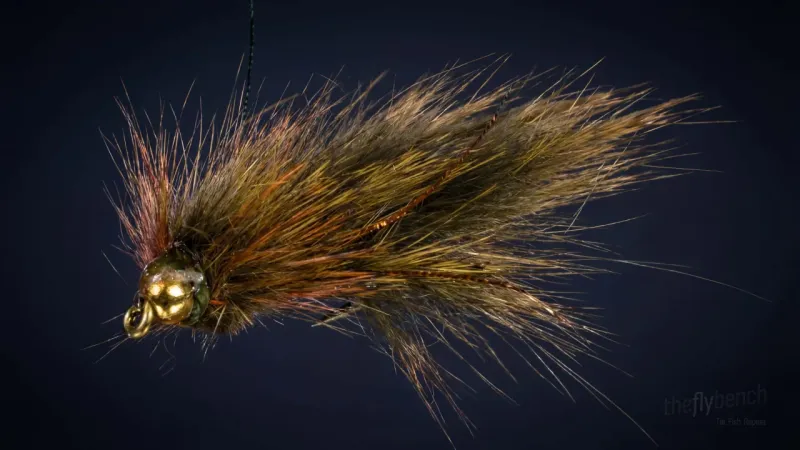
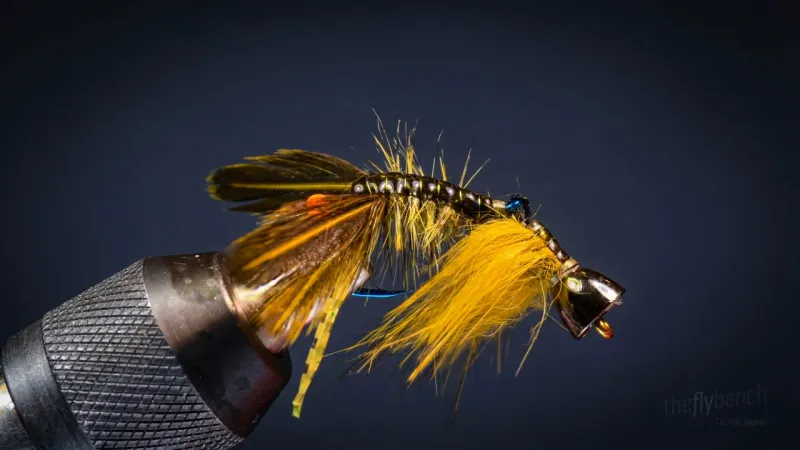
The Common Craw is a realistic crayfish imitation used to target bass and other species that feed heavily on crayfish. It's effective because it mimics the size, shape, and movement of a real crayfish.
Spring, Summer, Fall
Advanced
Bass, Trout
Apr 2025
Overview
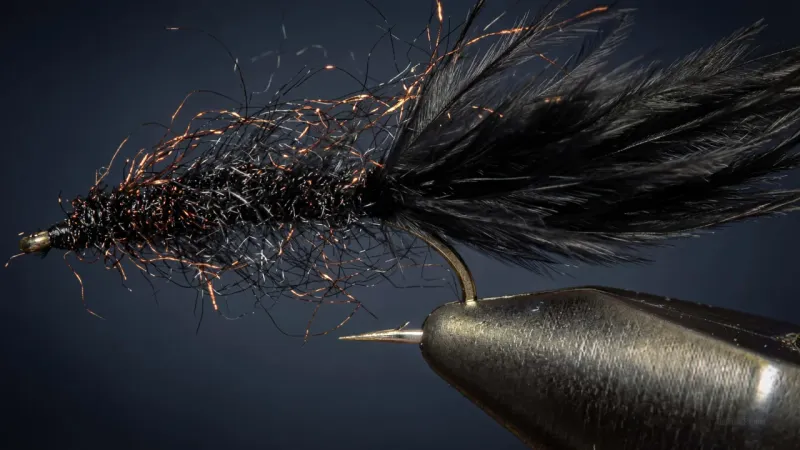
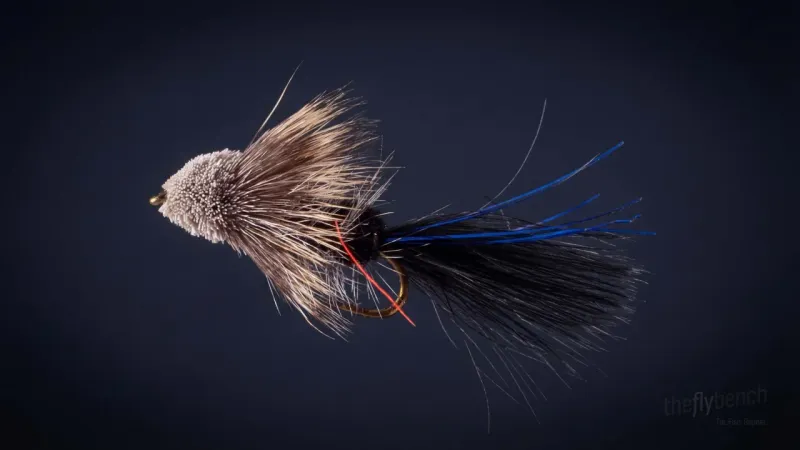
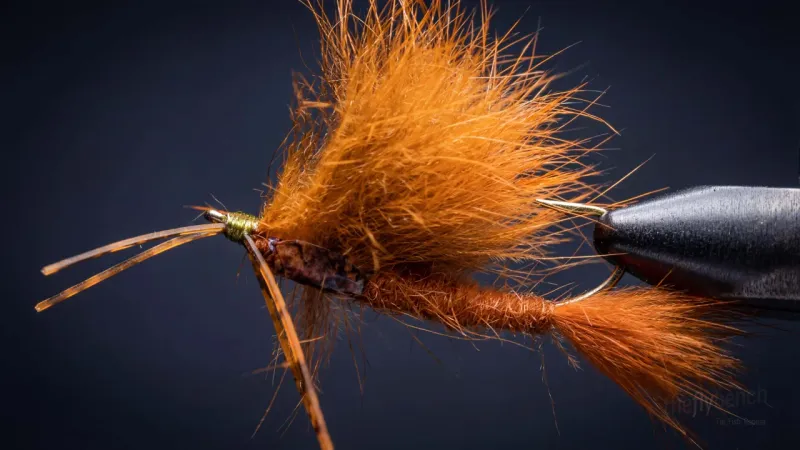
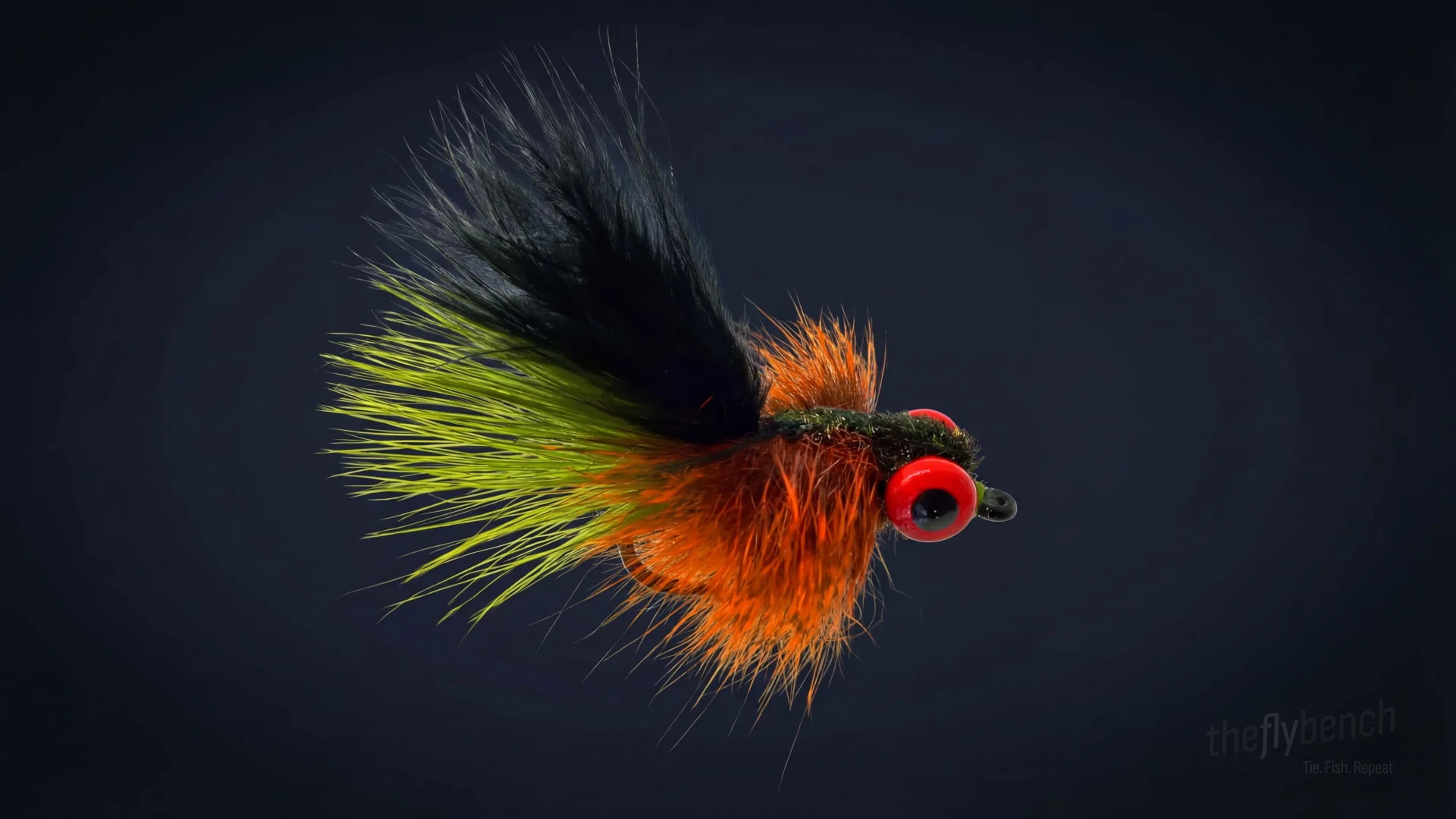
This pattern is built with zonker or squirrel tail claws, rubber legs, and a dubbed or wrapped body of natural shades. Often weighted with a cone or dumbbell eye, it's designed to land claws-up and crawl realistically.
Where to Buy This Fly
We only link to fly shops we trust. Some links are referral links, which may earn us a commission at no extra cost to you.
Materials
- Hook:
- Tiemco 5262, size #2–#6
- Thread:
- Tan UTC 140 denier
- Tail:
- Two grizzly hackle feathers
- Body:
- Tan chenille
- Legs:
- Rubber legs
- Claws:
- Grizzly hackle feathers
- Weight:
- Lead wire
- Shell:
- Solarez Thick Hard UV resin
Behavior & Presentation
Natural Behavior: Crayfish scuttle backward rapidly when threatened, raising defensive claws while moving across rocky substrate in short, erratic bursts. Gamefish aggressively hunt crayfish during post-molt periods when their shells are soft and vulnerable, and the high protein content makes them worth the effort despite their defensive posture.
Where Trout Eat It: Bass and trout hunt this pattern along rocky bottoms where crayfish hide under boulders. Fish target crayfish during post-molt periods when shells are soft and vulnerable.
How to Fish It: Cast long and let sink to bottom. Use slow crawl then sharp strip (the flee) and settle. Below 50 degrees use long slow pulls; in warmer water use quick strip-strip then long pull.
Best Water: Focus on rock shelves with crevices and undercut banks in 2-8 feet of depth.
Strike Type: Line loads suddenly with aggressive weight as bass or trout crush the fleeing crawfish—set with a powerful strip-set.
Fishing Strategy
Rigging Suggestions: Fish this fly on a heavy leader, with a sink-tip or full sinking line to get it down to the bottom.
Seasonal Timing: Effective during peak feeding periods when water temperatures and conditions support active feeding behavior.
Pro Tips: This fly is designed to sink and is most effective when fished on or near the bottom. The Solarez Thick Hard UV resin shell adds durability and a realistic sheen.
Entomology
Crayfish scuttle backward rapidly when threatened, raising defensive claws while moving across rocky substrate in short, erratic bursts. Gamefish aggressively hunt crayfish during post-molt periods when their shells are soft and vulnerable, and the high protein content makes them worth the effort despite their defensive posture.
- Organism Type
- crustacean
- Life Stage
- general