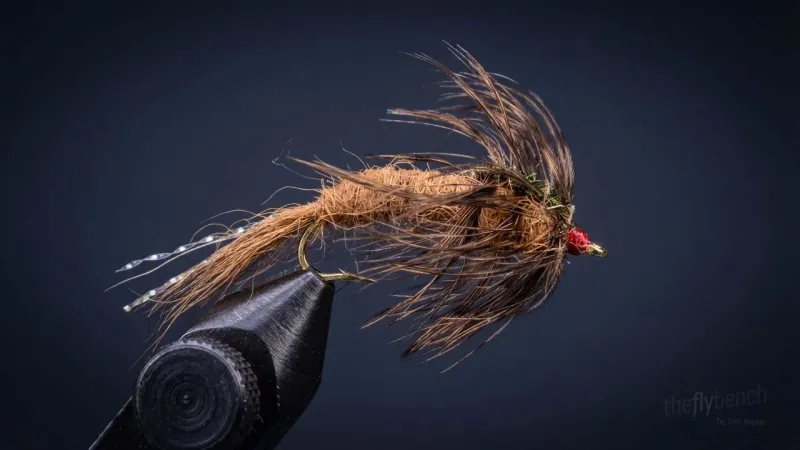
StreamersClouser Crayfish
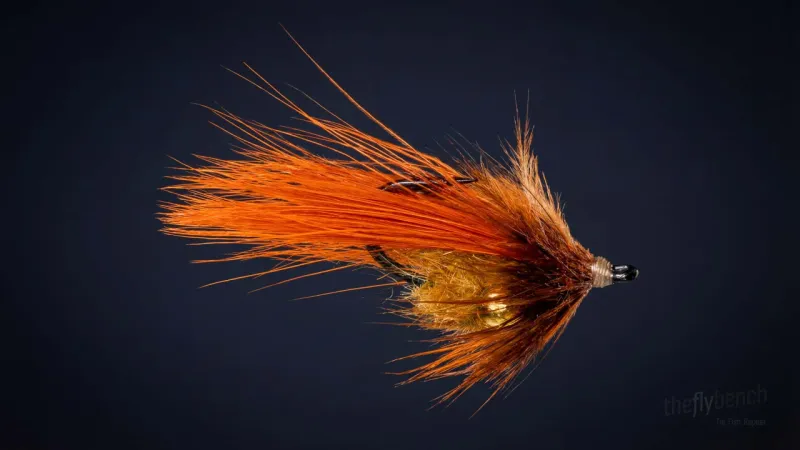
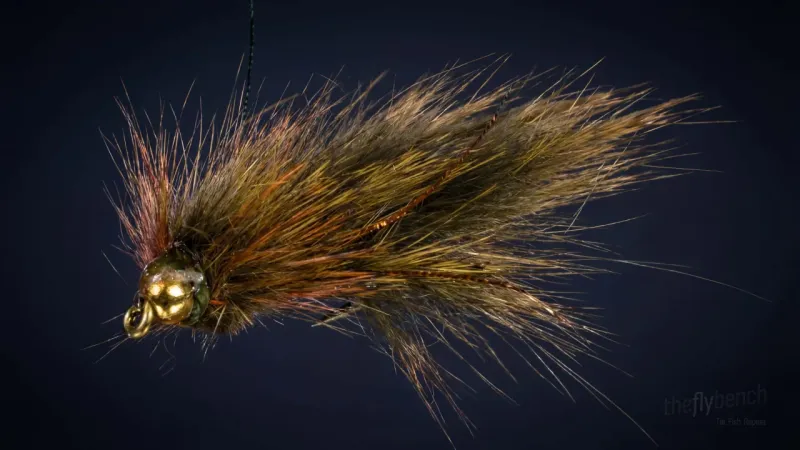
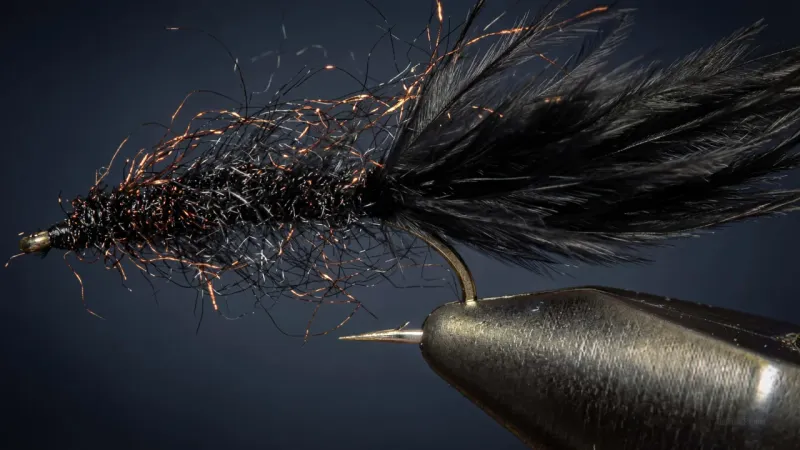
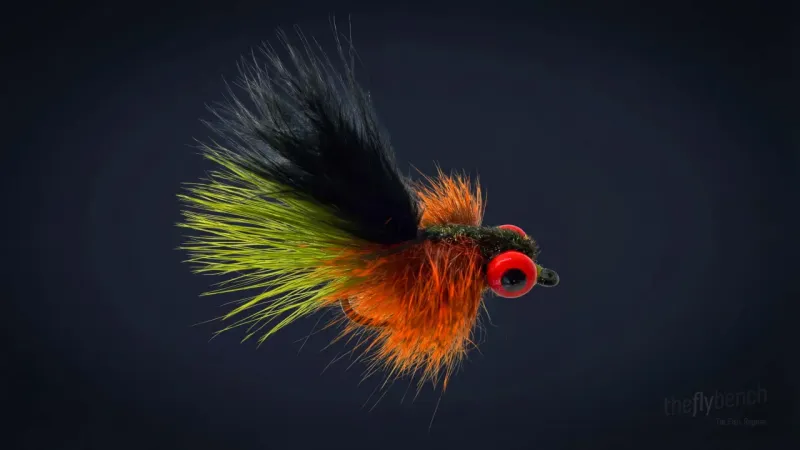
The Clouser Crayfish is a unique and effective streamer pattern that imitates a small crayfish, a common food source for a variety of fish species. The realistic profile and enticing motion of the Clouser Crayfish as it's stripped through the water can trigger aggressive strikes from fish such as bass and trout.
Year Round
Advanced
Bass, Trout
Apr 2025
Overview
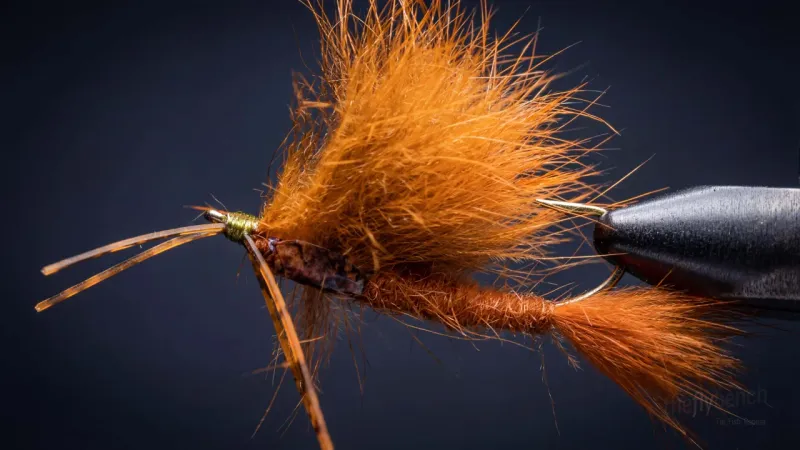
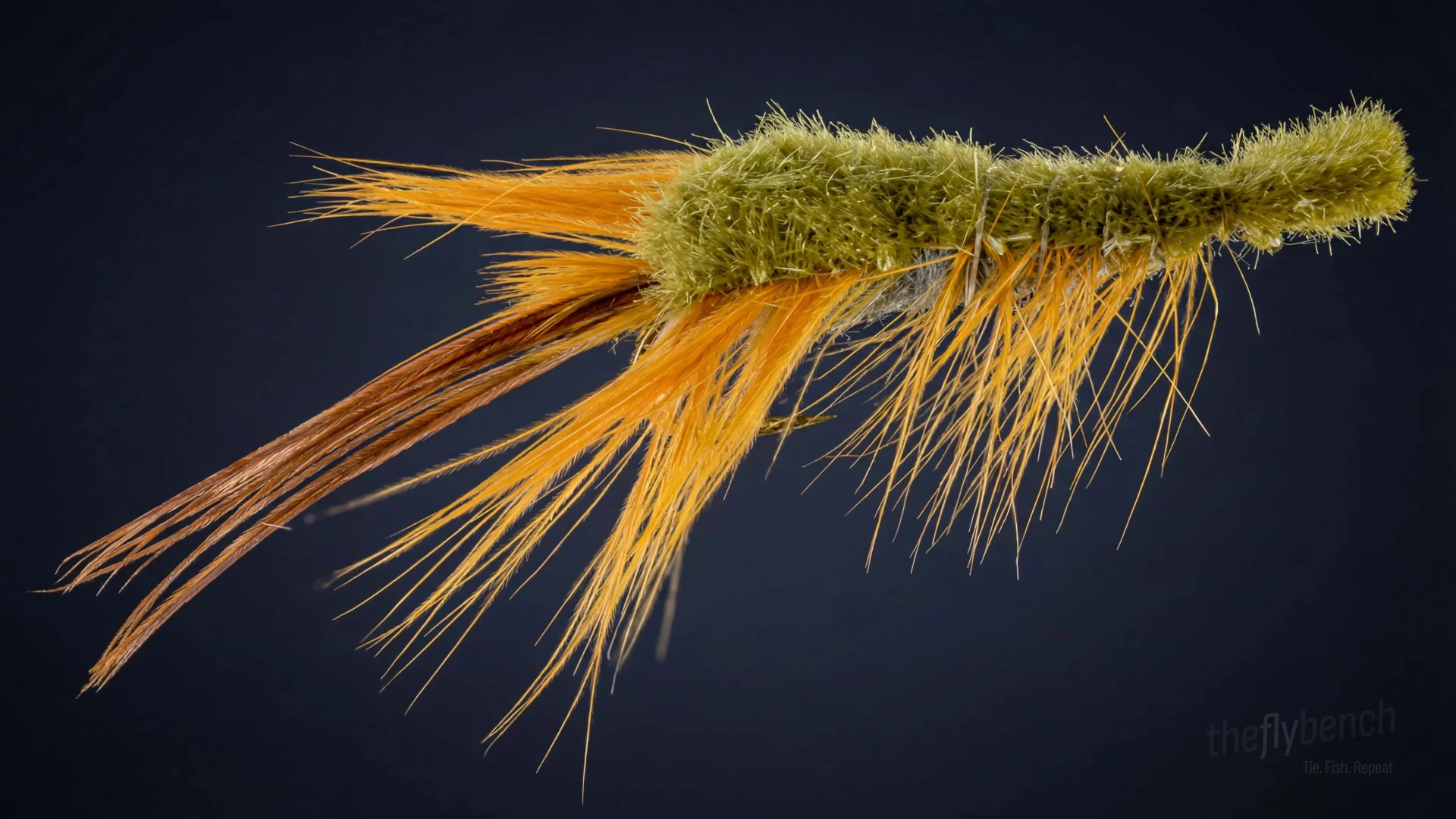
This crayfish imitation is an adaptation of the Clouser Minnow style, tied with bucktail or rabbit claws, a dubbed or chenille body, and dumbbell eyes for weight. The inverted hook point rides weedless, making it great for bass or carp in rocky or weedy environments.
Where to Buy This Fly
We only link to fly shops we trust. Some links are referral links, which may earn us a commission at no extra cost to you.
Materials
- Hook:
- Daiichi 2220, size #6–#10
- Thread:
- Tan, 3/0
- Eyes:
- Dumbbell eyes, small
- Body:
- Tan chenille
- Claws:
- Red fox squirrel tail
- Shellback:
- Tan raffia
- Ribbing:
- Copper ultra wire, small
- Legs:
- Sili legs, pumpkin green flake
Behavior & Presentation
Natural Behavior: Crayfish alternate between aggressive forward crawling and rapid backward tail-flipping escapes, becoming most vulnerable during molting periods and when crossing open water between structures.
Where Trout Eat It: Bass, carp, and large trout target these high-calorie meals in rocky substrate zones and structure edges where crayfish shelter and forage.
How to Fish It: Strip-and-pause retrieve with erratic backward motion to imitate defensive tail-flips, allowing the pattern to settle on bottom between escapes.
Best Water: Focus on rocky structure, undercut banks, weed edges, and drop-offs where crayfish move between defensive positions and feeding zones.
Strike Type: Aggressive strikes as predators commit to substantial meals, often crushing the fly with decisive takes requiring strong hooksets.
Fishing Strategy
Rigging Suggestions: Tie the Clouser Crayfish to a 9-foot leader with a 3X tippet.
Seasonal Timing: The Clouser Crayfish can be used year-round, but it's especially effective during warmer months when crayfish are most active.
Pro Tips: Due to its weighted eyes, the Clouser Crayfish sinks quickly and maintains a realistic crayfish profile underwater. The tan raffia shellback and sili legs add to its visibility.
Entomology
Crayfish move backward in rapid tail-flipping escapes when threatened, alternating between aggressive forward crawling when hunting and defensive postures in rocky crevices. Bass, carp, and large trout target crayfish during their vulnerable molting periods and when they're crossing open water between structures, as each crayfish represents a meal worth considerable caloric investment.
- Organism Type
- crustacean
- Life Stage
- general