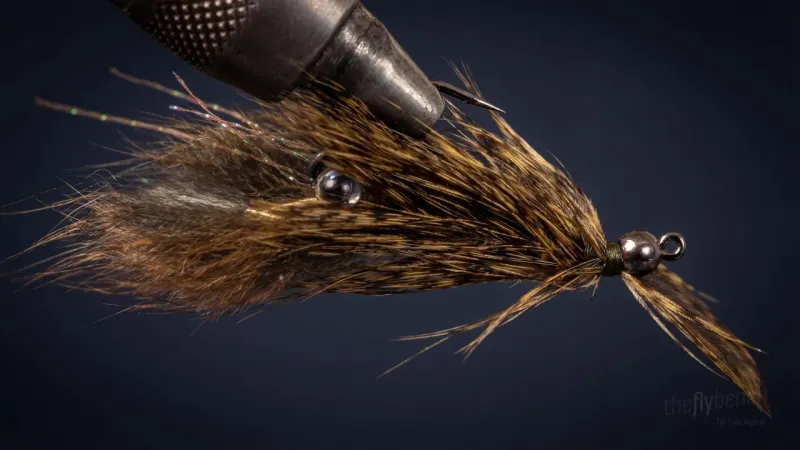
NymphNearnuff Crayfish
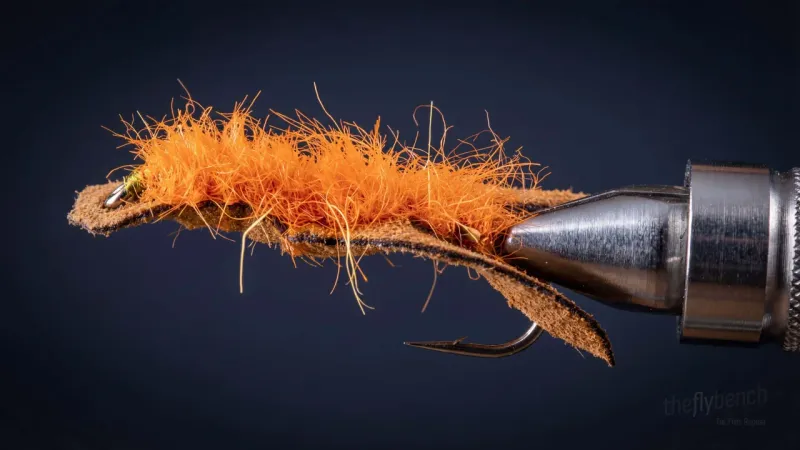
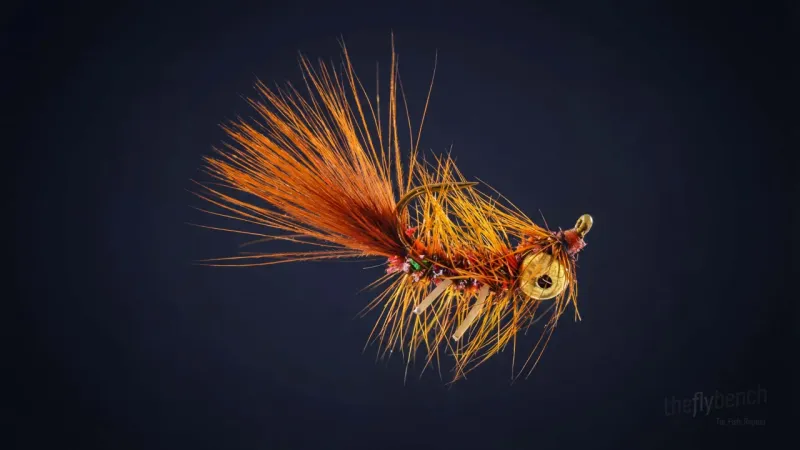
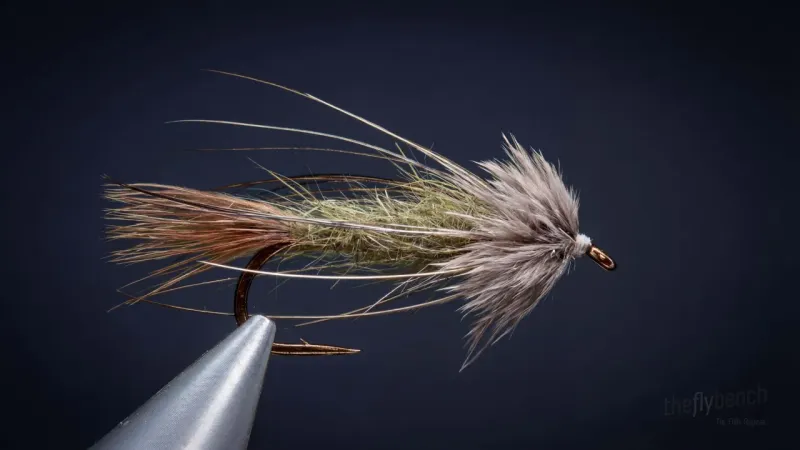
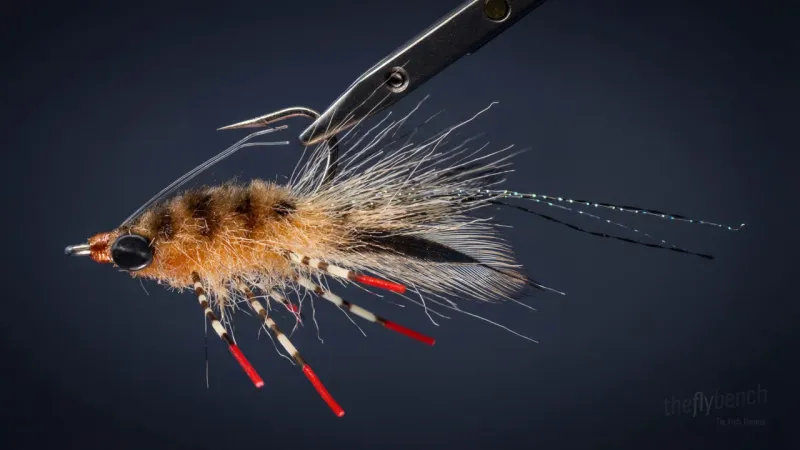
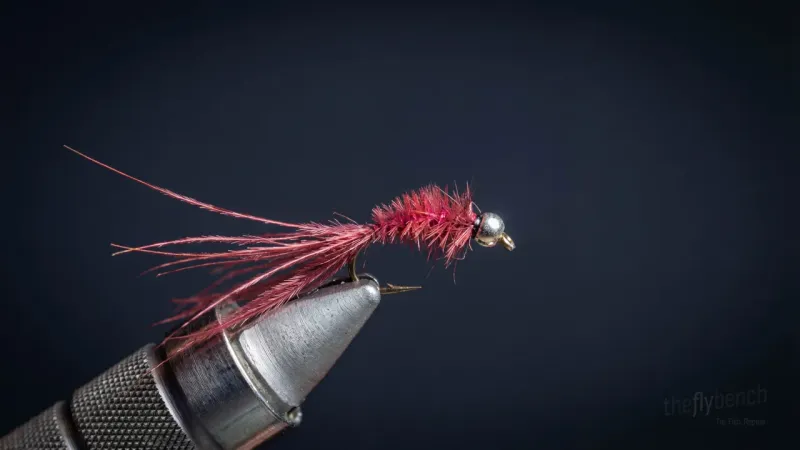
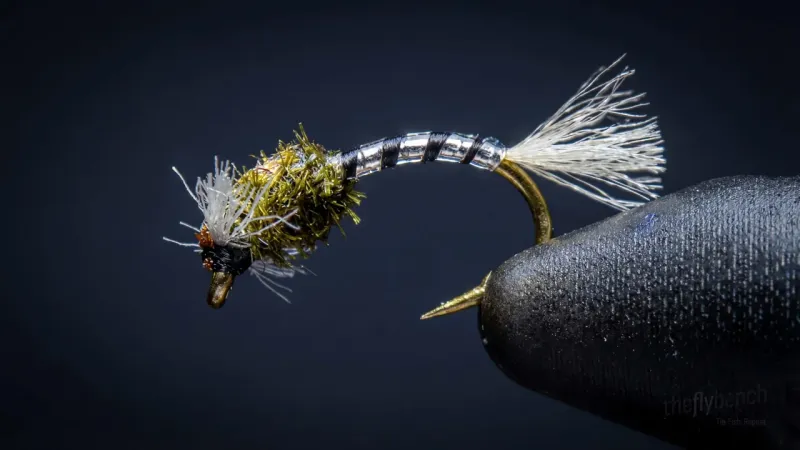
Realistic crayfish pattern mimics the lifelike movements that predatory fish find irresistible. Features mono eyes, claw-shaped zonker or hackle tips, and dubbed body with rubber legs. Tied low-riding with dumbbell eyes for authentic bottom-crawling profile. Particularly effective on bass and carp in rivers.
Spring, Summer, Fall
Advanced
Bass, Trout
Apr 2025
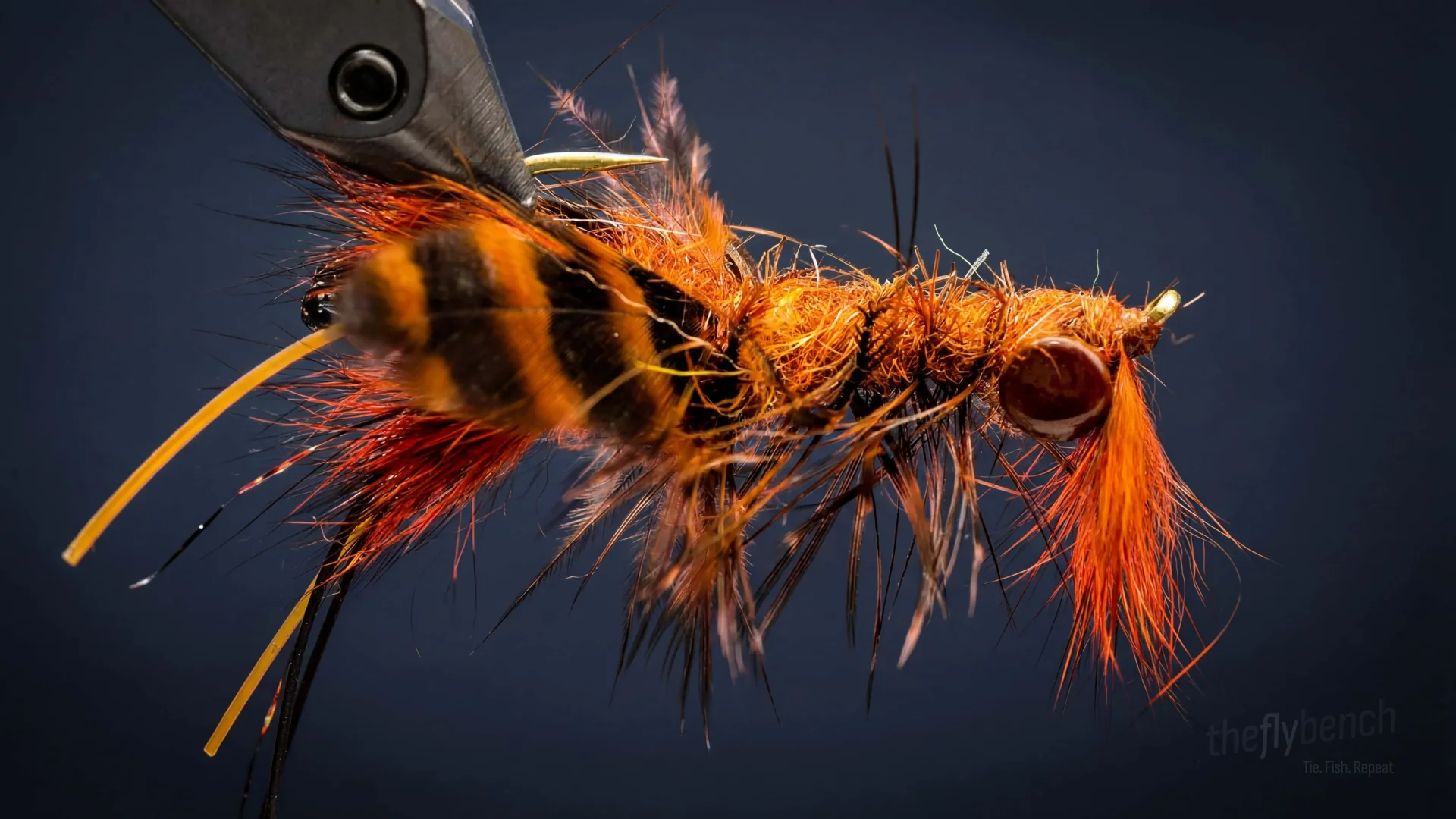
Overview
Realistic crayfish pattern using mono eyes, claw-shaped zonker or hackle tips, and a heavily dubbed body with rubber legs for added movement. Tied low-riding with dumbbell eyes to create a bottom-crawling profile that mimics natural crayfish behavior. Natural color schemes in olive, brown, and rust match regional crayfish populations. Tied in sizes #2-8 depending on the size of local crayfish.
Where to Buy This Fly
We only link to fly shops we trust. Some links are referral links, which may earn us a commission at no extra cost to you.
Materials
- Hook:
- #04-08 Tiemco 5263
- Thread:
- Brown UTC 140
- Eyes:
- Painted Orange Lead Eyes or Red Pseudo Eyes
- Eyes2:
- Black Crab Shrimp Eyes
- Antennae:
- Black Lifeflex or Spanflex
- Flash:
- Pearl Krystal Flash
- Legs:
- Orange Buggy Legs, Sili Legs or Crazy Legs
- Mouth:
- Tan Zonker Strip
- Dubbing:
- Near Nuff Orange Whitlock SLF Dubbing
- Claws:
- Orange India Hen Back
- Hackle:
- Orange Grizzly Soft Hackle
- Tail:
- Tan Zonker Strip
Behavior & Presentation
Natural Behavior: Crayfish spend most of their time hiding under rocks and woody debris, emerging at dusk to forage on stream bottoms with claws extended. When threatened, they swim backward rapidly by curling and uncurling their tails, creating erratic reverse movements.
Where Trout Eat It: Trout hunt crayfish along rocky substrate and cobble bottoms at depths of 2-8 feet where they hide under structure.
How to Fish It: Fish directly on bottom using jerk-strip to hop fly along substrate. Use short strips followed by 5-10 second pauses to mimic backing into cover.
Best Water: Rocky stream bottoms with cobble and boulder fields, pocket water behind mid-stream boulders, and undercut banks with rocky substrate.
Strike Type: Fish often mouth the pattern during pauses, producing subtle weight or a feeling of resistance rather than sharp strikes. The indicator may slowly sink or move sideways as trout investigate the bottom-bouncing crayfish.
Fishing Strategy
Rigging Suggestions: Best rigged on a sinking line with 1X-2X fluorocarbon tippet, making sure it reaches the bottom where crayfish are usually found. Use a sink-tip or full-sinking line in deeper water.
Seasonal Timing: Especially effective late April through early October when crayfish are most active. Peak productivity occurs during June-August when water temperatures reach 60-75°F.
Pro Tips: Sinks quickly to the bottom where crayfish live. Natural colors blend well with the riverbed. The mono eyes and rubber legs add realistic movement that triggers strikes.
Entomology
Crayfish spend most of their time hiding under rocks and woody debris, emerging at dusk to forage on stream bottoms with claws extended. When threatened, they swim backward rapidly by curling and uncurling their tails, creating erratic reverse movements. Fish target them most aggressively during molting periods when their soft, vulnerable bodies lack protective shells and their white coloration makes them highly visible and easy to consume.
- Organism Type
- crustacean
- Life Stage
- general