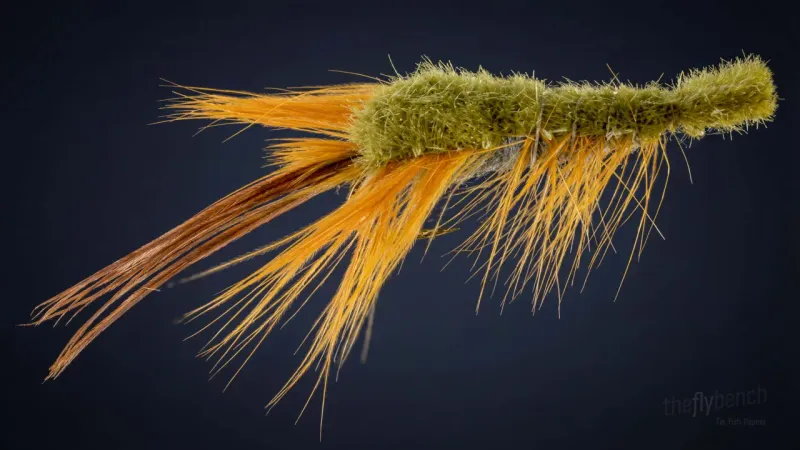
StreamersBackstabber Carp Fly
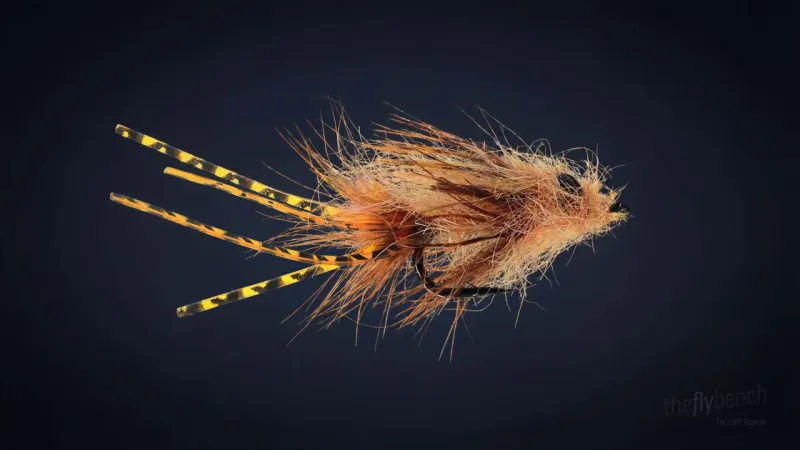
The Backstabber Carp Fly is a popular pattern for carp fishing, designed to ride hook up and reduce snags. It is especially effective in clear water where carp are known to feed off the bottom.
Year Round
Intermediate
Carp
Apr 2025
Overview
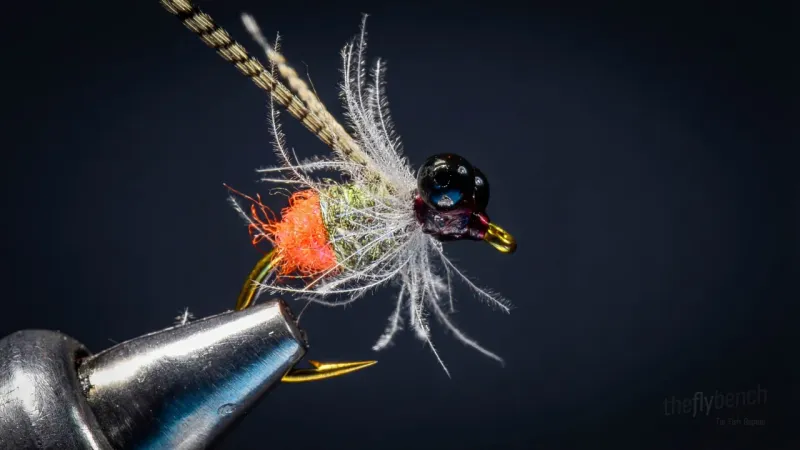
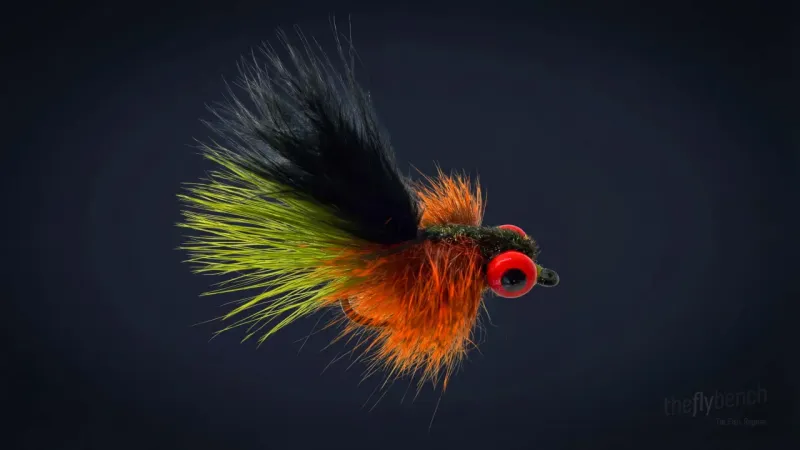
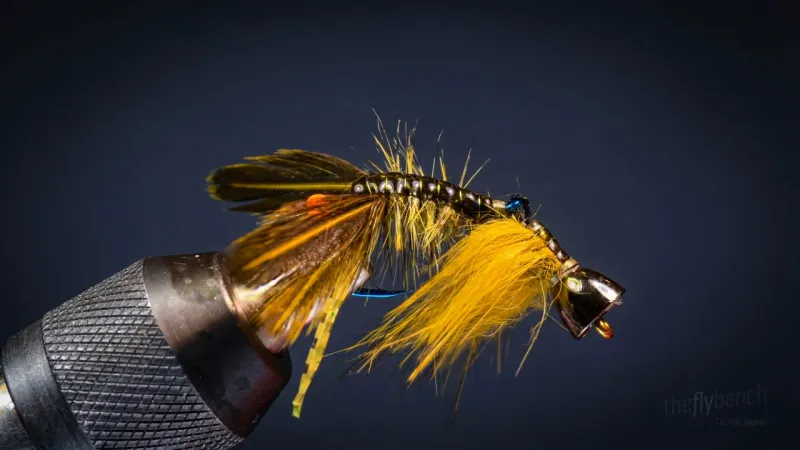
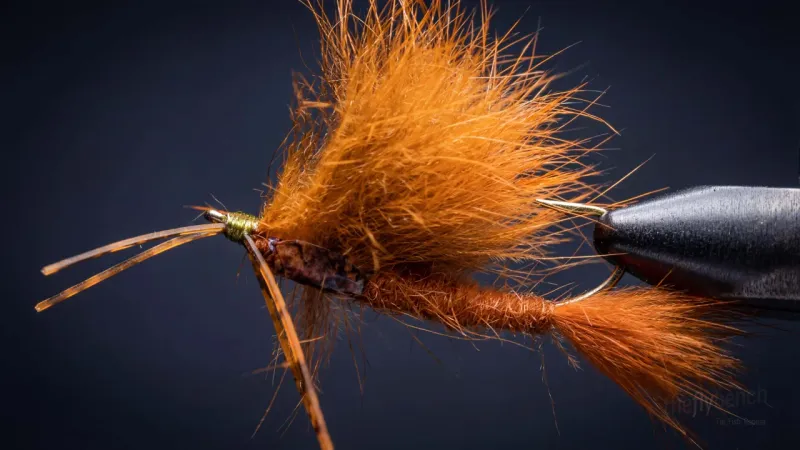
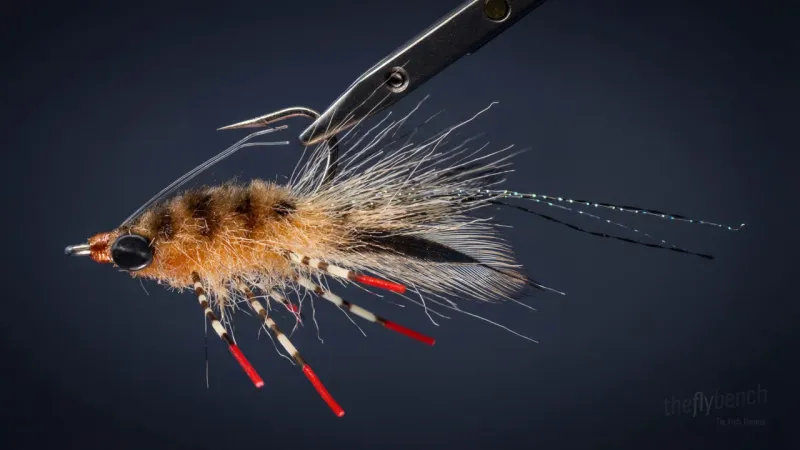
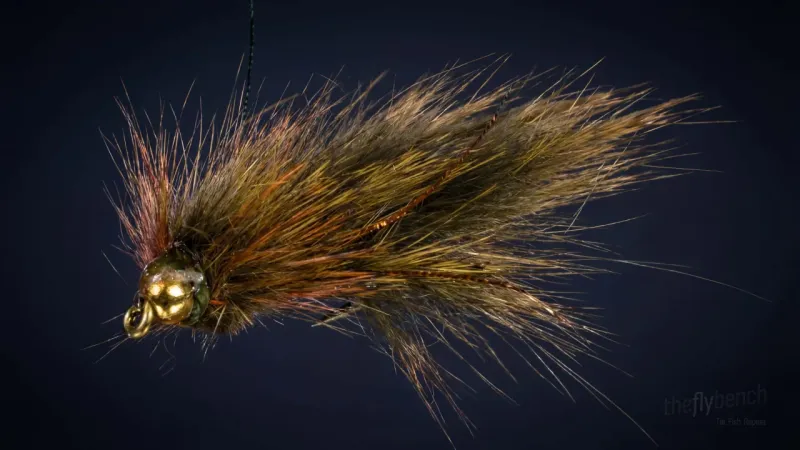
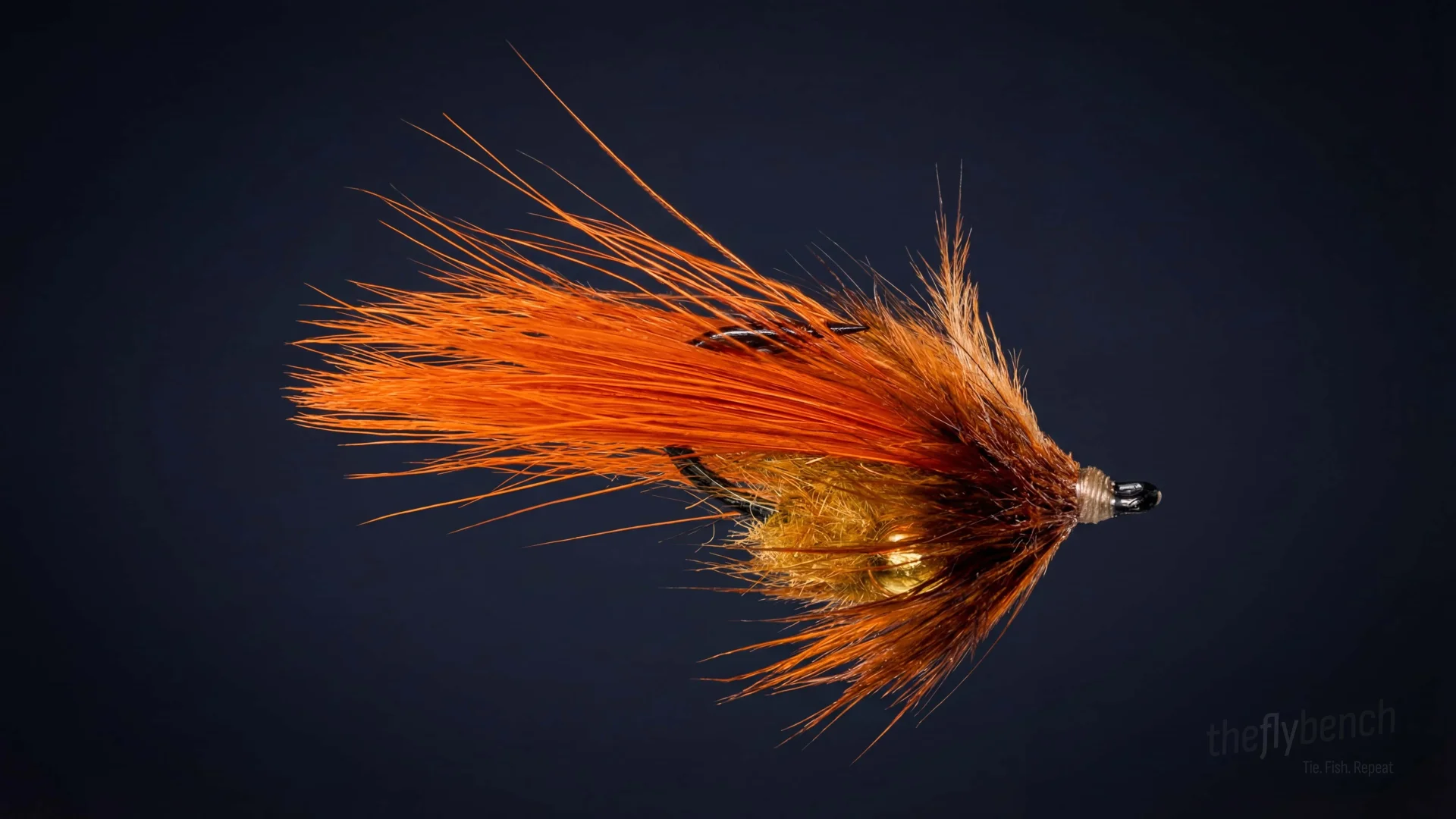
The Backstabber Carp Fly is tied on a short-shank, wide-gap hook with dumbbell eyes positioned to make it ride hook-point up—ideal for presenting to bottom-feeding carp. It features a soft marabou tail for lifelike movement, a dubbed or chenille-wrapped body for bulk, and rubber legs that pulse as the fly settles. Flash materials can be added sparingly for subtle attraction. Designed to land softly and sink slowly, it's perfect for sight-fishing spooky carp in shallow water. The fly can be tied in natural tones like olive, rust, or black to match local forage.
Where to Buy This Fly
We only link to fly shops we trust. Some links are referral links, which may earn us a commission at no extra cost to you.
Materials
- Hook:
- Ahrex FW521
- Thread:
- UTC 140 Denier, Tan
- Eyes:
- Brass Dumbbell Eyes, Small
- Tail:
- Rabbit Zonker Strip, Olive
- Body:
- Buggy Nymph Dubbing, Natural Hare
- Collar:
- Marabou, Tan and Olive
Behavior & Presentation
Natural Behavior: Crayfish inhabit rocky substrates and vegetation, moving backward rapidly when disturbed by flicking powerful tails. Most active during low-light periods, they scavenge along bottoms and hide under rocks during daylight.
Where Trout Eat It: Carp root through sediment in shallow feeding zones, using sensitive barbels to detect crayfish even in murky conditions.
How to Fish It: Use slow, crawling retrieves with subtle hops—strip 2-3 inches, pause, repeat—to mimic crayfish moving along the bottom.
Best Water: Work mudflats, weed edges, drop-offs, and structure where carp systematically feed on crustaceans.
Strike Type: Feel brief resistance or weight; strip-set firmly when you sense the carp's mouth close.
Fishing Strategy
Rigging Suggestions: Use a 9-foot leader with 10-12 lb fluorocarbon tippet to handle the powerful runs of hooked carp. Heavier tippet won't spook bottom-feeding carp.
Seasonal Timing: Year round pattern with consistent effectiveness, though most productive from May through September when carp are in shallow water and actively feeding.
Pro Tips: Tied in natural earth tones, this fly sinks quickly and blends with the bottom. The rabbit fur tail creates lifelike movement. Cast 3-4 feet ahead of feeding carp and let it settle before beginning your retrieve. Strip set firmly when you feel weight.
Entomology
Crayfish inhabit rocky substrates and vegetation in both rivers and lakes, moving backward rapidly when disturbed by flicking their powerful tails. They are most active during low-light periods, scavenging along bottoms and hiding under rocks during daylight hours. Carp actively root through sediment seeking these calorie-dense crustaceans, using their sensitive barbels to detect crayfish even in murky conditions.
- Organism Type
- crustacean
- Life Stage
- general