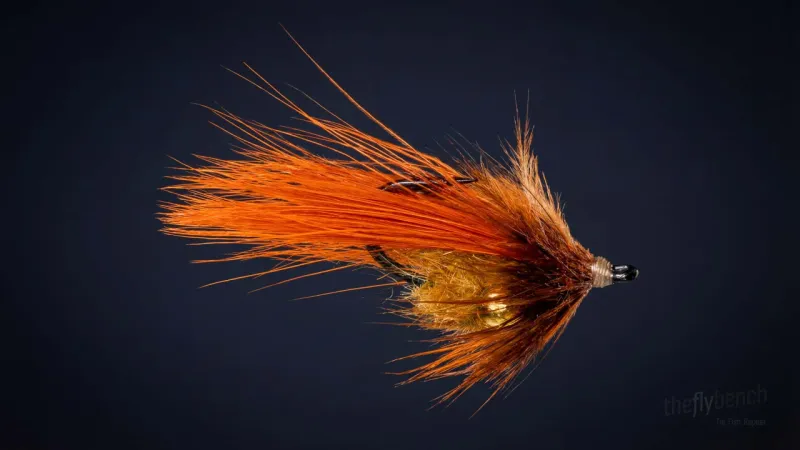
StreamersCowbell Cray
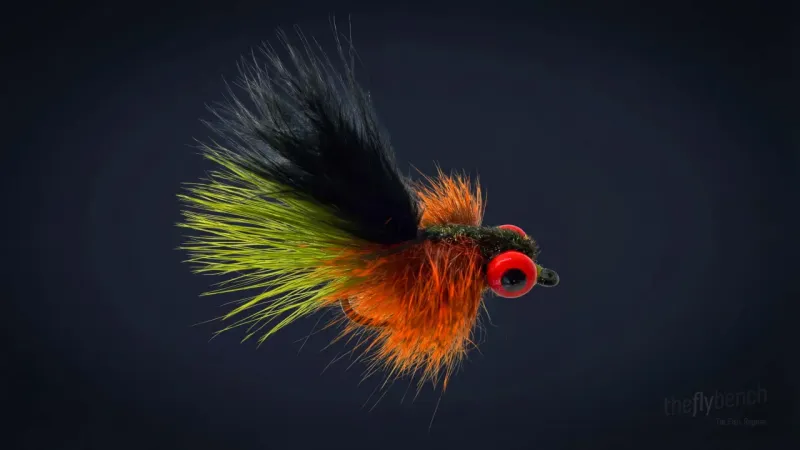
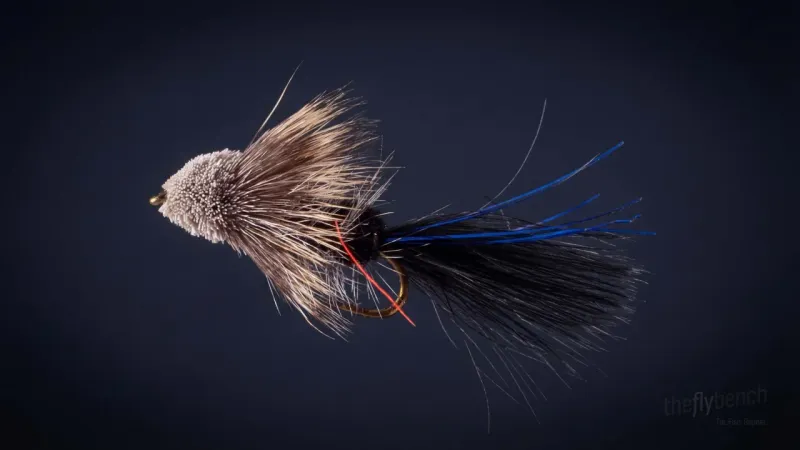
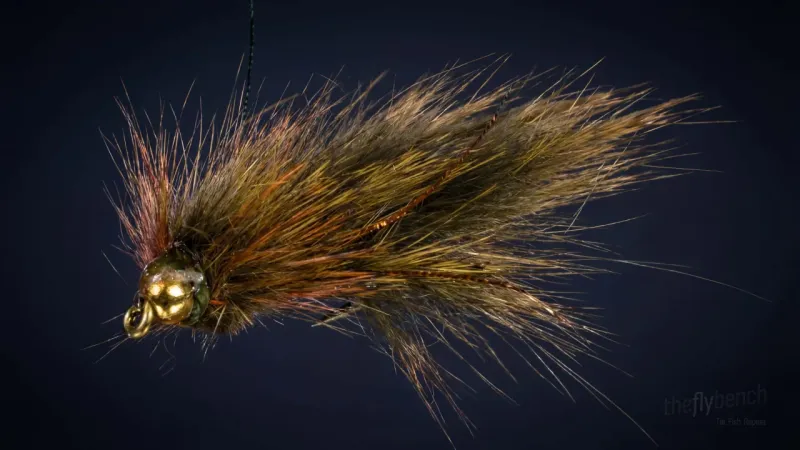
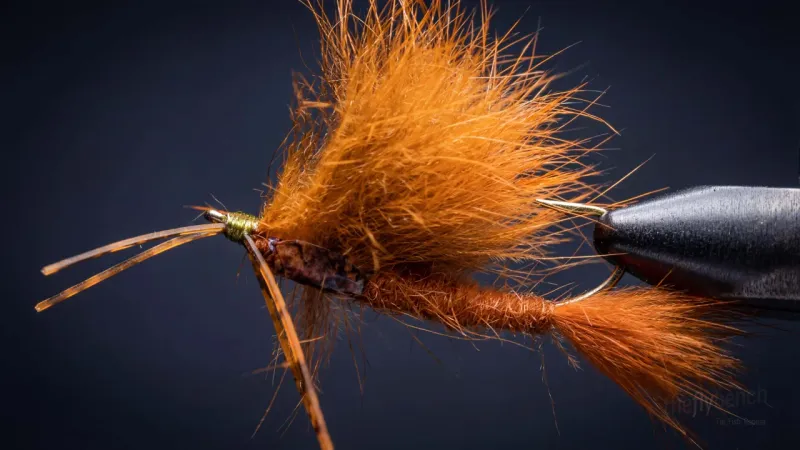
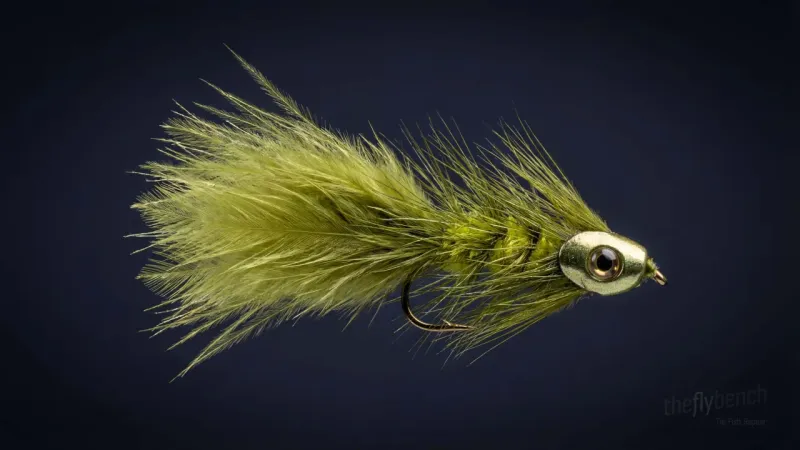
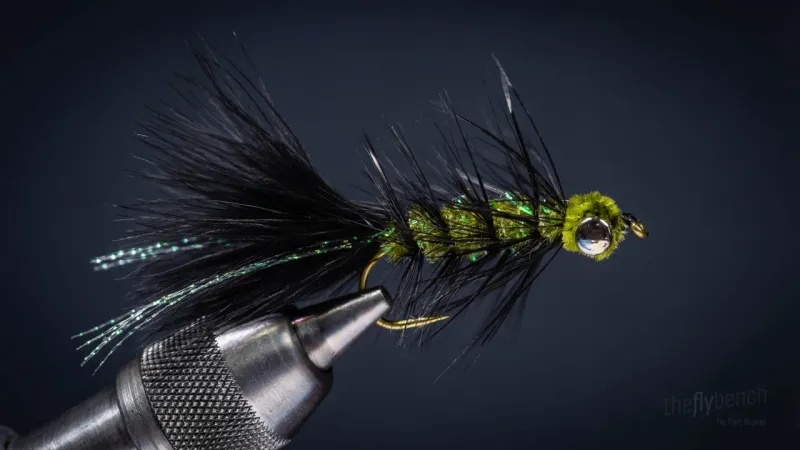
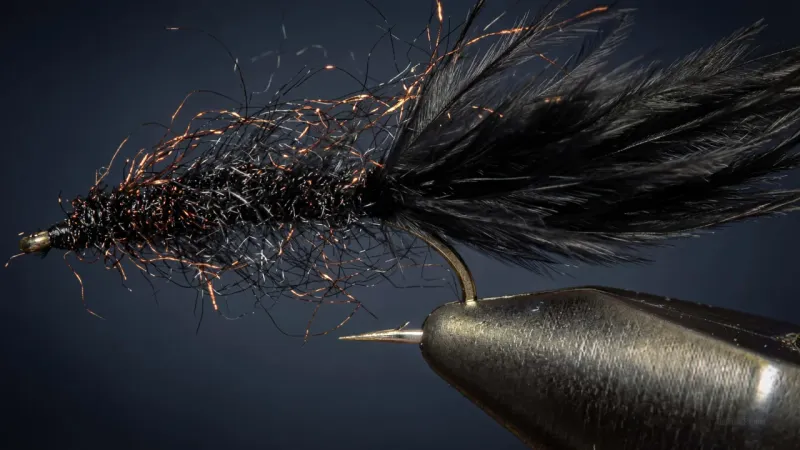
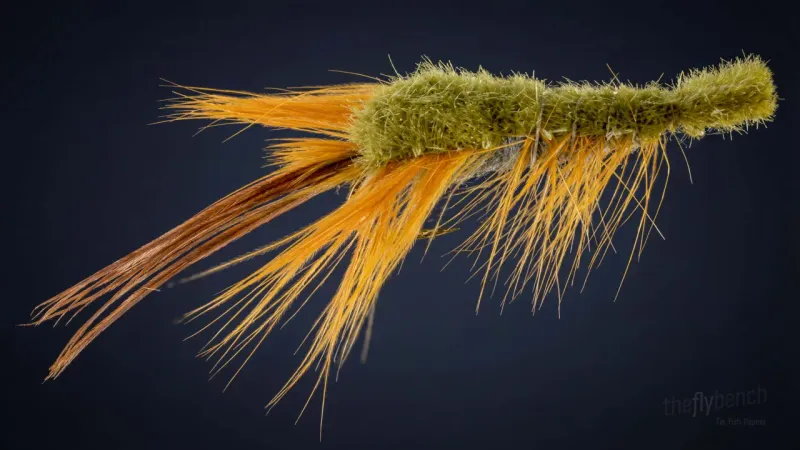
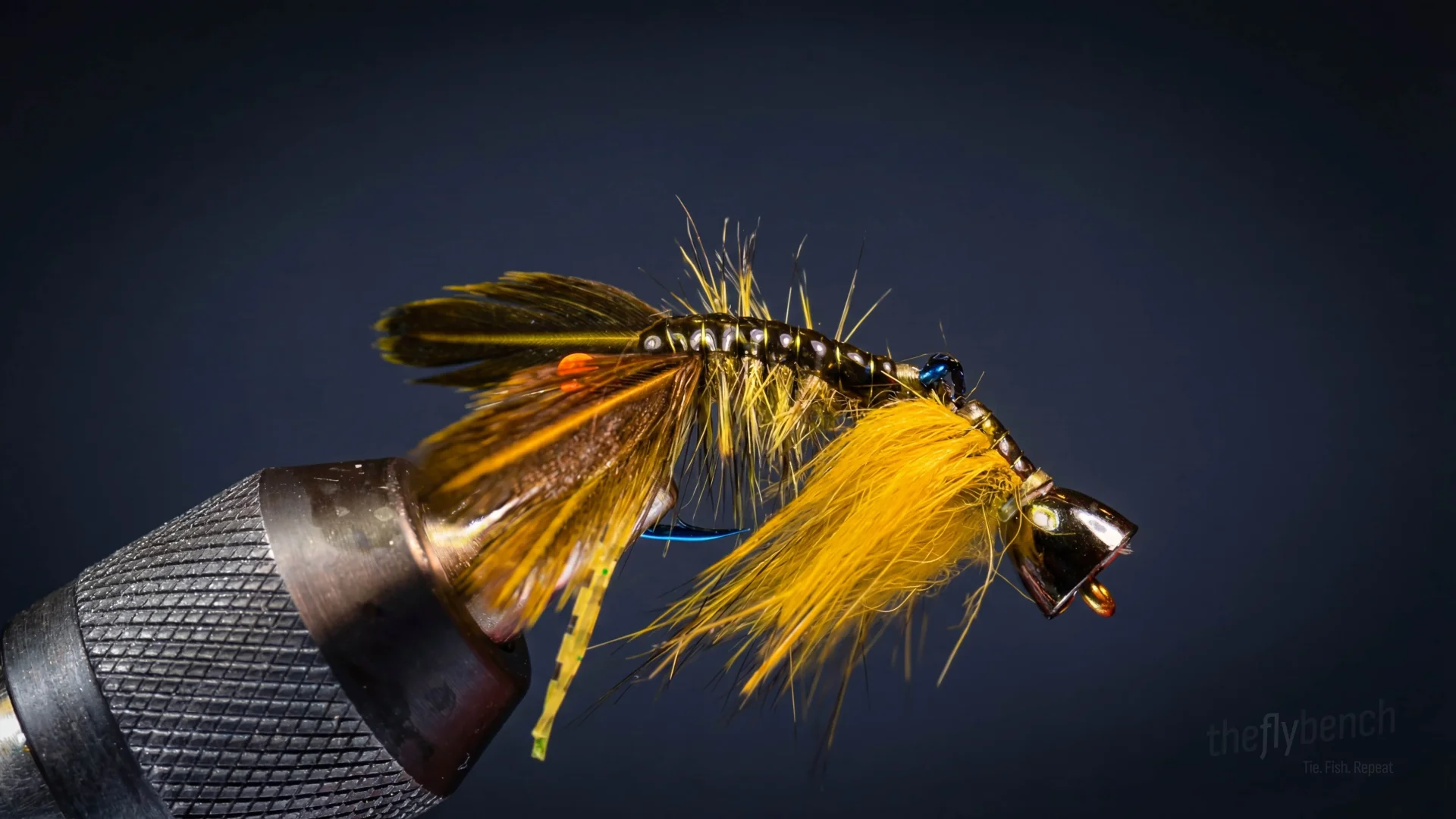
The Cowbell Cray is an articulated crayfish pattern that delivers exceptional realism through a combination of specialized materials and advanced construction techniques. This two-piece design features a detailed rear section with Thinskin back, India hen claws, and prominent orange resin eyes, connected via dacron backing to a heavily weighted front section. The articulated joint creates the distinctive defensive posture and escape movements that trigger aggressive strikes from predatory fish.
Year Round
Advanced
Trout, Bass, Carp
Dec 2025
Overview
This Charlie Craven pattern from Charlie's Fly Box represents the pinnacle of articulated crayfish imitation. The two-hook design allows the fly to articulate naturally as it tumbles along the bottom, closely mimicking the defensive posture of a crayfish when threatened. The olive Thinskin back provides the segmented carapace appearance while the India hen claws extend defensively when the fly is stripped. The tungsten cone on the front section ensures the fly rides hook point up and quickly reaches the feeding zone where crayfish live.
Where to Buy This Fly
We only link to fly shops we trust. Some links are referral links, which may earn us a commission at no extra cost to you.
Materials
- Hook (Rear):
- Gamakatsu Octopus, #6, black or blue
- Hook (Front):
- Tiemco 9395
- Thread:
- Magpie 72D, olive dun
- Mouth Parts:
- Nature's Spirit Pheasant Tail, olive dyed, and Goose Biots, olive
- Eyes (Crayfish):
- Solarez Color Resin, orange
- Back:
- Thinskin, mottled bustard olive
- Rib:
- UTC Wire, small, olive or brassie
- Dubbing:
- Craw Dub, olive
- Claws:
- India Hen Back, olive
- Legs:
- Nymph Sili Legs, olive barred
- Hackle:
- Metz Bugger Bunch Hackle, olive dyed grizzly
- Joint:
- Dacron Backing, 20 lb
- Cone:
- Tungsten Cone, large, black
- Front Legs:
- Rabbit Strips, olive
- Adhesive:
- Zap-A-Gap
Behavior & Presentation
Natural Behavior: Crayfish raise claws defensively and back away when threatened, then execute rapid tail-flips to escape predators. Their jerky backward swimming appears panicked and uncontrolled, making them easy targets during retreat. Bass and trout hunt actively for these protein-dense crustaceans near rocky structure.
Where Trout Eat It: Predatory fish ambush crayfish near rock piles, riprap, undercut banks, and drop-offs where crayfish hide. Focus on structure transitions and channel swings where fleeing crayfish cross open areas.
How to Fish It: Strip-pause along the bottom to imitate defensive postures followed by escape bursts. The articulated joint creates realistic tail-flip action that triggers aggressive predatory responses.
Best Water: Work undercut banks, drop-offs, channel swings, rocky structure, and current breaks where crayfish habitat meets predator ambush zones.
Strike Type: Expect a violent grab where the line snaps tight instantly.
Fishing Strategy
Rigging Suggestions: Fish on a 6-8 weight rod with floating or sink-tip line depending on water depth. Use 2X-3X fluorocarbon tippet for abrasion resistance around rocks and structure.
Seasonal Timing: effectiveness wherever crayfish are present. Most productive from through when crayfish are actively molting and moving in the water column.
Pro Tips: The tungsten cone ensures the fly sinks quickly and rides hook point up. The olive coloration blends naturally with crayfish habitat while the orange resin eyes provide a subtle accent that catches the attention of feeding fish.
Entomology
Crayfish defend themselves by raising their claws and backing away when threatened, creating a distinctive defensive posture before executing rapid tail-flips to escape. Bass, trout, and other predators actively hunt crayfish because they offer exceptional protein content and are most vulnerable during molting periods when their shells soften.
- Organism Type
- crustacean
- Life Stage
- general