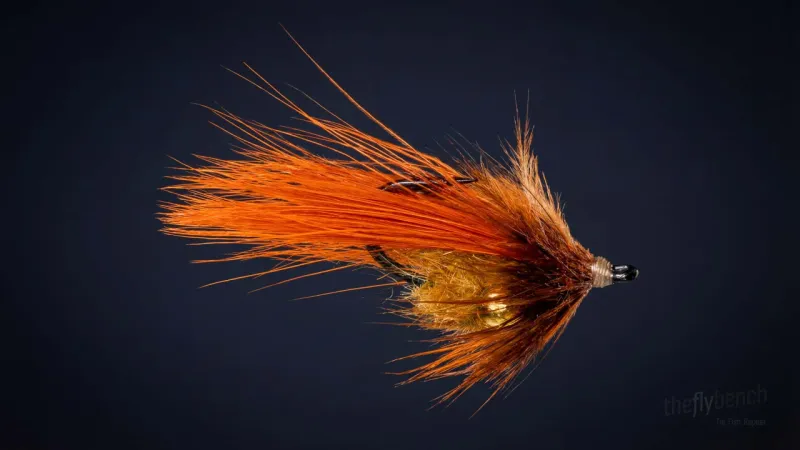
StreamersSwimming Carp Fly
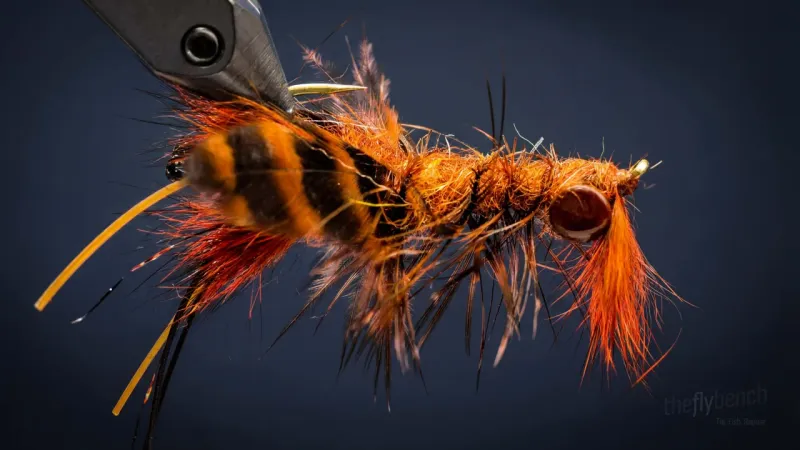
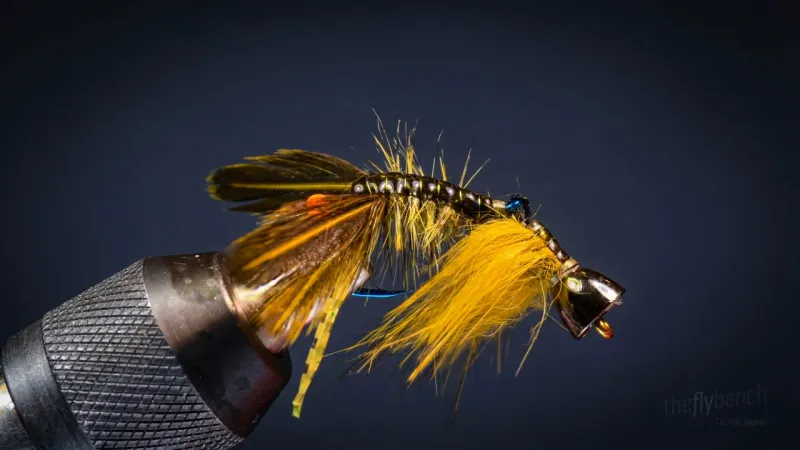
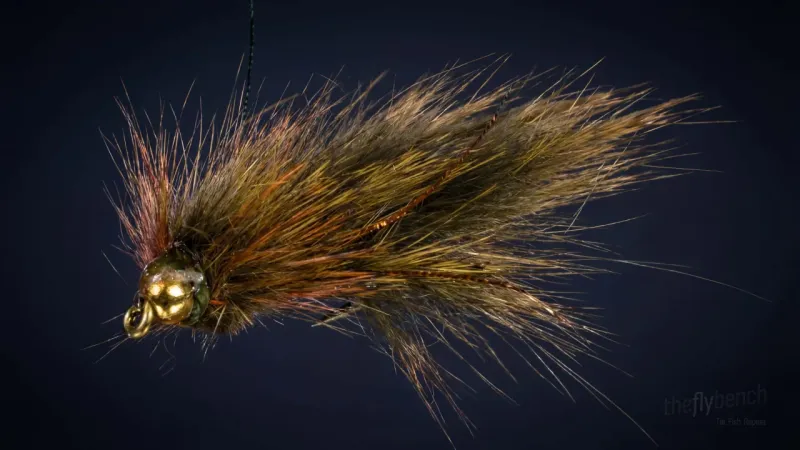
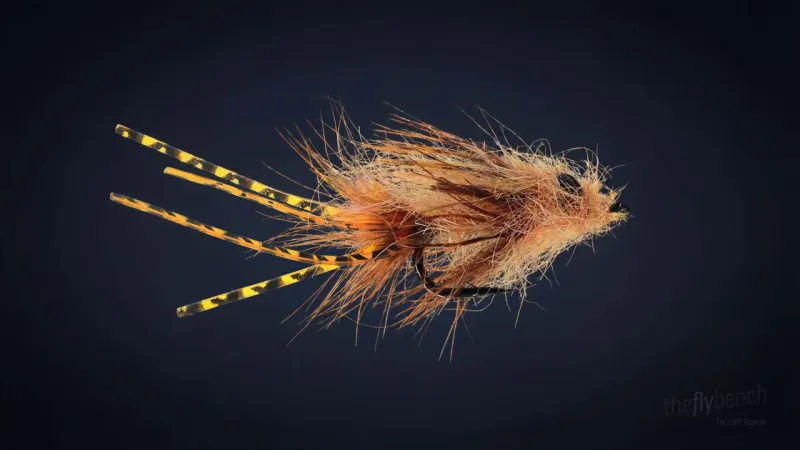
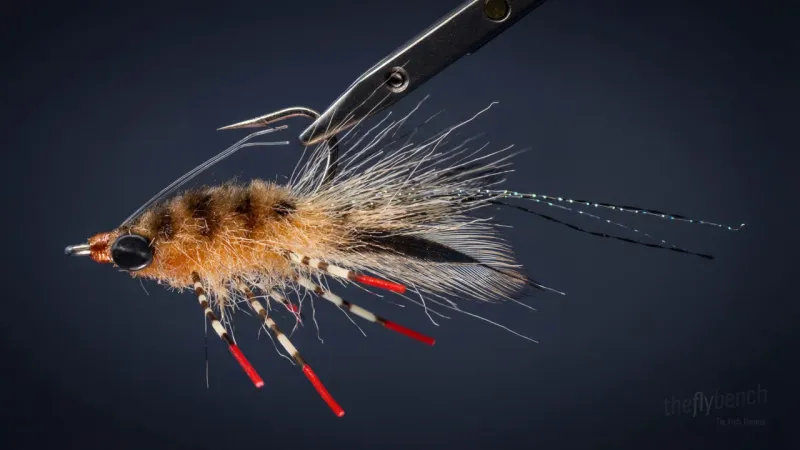
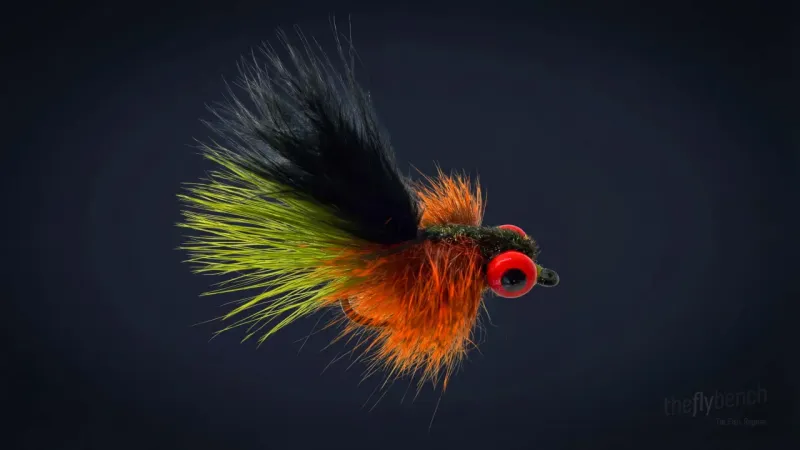
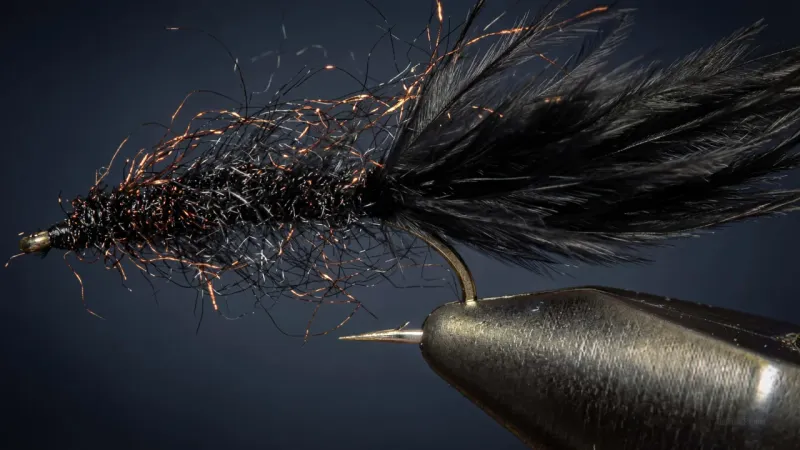
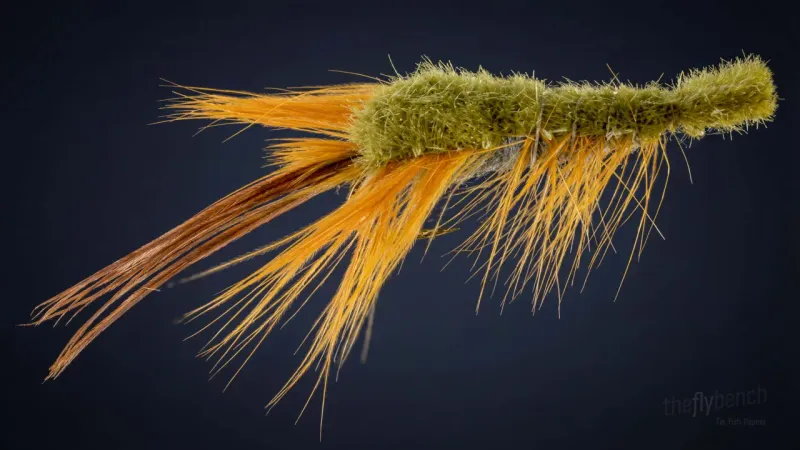
A highly effective pattern for carp that mimics a swimming creature. Its motion in the water, combined with its realistic profile, makes it irresistible to carp.
Spring, Summer, Fall
Intermediate
Carp
Apr 2025
Overview
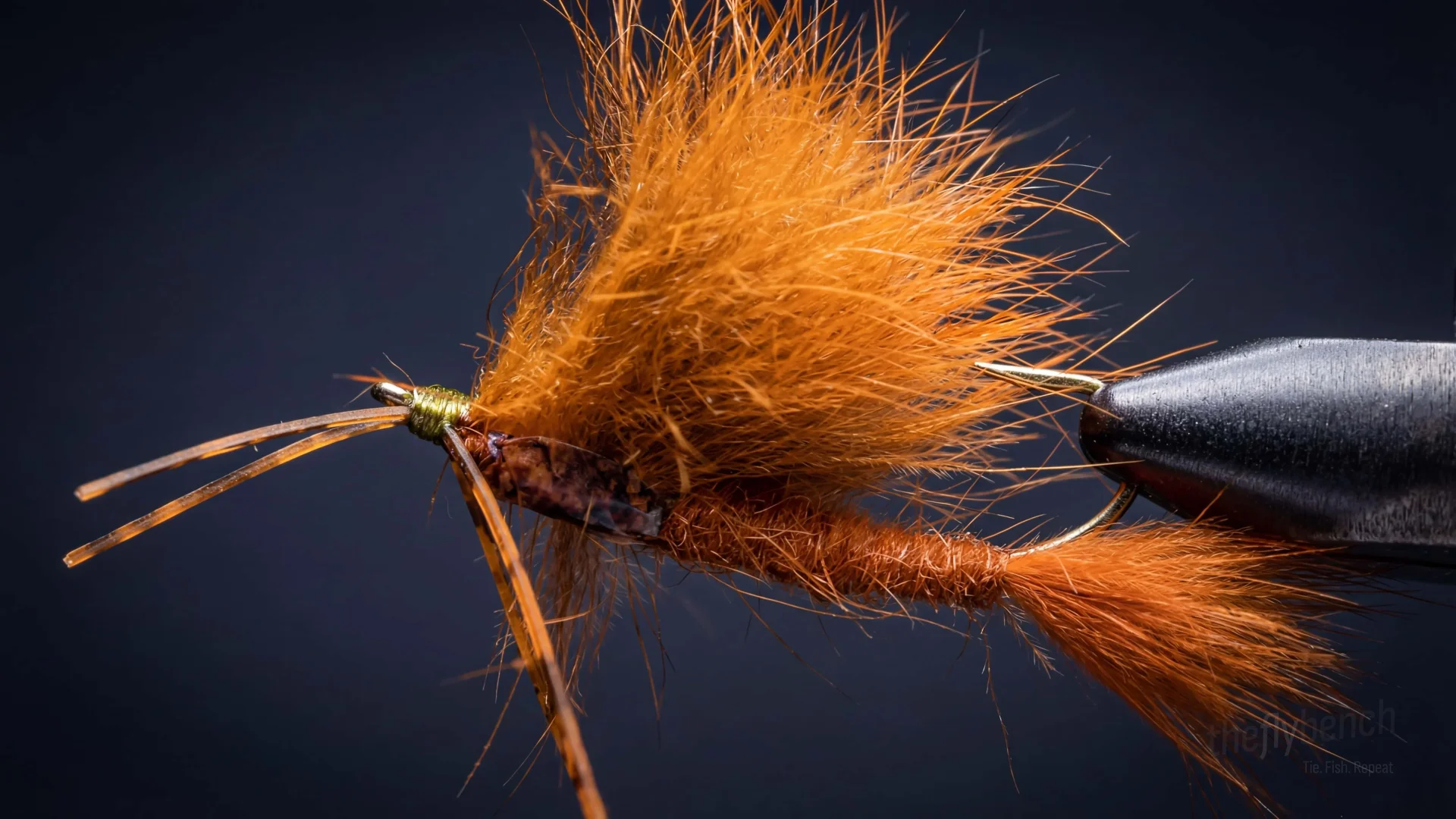
Designed for stealthy carp presentations, this fly is tied with soft, mobile materials like marabou, rabbit, or squirrel for the tail and body. Often weighted lightly, it's built to land softly and sink slowly, with color patterns like tan, olive, or brown to match aquatic forage.
Where to Buy This Fly
We only link to fly shops we trust. Some links are referral links, which may earn us a commission at no extra cost to you.
Materials
- Hook:
- #06-12 Tiemco 200r
- Thread:
- Olive UTC 140
- Lead:
- .020 Lead Wire
- Tail:
- Rust Rabbit
- Body:
- Rust Hareline Dubbing
- Casing:
- Brown Medallion Sheeting
- Legs:
- Orange Speckled Crazy Legs
- Collar:
- Rust Rabbit
Behavior & Presentation
Natural Behavior: Crayfish swim with erratic bursts of speed followed by glides, often moving toward structure or along current edges. Trout strike these baitfish aggressively because their fleeing behavior triggers predatory instincts.
Where Trout Eat It: Carp intercept this pattern near bottom structure as it mimics crayfish moving along substrate in 1-4 foot depths. Target feeding carp in shallow flats where they root for crayfish in mud during warmer months when water temperatures exceed 65°F.
How to Fish It: Allow fly to reach bottom, then make slow short strips (2-4 inches) followed by pauses—carp prefer less aggressive retrieves than trout. Vary cadence: long slow strip, quick strip with longer pause, or several quick short strips and pause. Cast beyond carp, strip it away like escaping prey when fish approaches.
Best Water: Fish shallow flats with visible cruising carp and weed edges in 2-4 foot depths. Target mud flats where carp root for crayfish. Focus on drop-offs adjacent to flats and shoals with scattered vegetation.
Strike Type: Carp produce subtle line movement as they inhale the pattern, feeling like gentle pressure or slow tightening. Watch for the line creeping away or feeling gradual weight rather than sharp takes.
Fishing Strategy
Rigging Suggestions: Use weight-forward floating line with 9-12 foot leaders tapered to 2X or 3X fluorocarbon tippet. The fly's weight gets it down quickly without additional split shot. Lead the fish by 3-5 feet when casting.
Seasonal Timing: Most productive from late May through September with peak effectiveness during warmer months (June-August) when carp feed actively on crayfish and aquatic invertebrates. Water temperatures above 65°F produce the best results.
Pro Tips: Wait for the fly to fully sink before beginning retrieve. Carp are wary and will spook if fly lands too close.
Entomology
Crayfish move along the bottom in short, defensive backward bursts when threatened, creating puffs of silt with their powerful tails while using their claws for balance and protection. Fish target them as high-protein meals rich in calcium, especially during molting periods when crayfish are soft and vulnerable, making them easier to consume and digest.
- Organism Type
- crustacean
- Life Stage
- general