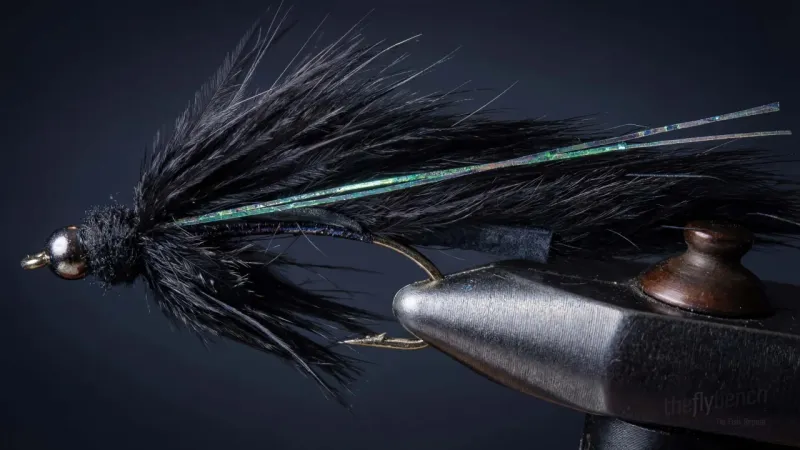
StreamersBow River Bugger
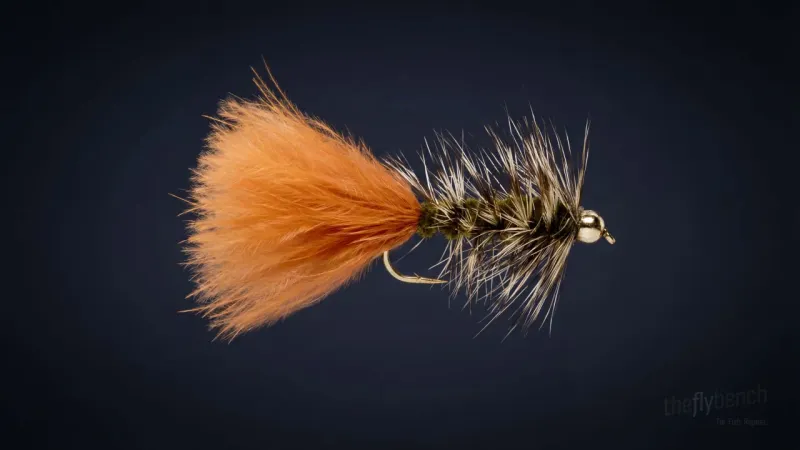
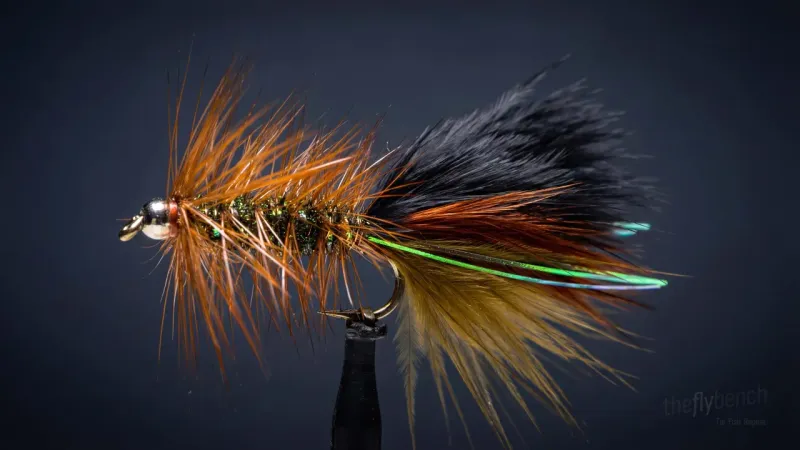
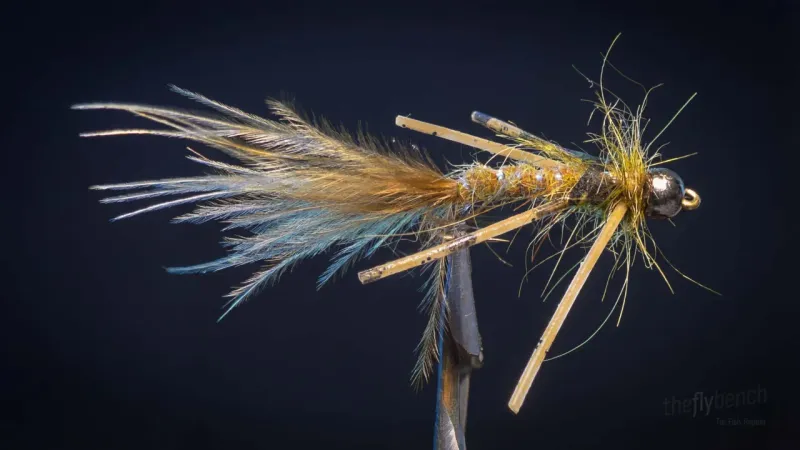
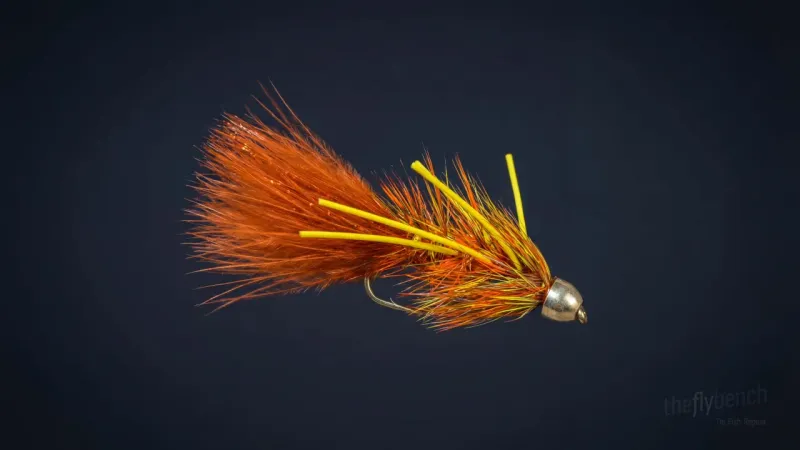
The Bow River Bugger is a variant of the classic Woolly Bugger, designed to imitate a range of baitfish, crayfish, and leeches. Its multi-purpose design makes it a go-to pattern for many anglers fishing in a variety of conditions.
Year Round
Intermediate
Trout, Bass
Apr 2025
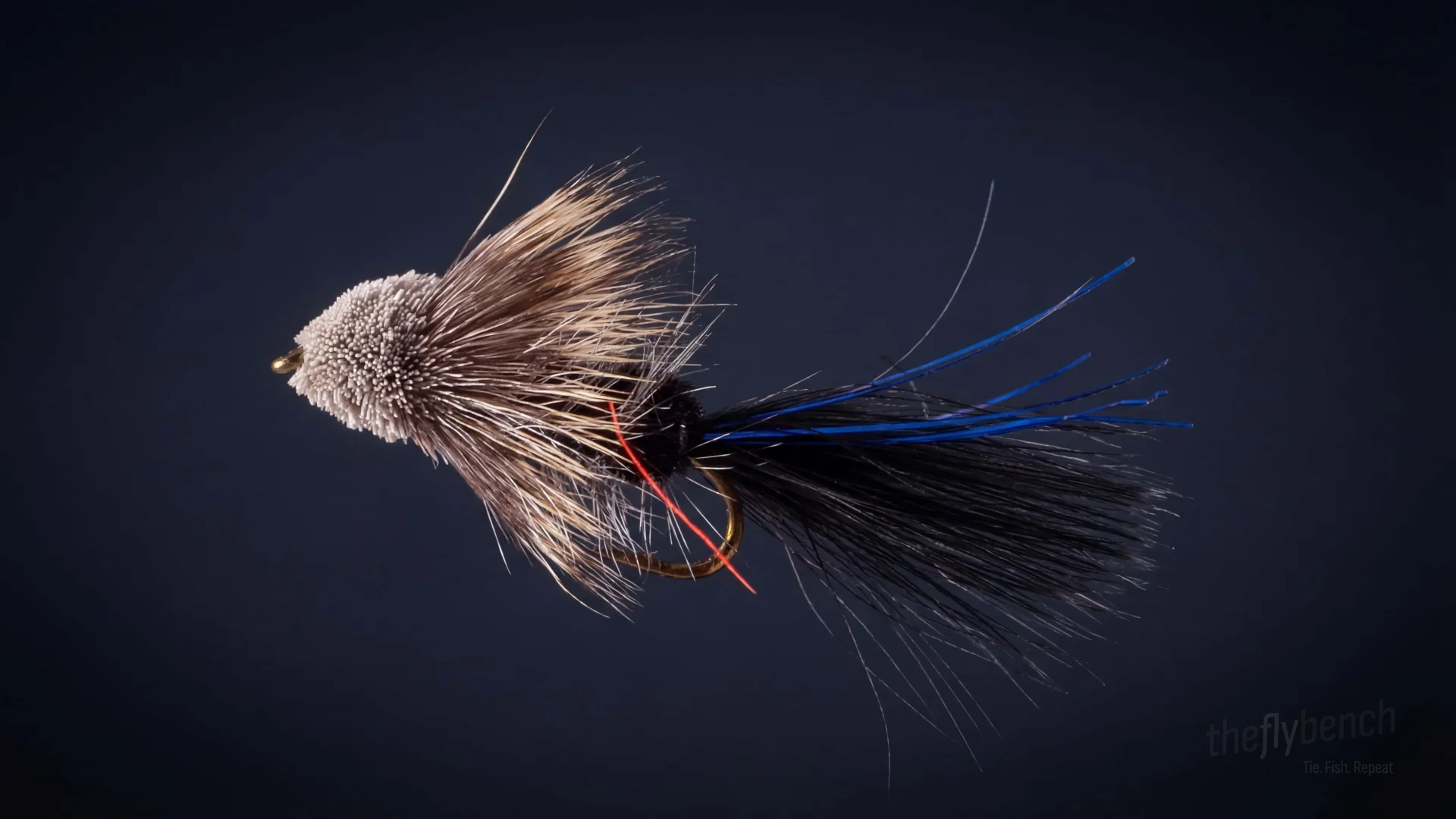
Overview
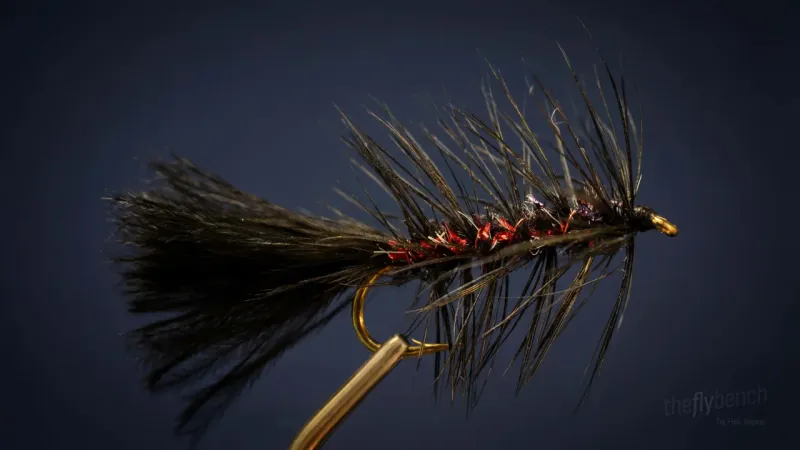
A variation of the classic Woolly Bugger, often tied with a mix of natural and synthetic materials for extra flash and movement. It usually includes a two-tone marabou tail, flash, chenille or dubbed body, and a palmered hackle. Weighted with a conehead or bead for depth, it excels in big western rivers like the Bow.
Where to Buy This Fly
We only link to fly shops we trust. Some links are referral links, which may earn us a commission at no extra cost to you.
Materials
- Hook:
- Tiemco 5262, size #4-#8
- Thread:
- Black Veevus 6/0
- Tail:
- Black marabou
- Ribbing:
- Fine copper wire
- Body:
- Black chenille
- Hackle:
- Black saddle hackle
- Bead:
- Tungsten bead, gold
Behavior & Presentation
Natural Behavior: During runoff and spawning periods, diverse prey becomes disoriented in fast current, exhibiting wounded swimming behavior. Baitfish flee in bursts, leeches pulse near structure, and crayfish scuttle across gravel.
Where Trout Eat It: Trout hold near drop-offs, undercut banks, weed edges, and pool structures waiting to ambush disoriented prey.
How to Fish It: Dead drift, strip, or swing depending on conditions and fish behavior throughout the water column.
Best Water: Work drop-offs, undercut banks, weed edges, pools, and eddies where current delivers prey.
Strike Type: Takes vary from subtle taps during dead-drift to aggressive slams on the strip, requiring visual cues and line-watching to detect strikes across different techniques.
Fishing Strategy
Rigging Suggestions: Use a heavy tippet to withstand aggressive strikes.
Seasonal Timing: Effective during peak feeding periods when water temperatures and conditions support active feeding behavior.
Pro Tips: This fly sinks quickly and is not highly visible. Its movement and silhouette attract fish.
Entomology
In large western rivers, diverse prey organisms share common vulnerability patterns—baitfish fleeing in bursts, leeches pulsing near weed edges, and crayfish scuttling across gravel bars. These movements intensify during spring runoff and fall spawning periods when displaced forage becomes disoriented in fast current. Trout key on this multi-species buffet, aggressively pursuing anything exhibiting wounded or erratic swimming behavior.
- Organism Type
- baitfish
- Life Stage
- general