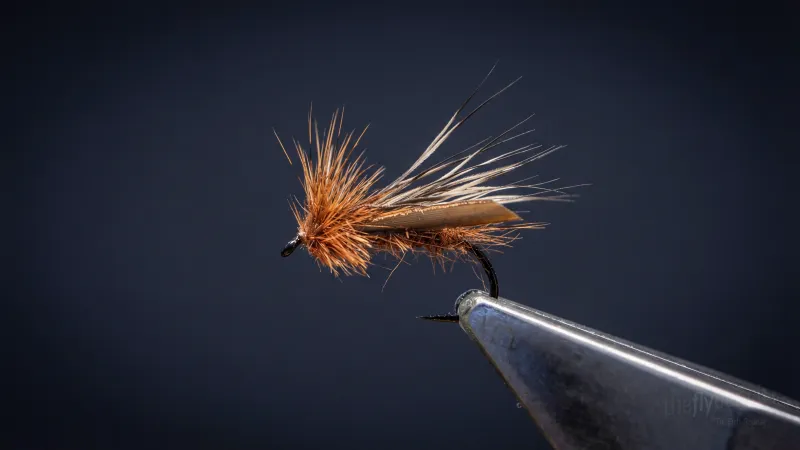
Dry FliesChuck's Caddis Variant
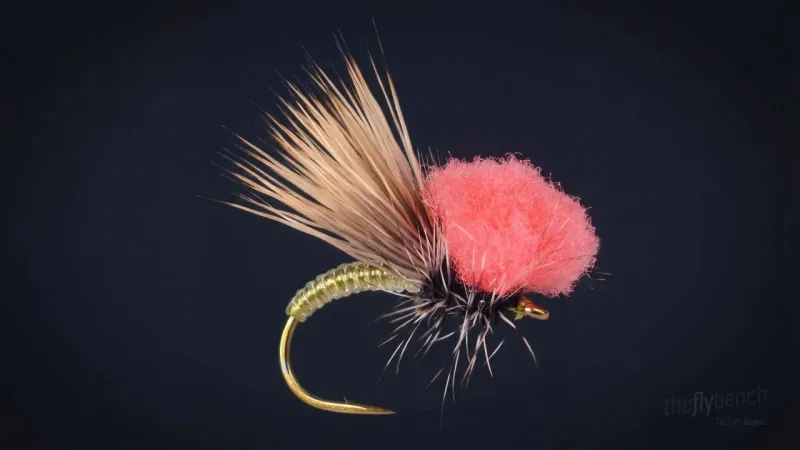
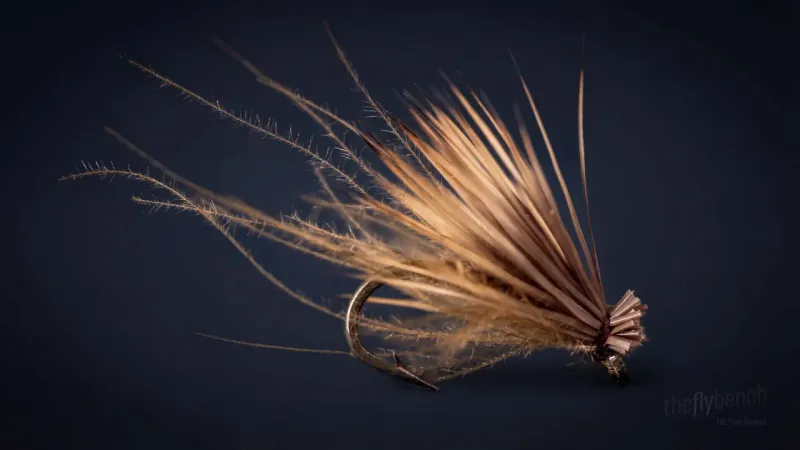
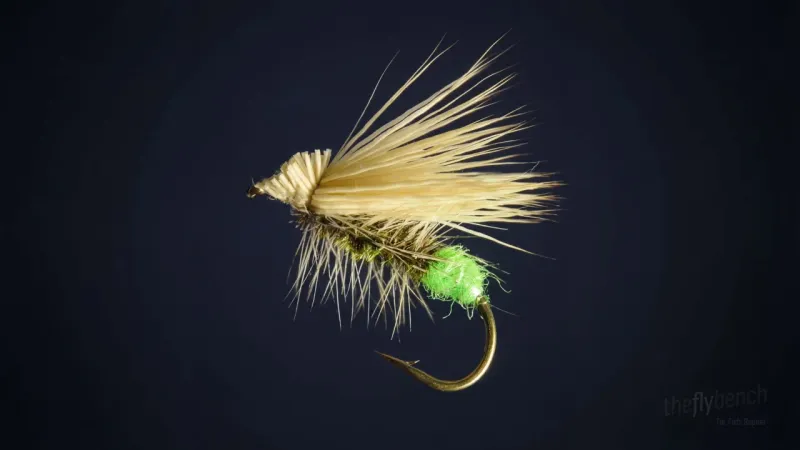
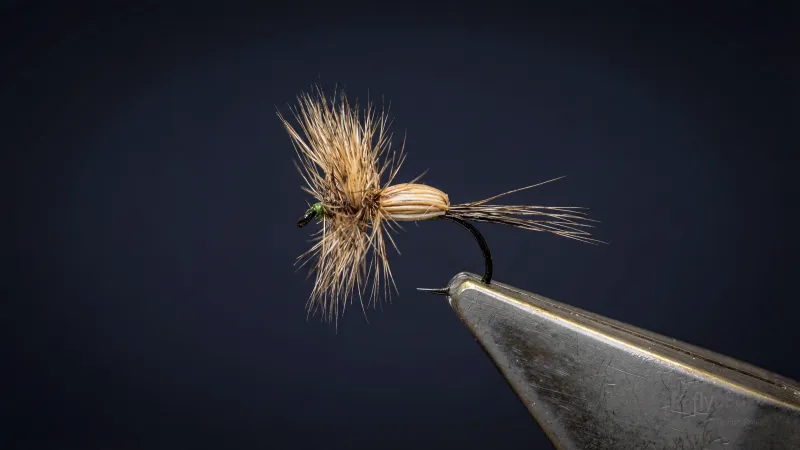
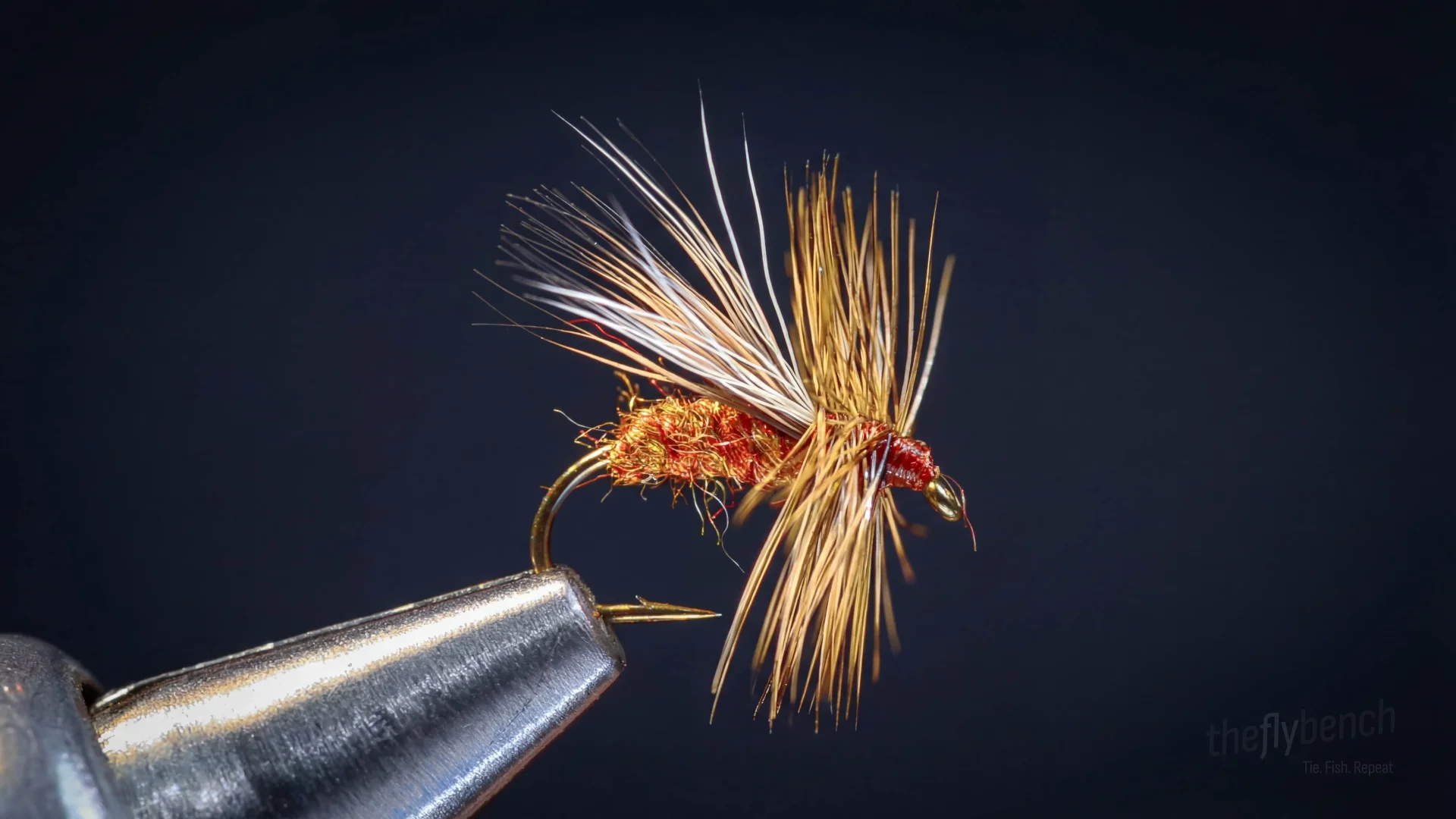
Chuck's Caddis Variant is a highly visible caddis dry fly that combines the proven effectiveness of a deer hair wing with an eye-catching white calf body overwing. This pattern offers anglers the best of both worlds: the natural silhouette of a traditional deer hair caddis with enhanced visibility from the contrasting white overwing. The result is a fly that trout readily accept while remaining easy to track through choppy water and low-light conditions.
Spring, Summer, Fall
Intermediate
Trout
Dec 2025
Overview
This Charlie Craven pattern from Charlie's Fly Box showcases a clever modification to traditional caddis patterns that addresses one of the most common challenges in dry fly fishing: tracking your fly. The white calf body overwing acts as a subtle sighting post without compromising the natural profile that trout see from below. The ginger variant Antron dubbing creates a fuzzy, translucent body that mimics the soft appearance of natural caddis bodies while the deer hair underwing provides excellent floatation.
Materials
Hook: Tiemco 921, #14-16
Thread: Semperfli 30 Denier Nano Silk or Veevus 14/0, orange or tan
Body: Antron Dubbing, ginger variant
Underwing: X-Caddis Deer Hair or Humpy Deer Hair
Overwing: Calf Body Hair, white
Hackle: Rooster Cape, tan or march brown grizzly
Behavior & Presentation
Natural Behavior: Spent caddisflies drift exhausted in the surface film after egg-laying, their wings splayed flat in contrast to the tent-wing posture of active adults. These dying insects concentrate in eddies and seams, offering no escape behavior and becoming exceptionally easy targets.
Where Trout Eat It: Trout intercept spent adults drifting in the surface film along feeding lanes, seams, and near structure.
How to Fish It: Dead drift through feeding lanes, adding subtle twitches occasionally to mimic struggling behavior that triggers reaction strikes.
Best Water: Target runs, riffles, pocket water, and foam lines where spent adults collect and feeding opportunities concentrate.
Strike Type: Watch for visible rise rings, subtle sips indicating fish intercepting surface drift.
Fishing Strategy
Rigging Suggestions: Fish on a 9-foot leader tapering to 5X-6X tippet. The enhanced visibility makes this an excellent choice for dry-dropper fishing with a small beadhead nymph.
Seasonal Timing: Most effective during caddis activity. Particularly productive during evening caddis hatches when visibility becomes challenging.
Pro Tips: Dress with floatant before use for best performance.
Entomology
Spent caddisflies lie exhausted on the surface film after completing egg-laying activities, drifting with wings splayed flat in contrast to the tent-wing posture of active adults. These dying or dead insects concentrate in eddies and current seams, providing reliable feeding stations where fish can intercept multiple prey items with minimal energy expenditure. The depleted insects offer no escape behavior, making them exceptionally easy targets for selective feeders.
- Order
- Trichoptera
- Common Name
- Caddisfly
- Organism Type
- insect
- Life Stage
- adult