Dry FliesMegabyte
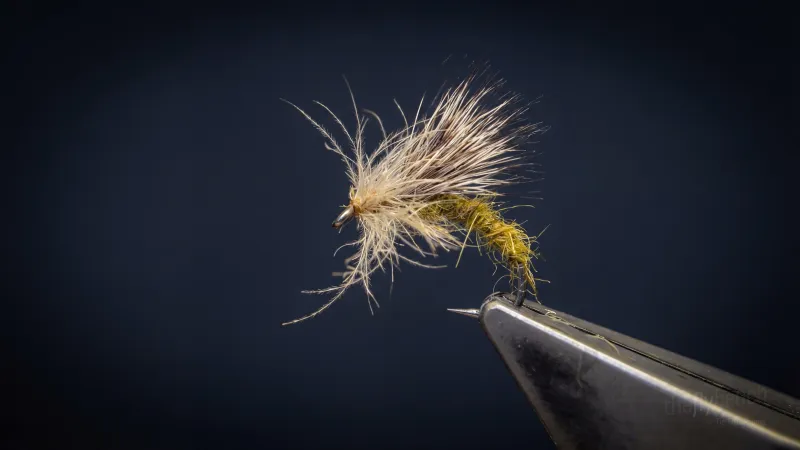
René Harrop's micro dry fly design handles ultra-selective trout during heavy midge and small mayfly hatches. Minimalist construction uses fine materials creating delicate presentation on smooth water. Harrop's attention to proportion and hackle quality ensures proper riding despite tiny size. Sparse design allows natural light passage.
Spring, Summer, Fall
Intermediate
Trout
Feb 2026
Overview
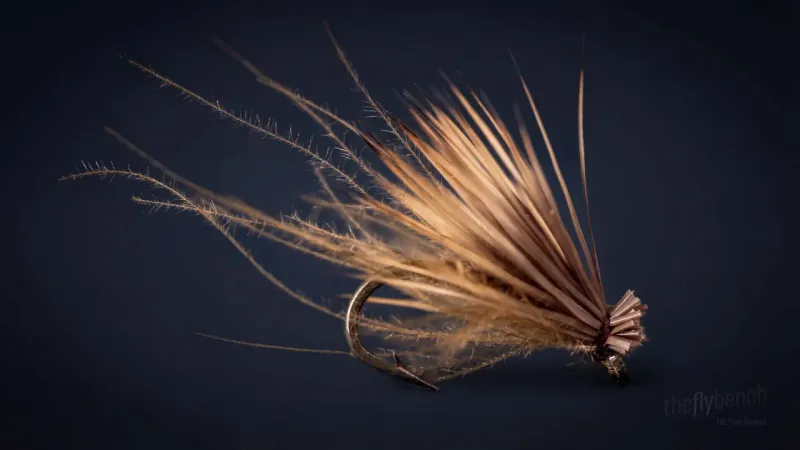
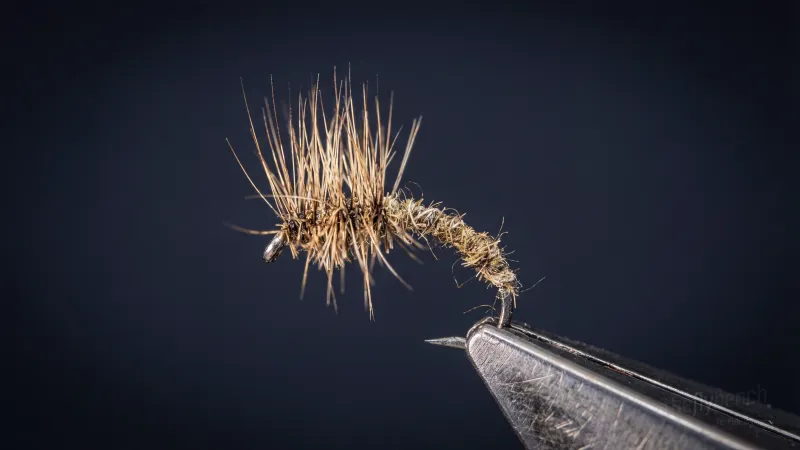
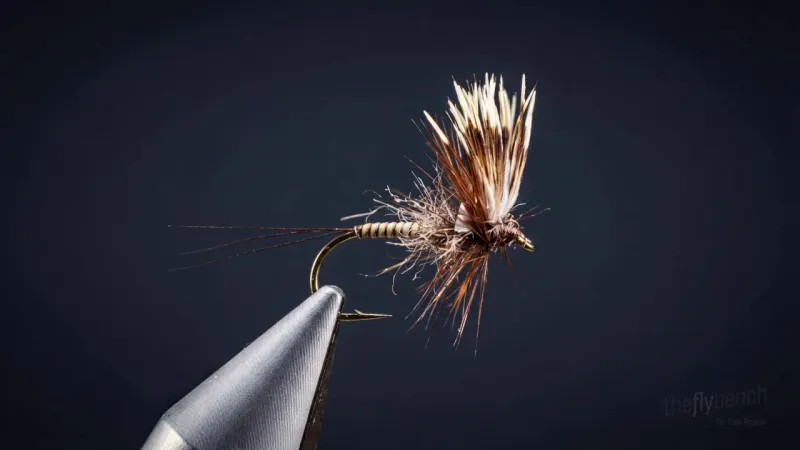
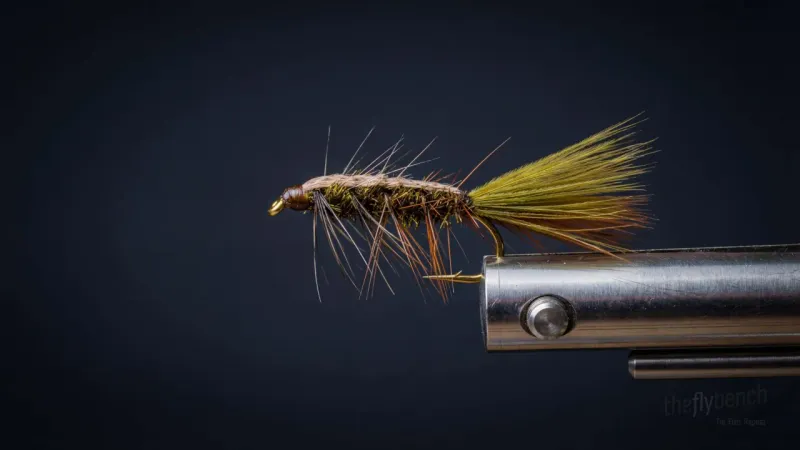
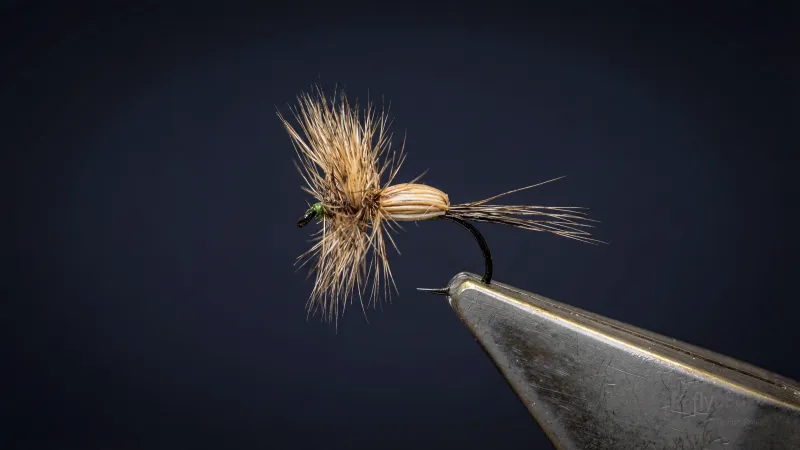
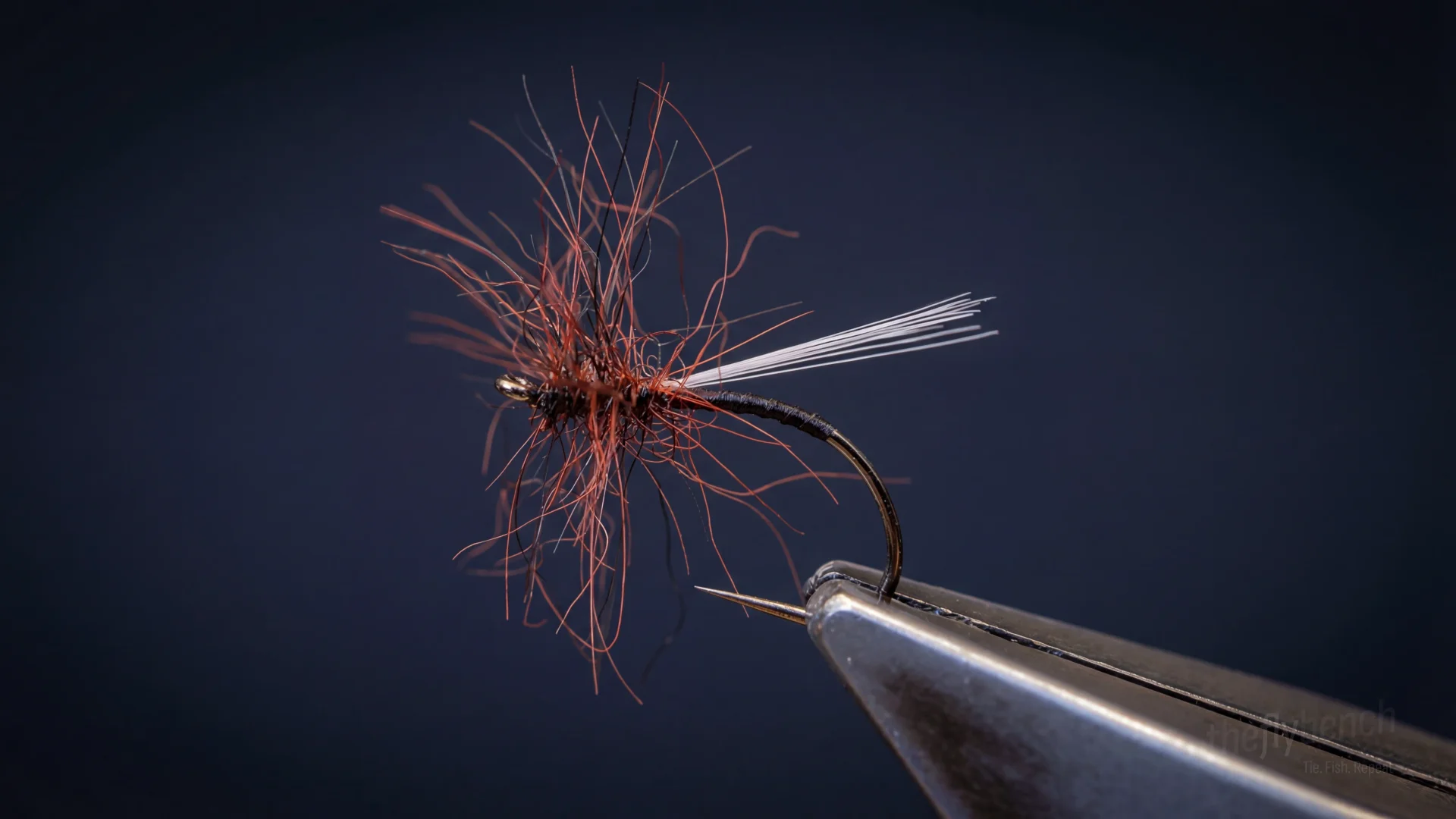
René Harrop's Megabyte is a micro dry fly designed for ultra-selective trout during heavy midge and small mayfly hatches. The pattern's minimalist construction uses fine materials to create a delicate presentation on smooth water. Harrop's attention to proportion and hackle quality ensures the fly rides properly despite its tiny size. The sparse design allows light to pass through naturally, creating the subtle visual cues that fool wary fish in gin-clear conditions.
Where to Buy This Fly
We only link to fly shops we trust. Some links are referral links, which may earn us a commission at no extra cost to you.
Materials
- Hook:
- Grip 14723BL #12
- Thread:
- Sparton 6/0, black
- Abdomen:
- Tying thread - flat
- Rib:
- Tying thread - corded
- Wing:
- Hackle barbs, white or cream
- Thorax/collar:
- Seal's fur - black, claret, red - mixed 2:1:1 (or substitute, such as African Goat)
Behavior & Presentation
Natural Behavior: Large mayflies and caddis create substantial surface profiles during emergence, with wings held prominently while bodies dry. Bold silhouettes trigger aggressive feeding.
Where Trout Eat It: Fish rise to substantial adults in the upper 6 inches, especially in feeding lanes.
How to Fish It: Dead drift with the large profile riding high on the surface through productive lies.
Best Water: Tail-outs, pocket water, seams, and foam lines during large insect hatches.
Strike Type: Aggressive rises with fish fully committing to the substantial, visible profile.
Fishing Strategy
Rigging Suggestions: Fish on 12-18 foot leader tapering to 6X-7X fluorocarbon tippet. Ultra-fine tippet supports delicate micro presentation needed for ultra-selective technical feeders.
Seasonal Timing: Most effective during midge emergences March through May and again September through November when water temperatures range 40-55°F. Technical creek fishing peaks during mid-day periods 10 AM-4 PM when tiny insects emerge.
Pro Tips: Sparse design allows light to pass through naturally, creating subtle visual cues matching tiny naturals. Focus on perfect drag-free drift as micro size offers no room for presentation errors.
Entomology
Adult caddis rest motionless on the surface tension between flights, occasionally twitching their wings or adjusting position. This stillwater behavior presents an irresistible stationary target that trout sip confidently without wasting energy on pursuit.
- Order
- Trichoptera
- Common Name
- Caddisfly
- Organism Type
- insect
- Life Stage
- adult