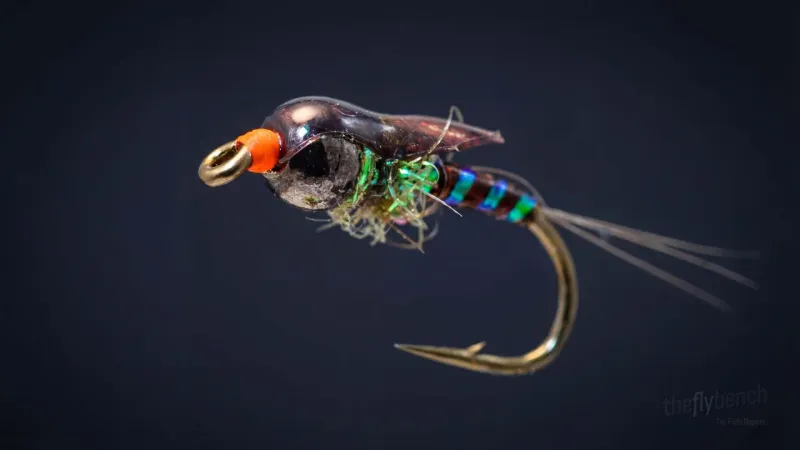
Dry FliesDouble Whammy
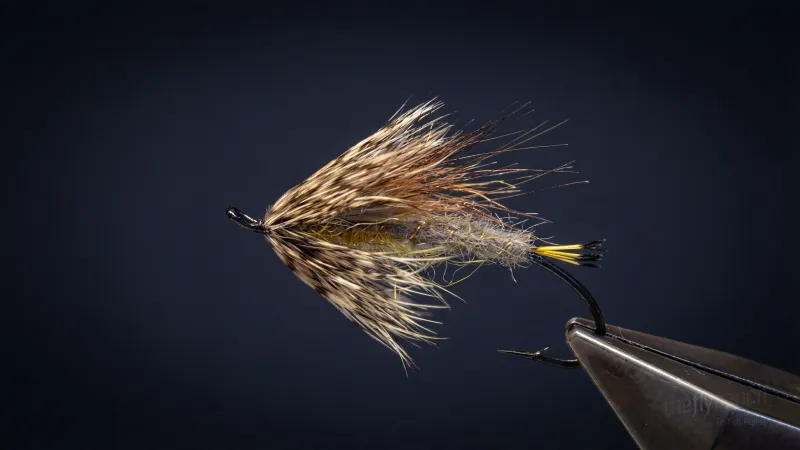
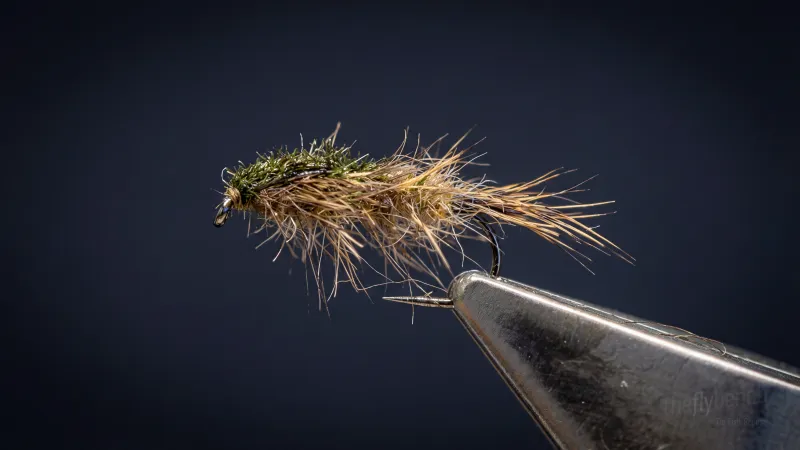
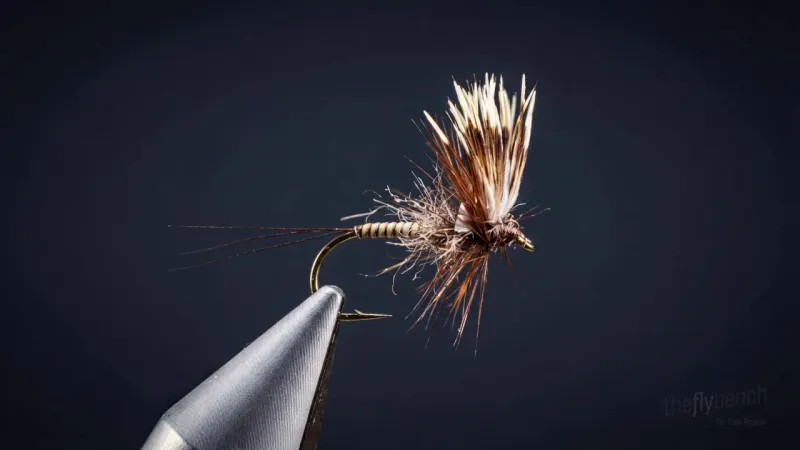
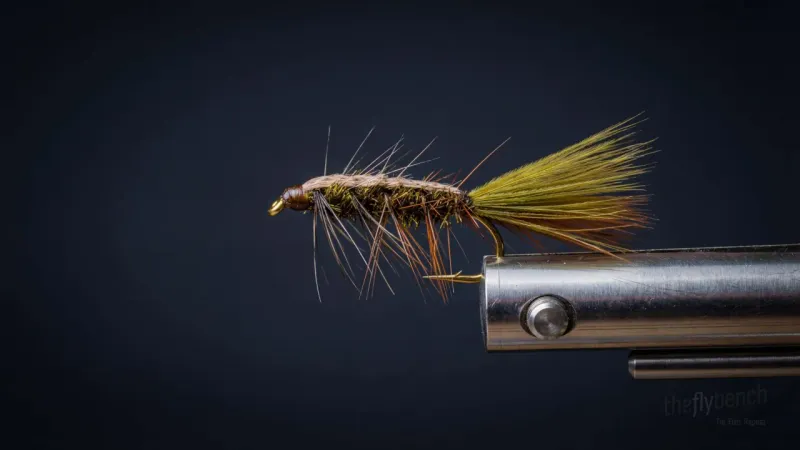
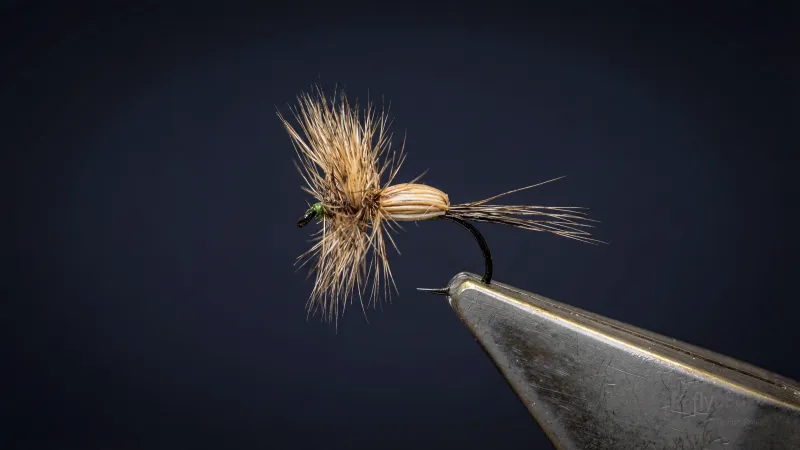
The Double Whammy is a dry fly pattern designed by Jude Duran. This effective pattern combines traditional materials with proven techniques for consistent results in a variety of water conditions.
Spring, Summer, Fall
Intermediate
Trout
Feb 2026
Overview
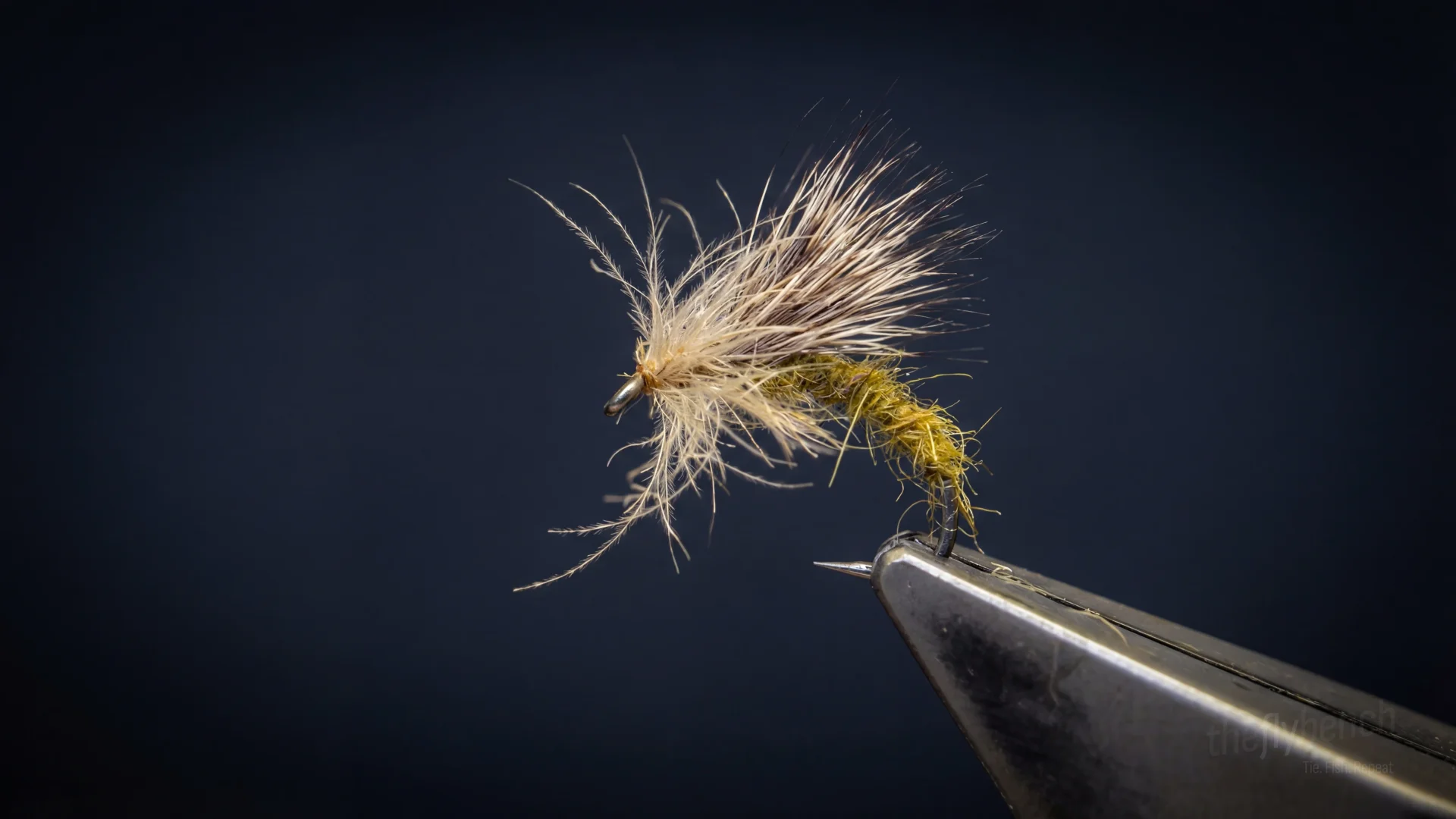
Jude Duran's Double Whammy employs a unique dual-hackle configuration that creates enhanced flotation and a broader footprint on the water surface. The pattern's construction uses both standard and parachute hackle wraps, providing stability in turbulent water while maintaining visibility. The contrasting hackle colors improve visibility to both angler and fish. Effective during mixed hatches when fish aren't keyed to specific insects but are actively feeding on adults.
Where to Buy This Fly
We only link to fly shops we trust. Some links are referral links, which may earn us a commission at no extra cost to you.
Materials
- Hook:
- Scud hook #14
- Thread:
- Benecchi 12/0, grey
- Body:
- Argentinean hare, dark olive
- Wing:
- Deer hair
- Head:
- Snowshoe hare, cream, inserted into split thread
Behavior & Presentation
Natural Behavior: Large surface prey like hoppers, beetles, and caddis create substantial profiles that trigger opportunistic feeding. Multiple colors and materials suggest diverse food sources.
Where Trout Eat It: Fish patrol near-surface zones, rising aggressively to substantial prey in feeding lanes.
How to Fish It: Dead drift with the bold profile riding high, or add subtle twitches to suggest struggling insects.
Best Water: Pocket water, bank edges, foam lines, and tail-outs in freestone streams.
Strike Type: Aggressive surface strikes with fish fully committing to the substantial, visible profile.
Fishing Strategy
Rigging Suggestions: Use a 9-12 foot leader tapering to 5X tippet for delicate presentations. Apply floatant to the body and hackle.
Seasonal Timing: Most effective during peak feeding periods at dawn and dusk. Water temperatures between 45-65°F typically produce best results.
Pro Tips: The double-wing configuration provides exceptional visibility for anglers while maintaining natural silhouette for trout. Excellent choice as an indicator fly in dry-dropper rigs due to superior buoyancy and visibility in varied light conditions.
Entomology
When overlapping hatches produce both mayflies and caddisflies simultaneously, adult insects create a dense layer of surface activity with varied movement patterns and silhouettes. Fish capitalize on the abundance, feeding indiscriminately on mixed species that overwhelm their selective instincts during peak dual emergence events.
- Order
- Trichoptera
- Common Name
- Caddisfly
- Organism Type
- insect
- Life Stage
- adult