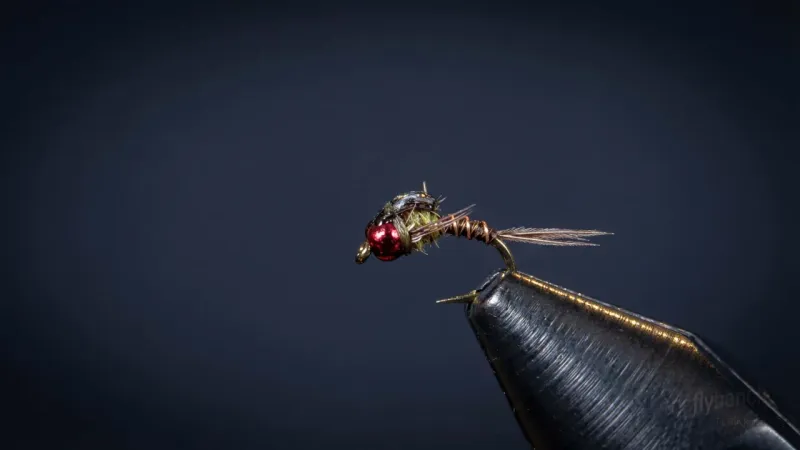
Midge / EmergersBiot Soft Hackle
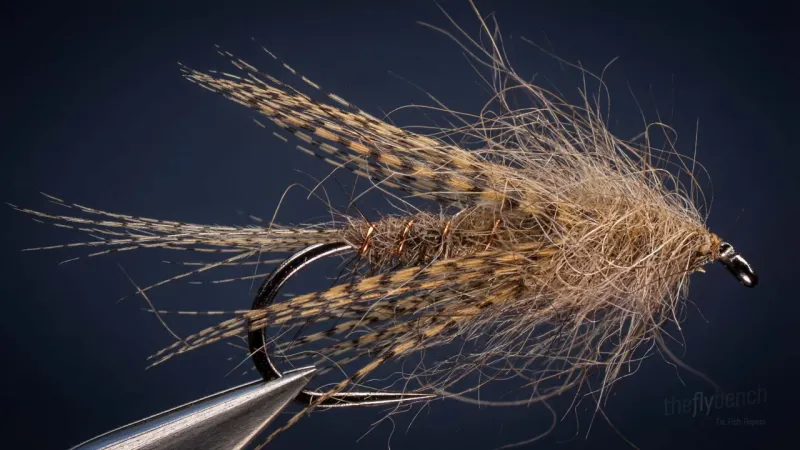
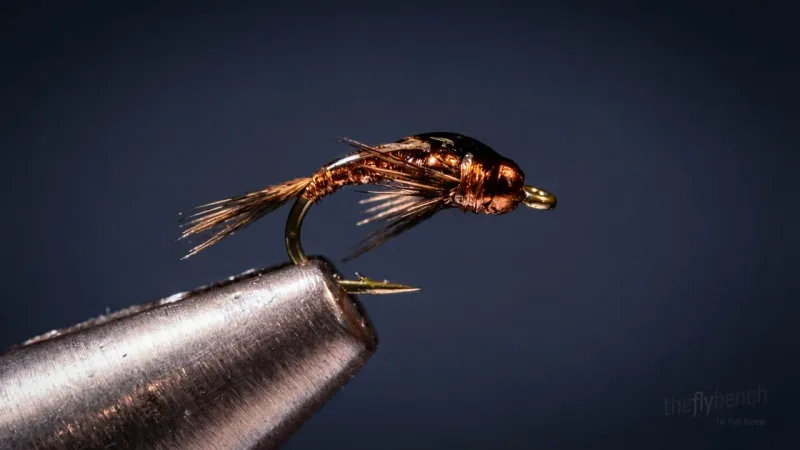
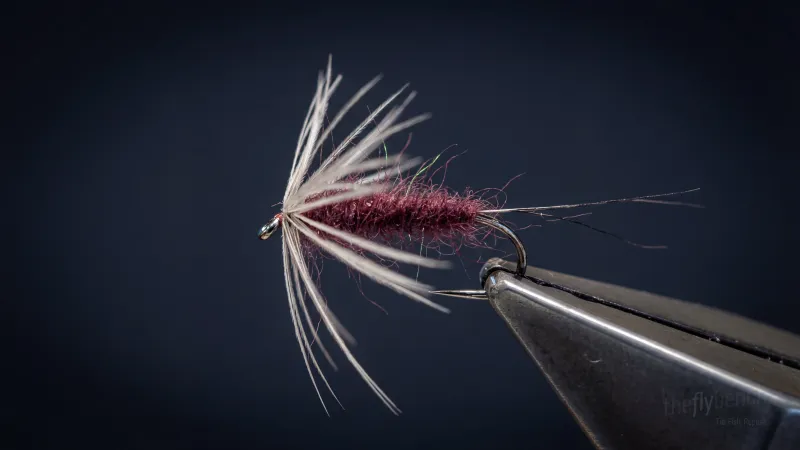
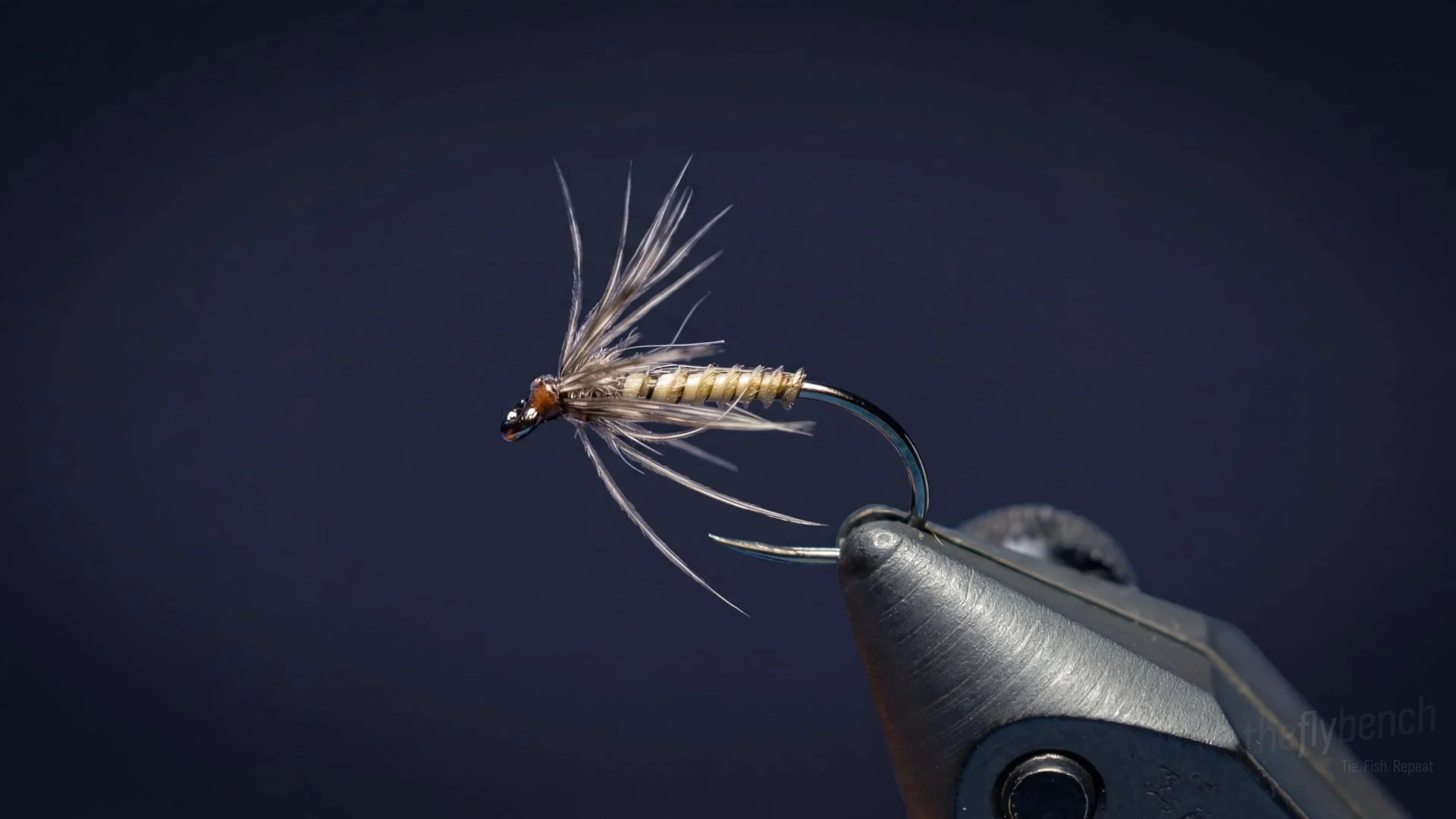
A classic soft hackle wet fly with a modern twist—this pattern uses a slim, segmented biot body and flowing soft hackle to imitate emerging mayflies or midges. It's subtle, versatile and effective in a wide range of water types and conditions.
Fall, Winter
Intermediate
Trout
Apr 2025
Overview
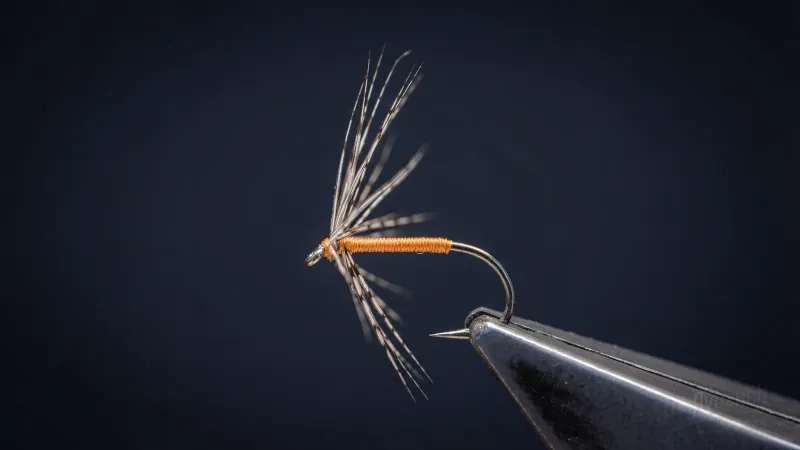
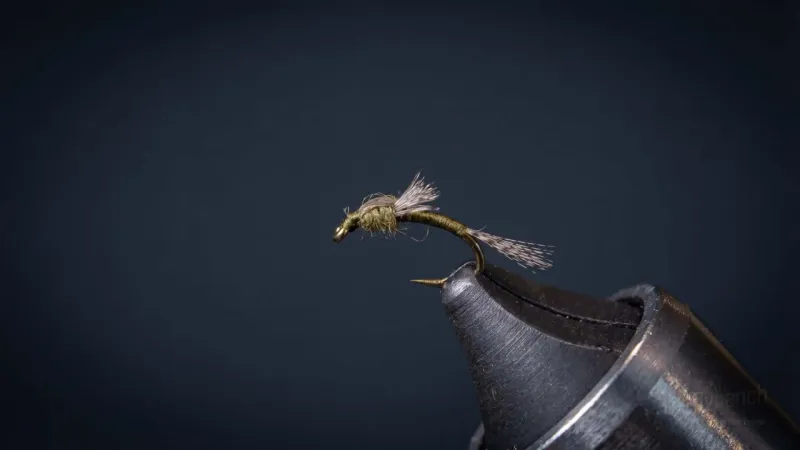
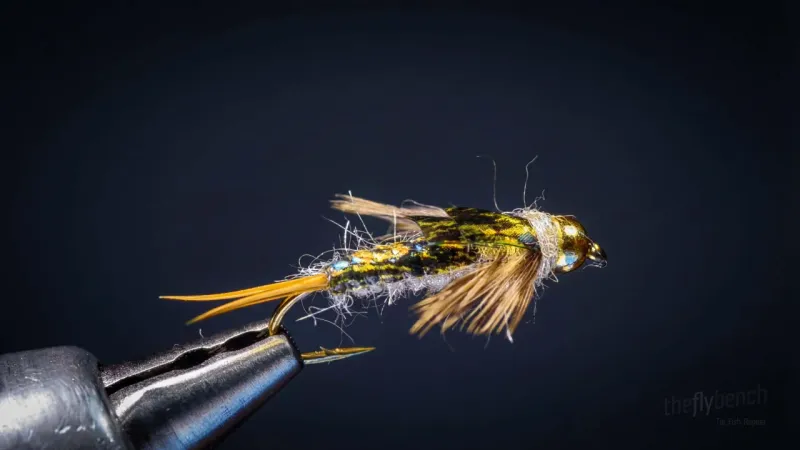
The Biot Soft Hackle combines the segmentation and slim profile of a turkey or goose biot body with the movement of a sparse soft hackle, often partridge or hen. It's typically tied in natural colors like olive, brown, or tan, making it an excellent choice for imitating emerging mayflies or caddis. This pattern is simple to tie and highly effective when swung through riffles or dead drifted just below the surface film.
Where to Buy This Fly
We only link to fly shops we trust. Some links are referral links, which may earn us a commission at no extra cost to you.
Materials
- Hook:
- Firehole Sticks 633 Nymph & Wet - 12
- Thread:
- 8/0 UNI-Thread Waxed Midge - Camel
- Body:
- Nature's Spirit Stripped Wild Turkey Barred Biots - Callibaetis
- Thorax:
- Natural Furs Dubbing - Fox Squirrel
- Hackle:
- Whiting Brahma Wing Soft Hackle Pair
- Tools Used:
- C&F Design Biot Pliers
Behavior & Presentation
Natural Behavior: Mayfly nymphs actively swim toward the surface during emergence, pulsating their gills and undulating their segmented biot-like bodies in a distinctive motion that triggers predatory instincts. They are most vulnerable during this transition, suspended mid-column as they prepare to shed their nymphal shuck in slower runs and spring creek pools.
Where Trout Eat It: Fish feed selectively in slower runs, spring creek pools, and lake shoals during subsurface emergence periods.
How to Fish It: Dead drift or soft twitch through slower water, allowing hackle to pulse naturally in current.
Best Water: Target runs, pools, shoals, and current seams where trout intercept drifting emergers.
Strike Type: Dead drifting or soft-twitching through slower water with pulsing hackle, takes appear as gentle taps or subtle indicator pauses. Trout feed selectively during subsurface emergence with quiet interceptions rather than aggressive grabs.
Fishing Strategy
Rigging Suggestions: Use a floating line with 12-15 foot leaders tapered to 5X or 6X tippet. Fish solo or as the top fly in a two-nymph rig.
Seasonal Timing: Most productive during October through February when trout focus on subsurface mayfly nymphs in cold water conditions below 50°F. Target fish during overcast, cold days when surface activity is minimal.
Pro Tips: The natural materials provide subtle movement that suggests life without overwhelming wary fish. Allow the hackle to breathe in the current by avoiding excessive mending.
Entomology
Mayfly nymphs actively swim toward the surface during emergence, pulsating their gills and undulating their bodies in a distinctive motion that triggers predatory instincts. They are most vulnerable during this transition, suspended mid-column as they prepare to shed their nymphal shuck. Trout position themselves to intercept these emerging nymphs at specific depth zones, often ignoring other food sources during peak emergence periods.
- Order
- Ephemeroptera
- Common Name
- Mayfly
- Organism Type
- insect
- Life Stage
- nymph